

Himmelev skov, Roskilde Travel Guide
Free Guide: A young, rolling forest of ponds, meadows and trails where Roskilde’s northern suburbs fade into an evolving landscape of Danish nature and quiet everyday escapes.


A brief summary of Himmelev skov
A young, rolling forest of ponds, meadows and trails where Roskilde’s northern suburbs fade into an evolving landscape of Danish nature and quiet everyday escapes.
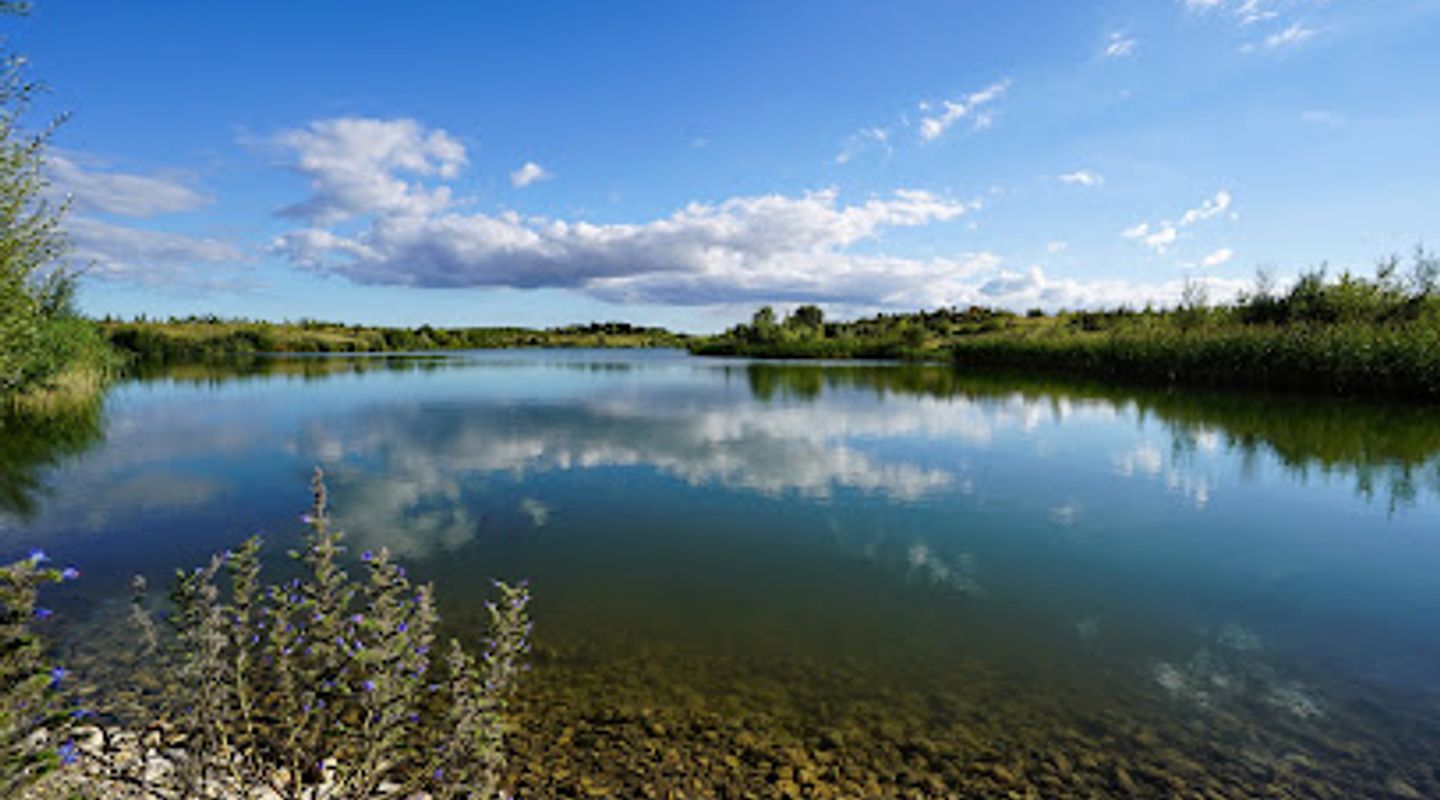
Himmelev Skov is a young state forest and nature preserve on the northern edge of Roskilde, where former gravel pits have been transformed into rolling woodland, meadows, wetlands and small lakes. Criss-crossed by walking, cycling and riding trails, it offers an easy escape into nature with open views, birdlife, and tranquil corners for picnics and quiet reflection, yet remains close to suburban Himmelev and the wider Roskilde area.
On-site amenities
 Seating areas
 Trash bins
 Information boards
Opening hours
- Every dayOpen 24 hours
Opening hours as listed on the venue’s Google Business Profile. Hours can change for services and special events, so check with the venue before you go.
- Address
- Herregårdsvej, 4000 Roskilde
Getting there
Train and local bus from Copenhagen or central Roskilde
Bicycle from Roskilde city centre
Car or taxi within the Roskilde area
Discover more about Himmelev skov
From gravel pits to green sanctuary
Himmelev Skov stretches across the gently undulating land north of Roskilde, where gravel was once extracted on an industrial scale. Today the pits have been softened by time and careful planning, reshaped into basins for ponds, small lakes and damp hollows that catch the light and attract birds. The area has been deliberately planted as a new state forest, creating a buffer that helps protect local groundwater and brings wildness back to the edge of the city.The trees here are still relatively young compared with old Danish beech forests, so light reaches the ground and the landscape feels open. You notice wide horizons, scattered copses and shelterbelts rather than dense, dark woodland. This gives the whole area a fresh, airy character, especially on clear days when the sky seems to sit low over the fields and tree lines.
Layers of woodland, meadows and water
One of the pleasures of Himmelev Skov is how quickly the scenery shifts under your feet. Paths lead you through newly planted deciduous stands, across open grassland and into low, marshy areas in just a few minutes of walking. Dry, sunny slopes are allowed to develop as flower-rich grassland, while hollows hold wet meadows and reed-fringed ponds where frogs, dragonflies and ducks thrive.The variety of habitats brings subtle seasonal changes. In spring, fresh leaves glow almost neon-green against the pale trunks and early flowers dot the rides. Summer highlights the contrast between shaded woodland strips and sun-baked open areas. In autumn, the mix of species produces a patchwork of yellow, orange and lingering green, reflected in the still water of the old gravel basins.
Trails for walkers, cyclists and riders
A network of waymarked trails runs through the forest, making it straightforward to explore without a map. Broad gravel tracks suit casual walks, prams and everyday cycling, while narrower paths tempt you to wander off on more meandering loops. The terrain is gently hilly rather than strenuous, offering enough rise and fall to keep things interesting without becoming demanding.Himmelev Skov is also planned with horses in mind. Dedicated riding tracks run along parts of the area, connecting with local equestrian facilities. You may see riders moving quietly along the edge of a meadow or climbing one of the low ridges, a reminder that this green belt is woven into everyday life for nearby residents, not separated from it.
Nature, biodiversity and quiet corners
Although the forest is young, it has been designed to favour biodiversity. A mix of native tree species, undisturbed corners, deadwood left on the ground and uncut thickets around ponds all create niches for insects, birds and small mammals. Over time, as the trees mature and the soil recovers from its industrial past, this mosaic is expected to become richer and more complex.For visitors, this thoughtful approach is most obvious in the atmosphere. Birdsong carries clearly across the open areas, especially at dawn and in the evening. On calm days you can hear the rustle of leaves, the soft splash of water birds and little else. Benches or simple resting spots at viewpoints and beside water invite you to pause, look and listen rather than hurry through.
A local escape on Roskilde’s northern fringe
Himmelev Skov sits right against the residential districts of Himmelev, making it an everyday green escape as much as a destination. Paths often start near housing, schools and sports facilities before slipping into the trees, so the boundary between town and forest feels pleasantly blurred. Families use it for short evening walks, runners for regular training loops and dog owners for daily circuits.Despite this local feel, the forest also appeals to visitors exploring the wider Roskilde area. Combined with historic sites in the city and the landscapes along Roskilde Fjord, it adds a quieter, more reflective dimension to a day’s itinerary. You come here not for grand views or dramatic landmarks, but for the simple rhythm of a Danish forest growing into its own identity.
Changing with the seasons and expanding future
Because much of Himmelev Skov was planted only in recent decades, the area is visibly evolving. Saplings grow into solid stands, new sections are added, and paths are adjusted as the forest spreads across former farmland. Information from local authorities highlights ongoing expansion, underscoring its role in climate adaptation, water protection and creating more accessible nature close to where people live.Each season brings a different experience. Winter reveals the landforms of the old gravel workings in stark detail, while frost and occasional snow give the ponds a muted, monochrome beauty. In contrast, long summer evenings invite unhurried wanderings, when the low sun slants through rows of trees and the air carries the scent of warm grass and damp earth. Over years, returning visitors can watch this young landscape quietly mature.
Evendo Review Centre
 Google
Guest reviews
Best time to go
Quietest: Jan, Feb & Dec · before 6am or from 10pm
Busy times are Evendo estimates for a typical year, to help you plan. Actual crowds vary with events, school holidays and the weather.
Explore Himmelev skov on the map
A handpicked selection of must-see spots near Himmelev skov, mapped for you.
Get your free copy of our complete guide to Himmelev skov, delivered straight to you.
Everything on this page, from opening hours and how to get there to Eve’s tips and the best time to go, in one PDF you can read offline, print or share.
Already have an account? Sign in
Your Himmelev skov guide is ready.
We'll send it to · Not you? Sign out

Getting your guide ready…
We are putting together a fresh copy of the Himmelev skov guide. This can take up to a minute.
This can take a few moments. If your browser asks, choose Allow so the download can start. You'll find the guide in your Downloads folder.
Nothing happened? Download it again
Sorry, the guide is taking longer than usual. Please try again in a minute, or get it by email instead.
Other nearby places you may find interesting
The closest places of the same kind, if this one is not quite what you had in mind.
-
Kattinge Vig A sheltered fjord cove near Roskilde where protected nature, birdlife and gentle Scandinavian coastal scenery create a quiet escape for walkers, anglers and paddlers.
-
Frøspringvandet A modest bronze frog fountain in Roskilde’s Klosterengen park, where playful sculpture, splashing water and everyday neighbourhood life meet in a tranquil corner.
-
 Ledreborg Allé (Ringstedvej), 4000 Roskilde, Dania
A long, tree-lined Baroque avenue stretching through rural Zealand, guiding travellers in stately symmetry towards the distant silhouette of Ledreborg Palace.
Ledreborg Allé (Ringstedvej), 4000 Roskilde, Dania
A long, tree-lined Baroque avenue stretching through rural Zealand, guiding travellers in stately symmetry towards the distant silhouette of Ledreborg Palace.
-
Kornerup Å Trækfærge A hand-powered cable ferry in the Kornerup River Valley, turning a simple stream crossing into a playful pause amid open meadows, big skies and quiet Danish nature.
-
Hestebrønden A bronze horse fountain anchoring busy Hestetorvet square, Hestebrønden blends everyday city life with a quiet nod to Roskilde’s horse market past.
Swipe for more places
More to explore near Himmelev skov

 Best experiences near Himmelev skov
 Best hotels near Himmelev skov
 Best landmarks near Himmelev skov
 Best attractions near Himmelev skov
 Best shops near Himmelev skov
 Best restaurants near Himmelev skov
 Best bars near Himmelev skov
Do you manage this location?
Take control to get all the benefits, like improved information, better appearance, and stronger visibility across AI-powered discovery.
Explore more

Explore more of Roskilde
Discover Roskilde: A blend of rich history, Viking heritage, and vibrant music culture in the heart of Denmark, just a short journey from Copenhagen.
Explore Roskilde
Explore more of Denmark
Discover Denmark: A perfect blend of history, modern design, and the cozy concept of hygge. Explore vibrant cities, serene landscapes, and world-class cuisine.
Explore Denmark
