

Lovise Kilden, Roskilde Travel Guide
Free Guide: A quietly flowing spring on Folkeparken’s edge, where a 19th-century convent resident left her name on Roskilde’s gentle green landscape.


A brief summary of Lovise Kilden
A quietly flowing spring on Folkeparken’s edge, where a 19th-century convent resident left her name on Roskilde’s gentle green landscape.
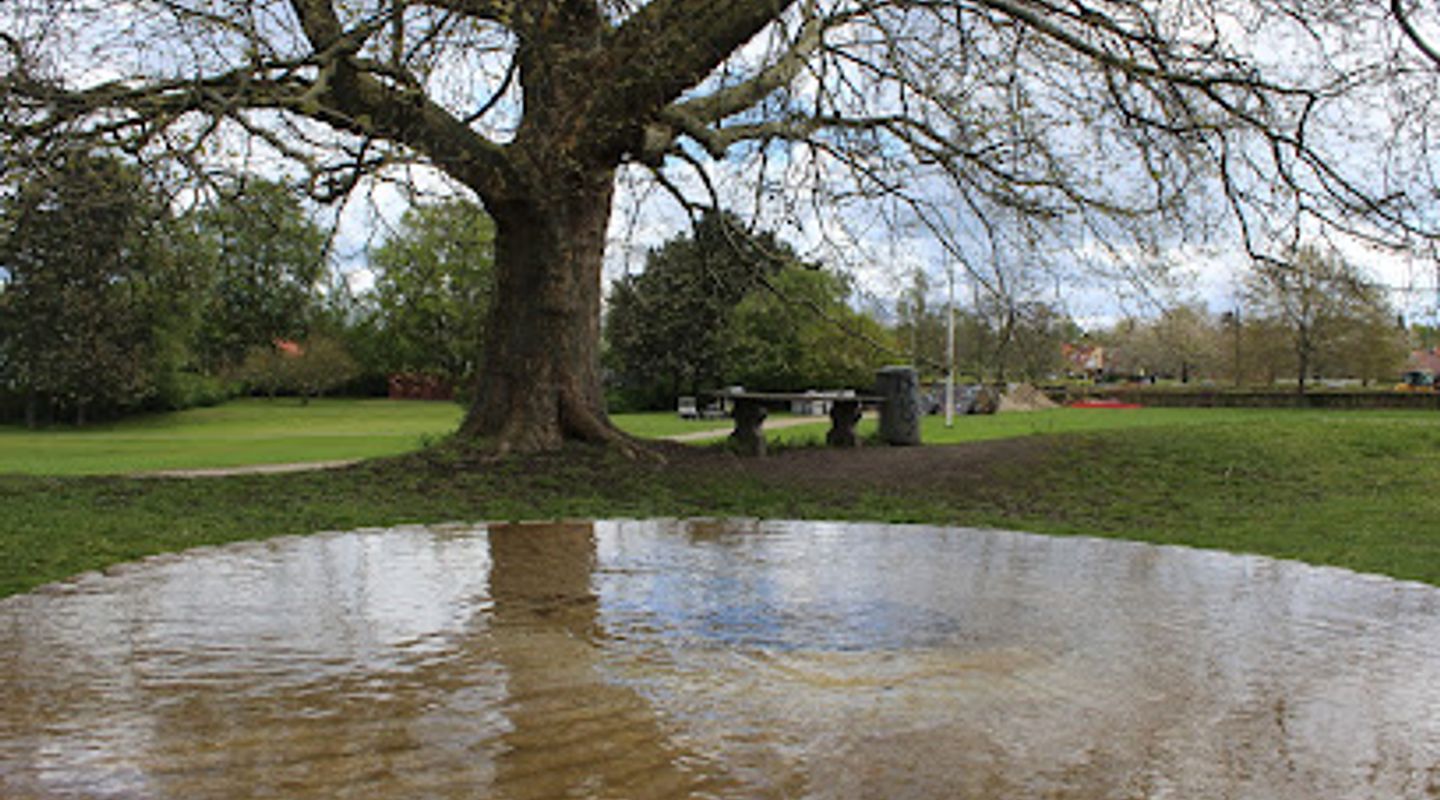
Tucked into the southeastern edge of Folkeparken near Louisevej in Roskilde, Lovise Kilde is a modest natural spring with a quietly storied past. Once marking the old boundary between Klostermarken and the land that later became the park, the spring was likely named around 1840 by Lovise von Wimpffen, a resident of nearby Roskilde Kloster. Today it offers a small, tranquil pause on a leafy path, where history, greenery and gently trickling water meet.
On-site amenities
 Seating areas
 Trash bins
 Information boards
- Address
- 4000 Roskilde
- Website
Getting there
Train and walk from Roskilde Station
Local bus within Roskilde
Car or taxi from central Roskilde
Discover more about Lovise Kilden
A modest spring with a quietly noble name
Lovise Kilde is an unobtrusive natural spring set where the cultivated edge of Roskilde’s green spaces meets a more open park landscape. Historically, it lay on the old boundary between Klostermarken, land once tied to the nearby convent, and an open area that would later be shaped into Folkeparken. That sense of an old dividing line still lingers: the spring feels like a small threshold between past and present, between town and a pocket of greenery.The spring’s name reaches back into Roskilde’s social history. It is thought to have been christened around 1840 by Lovise von Wimpffen, a canoness at Roskilde Kloster, who is believed to have named the spring after herself. This personal touch makes Lovise Kilde unusual among local water sources, which are often named more generically or for saints. Here, a specific individual left her mark in the landscape, and her name continues to flow quietly through the park.
Folkeparken’s green backdrop
Today Lovise Kilde sits within the southeastern part of Folkeparken near Louisevej, surrounded by lawns, clusters of trees and criss-crossing paths used by walkers, joggers and dog owners. The park’s broader expanse gives the spring an unexpectedly open, airy setting, with birdsong and rustling leaves providing a soft soundtrack. In spring and summer, foliage frames the spot; in autumn the area is scattered with colourful leaves; in winter, bare branches and frost lend the spring a starker, more contemplative character.Because it is woven into an everyday urban park rather than a fenced heritage site, Lovise Kilde feels very accessible. People pass by on their way through Folkeparken, yet the slight dip in the ground and the soft sound of water offer a brief sense of retreat. It is easy to linger a moment to watch light catching the surface or to listen to the quiet trickle before rejoining the main paths.
From useful water to historical curiosity
Natural springs once played a practical role in Roskilde’s life, providing clean water on the slopes that lead from the old town down towards the fjord. Over time, as piped water networks spread and the city modernised, many springs shifted from everyday utility to historical features in the landscape. Lovise Kilde belongs to this later chapter, remembered not for major myths or miracles but for its link to the convent and its named benefactor.The spring’s exact early history is not precisely documented, adding a touch of mystery. It is likely older than its 19th-century naming, quietly flowing long before Lovise von Wimpffen attached her identity to it. That combination of uncertain age and known naming gives visitors a small puzzle to ponder: the water has been here for much longer than the story that now defines it.
A small stop on a wider Roskilde walk
Lovise Kilde is not a grand attraction but rather a gentle waypoint on a broader exploration of Roskilde’s green corridor. Folkeparken and neighbouring green areas form a leafy band between the historic centre and the residential districts, with playgrounds, lawns, and occasional viewpoints. In this context, the spring becomes a micro-destination: somewhere to pause on a stroll, sit nearby on the grass, or let children peer curiously at a real, flowing water source tucked into the park.Its scale makes it well suited to unhurried visits. A short stop is enough to appreciate the setting, but those looking for quiet can use the spring area as a starting point for a longer wander through the park’s paths, perhaps combining it with other springs and heritage traces on the slope from town towards the fjord.
Moments of calm in every season
Because Lovise Kilde sits in an open public park, it remains accessible year-round, with different moods in different seasons. On bright days, the play of sunlight and shadow around the water creates subtle photo opportunities. On overcast or chilly days, the subdued colours and cool air can make the spring feel especially peaceful, turning it into a small refuge for reflection within the city.The experience is simple: there are no displays, ticket booths or queues, just a name, a trickle of water and the knowledge that this humble feature has quietly survived changes in land use, park design and urban life. For travellers interested in the smaller details of a place, Lovise Kilde offers a glimpse of how personal stories, convent history and everyday nature intertwine in Roskilde’s landscape.
Evendo Review Centre
 Google
Guest reviews
Best time to go
Quietest: Jan, Feb & Nov · before 8am or at 8pm
Busy times are Evendo estimates for a typical year, to help you plan. Actual crowds vary with events, school holidays and the weather.
Explore Lovise Kilden on the map
A handpicked selection of must-see spots near Lovise Kilden, mapped for you.
Get your free copy of our complete guide to Lovise Kilden, delivered straight to you.
Everything on this page, from opening hours and how to get there to Eve’s tips and the best time to go, in one PDF you can read offline, print or share.
Already have an account? Sign in
Your Lovise Kilden guide is ready.
We'll send it to · Not you? Sign out

Getting your guide ready…
We are putting together a fresh copy of the Lovise Kilden guide. This can take up to a minute.
This can take a few moments. If your browser asks, choose Allow so the download can start. You'll find the guide in your Downloads folder.
Nothing happened? Download it again
Sorry, the guide is taking longer than usual. Please try again in a minute, or get it by email instead.
Other nearby places you may find interesting
The closest places of the same kind, if this one is not quite what you had in mind.
-
-
-

-
-


Swipe for more places
More to explore near Lovise Kilden

 Best experiences near Lovise Kilden
 Best hotels near Lovise Kilden
 Best landmarks near Lovise Kilden
 Best attractions near Lovise Kilden
 Best shops near Lovise Kilden
 Best restaurants near Lovise Kilden
 Best bars near Lovise Kilden
Do you manage this location?
Take control to get all the benefits, like improved information, better appearance, and stronger visibility across AI-powered discovery.
Explore more

Explore more of Roskilde
Discover Roskilde: A blend of rich history, Viking heritage, and vibrant music culture in the heart of Denmark, just a short journey from Copenhagen.
Explore Roskilde
Explore more of Denmark
Discover Denmark: A perfect blend of history, modern design, and the cozy concept of hygge. Explore vibrant cities, serene landscapes, and world-class cuisine.
Explore Denmark
