Møllestien, East Jutland Travel Guide
A charming cobblestone lane where colorful 19th-century houses and vibrant gardens tell the story of artistic rebirth.
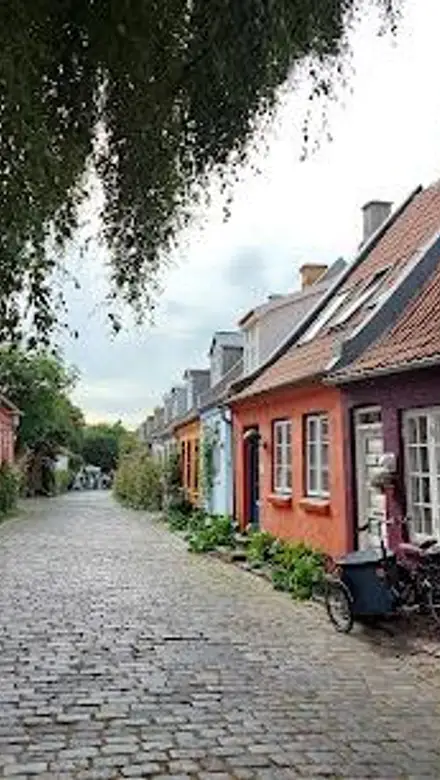
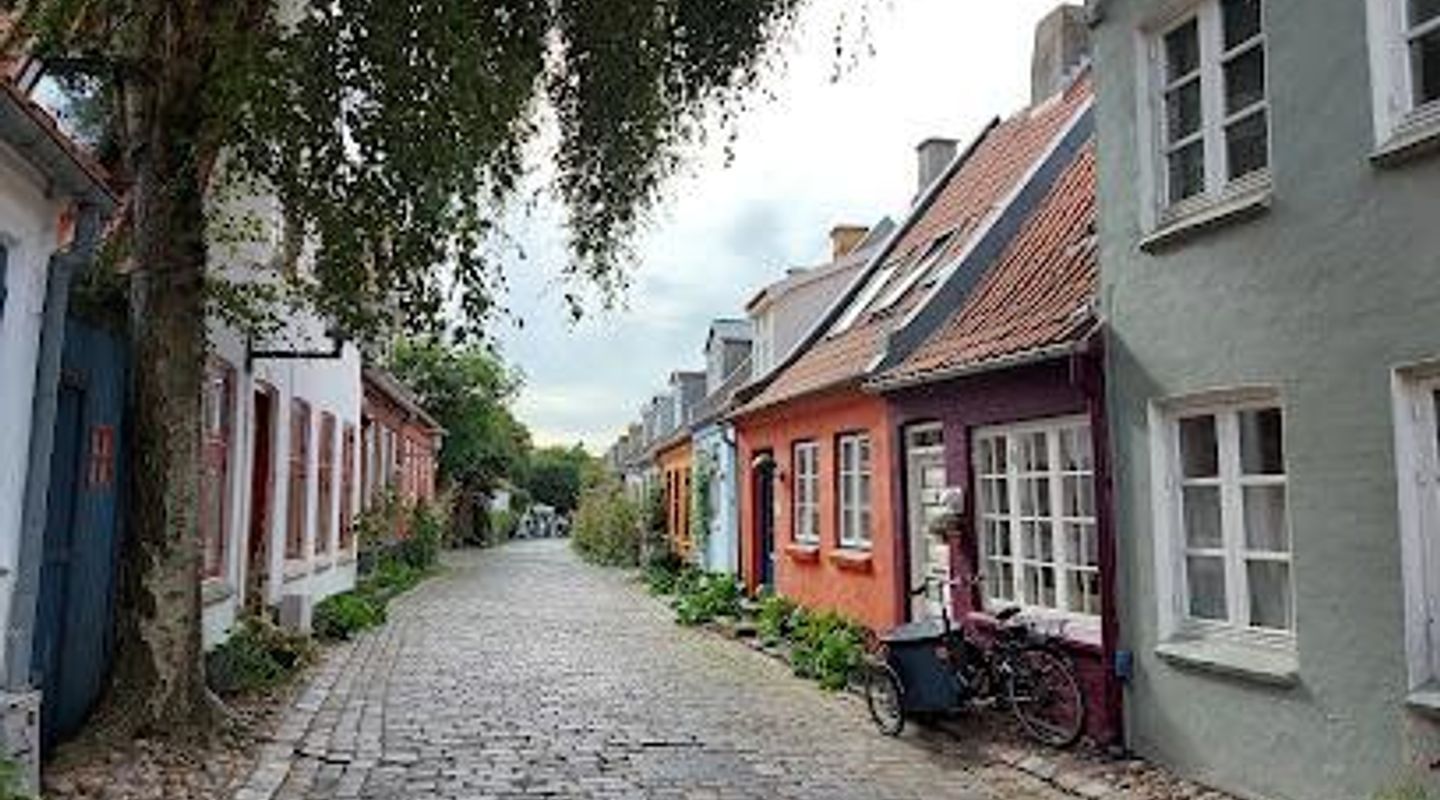
Møllestien is a historic cobblestone street in central Aarhus, Denmark, lined with colorful 19th-century working-class houses. Dating back to the 13th century, this charming lane showcases original architecture from the 1870s–1880s, featuring half-timber construction and vibrant facades adorned with flower gardens. Once a neglected slum, the street was revitalized in the 1960s by artists and students who restored the buildings and painted them in bright colors. Today, it stands as one of Aarhus's most picturesque and peaceful neighborhoods, offering a rare glimpse into the city's past while remaining centrally located and easily accessible.
A brief summary to Møllestien
- Aarhus, Aarhus C, 8000, DK
- Duration: 0.5 to 1 hours
- Free
-
 Outdoor
- Mobile reception: 5 out of 5

Know before you go
Hi, I'm Eve. Here are a few practical things to know before exploring Møllestien.
- Visit in early morning or late afternoon for the best light and fewest crowds. The golden hour creates magical photography opportunities on the cobblestones.
- Spring and summer are ideal seasons when flower gardens are in full bloom, adding vibrant color to the already picturesque facades.
- Allow 30–45 minutes to fully appreciate the street's details, including the individual character of each house and its garden.
- Nearby Møllepark offers cafes and dining options; the main shopping district and Aarhus Cathedral are a short walk away.
- Respect residents' privacy; this is a residential street. Photography is welcome, but be mindful of people's homes and daily routines.
Do you manage this location?
Take control to get all the benefits, like improved information, better appearance, and stronger visibility across AI-powered discovery. Learn more about listing your business on Evendo
Activate your presenceOther nearby places you may find interesting
The closest places of the same kind, if this one is not quite what you had in mind.
Explore Møllestien on the Map
A handpicked selection of must-see spots near Møllestien, mapped for you.
Unlock the Best of Møllestien
Buy tickets
-
No tickets available
Book tours with entry


Getting There
-
Walking from City Center
From Aarhus Cathedral or the main shopping district, Møllestien is accessible on foot in approximately 5–10 minutes. The street is centrally located in the Indre By neighborhood, just south of Møllepark. Simply follow signage toward the historic quarter or ask locals for directions to Møllestien. The walk is flat and straightforward, suitable for all mobility levels.
-
Public Transport (Bus)
Multiple bus routes serve the area surrounding Møllestien. Buses stop at nearby stations within a 2–5 minute walk of the street. Journey times from Aarhus Central Station are typically 5–15 minutes depending on the route. Single tickets cost approximately 24 DKK (3–4 EUR). Check local transit maps or ask at the station for routes serving the Indre By or Møllepark area.
-
Cycling
Aarhus is a highly bike-friendly city with extensive cycling infrastructure. Møllestien is easily reached by bike from most central locations in 5–15 minutes. Bike rental services are available throughout the city at approximately 60–100 DKK per day (8–13 EUR). Secure bike parking is available near the street's entrances.
-
Parking (if arriving by car)
Møllestien itself is not accessible by car. However, paid parking is available in nearby streets and parking garages within a 3–5 minute walk. Expect to pay 20–40 DKK per hour (3–5 EUR) depending on the lot. Street parking is limited and subject to time restrictions. Public transport or cycling is strongly recommended for easier access.
For the on-the-go comforts that matter to you
-
 Food Options
-
 Drink Options
-
 Information Boards
Discover more about Møllestien
A Street Rooted in Medieval Origins
Møllestien, meaning "Mill Path," has existed in Aarhus since before 1300, with its name documented since the 15th century. The street was likely created during a 13th-century expansion of the city's road network, though archaeological evidence suggests it may date back to the Viking Age. The name derives from Aarhus Mill, first mentioned in historical records in 1289 and once located at the western end of the street where the former Aarhus Main Library now stands. For centuries, Møllestien remained a quiet, peripheral route with little traffic until Christians Bridge was constructed in 1910, connecting the street to the Aarhus River and transforming it into a more active thoroughfare.The Architecture of Working-Class Life
The majority of buildings lining Møllestien were constructed between 1870 and 1885, representing a distinctive style of 19th-century working-class housing. These half-timber structures, originally built as single-story "outhouses" or "booths" with minimal windows and a single door, reflect the modest circumstances of mill workers and laborers who inhabited the street. Many houses have since been expanded with additional windows and rooms, yet they retain their original architectural character and charm. The cobblestone pavement, largely unchanged since the 1870s, completes the authentic period atmosphere that defines the street today.Decline and Abandonment in the 20th Century
During the 1920s and throughout much of the 20th century, Møllestien fell into severe disrepair. Economic hardship and poverty transformed the street into one of Aarhus's most notorious slums, where impoverished families lived in deteriorating conditions without modern sanitation or electricity. Despite a citywide housing shortage, many houses remained vacant because their condition was so poor. By the 1960s and 1970s, the street had acquired a reputation as a place to avoid, home to society's most vulnerable populations and struggling independent traders. A 1960 city council renovation plan proposed demolishing much of the eastern section, but implementation was delayed for years.Artistic Rebirth and Community Transformation
The turning point came when young students, artists, and musicians began moving into the western section of Møllestien during the 1960s. These creative residents took it upon themselves to renovate the abandoned houses, painting them in vibrant colors and planting roses and flowers in front of their homes. This grassroots revitalization effort proved far more effective than any municipal plan. By the 1980s, under supportive municipal leadership, systematic restoration work began, bringing modern amenities to the houses while preserving their historic character. The residents took active roles in maintaining their homes and gardens, creating a sense of community pride that continues to define the street today.A Living Monument to Resilience
Today, Møllestien represents a remarkable transformation from urban decay to cherished heritage. The street remains largely untouched since the 1870s, making it one of the few places in Aarhus where authentic 19th-century working-class housing is preserved and celebrated. The colorful facades, well-maintained gardens bursting with blooms in spring and summer, and peaceful cobblestone atmosphere create a serene oasis in the heart of the city center. Despite being surrounded by modern development, Møllestien has managed to shield itself from urban bustle, offering visitors and residents alike a tangible connection to the city's social history and the enduring power of community restoration.












Your all‑in‑one travel companion app
Explore expert travel guides, compare and book tours, experiences, hotels, and more—all from the palm of your hand. Download now for seamless trip planning wherever your wanderlust takes you.


Explore More of East Jutland
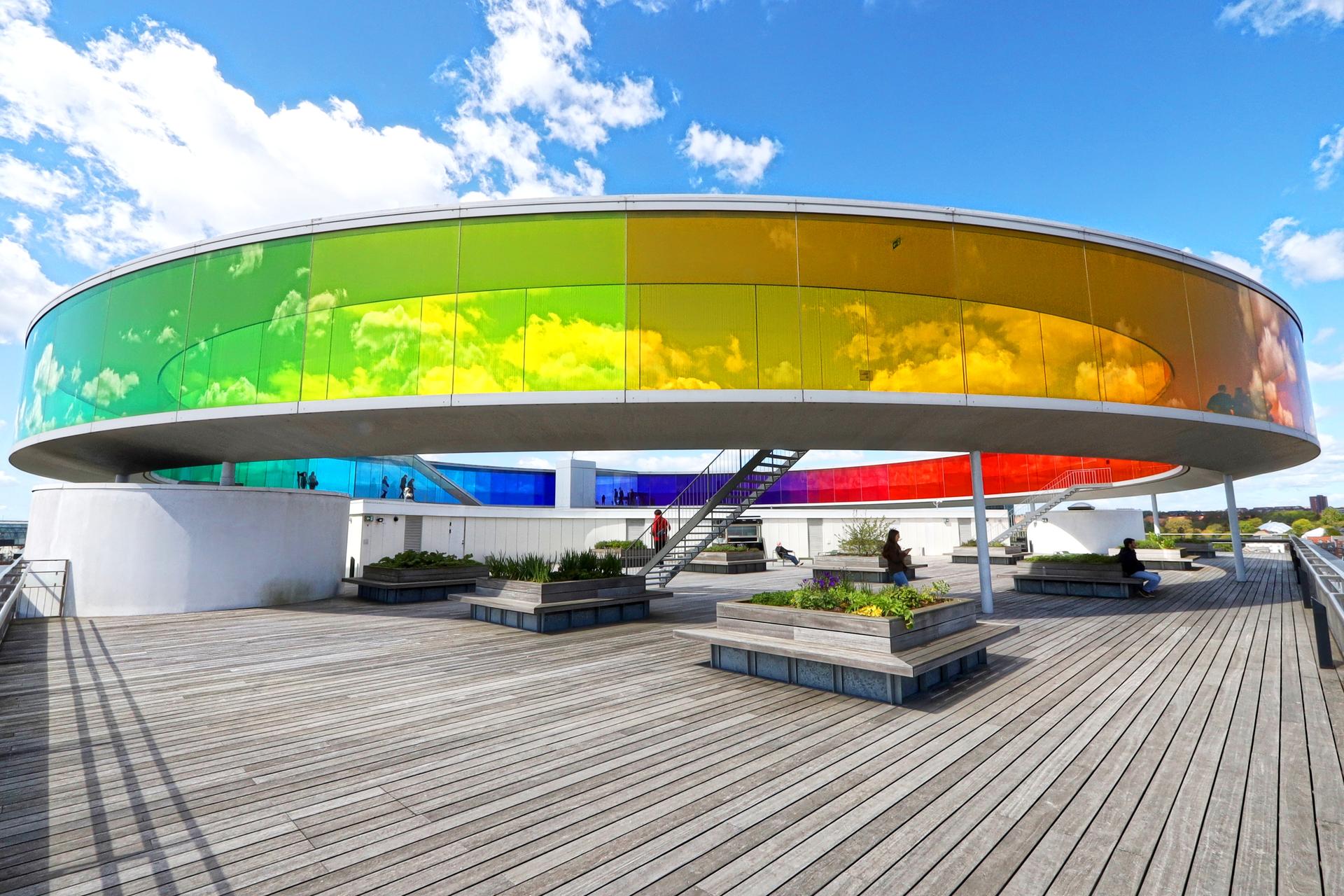
Looking beyond Møllestien? Discover East Jutland for broader travel guides, local hot-spots, and regional highlights.
Explore East Jutland