

Mølleparken, Aarhus Travel Guide
Free Guide: Compact yet characterful, Mølleparken is Aarhus’ riverside green room, blending mill-town history, public art, student life and festival energy in one urban pocket.


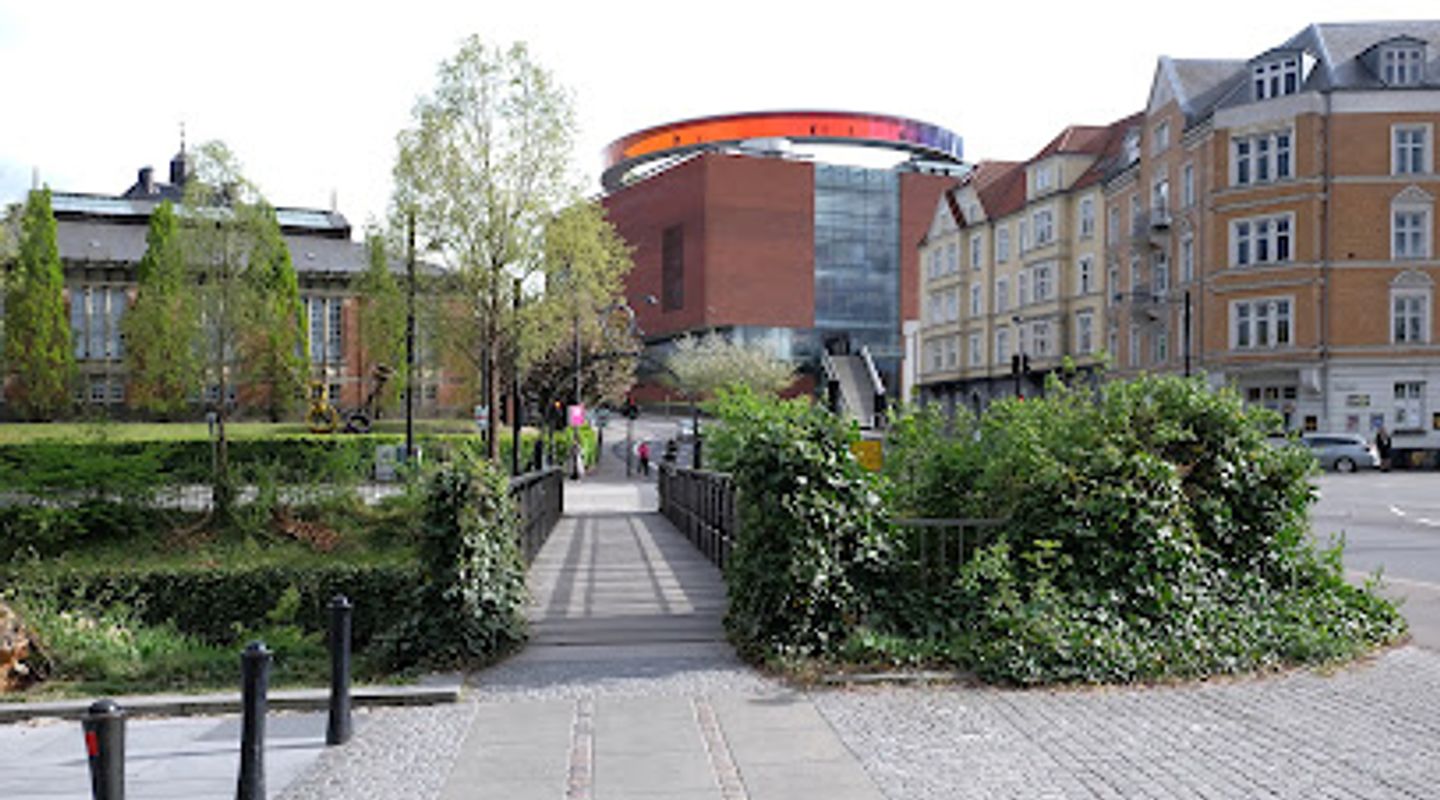
A brief summary of Mølleparken
Compact yet characterful, Mølleparken is Aarhus’ riverside green room, blending mill-town history, public art, student life and festival energy in one urban pocket.
Tucked along the Aarhus River between ARoS Art Museum and the historic Latin Quarter, Mølleparken is a central green pocket where city life slows down. Once home to the city’s water mills, this compact urban park now blends lawns, old trees and contemporary sculptures with sports facilities, board-game tables and riverside seating. By day it’s a relaxed hangout for students, locals and families; on summer evenings it can transform into a lively concert setting during Aarhus Festuge.
On-site amenities
 Restrooms
 Seating areas
 Trash bins
 Information boards
 Drink options
 Food options
Opening hours
- Every dayOpen 24 hours
Opening hours as listed on the venue’s Google Business Profile. Hours can change for services and special events, so check with the venue before you go.
- Address
- Møllegade 1, 8000 Aarhus
- Website
Getting there
City bus
Light rail and walk
Bicycle
Car and parking
Discover more about Mølleparken
From Royal Mill Yard to Urban Green Room
Mølleparken’s story begins with water and work. For centuries this patch by the Aarhus River was occupied by the city’s water mill, first recorded in the late 13th century when it belonged to the Danish crown. For generations the mill clattered away at the edge of town, surrounded by utility buildings and gardens that slowly grew as the city expanded.The mill was eventually demolished in the early 20th century, and the municipality took over the site. In 1926 the grounds were reshaped as a public park, opening what had been a working industrial compound to everyday strolls and quiet pauses. The name, “The Mill Park,” is one of the few reminders that flour and timber once passed through here instead of picnics and prams.
Green Refuge in the Heart of the City
Today Mølleparken feels like a soft interruption in the hard lines of central Aarhus. Grassy terraces and mature trees step down towards the river, creating pockets of shade and sun where people stretch out with coffee or a book. The steady murmur of water mingles with the distant rumble of buses and bicycles, a reminder that this is very much a city park, not a secluded woodland.Because it sits on a gentle slope, different corners of the park offer subtly different moods: a slightly elevated lawn with views to the ARoS museum’s rooftop rainbow, a cluster of benches facing the river, and more open areas that invite informal ball games or sprawling picnic blankets. Even at busy times you can usually shift a few metres and find your own small patch of grass.
Art, Authors and Playful Details
Mølleparken doubles as an open-air gallery. Along one side, a row of bronze busts of Danish authors forms a quiet literary avenue, a legacy of the years when the main city library opened directly onto the park. Sculptures appear in unexpected places: a sensuous early-20th-century bronze group still anchors the older part of the park, while a kinetic artwork sways and turns with the breeze, catching the light above passing cyclists and pedestrians.In between the art, there are playful touches. Sturdy concrete tables invite impromptu chess, backgammon or checkers matches, and a dedicated panna cage and table-tennis tables draw a casually competitive crowd. These elements give the park an almost courtyard-like intimacy, as if the city has set out games and art for whoever happens to wander through.
Festival Stage and Everyday Hangout
For most of the year Mølleparken is about unstructured time: students revising on the grass, office workers unwrapping sandwiches at lunch, children chasing each other under the copper beech. The park’s central location makes it a natural meeting point, and small groups ebb and flow through the day as people drift between the riverfront, the Latin Quarter and nearby museums.Once a year, in late summer, the atmosphere shifts. During Aarhus Festuge, Mølleparken serves as a compact outdoor venue, with temporary stages, sound checks and evening concerts folding into the usual greenery. The trees and surrounding facades help contain the sound, turning the park into a kind of leafy amphitheatre where emerging bands and experimental acts can feel surprisingly close.
Riverside Axis Between Culture Hubs
What makes Mølleparken particularly appealing is how it connects different sides of Aarhus. On one edge lies the ARoS Art Museum and modern cultural quarter; on the other, cobbled streets lead into the Latin Quarter’s cafés and small shops. The park acts as a hinge between these worlds, part of a wider pedestrian route that follows the reopened river through the city centre.For visitors, that means you can easily weave Mølleparken into a broader day out: a morning with contemporary art, a quiet pause in the grass, then a short walk to half-timbered lanes and evening drinks. It rarely demands a long visit, but it rewards those who linger with a gentle sense of how Aarhus lives, studies and relaxes outdoors.
Evendo Review Centre
 Google
Guest reviews
Best time to go
Quietest: Jan, Feb & Mar · before 7am
Busy times are Evendo estimates for a typical year, to help you plan. Actual crowds vary with events, school holidays and the weather.
Explore Mølleparken on the map
A handpicked selection of must-see spots near Mølleparken, mapped for you.
Get your free copy of our complete guide to Mølleparken, delivered straight to you.
Everything on this page, from opening hours and how to get there to Eve’s tips and the best time to go, in one PDF you can read offline, print or share.
Already have an account? Sign in
Your Mølleparken guide is ready.
We'll send it to · Not you? Sign out

Getting your guide ready…
We are putting together a fresh copy of the Mølleparken guide. This can take up to a minute.
This can take a few moments. If your browser asks, choose Allow so the download can start. You'll find the guide in your Downloads folder.
Nothing happened? Download it again
Sorry, the guide is taking longer than usual. Please try again in a minute, or get it by email instead.
Unlock the best of Mølleparken
Skip-the-line tickets, guided tours with entry, and walking tours of the area, booked in a few clicks.


Other nearby places you may find interesting
The closest places of the same kind, if this one is not quite what you had in mind.
-
-
-
-
-


Swipe for more places
More to explore near Mølleparken

 Best experiences near Mølleparken
 Best hotels near Mølleparken
 Best landmarks near Mølleparken
 Best attractions near Mølleparken
 Best shops near Mølleparken
 Best restaurants near Mølleparken
 Best bars near Mølleparken
Do you manage this location?
Take control to get all the benefits, like improved information, better appearance, and stronger visibility across AI-powered discovery.
Explore more

Explore more of Aarhus
Discover Aarhus, Denmark's second-largest city, where ancient history meets modern culture. Explore historical sites, vibrant arts, and a thriving food scene in the City of Smiles.
Explore Aarhus
Explore more of Denmark
Discover Denmark: A perfect blend of history, modern design, and the cozy concept of hygge. Explore vibrant cities, serene landscapes, and world-class cuisine.
Explore Denmark
