
Store Torv, East Jutland Travel Guide
Medieval marketplace transformed into Aarhus's iconic civic square, where eight centuries of history meet contemporary urban life.
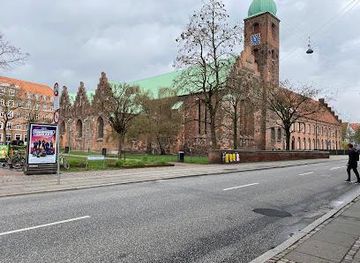
Store Torv is Aarhus's largest and most historic public square, located in the Indre By neighborhood at the heart of the city center. Dominated by the impressive Aarhus Cathedral dating from around 1300, this elongated triangular plaza has served as a marketplace and civic gathering space since approximately 1200. Today it functions as a vibrant pedestrian hub surrounded by shops, restaurants, and historic buildings including the Hotel Royal and the centuries-old Løveapoteket pharmacy. The square connects seamlessly to neighboring plazas and the main shopping street, making it an essential anchor point for exploring central Aarhus.
A brief summary to Store Torv
- Aarhus, Aarhus C, 8000, DK
- Duration: 0.5 to 2 hours
- Free
-
 Outdoor
- Mobile reception: 5 out of 5

Know before you go
Hi, I'm Eve. Here are a few practical things to know before exploring Store Torv.
- Visit early morning or late afternoon to experience the square with fewer crowds and better light for photography, especially if you want to capture the cathedral's architectural details.
- Explore the surrounding pedestrian zone by walking through connecting squares like Lille Torv and Skt. Clemens Torv to discover hidden courtyards, cafés, and independent boutiques in the Latin Quarter.
- Most shops and restaurants in the area operate on a cashless basis, so bring a card rather than relying on cash for transactions.
- Check the event calendar during your visit, as Store Torv frequently hosts seasonal markets, cultural performances, and celebrations that add vibrancy to the square.
Do you manage this location?
Take control to get all the benefits, like improved information, better appearance, and stronger visibility across AI-powered discovery. Learn more about listing your business on Evendo
Activate your presenceOther nearby places you may find interesting
The closest places of the same kind, if this one is not quite what you had in mind.
Explore Store Torv on the Map
A handpicked selection of must-see spots near Store Torv, mapped for you.
Unlock the Best of Store Torv
Buy tickets
-
No tickets available
Book tours with entry

Book tours without entry

Getting There
-
Public Transport from Aarhus Central Station
From Aarhus Central Station, take the pedestrian shopping street Strøget northward toward the cathedral. The walk takes approximately 8–12 minutes depending on pace and stops. Strøget is traffic-free and lined with shops and cafés, making it an enjoyable approach to Store Torv. No ticket required; this is part of the free pedestrian zone.
-
Bus from Surrounding Districts
Multiple bus routes serve central Aarhus and stop near Store Torv or within the pedestrian zone. Journey times from outer districts typically range from 15–25 minutes depending on origin. Single tickets cost approximately 24–28 DKK (3–4 EUR). Consult local transport maps or the Midttrafik app for specific routes to Aarhus city center.
-
Walking from Aarhus Harbour or Riverfront
From the Aarhus Harbour or Åboulevarden riverfront area, walk inland toward the cathedral spire visible from most central locations. The walk takes 10–15 minutes depending on starting point. The route passes through pleasant pedestrian areas and offers views of the river before arriving at the square.
-
Cycling via Bike Lanes
Aarhus has extensive bike infrastructure. Cycle toward the city center using designated bike lanes; Store Torv is accessible via the pedestrian zone, where bikes must be walked. Bike parking is available near the square. Journey times from residential areas typically range from 5–15 minutes depending on distance.
For the on-the-go comforts that matter to you
-
 Restrooms
-
 Drink Options
-
 Food Options
-
 Seating Areas
-
 Information Boards
Discover more about Store Torv
A Square Born from Cathedral Ambitions
Store Torv emerged around 1200 in connection with the construction of Aarhus Cathedral, evolving from a simple street called Torvegaden (The Square-street) that connected Immervad to the cathedral through what is now Lille Torv. Originally, a medieval city gate called Borgporten separated Store Torv from Lille Torv, complete with a tower where city watchmen kept vigil at night. This barrier remained until 1685, when it was demolished to improve traffic flow between the two squares, unifying them into the connected plaza system visitors experience today.Markets, Punishments, and Public Life
In medieval times, Store Torv served multiple civic functions simultaneously. The square hosted the cathedral of the Diocese of Aarhus and the City Hall, making it the administrative and spiritual center of the town. Markets flourished here after the Danish king established formal rules governing when and how they could be held, with vendors selling vegetables, fruit, horses, and cattle. Beyond commerce, the square witnessed public punishments including whipping, stocks, and executions by hanging—a grim necessity given the jailhouse located beneath the city hall. Around 1600, executions were relocated to Galgebakken (Gallows-hill) outside town, allowing the square to focus on its more celebratory role hosting official festivities such as the king's birthday and New Year's Eve.Architectural Landmarks and Historic Continuity
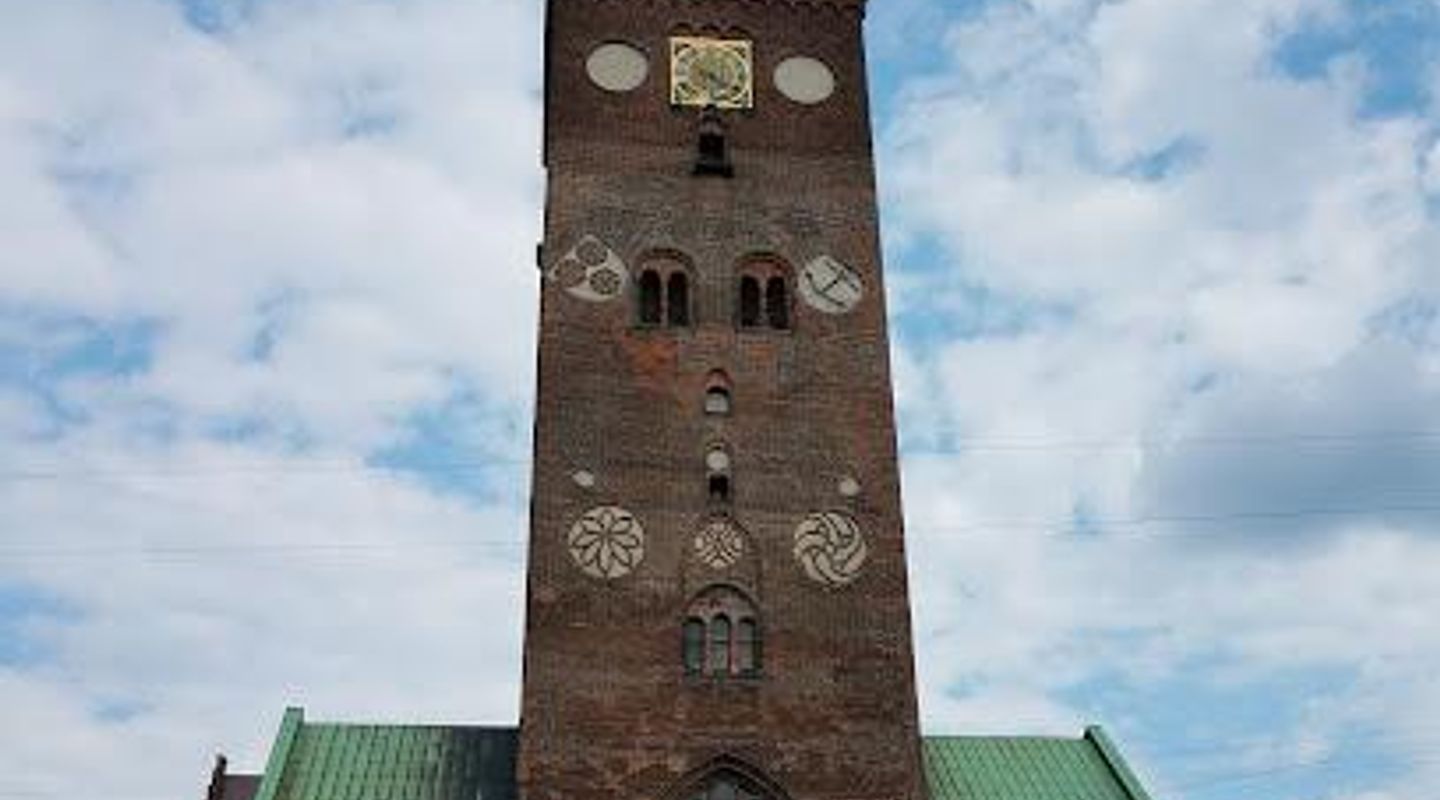
The square's visual identity is dominated by Aarhus Cathedral, an imposing structure dating from approximately 1300 that remains the most striking feature of the plaza. The Hotel Royal, constructed in 1838, stands as one of the oldest and most storied hotels in the city, representing the square's evolution into a center of hospitality and commerce. The pharmacy Løveapoteket has occupied its present location since 1710, making it one of Denmark's longest-established businesses. These buildings, along with numerous others surrounding the plaza, create a layered architectural narrative spanning centuries of urban development.The Modern Pedestrian Heart
Today, Store Torv functions as part of Aarhus's extensive pedestrian zone in the inner city, serving as a crucial junction connecting to Lille Torv, Skt. Clemens Torv, Bispetorv, and Domkirketorvet. The square remains vibrant with shops, restaurants, and bars, drawing both locals and visitors throughout the day. Its position at the northern terminus of Strøget, the city's main shopping street, reinforces its role as a central gathering point. The plaza frequently hosts cultural events and seasonal activities, maintaining the tradition of public assembly that has defined the space for over eight centuries.












Your all‑in‑one travel companion app
Explore expert travel guides, compare and book tours, experiences, hotels, and more—all from the palm of your hand. Download now for seamless trip planning wherever your wanderlust takes you.


Explore More of East Jutland
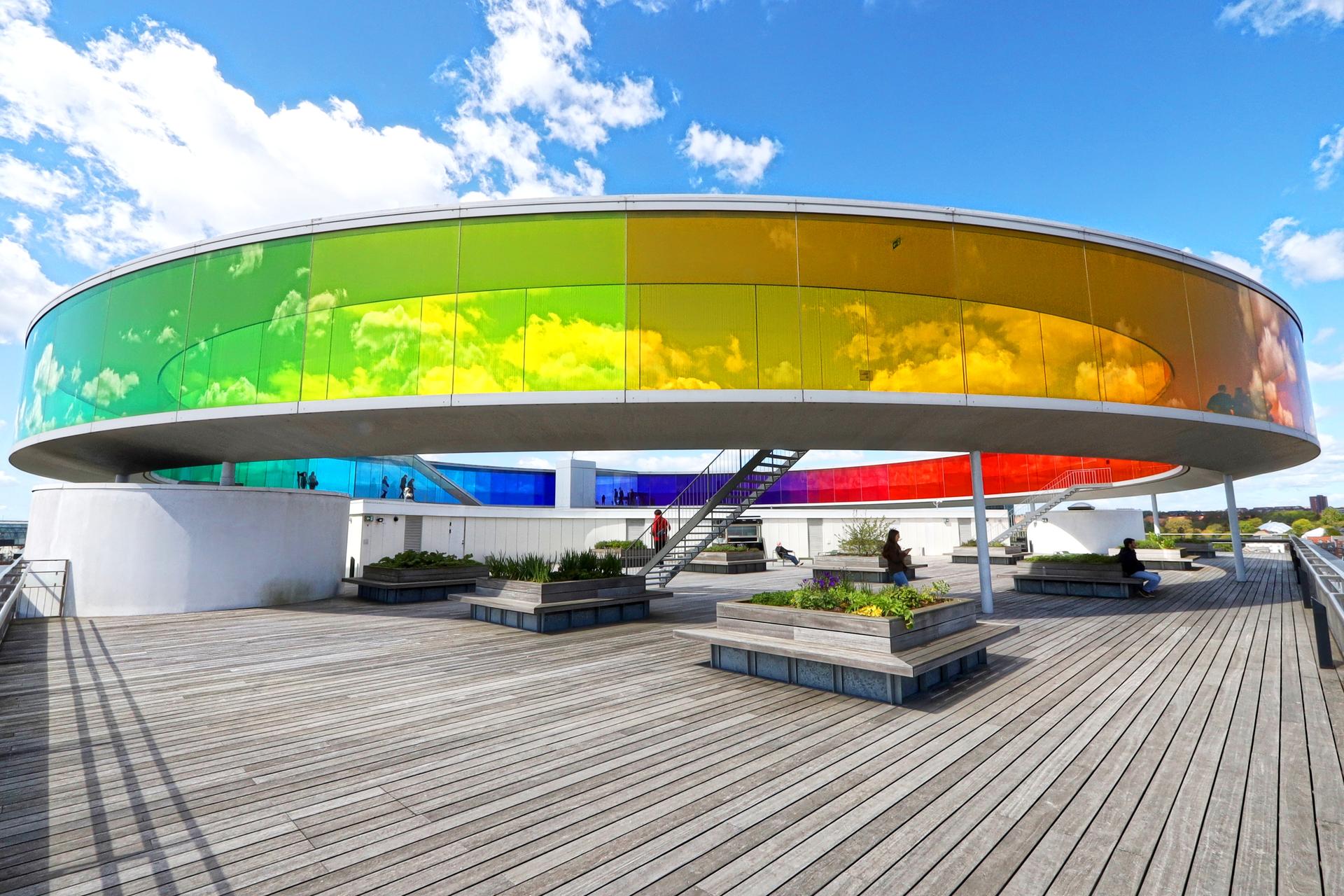
Looking beyond Store Torv? Discover East Jutland for broader travel guides, local hot-spots, and regional highlights.
Explore East Jutland