
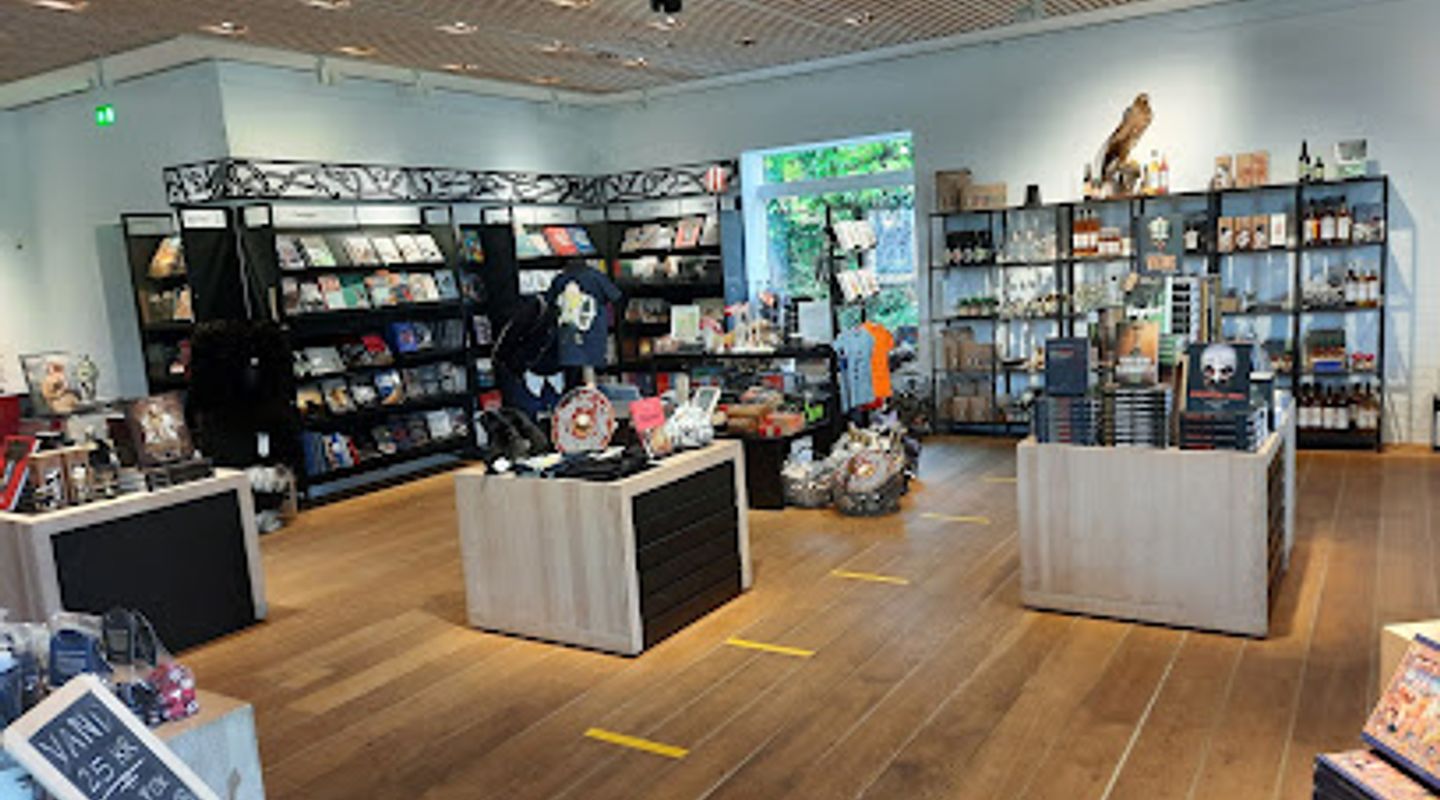
Kongernes Jelling, Southern Jutland Travel Guide
Stand where Denmark was first named and the Viking kings reshaped faith and power, at a UNESCO-listed monument complex with a bold, interactive museum.
Kongernes Jelling in the town of Jelling is a striking blend of cutting-edge museum and thousand‑year‑old Viking heritage. Set within a large UNESCO World Heritage monument area, it interprets the famous Jelling runestones, royal burial mounds, palisade and church where Denmark was first named and Christianity proclaimed. Inside the sleek experience center, interactive exhibitions, soundscapes and hands‑on installations bring the stories of Gorm the Old, Queen Thyra and Harald Bluetooth vividly to life for visitors of all ages.
A brief summary to Kongernes Jelling
- Gormsgade 23, Jelling, 7300, DK
- Click to display
- Click to display
- Duration: 1.5 to 4 hours
- Mid ranged
-
 Mixed
Mixed
- Mobile reception: 5 out of 5
- Monday 10 am-5 pm
- Tuesday 10 am-5 pm
- Wednesday 10 am-5 pm
- Thursday 10 am-5 pm
- Friday 10 am-5 pm
- Saturday 10 am-5 pm
- Sunday 10 am-5 pm

Know before you go
Hi, I'm Eve. Here are a few practical things to know before exploring Kongernes Jelling.
- Combine a walk around the outdoor mounds, church and runestones with an indoor visit; the monument area is always open, but the museum has fixed hours and a paid entrance for adults.
- Plan at least 2–3 hours if you enjoy reading details and using interactive displays; families with children often appreciate even longer to explore at a relaxed pace.
- Dress for wind and changing weather; much of the UNESCO area is exposed, and climbing the mounds or lingering by the markers is more enjoyable with an extra layer.
- Look for upper-level or rooftop viewpoints in the museum to understand how the palisade, ship setting and mounds aligned in the Viking Age landscape.
- Check for temporary exhibitions and guided tours, especially in school holidays, for deeper insight into the runestones, royal family and recent archaeological discoveries.
Do you manage this location?
Take control to get all the benefits, like improved information, better appearance, and stronger visibility across AI-powered discovery. Learn more about listing your business on Evendo
Activate your presenceOther nearby places you may find interesting
The closest places of the same kind, if this one is not quite what you had in mind.

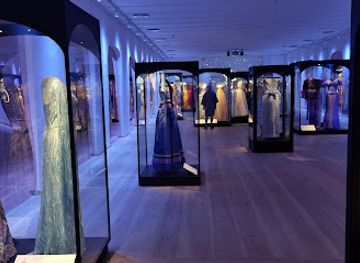
Explore Kongernes Jelling on the Map
A handpicked selection of must-see spots near Kongernes Jelling, mapped for you.
Getting There
-
Regional train plus short walk
From Vejle, take a regional train toward Herning or Struer and get off at Jelling Station; the ride usually takes 12–20 minutes with departures roughly twice per hour in daytime. From the station it is an easy, mostly level walk of around 10 minutes through the village streets to the museum and monument area, suitable for wheelchairs and strollers. A standard adult single ticket on this route typically costs about 30–50 DKK depending on fare type and time of purchase.
-
Bus from Vejle or nearby towns
Several local bus routes link Vejle with Jelling in roughly 25–40 minutes, stopping in the center of Jelling a short, level walk from Kongernes Jelling. Buses run less frequently than trains, especially in evenings and on weekends, so it is wise to check the timetable in advance. Expect an adult single bus fare in the region of 25–40 DKK, usually payable by contactless card, travel card or mobile ticket.
-
Car from Vejle and central Jutland
Driving from Vejle to Jelling typically takes 20–25 minutes via main regional roads through gentle countryside. The roads are paved and straightforward, and signage for Jelling is clear. Free public parking is available near the monument area and museum, but spaces can fill on busy school-holiday days and during special events, so allow extra time to park and walk a few minutes to the entrance.
-
Cycling from Jelling and surroundings
If you are staying in or near Jelling, cycling to Kongernes Jelling is simple: the site lies within the village, and local roads are generally flat with Danish-style cycle infrastructure on many stretches. Travel time from most guesthouses or campsites in and around Jelling is 5–20 minutes by bike. Surfaces are paved, but winter conditions or strong winds can make the ride feel more demanding, so check the weather before setting out.
For the on-the-go comforts that matter to you
-
 Restrooms
-
 Drink Options
-
 Food Options
-
 Seating Areas
-
 Picnic Areas
-
 Trash Bins
-
 Information Boards
-
 Visitor Center
Discover more about Kongernes Jelling
Where the Danish kingdom was first named
Kongernes Jelling stands at the heart of one of Northern Europe’s most important Viking sites, where power, faith and identity were carved into stone more than a thousand years ago. Here, King Gorm the Old raised a runestone that contains the earliest known mention of the name “Denmark”, while his son Harald Bluetooth proclaimed on a larger stone that he had made the Danes Christian. These two stones, modest in size but monumental in meaning, are preserved just outside the museum beside the whitewashed Jelling Church.The museum is built right next to this sacred cluster of stones, church and mounds, so that every window and rooftop view reconnects you with the landscape that shaped early Danish history. Rather than simply displaying artifacts, Kongernes Jelling weaves a narrative about royal ambition, religious change and the building of a kingdom that still echoes in Denmark’s monarchy today.Viking monuments written into the landscape
Step outside the experience center and you enter the Monument Area, a broad grassy expanse where the Viking Age footprint has been traced and emphasized in striking contemporary ways. Two huge burial mounds, one to the north and one to the south, rise above the surroundings, their smooth slopes hinting at the labor and ceremony that went into their construction. Between and around them, rows of low white posts and tiles mark the outline of Harald Bluetooth’s enormous palisade – the largest known construction from the Viking Age.Closer to the church, the runestones stand within protective glass cases, their weathered surfaces covered in runic inscriptions and animal ornament. Modern pathways and viewing platforms help you read the landscape from different angles, revealing the ship-shaped stone setting and the sheer scale of the palisaded enclosure. Day or evening, the open monument area invites slow wandering, contemplation and classic Danish skies sweeping over a thousand years of history.Immersive storytelling in the experience center
Inside Kongernes Jelling, the story of the Viking kings unfolds through bold design and interactive exhibits. Instead of long text panels, you find glowing installations, models, projections and sound that respond when you touch or move through the space. Children can decode runes, try on virtual gear, or follow animated characters through daily life in a longhouse, while adults trace dynastic lines and political intrigue from Gorm and Thyra to modern monarchs.Sections of the exhibition explore shipbuilding, warfare, trade routes and the gradual shift from Norse beliefs to Christianity. Audio elements recreate the atmosphere of a chieftain’s hall or a wooden church, while scale models show how the Jelling complex evolved over time. A rooftop terrace or upper galleries (depending on exhibition layout) offer elevated views back across the mounds and church, underlining how closely the museum narrative is tied to the terrain outside.UNESCO recognition and modern design
Jelling was Denmark’s first entry on the UNESCO World Heritage List, recognized for its exceptional testimony to the Viking Age and the formation of the Danish state. Kongernes Jelling translates that significance into a visitor experience that feels both scholarly and playful. The building itself is contemporary and light-filled, with clean Scandinavian lines that contrast yet harmonize with the ancient stones and earthworks around it.Throughout the site, careful interpretation balances archaeological detail with accessible storytelling. White concrete markers in the grass, subtle lighting after dark and thoughtfully placed seating areas all help you grasp the immensity of the original complex without reconstructing it. Indoors, temporary exhibitions, family activities and seasonal events add new layers to the core Viking narrative.A family-friendly window into Viking life
Kongernes Jelling is designed with families and mixed-age groups in mind. Many displays are hands-on or multi-sensory, and there is space for school classes, workshops and talks. A café in the museum serves drinks, cakes and light meals in season, giving you a chance to pause between exploring the outdoor monuments and diving back into the exhibition.The museum is fully wheelchair accessible, with lifts and level access throughout the main exhibition areas. Service dogs are welcome inside, and there is good information on accessibility and companion arrangements. Combined with clear signage, restrooms and seating indoors and out, this makes Jelling a comfortable stop whether you are on a short cultural detour or a deeper journey through Denmark’s Viking heartland.Planning your time among kings and runestones
The experience center normally operates with separate seasonal hours and an admission fee for adults, while the surrounding monument landscape remains open at all times. Many visitors split their time between walking the mounds and rune area and spending a focused session inside the museum. With its compact size, quiet village setting and mix of indoor and outdoor spaces, Kongernes Jelling lends itself equally well to a brisk historical overview or a half-day immersion in the stories of Gorm, Thyra and Harald.Whether you come for the UNESCO pedigree, the runes that named Denmark, or simply the chance to stand where Viking kings once ruled, this site offers a rare combination of tangible archaeology and thoughtfully crafted interpretation in one cohesive place.












Your all‑in‑one travel companion app
Explore expert travel guides, compare and book tours, experiences, hotels, and more—all from the palm of your hand. Download now for seamless trip planning wherever your wanderlust takes you.


Explore More of Southern Jutland
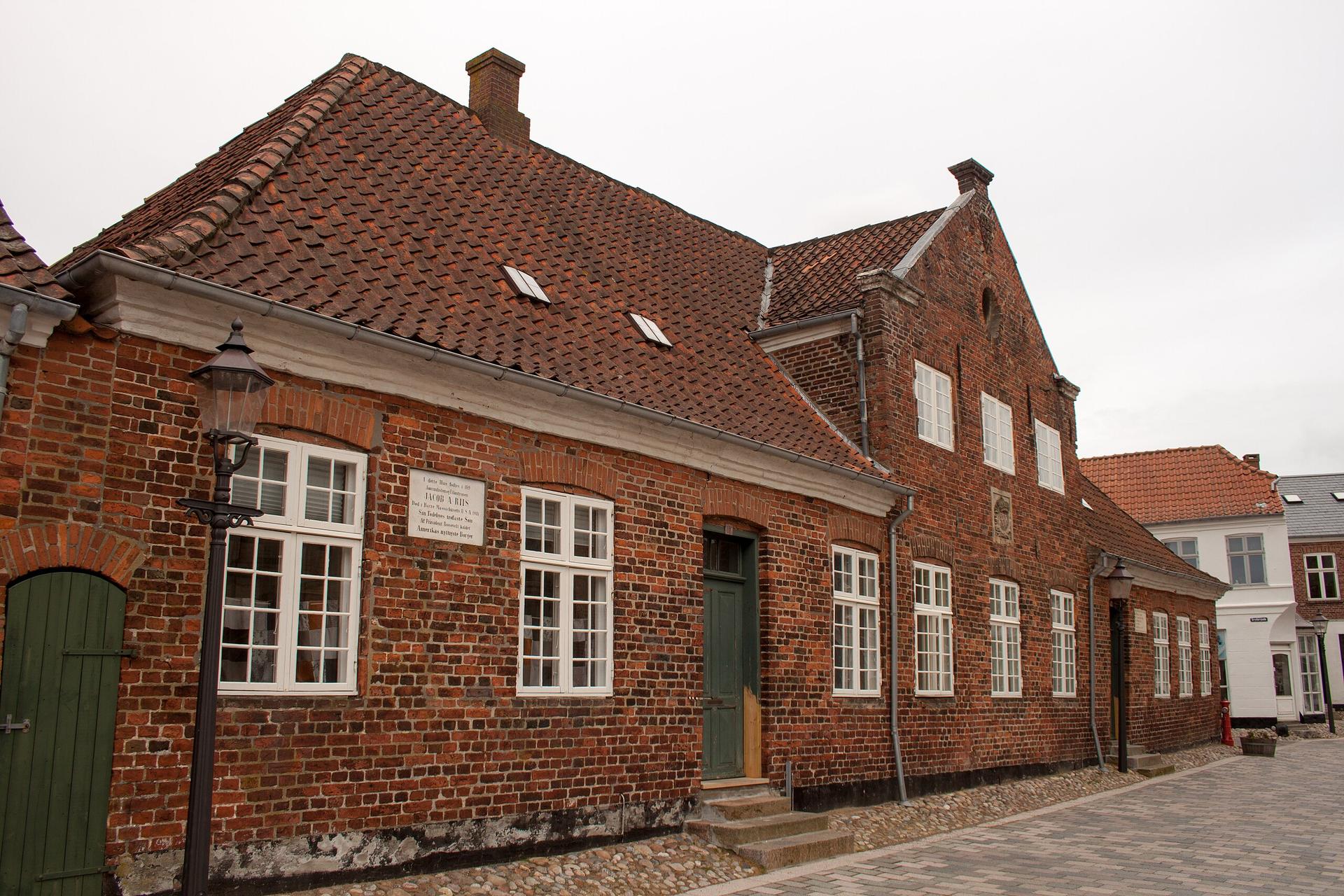
Looking beyond Kongernes Jelling? Discover Southern Jutland for broader travel guides, local hot-spots, and regional highlights.
Explore Southern Jutland