Brunnen Rathaus, Vejle Travel Guide
Free Guide: A modest ground-level fountain on Vejle’s main square, Brunnen Rathaus adds playful water, reflections and sound to the neo‑Gothic backdrop of the town hall.


A brief summary of Brunnen Rathaus
A modest ground-level fountain on Vejle’s main square, Brunnen Rathaus adds playful water, reflections and sound to the neo‑Gothic backdrop of the town hall.
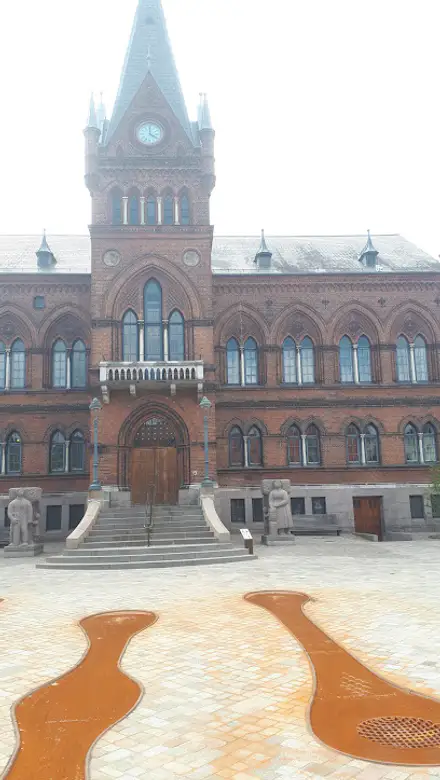
Set into the cobbles of Rådhustorvet in the heart of Vejle, Brunnen Rathaus is a low, ground-level fountain that quietly animates the square in front of the city’s neo‑Gothic town hall. Thin jets of water rise directly from the pavement in playful patterns, inviting children to dart between them and offering a refreshing shimmer on warm days. Surrounded by shops, cafes and historic architecture, it is less a standalone sight than a small, characterful feature that adds movement, sound and a hint of surprise to Vejle’s compact pedestrian centre.
On-site amenities
 Restrooms
 Drink options
 Drinking water
 Food options
 Seating areas
 Trash bins
 Information boards
Opening hours
- Every dayOpen 24 hours
Opening hours as listed on the venue’s Google Business Profile. Hours can change for services and special events, so check with the venue before you go.
- Address
- Rådhustorvet 1, 7100 Vejle
Getting there
Train and short walk from Vejle Station
Local city bus to Vejle centre
Car travel and parking in Vejle centre
Discover more about Brunnen Rathaus
A discreet fountain at the heart of Vejle
Brunnen Rathaus is an understated water feature laid directly into the stone surface of Rådhustorvet, the main square in front of Vejle’s town hall. Rather than a traditional sculptural basin, you find a flat expanse of paving where slim nozzles send narrow jets of water straight up from the ground. When the fountain is running, the square suddenly feels animated; when it is dry, only small grates and circles hint that this is more than an ordinary patch of cobbles.The fountain sits in the middle of the pedestrianised old town, surrounded by low-rise facades that reflect Vejle’s evolution from medieval market town to modern commercial centre. It works as a focal point where people naturally slow down, meet, sit on nearby benches or simply pause with a takeaway coffee to watch the water play against the stone surface.
Framing the neo‑Gothic town hall
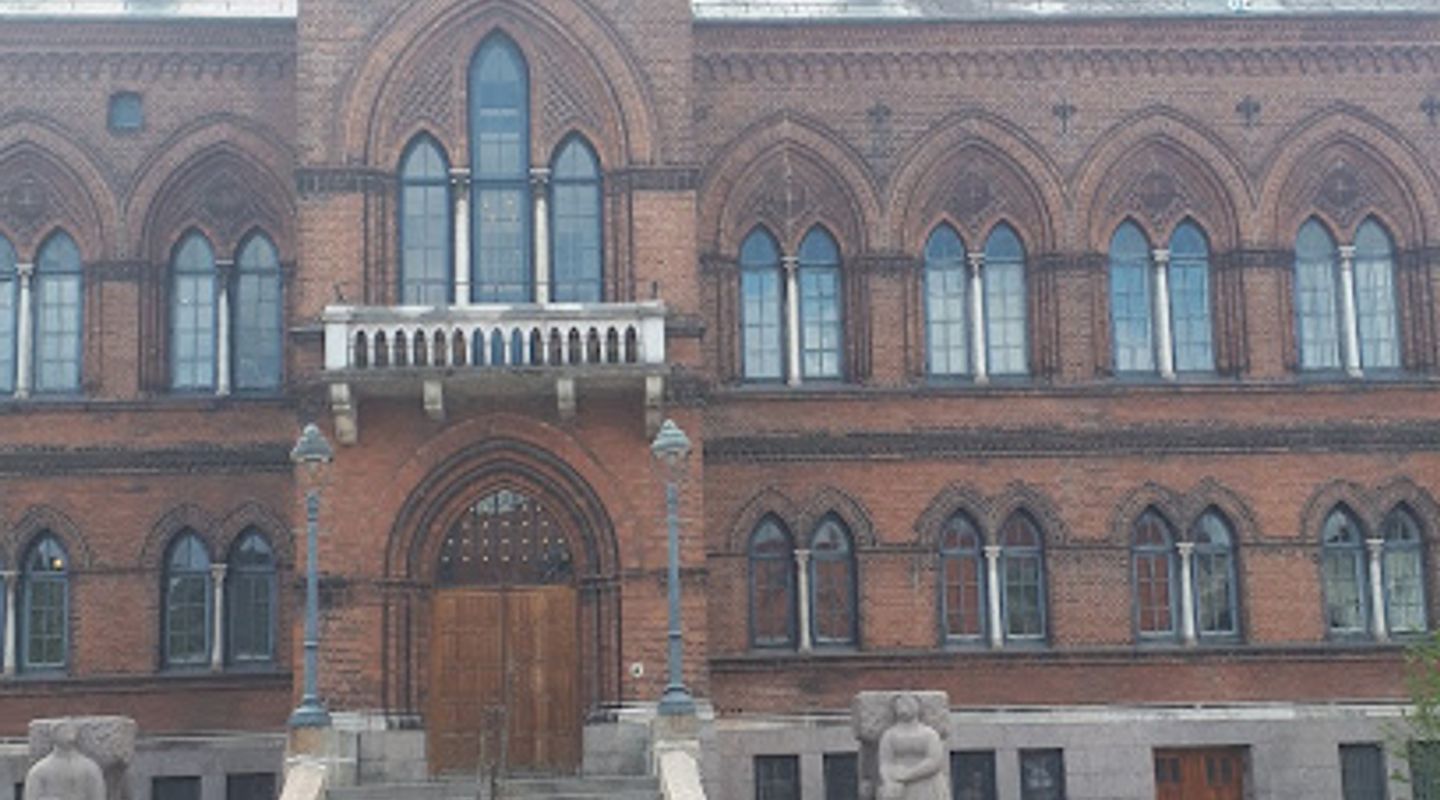
Directly behind the fountain rises Vejle Rådhus, the fourth town hall on or near this site, built in the late 19th century in a striking neo‑Gothic style of red brick and decorative gables. The pointed windows, tower-like projections and ornate detailing give the square a ceremonial backdrop, and the flat, contemporary character of Brunnen Rathaus offers a deliberate contrast.Historically, this area was once home to a Dominican monastery before later town halls replaced it. Today the modest fountain provides a light, playful element in front of the more formal civic building, softening the architecture with reflections and the quiet sound of running water, especially noticeable in the calmer hours of the morning or evening.
Everyday life around the water jets
In summer, Brunnen Rathaus becomes a small stage for everyday scenes. Children often treat the ground jets as an impromptu splash pad, timing their steps to avoid – or deliberately meet – the rising water. Adults tend to skirt the wettest patches, cutting diagonally across the square on their way between shops, cafes and nearby cultural venues.Because the nozzles are flush with the pavement, the square remains fully usable when the fountain is switched off, which is especially practical in cooler months or during events on Rådhustorvet. The soundscape shifts with the season: on warm days, the hiss and patter of water mingle with footsteps and conversation; on quieter winter afternoons, the space feels more like a traditional civic square.
Light, reflections and changing moods
Part of Brunnen Rathaus’s charm is how it responds to changing light and weather. On bright days, the jets catch the sun and create fine sprays and fleeting rainbows, while shallow puddles mirror the spires and brickwork of the town hall above. After rain, even when the installation is off, the slightly different textures of the fountain’s paving remain visible, hinting at its dual function.At dusk, when the town centre’s lamps come on and windows around the square glow, the fountain area can feel surprisingly intimate despite its central location. The combination of water, brick architecture and passing bicycles gives a distinctly Danish small‑city atmosphere: lived‑in, human‑scaled, never grandiose yet quietly appealing for an unhurried pause.
Part of a wider Vejle city stroll
Brunnen Rathaus rarely warrants a trip on its own, but it fits naturally into a wider exploration of Vejle’s compact centre. Within a short stroll you can see the town hall facade up close, wander the pedestrian streets, and connect with other small urban features such as sculptures, canals and additional fountains dotted through the old town.For travelers, this spot works best as a pleasant waypoint: somewhere to orient yourself, take photographs of the town hall across the water, or simply sit and observe the rhythms of local life. In that sense, Brunnen Rathaus captures something essential about Vejle itself – modest, practical, but with small, thoughtful details that reveal themselves if you are willing to slow down and look closely.
Evendo Review Centre
 Google
Guest reviews
Best time to go
Quietest: Jan, Feb & Mar · before 7am or from 10pm
Busy times are Evendo estimates for a typical year, to help you plan. Actual crowds vary with events, school holidays and the weather.
Explore Brunnen Rathaus on the map
A handpicked selection of must-see spots near Brunnen Rathaus, mapped for you.
Get your free copy of our complete guide to Brunnen Rathaus, delivered straight to you.
Everything on this page, from opening hours and how to get there to Eve’s tips and the best time to go, in one PDF you can read offline, print or share.
Already have an account? Sign in
Your Brunnen Rathaus guide is ready.
We'll send it to · Not you? Sign out

Getting your guide ready…
We are putting together a fresh copy of the Brunnen Rathaus guide. This can take up to a minute.
This can take a few moments. If your browser asks, choose Allow so the download can start. You'll find the guide in your Downloads folder.
Nothing happened? Download it again
Sorry, the guide is taking longer than usual. Please try again in a minute, or get it by email instead.
Other nearby places you may find interesting
The closest places of the same kind, if this one is not quite what you had in mind.
-
-
-
-
-


Swipe for more places
More to explore near Brunnen Rathaus

 Best experiences near Brunnen Rathaus
 Best hotels near Brunnen Rathaus
 Best landmarks near Brunnen Rathaus
 Best attractions near Brunnen Rathaus
 Best shops near Brunnen Rathaus
 Best restaurants near Brunnen Rathaus
 Best bars near Brunnen Rathaus
Do you manage this location?
Take control to get all the benefits, like improved information, better appearance, and stronger visibility across AI-powered discovery.
Explore more

Explore more of Vejle
Discover Vejle, Denmark's hidden gem, where natural beauty meets vibrant urban life. Explore historic sites, enjoy outdoor adventures, and savor delicious Danish cuisine.
Explore Vejle
Explore more of Denmark
Discover Denmark: A perfect blend of history, modern design, and the cozy concept of hygge. Explore vibrant cities, serene landscapes, and world-class cuisine.
Explore Denmark