

Free Southern Jutland Travel Guide & Mobile App
Explore Southern Jutland with free travel guides. Discover regional history, expert tips, proposed trips, and audio guides on web or mobile app.


Explore Southern Jutland for Wadden Sea islands, historic border towns, fjords, battlefield heritage, local food and distinctive Danish-German culture.
Read more about Southern Jutland
When is the best time to visit Southern Jutland?
Best: June–August · 20–22°C| Month | High (°C) | Rainfall (mm) |
|---|---|---|
| January | 5 | 50 |
| February | 5 | 40 |
| March | 7 | 45 |
| April | 12 | 40 |
| May | 17 | 50 |
| June (best) | 20 | 60 |
| July (best) | 22 | 70 |
| August (best) | 22 | 70 |
| September | 18 | 60 |
| October | 13 | 60 |
| November | 8 | 60 |
| December | 5 | 60 |
Getting to and around Southern Jutland
How to get there
Transportation
Top city travel guides in Southern Jutland
The cities of Southern Jutland, and the easiest places to base yourself.
-

-

-

-

-


Swipe for more cities
Destinations in Southern Jutland
Resorts, valleys and scenic spots worth a trip of their own.
-

-

-

-


Swipe for more destinations
Best attractions in Southern Jutland
Southern Jutland’s attractions range from protected coastal nature to museums and historic townscapes. The Wadden Sea National Park is the region’s defining natural environment, offering tidal landscapes, migratory bird habitats, seal excursions and access to Rømø and Mandø, although several activities depend closely on tide and weather. Rømø adds a broad sandy beach and maritime island culture, while inland Tønder provides a base for exploring the marshes and the region’s craft traditions. In the east, Sønderborg Castle, Dybbøl Banke and the Historic Centre at Dybbøl explain the political and military history of the Schleswig borderland. Haderslev Cathedral and the old town, Aabenraa’s waterfront setting and historic streets, and manor houses such as Gram Slot broaden the architectural picture. Frøslev Prison Camp offers a serious and carefully presented account of the Second World War. Cycling, kayaking, bird watching and walking are especially rewarding, but the landscape is not uniformly accessible: tidal flats require expert guidance, and rural attractions are often separated by substantial distances.
-
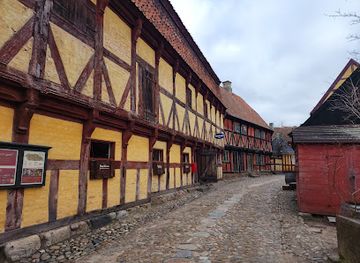
History museum
The Old Town
Step through five centuries of Danish life in this immersive open-air museum of reconstructed historic buildings.
-
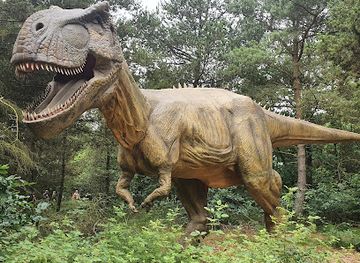
Zoo
Givskud Zoo Zootopia
Drive your own safari, meet Denmark’s only gorillas and wander through a life‑size dinosaur forest in this expansive, conservation‑minded wildlife park near Give.
-
Zoo
Randers Regnskov
Step into a steamy rainforest of free‑ranging animals, roaring waterfalls and time‑travel landscapes at Randers Regnskov, Denmark’s immersive tropical zoo experience.
-
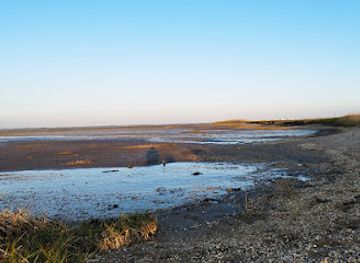
National park
Wadden Sea National Park
Denmark’s largest national park and a UNESCO-listed tidal wilderness, where vast mudflats, islands and marshes host millions of birds, seals and endless sky.

Best landmarks in Southern Jutland
Sønderborg Castle is one of Southern Jutland’s most recognisable buildings, occupying a strategic position beside Als Sound and reflecting the region’s medieval, ducal and national history. Nearby Dybbøl Banke is a landmark landscape as much as a museum site: its ridges, memorials and reconstructed fortifications mark the decisive 1864 fighting and the later reshaping of the Danish-German border. Haderslev Cathedral gives the old town a powerful medieval centre, with its brick architecture characteristic of the wider Baltic and Schleswig region. In the west, Tønder’s historic merchant houses and church tower express the prosperity created by trade across the marshes, while Ribe’s cathedral and old streets preserve one of Denmark’s most important historic urban environments at the northern edge of the broader southern Jutland area. The broad beach and dunes of Rømø are a natural landmark, contrasting with the Wadden Sea’s tidal flats and salt marshes. Frøslev Prison Camp is a more recent but equally significant landmark, preserving a physical setting associated with occupation, imprisonment and Danish wartime memory.
-
Historical landmark
Jelling Mounds, Runic Stones and Church
Viking royal mounds, runestones and a whitewashed church meet in a quiet Danish village that still tells the story of how Denmark became a Christian kingdom.
-
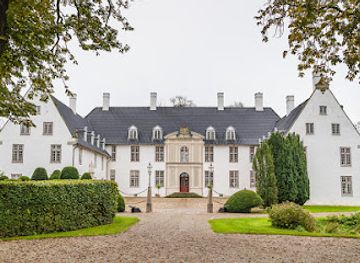
Tourist attraction
Schackenborg Castle
Baroque splendor and timeless beauty in Denmark's most picturesque village street.
-
Tourist attraction
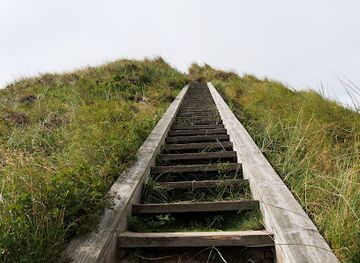
Spidsbjerg Rømø
Denmark's most beautiful dune-top vista, where modest elevation meets boundless North Sea horizons.

Explore Southern Jutland on the map
Plan your trip on one map. See where the top cities, national parks and sights are, and book hotels and experiences in a few clicks.
Best hotels in Southern Jutland
Best restaurants in Southern Jutland
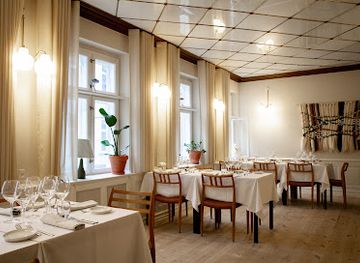
Southern Jutland’s food culture reflects farming, coastal resources and the region’s Danish-German border history. The best-known local tradition is the sønderjysk kaffebord, an abundant sequence of cakes and breads served with coffee, associated with community gatherings and especially with the southern part of Jutland. Traditional cooking also includes rye bread, dairy produce, pork, sausages and seasonal fish, while coastal towns and the islands provide opportunities to eat locally caught seafood. Solæg, hard-boiled eggs preserved in brine and typically served with mustard and other accompaniments, is another recognised Southern Jutland speciality. Town restaurants in Sønderborg, Aabenraa, Haderslev and Tønder range from cafés and bakeries to contemporary kitchens using regional produce. Rural inns and farm shops are useful places to encounter local ingredients, while markets and food halls vary by town and season. Along the Wadden Sea, menus may incorporate seafood, but the region’s culinary identity is broader than coastal dining alone.
-
Pizza
Ristorante Pizzeria Italia
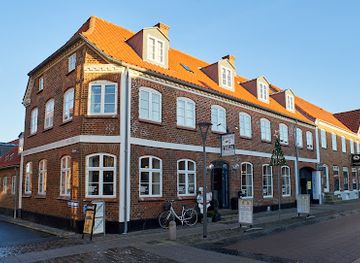
Casual Italian dining and courtyard charm in the historic heart of Ringkøbing, serving wood-fired pizzas, classic pastas and generous set menus all week.
-
Restaurant
Restaurant Remouladen
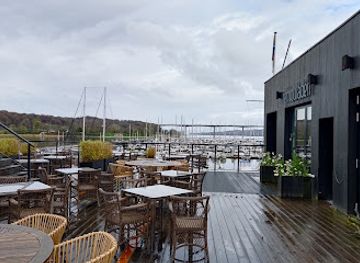
Waterfront Nordic dining where seasonal Danish ingredients meet refined culinary craftsmanship
-
Restaurant
Ribehøj
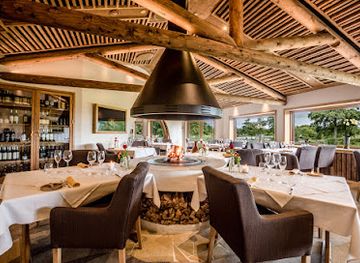
Intimate bio hotel and gourmet restaurant in the Danish countryside, where seasonal gastronomy, quiet spa suites and open fields create a slow, indulgent escape.
-
French
Restaurant ET
Refined French bistro cooking with Danish ingredients, a serious wine cellar and warm service in a cosy 19th‑century courtyard setting near Aarhus harbour.
Best bars in Southern Jutland
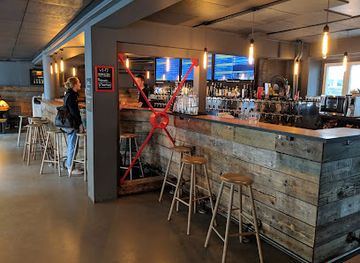
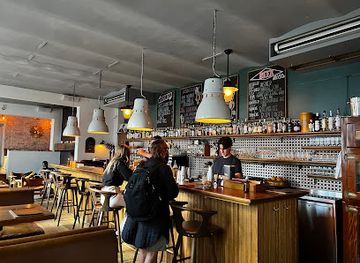
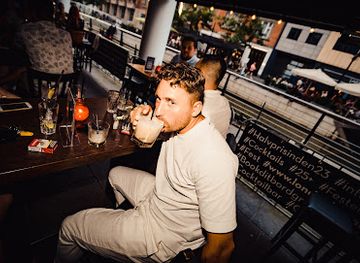
Evening life in Southern Jutland is centred on traditional pubs, cafés, restaurants and community venues rather than a large, concentrated nightclub scene. Sønderborg has the broadest choice of bars and late-evening entertainment, with additional activity in Haderslev, Aabenraa and Tønder, particularly when concerts, town celebrations or seasonal events are taking place. Historic inns and modern bars provide places for local beer, Danish spirits, wine and non-alcoholic drinks, while some restaurants offer a more developed evening programme. Student and live-music activity is more noticeable in the larger towns than in the rural districts. On Rømø and the western coast, nightlife is generally quieter and often seasonal, focusing on holiday-area restaurants, pubs and outdoor events. Visitors should not expect every small town to have late opening venues; local cultural calendars are more useful than assuming a permanent club district.
-
Bar
Taphouse
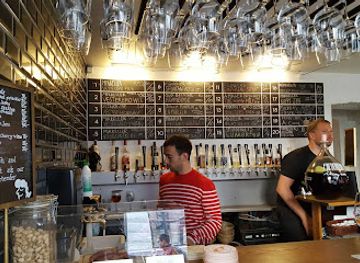
One of Europe’s largest draft beer selections, 61 ever-changing taps and a warm, laid-back bar just behind Copenhagen’s City Hall Square.
-
Bar
Mikkeller Bar
Copenhagen's legendary craft beer cellar where global brewing excellence meets Scandinavian sophistication.
-
Cocktail bar
Ruby
Hidden in a historic canal-side townhouse, Ruby pairs vintage charm with precise, creative cocktails for one of Copenhagen’s most atmospheric nights out.
-
Bar
Lidkoeb
Speakeasy-style cocktail bar hidden in Vesterbro, serving craft drinks across multiple atmospheric floors.

Best nightclubs in Southern Jutland
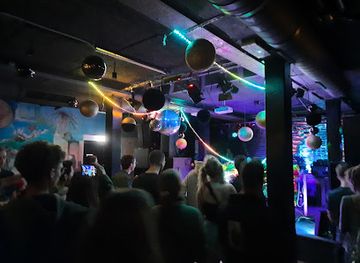
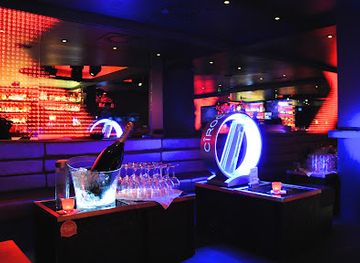
Evening life in Southern Jutland is centred on traditional pubs, cafés, restaurants and community venues rather than a large, concentrated nightclub scene. Sønderborg has the broadest choice of bars and late-evening entertainment, with additional activity in Haderslev, Aabenraa and Tønder, particularly when concerts, town celebrations or seasonal events are taking place. Historic inns and modern bars provide places for local beer, Danish spirits, wine and non-alcoholic drinks, while some restaurants offer a more developed evening programme. Student and live-music activity is more noticeable in the larger towns than in the rural districts. On Rømø and the western coast, nightlife is generally quieter and often seasonal, focusing on holiday-area restaurants, pubs and outdoor events. Visitors should not expect every small town to have late opening venues; local cultural calendars are more useful than assuming a permanent club district.
-
Cocktail bar
London
Waterfront cocktail bar with twenty signature drinks and late-night dancing for adults 25+
-
Night club
V58
Intimate courtyard club in central Aarhus mixing DJ nights, live music and laid‑back bar vibes in a cosy, characterful Vestergade backyard setting.
-
Disco club
Rotes Kliff
Sylt’s cult underground nightclub in Kampen, blending upscale cocktails, curated DJs and intimate late‑night energy beneath the island’s famous dunes.
-
Disco club
East End Holstebro
Holstebro's premier nightclub where electric beats and vibrant crowds define the weekend experience.

Best shops in Southern Jutland
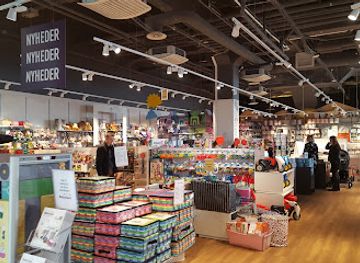
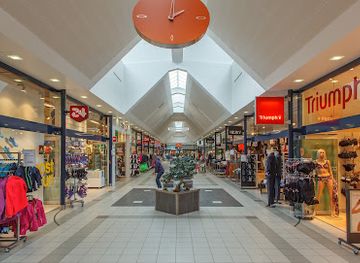
Shopping in Southern Jutland is concentrated in the market towns rather than in a single regional retail centre. Sønderborg, Aabenraa and Haderslev have the broadest selection of high-street retailers, independent shops, cafés and galleries, while Tønder is particularly appealing for historic streets, antiques, interiors and craft-oriented shopping. The region’s cultural links with the border are reflected in specialist food shops and the easy availability of Danish and German products, although currency and payment arrangements remain national Danish ones on the Danish side. Look for local cheeses, preserves, confectionery, rye products, beer and other foods that travel well. Tønder is also associated with lace-making and textile traditions, and galleries or craft shops may offer contemporary interpretations of regional handiwork. On Rømø and in smaller coastal communities, retail is more seasonal and focused on practical beach goods, souvenirs and local products. Farmers’ markets and farm shops provide a more direct connection with Southern Jutland’s agricultural landscape, but opening days should be checked locally.
-
Shopping mall
Field's
Denmark’s largest shopping centre, Field’s blends Scandinavian design, big-name brands, food, cinema and indoor family fun at the heart of Ørestad.
-
Shopping mall
Aalborg Storcenter
North Jutland's largest shopping mall with 73 stores, Denmark's biggest Bilka, and family entertainment under one roof.
-
Shopping mall
Bruuns Galleri
Central Aarhus’ all-weather hub for shopping, food, cinema and rooftop mini-golf, seamlessly connected to the main station and pedestrian streets.
-
Shopping mall
Rødovre Centrum
Denmark’s original modern shopping mall, blending big‑name stores, cinema and family‑friendly leisure in a spacious all‑weather hub west of central Copenhagen.

Get your free copy of our complete guide to Southern Jutland, delivered straight to you.
Everything on this page, from attractions and restaurants to essentials and local phrases, in one PDF you can read offline, print or share.
Already have an account? Sign in
Your Southern Jutland guide is ready.
We'll send it to · Not you? Sign out

Getting your guide ready…
We are putting together a fresh copy of the Southern Jutland guide. This can take up to a minute.
This can take a few moments. If your browser asks, choose Allow so the download can start. You'll find the guide in your Downloads folder.
Nothing happened? Download it again
Sorry, the guide is taking longer than usual. Please try again in a minute, or get it by email instead.
Southern Jutland essentials
Currency and Payment
Safety
Emergency Situations
Do's and Don'ts
Local Tips
From Eve
Local phrases worth knowing
You don't need to get them perfect. A few words go a long way, and locals appreciate the effort.
Basics
| English | Local | Say it |
|---|---|---|
| Hello | Hej | [hay] |
| Goodbye | Farvel | [far-vel] |
| Yes | Ja | [yah] |
| No | Nej | [nai] |
| Please/You're welcome | Vær så venlig | [vair so ven-lee] |
| Thank you | Tak | [tahk] |
| Excuse me/Sorry | Undskyld | [oon-skyl] |
| How are you? | Hvordan har du det? | [vor-den har do deh?] |
| Fine. And you? | Godt. Og du? | [got. oh do?] |
| Do you speak English? | Taler du engelsk? | [tay-ler do eng-elsk?] |
| I don't understand | Jeg forstår ikke | [yai for-stor ee-keh] |
Eating & Drinking
| English | Local | Say it |
|---|---|---|
| I'd like to see the menu, please | Jeg vil gerne se menuen, tak | [yai vil ger-neh say meh-new-en, tahk] |
| I don't eat meat | Jeg spiser ikke kød | [yai spee-ser ee-keh kuhth] |
| Cheers! | Skål! | [skawl] |
| I would like to pay, please | Jeg vil gerne betale, tak | [yai vil ger-neh beh-tah-leh, tahk] |
Emergencies
| English | Local | Say it |
|---|---|---|
| Help! | Hjælp! | [yelp] |
| Go away! | Gå væk! | [go vek] |
| Call the Police! | Ring til politiet! | [ring til po-li-ti-et] |
| Call a doctor! | Ring efter en læge! | [ring ef-ter en lay-eh] |
| I'm lost | Jeg er faret vild | [yai air far-et vil] |
| I'm ill | Jeg er syg | [yai air sue] |
Shopping
| English | Local | Say it |
|---|---|---|
| I'd like to buy... | Jeg vil gerne købe... | [yai vil ger-neh kuh-beh...] |
| I'm just looking | Jeg kigger bare | [yai kee-ger bah-reh] |
| How much is it? | Hvor meget koster det? | [vor mai-eth kos-ter deh?] |
| That's too expensive | Det er for dyrt | [deh air for dyert] |
| Can you lower the price? | Kan du sænke prisen? | [kan do sen-keh pree-sen?] |
Time & Numbers
| English | Local | Say it |
|---|---|---|
| What time is it? | Hvad tid er det? | [vad tid air deh?] |
| It's one o'clock | Klokken er et | [klok-en air et] |
| Half past (10) | Halv (10) | [halv (10)] |
| Morning | Morgen | [mor-en] |
| Afternoon | Eftermiddag | [ef-ter-mid-dahg] |
| Evening | Aften | [af-ten] |
| Yesterday | I går | [ee gor] |
| Today | I dag | [ee day] |
| Tomorrow | I morgen | [ee mor-en] |
| 1 | 1 | [1] |
| 2 | 2 | [2] |
| 3 | 3 | [3] |
| 4 | 4 | [4] |
| 5 | 5 | [5] |
| 6 | 6 | [6] |
| 7 | 7 | [7] |
| 8 | 8 | [8] |
| 9 | 9 | [9] |
| 10 | 10 | [10] |
Transport & Directions
| English | Local | Say it |
|---|---|---|
| Where's a/the...? | Hvor er en/den...? | [vor air en/den...?] |
| What's the address? | Hvad er adressen? | [vad air a-dres-en?] |
| Can you show me (on the map)? | Kan du vise mig (på kortet)? | [kan do vee-seh mai (po kort-et)?] |
| When's the next (bus)? | Hvornår går den næste (bus)? | [vor-nor gor den nes-te (bus)?] |
| A ticket (to ....) | En billet (til ...) | [en bi-let (til ...)] |
History of Southern Jutland
The Duchy of Schleswig and the Medieval Borderland
For much of the medieval and early modern period, Southern Jutland formed part of the duchy of Schleswig, connected dynastically to the Danish crown but governed with a degree of territorial distinction. Towns such as Haderslev, Aabenraa, Tønder and Sønderborg developed through trade, agriculture, fishing and craft production, while the region’s churches, manor houses and fortified sites reflected its position between Danish and German-speaking cultural spheres. The border was not a simple line: language, administration and allegiance varied across communities, leaving a legacy that remains visible in regional traditions and the modern Danish-German frontier.
Trade, Marshes and the Rise of Tønder
Western Southern Jutland prospered through its relationship with the marshes, the North Sea and the commercial routes leading towards Schleswig and northern Germany. Tønder grew as a market and trading town, benefiting from its position near the coast even though it lies inland from the exposed Wadden Sea. Wealth from commerce and agriculture encouraged substantial town houses, churches and merchant buildings. The region’s adaptation to flooding, embankment building and changing channels also shaped everyday life, while lace-making later became an important craft associated with Tønder and surrounding communities.
The Schleswig Wars and the 1864 Conflict
National movements in the nineteenth century intensified disputes over the relationship between the Danish kingdom, Schleswig and Holstein. The Schleswig Wars of 1848–50 and the later war of 1864 brought fighting to Southern Jutland, with the Danish defeat in 1864 leading to the loss of Schleswig, Holstein and Lauenburg to Prussia and Austria. The battle and withdrawal from the fortifications at Dybbøl became a defining episode in Danish history. Museums, reconstructed trenches and memorial landscapes around Dybbøl and Sønderborg preserve the military and human history of the conflict.
Prussian Rule and the Border Communities
After 1864, much of Southern Jutland was incorporated into Prussia and, from 1871, the German Empire. Daily life was influenced by German administration, schooling and military service, while Danish cultural and national associations maintained links with the north. The period created enduring minority identities on both sides of the later border. Architecture, cemeteries, archives and local traditions still record this era, which ended only after the First World War. Its significance lies not merely in changes of government but in the way language and national affiliation became central to community life.
The 1920 Plebiscites and the Modern Border
Following Germany’s defeat in the First World War, plebiscites were held in parts of Schleswig in 1920. The northern zone voted to join Denmark, while the central zone voted to remain in Germany; the present border was then established. Northern Schleswig became Danish, forming the core of modern Danish Southern Jutland, while a Danish minority remained south of the frontier and a German minority remained in Denmark. The settlement did not erase cultural connections, but it created a stable international border whose cross-border cooperation is now an important feature of regional life.
Occupation, Resistance and Post-war Memory
Southern Jutland was occupied by Germany during the Second World War, and the region became an important crossing area for people, information and resistance activity. Frøslev Prison Camp, near the German border, was established in 1944 by the German authorities, partly in response to Danish concerns about deportations; many Danish prisoners were held there before and during the final months of the occupation. The site, now a museum and memorial environment, helps visitors understand both occupation history and the difficult post-war years when collaboration, resistance and national loyalty were contested.
A Border Region in Contemporary Denmark
Since the second half of the twentieth century, Southern Jutland has combined agriculture, food production, manufacturing, tourism and cross-border commerce. Improved roads and European cooperation have made travel across the Danish-German border easier, while national minorities and bilingual institutions continue to contribute to public life. Coastal conservation has also become increasingly important, particularly in the Wadden Sea, where international recognition and protected status support research and nature tourism. The result is a region shaped both by historic division and by practical cooperation across a border that is now usually experienced as permeable.
Southern Jutland in Photos
Browse through our photo collection highlighting the charm and character of the destination.
Neighbouring regions of Southern Jutland
The closest regions to Southern Jutland, if you have time for more than one.
-

-

-

-

-


Swipe for more regions
Explore more

Explore more of Denmark
Discover Denmark: A perfect blend of history, modern design, and the cozy concept of hygge. Explore vibrant cities, serene landscapes, and world-class cuisine.
Explore Denmark