

Noma, The North Sea Islands Travel Guide
Waterside New Nordic icon where seasonal tasting menus, quiet design and an open kitchen turn dinner on Refshaleøen into an immersive culinary journey.
Tucked on Copenhagen’s Refshaleøen, Noma is a serene, barn-like fine-dining restaurant that helped define New Nordic cuisine. Inside low-slung wooden buildings framed by wild grasses and water views, an open kitchen team crafts seasonal tasting menus that explore Nordic seafood, vegetables, and game with avant‑garde techniques and foraged ingredients. The setting feels both polished and quietly rustic, pairing meticulous service with an intimate, almost workshop-like atmosphere.
A brief summary to Noma
- Refshalevej 96, København K, København K, 1432, DK
- Click to display
- Click to display
- Duration: 3.5 to 5 hours
- Luxury
-
 Indoor
- Mobile reception: 5 out of 5
- Tuesday 5 pm-11 pm
- Wednesday 5 pm-11 pm
- Thursday 5 pm-11 pm
- Friday 12 pm-5:30 pm

Know before you go
Hi, I'm Eve. Here are a few practical things to know before exploring Noma.
- Bookings open far in advance and sell out quickly; join the waiting list and be flexible with dates and lunch versus dinner to improve your chances.
- Allow several unrushed hours for the full tasting menu, and avoid making evening plans immediately afterward.
- Consider the non‑alcoholic pairing if you are interested in Noma’s fermentation program; it showcases kombuchas, juices and infusions built for the menu.
- Dress smart‑casual rather than formal; the room is polished but relaxed, and comfort helps you enjoy a long multi‑course experience.
- Factor in that Refshaleøen can be windy and exposed; bring an extra layer if you want to explore the waterside surroundings before or after your meal.
Do you manage this location?
Take control to get all the benefits, like improved information, better appearance, and stronger visibility across AI-powered discovery. Learn more about listing your business on Evendo
Activate your presenceOther nearby places you may find interesting
The closest places of the same kind, if this one is not quite what you had in mind.
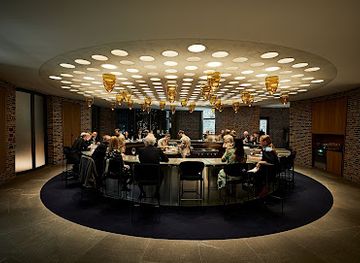
Explore Noma on the Map
A handpicked selection of must-see spots near Noma, mapped for you.
Getting There
-
Bicycle from central Copenhagen
From central Copenhagen, reaching Noma by bicycle typically takes 15–25 minutes, depending on where you start and your pace. The route uses Copenhagen’s extensive cycle lanes and includes a stretch across the harbor area toward Refshaleøen. The final approach is relatively flat but can be exposed to wind, especially in colder months. Bike rental in the city usually costs around 100–150 DKK per day, and this option suits confident cyclists comfortable riding in urban traffic.
-
Harbor bus and short walk
A scenic option is to use the city’s harbor bus service to reach the Refshaleøen area, then walk the remaining distance, which generally takes 10–20 minutes from the nearest stop. Harbor buses run at regular intervals during the day and early evening, but services can be less frequent later at night and in poor weather. Expect ticket prices in the range of 20–30 DKK per adult, aligned with standard local public transport fares, and be prepared for some walking on potentially windy, open waterfront paths.
-
Taxi or ride-hail from city center
Taking a taxi or ride-hail from central Copenhagen to Noma usually takes 10–20 minutes, traffic permitting. This is the most comfortable option in bad weather or if you are dressed formally for a long meal. Fares often fall in the region of 120–220 DKK one way, varying with distance, time of day, and traffic conditions. Taxis can generally drop you close to the entrance, but at very busy dining times you may need to allow a little extra time for pick‑up after your meal.
-
Public bus and walk via Refshaleøen
Several city bus routes serve the broader Refshaleøen area, after which you walk the final stretch to the restaurant, typically 10–15 minutes on mostly flat terrain. Total travel time from central districts usually ranges from 20–35 minutes, depending on connections and waiting times. Standard public transport tickets or travel cards apply, with single rides generally costing around 20–30 DKK. Check schedules in advance, as evening and weekend frequency can be reduced compared with daytime services.
For the on-the-go comforts that matter to you
-
 Restrooms
-
 Drink Options
-
 Food Options
-
 Seating Areas
-
 Trash Bins
-
 Information Boards
Discover more about Noma
A waterside culinary workshop at the edge of Copenhagen
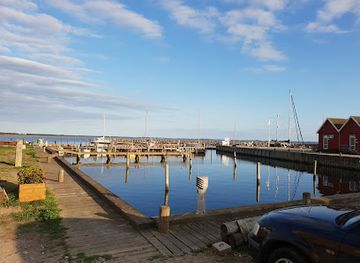
Noma sits on a quiet stretch of Refshaleøen, a former industrial island in Copenhagen’s harbor now reclaimed by creatives, urban gardens, and wind-brushed shoreline. The restaurant occupies a series of low, timber-clad buildings on a thin strip of land, with water on one side and wild, deliberately untamed plantings on the other. On clear days you can glimpse CopenHill’s sloping rooftop in the distance, a reminder that this is a city where design and experimentation spill into every corner.From the outside, there is little fanfare: subtle signage, simple paths of stone and gravel, and large windows that glow softly after dusk. The approach feels more like arriving at a secluded studio than a global dining icon, setting a contemplative tone before you step through the door.Inside a minimalist, nature-led dining room
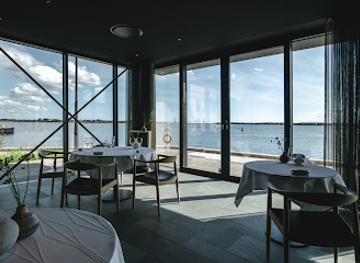
The interior leans into Nordic restraint. Neutral tones, pale woods, and tactile natural materials create a calm, hushed atmosphere that feels closer to a sophisticated cabin than a traditional grand restaurant. Tables are generously spaced, with views either towards the surrounding landscape or into the open kitchen, where chefs move with quiet precision.Details reveal themselves slowly: handcrafted ceramics in muted glazes, dried plants and branches arranged like small sculptures, and soft, warm lighting that changes subtly as the meal progresses. The room is designed to recede rather than impress, so that the focus rests on the plate, the people at your table, and the choreography of the service.Seasonal menus that reimagine Nordic ingredients
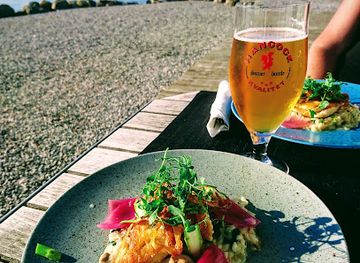
Noma’s menu is structured around three broad seasons: **seafood in the colder months, vegetables in summer, and game and forest in autumn**. Within each season, the kitchen builds a single extended tasting menu that can easily stretch over several hours, unfolding in a carefully paced sequence of small, intensely considered dishes.Expect compositions that foreground Nordic waters and forests: scallops briefly glazed and perfumed with seaweed butter, intricate salads built from seaweed and shellfish, or autumn plates centered on mushrooms, wild berries, and preserved elements from earlier in the year. Many ingredients are foraged or sourced directly from the region, then transformed using fermentation, curing, and aging techniques refined in Noma’s fermentation lab.The rhythm of service and the open kitchen
Service at Noma is highly choreographed yet informal in tone. Chefs often leave the open kitchen to present dishes themselves, briefly explaining techniques or origins at the table. There is a sense of being inside a working atelier, where each course represents the collective efforts of cooks, foragers, and gardeners rather than a single signature gesture.The open kitchen occupies a central position, a hive of hushed intensity that every guest passes when moving through the space. From the dining room, you can see plates being assembled with tweezers and brushes, hear the soft clatter of pans, and sense the rising tempo as each wave of dishes is sent.Beyond the plate: fermentation, beverages, and experimentation
Alongside the food, Noma is known for its exploration of fermentation, which underpins many of the flavors in sauces, broths, and condiments. Vinegars, kombuchas, misos, and garums built from local ingredients add depth and a distinctive tang throughout the menu. Beverage pairings often lean into low‑intervention wines and creative non‑alcoholic options, such as layered juices and infusions designed to mirror the season’s theme.Dining here is less about a single standout course and more about the arc of the experience: the way early snacks establish a flavor language, how central dishes develop it, and how late, sometimes playful finales close the loop. It is an immersive, time‑intensive meal that feels as much like a narrative about Nordic landscapes as a dinner.A destination restaurant with an intimate feel
Despite its global renown and limited number of seats, the space retains an understated, almost neighborhood quality. Staff are polished yet relaxed, attire is typically smart‑casual rather than formal, and the mood is focused but not stiff. The secluded waterside setting reinforces the sense that you have stepped slightly outside the city, into a self‑contained world dedicated to one long meal.For many diners, Noma is a once‑in‑a‑lifetime destination, the kind of place planned months in advance and built into an entire trip. Yet the experience itself is surprisingly grounded: wood underfoot, wind and weather visible through the windows, and a menu that keeps circling back to the simple idea of tasting where you are, right now, in this season.More to explore near Noma







Your all‑in‑one travel companion app
Explore expert travel guides, compare and book tours, experiences, hotels, and more—all from the palm of your hand. Download now for seamless trip planning wherever your wanderlust takes you.


Explore More of The North Sea Islands
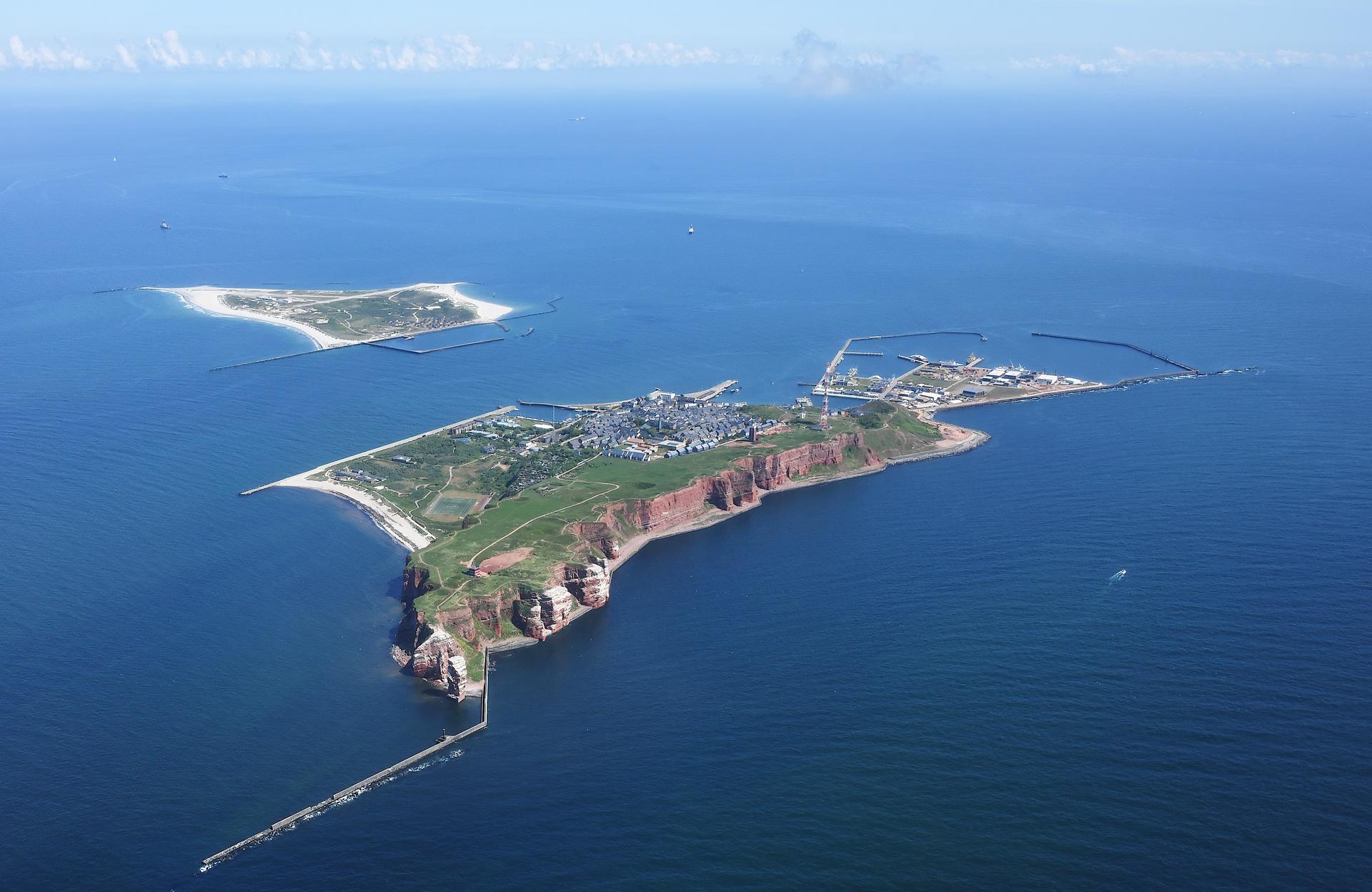
Looking beyond Noma? Discover The North Sea Islands for broader travel guides, local hot-spots, and regional highlights.
Explore The North Sea Islands
Stylish Cantonese-inspired dining and cocktails on historic Kongens Nytorv, pairing shareable plates with a moody interior in the heart of Copenhagen.
Tiny blue harbour house on Refshaleøen blending seasonal pescatarian cooking, natural wines, sauna culture and swims into one uniquely Copenhagen experience.
