Alchemist, The North Sea Islands Travel Guide
A boundary-pushing Copenhagen icon where fine dining, art installation and social commentary fuse into a five-hour, 50-course immersive experience under a vast projected dome.
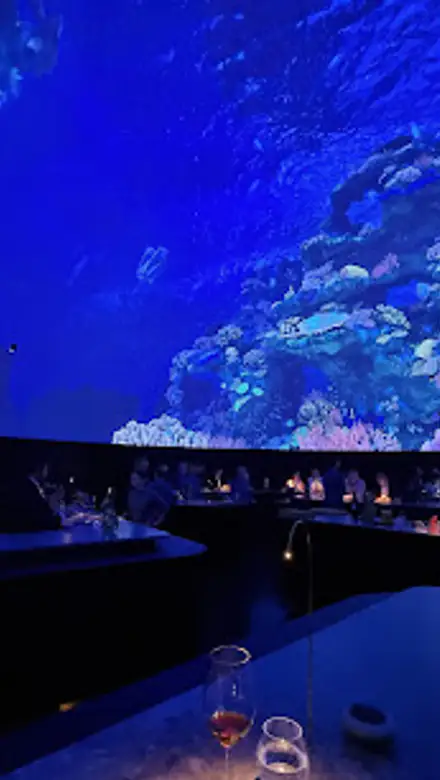
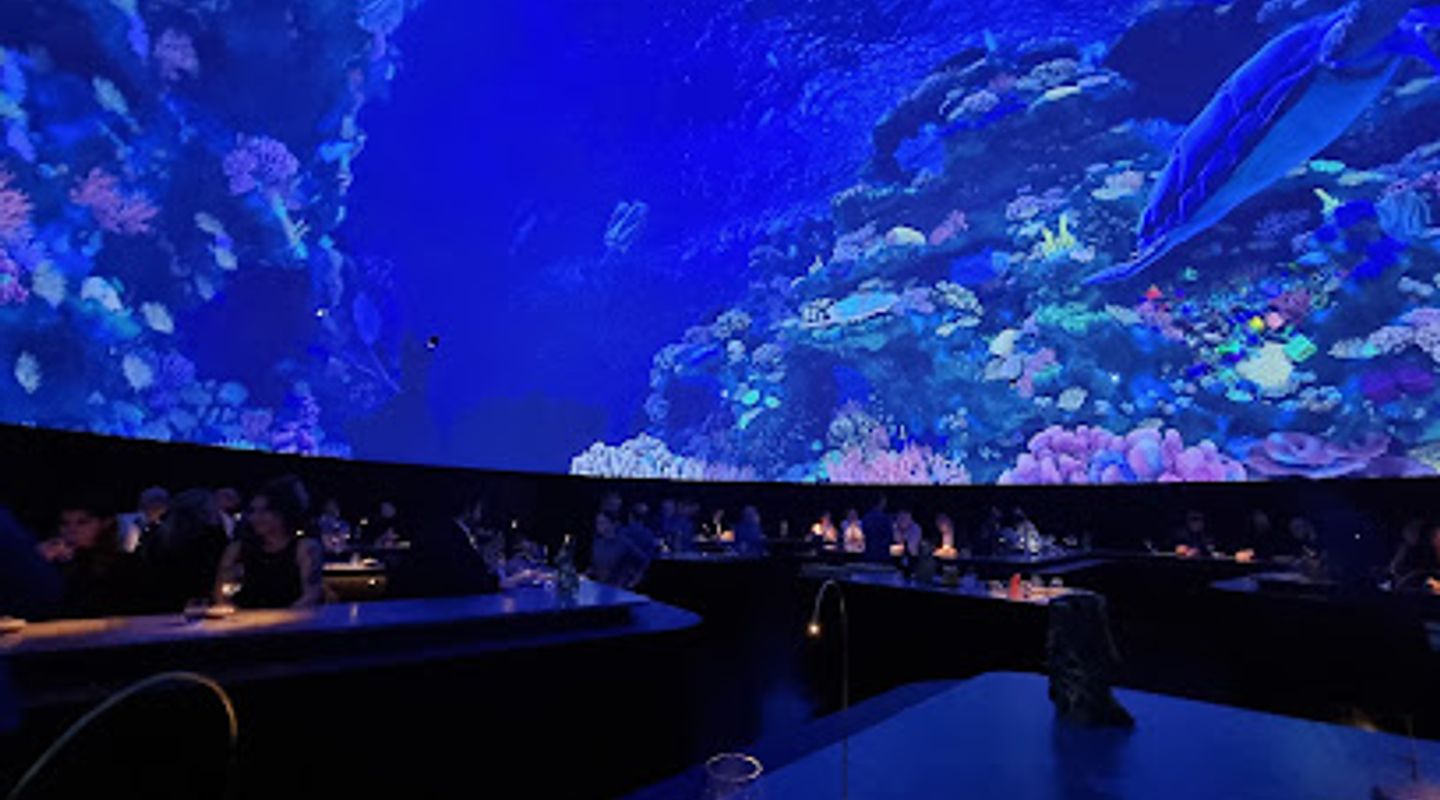
Hidden in a former industrial shipyard on Refshaleøen, **Alchemist** is Copenhagen’s most ambitious fine-dining stage – an immersive, multi-sensory restaurant where a 45–50 course menu unfolds over five “acts” in different rooms beneath a vast projected dome. Chef Rasmus Munk fuses cutting-edge technique, art installation and social commentary into what he calls “holistic cuisine,” turning dinner into a six-hour exploration of flavours, ethics and spectacle that feels closer to experimental theatre than a conventional meal.
A brief summary to Alchemist
- Refshalevej 173C, København K, København K, 1432, DK
- Click to display
- Click to display
- Duration: 4.5 to 6.5 hours
- Luxury
-
 Indoor
- Mobile reception: 4 out of 5
- Tuesday 5 pm-12 am
- Wednesday 5 pm-12 am
- Thursday 5 pm-12 am
- Friday 5 pm-12 am

Know before you go
Hi, I'm Eve. Here are a few practical things to know before exploring Alchemist.
- Reserve many months in advance and be flexible with dates; Alchemist releases limited seatings and demand is extremely high.
- Plan for at least five to six hours on-site; avoid late flights or early meetings the next day so you can enjoy the full sequence without watching the clock.
- Opt for the beverage or non-alcoholic pairing if budget allows; these are designed as part of the story rather than simple add-ons.
- Dress smart-casual to elegant; there is no strict code, but the dramatic setting suits polished attire and layers for Copenhagen’s changeable weather.
- Mention dietary restrictions well in advance; the menu is complex and the kitchen needs time to adapt the many small courses appropriately.
Do you manage this location?
Take control to get all the benefits, like improved information, better appearance, and stronger visibility across AI-powered discovery. Learn more about listing your business on Evendo
Activate your presenceOther nearby places you may find interesting
The closest places of the same kind, if this one is not quite what you had in mind.
Explore Alchemist on the Map
A handpicked selection of must-see spots near Alchemist, mapped for you.
Getting There
-
Public transport from central Copenhagen
From central Copenhagen, take the M1 or M2 metro to Kongens Nytorv, then continue by bus towards Refshaleøen; the combined journey typically takes 25–40 minutes depending on connections. City buses run regularly into the evening on most days, with standard single tickets and travel cards valid for the whole route. Expect to pay roughly 20–30 DKK for a single adult fare if you are not using a transit pass. Services can thin out late at night, so check the return timetable and allow extra time after your multi-hour meal.
-
Taxi or rideshare within Copenhagen
A taxi or licensed rideshare from central neighbourhoods such as Indre By or Vesterbro to Refshalevej generally takes 10–20 minutes outside peak rush hour, depending on traffic and bridge congestion. Fares typically fall in the range of 130–220 DKK one way, with higher prices at night, on weekends or in poor weather. This option is the most comfortable after a five- to six-hour dining experience, especially if you have chosen a wine or cocktail pairing and prefer door-to-door transport.
-
Cycling from inner Copenhagen
For confident cyclists, reaching Refshaleøen from central Copenhagen by bike usually takes 15–25 minutes, following signposted routes over the harbour area and through relatively flat former docklands. The ride is exposed near the water and can feel challenging in strong winds, rain or winter conditions, so dress warmly and use lights and reflective gear. City bike-share schemes and rental shops offer bicycles from around 100–150 DKK per day, a cost-effective option if you are exploring multiple neighbourhoods by bike.
For the on-the-go comforts that matter to you
-
 Restrooms
-
 Drink Options
-
 Drinking Water
-
 Food Options
-
 Seating Areas
-
 Sheltered Areas
-
 Trash Bins
-
 Information Boards
Discover more about Alchemist
A surreal culinary universe in a former shipyard
Alchemist occupies a cavernous building on Refshalevej, part of Copenhagen’s old shipyard district now transformed into a creative enclave. Stepping through its discreet entrance, you leave the docks behind and enter a carefully orchestrated world of dim corridors, dramatic lighting and cinematic reveals. The industrial shell remains, but inside the space is sculpted into an almost theatrical labyrinth, where each room feels like a different chapter in a story rather than a traditional dining area.From the outset, the tone is more performance than restaurant. You first pause in a bar-like antechamber before being guided deeper into the building. The sense of anticipation builds as doors slide open onto unexpected vistas: a planetarium dome, a kitchen on display, intimate lounges and balconies. The setting alone signals that this will not be a simple sequence of courses, but a narrative journey with a clear beginning, middle and end.The dome and the art of “holistic cuisine”
The visual and emotional heart of Alchemist is the massive dome room, where a changing canopy of projections surrounds you. One moment you are under drifting jellyfish, the next peering into star fields or abstract patterns. These shifting scenes are deliberately choreographed to echo specific dishes, themes or moods, binding environment and plate together.Chef Rasmus Munk describes his approach as “holistic cuisine”: each element – food, light, sound, scent and service – acts as part of a single composition. Courses might reference ocean pollution, animal welfare or hunger, using striking presentations to prompt reflection while still anchored in precise technique and luxurious ingredients. The dome’s immersive imagery amplifies these ideas, blurring the line between gallery installation and fine dining room.Acts, movements and a 50-course odyssey
Rather than sitting at one table all evening, you progress through a series of acts, each staged in a different space. The experience commonly stretches to five or more hours, with around 45–50 individual tastes. Tiny, highly technical bites appear in rapid succession, punctuated by more substantial plates and occasional visits to other rooms, such as a balcony lounge or the gleaming service kitchen.The menu is constantly evolving, but signature ideas reappear in new guises: a perfect omelette reimagined as a liquid-centred yolk membrane; a piece of honey-ginger “amber” with an ant suspended inside; compositions presented in cages or on sculptural vessels to underline their message. Despite the conceptual framing, many dishes draw on familiar comfort references – a luxurious toastie, an elevated lobster roll, deep savoury broths – so that surprise and recognition coexist in each act.Behind-the-scenes precision and sensory detail
Moving through Alchemist, you gain glimpses of the machinery required to sustain such an elaborate production. The open service kitchen reveals teams working in near-silent synchrony, dispatching thousands of small plates each night. Specialized equipment hums away in the background: ultrasonic infusions, temperature-controlled cabinets and custom tools that help achieve unusual textures and forms.Soundscapes and lighting shifts are subtle but deliberate, warming and cooling across the evening to match the narrative arc. Glassware and tableware are tailored to specific courses, from weightless, almost invisible vessels for cocktails to hand-crafted ceramics that frame single bites. Every detail is calibrated to heighten focus, drawing your attention to temperature, crunch, aroma or visual wit at precisely the right moment.Ethics, extravagance and the Copenhagen fine-dining scene
Alchemist sits within the Nordic fine-dining tradition yet pushes beyond its minimalist, nature-focused roots. Luxury ingredients such as caviar, langoustine and truffle appear, but they are often juxtaposed with commentary on overconsumption, animal welfare or environmental strain. Some courses directly reference factory farming or marine waste, asking you to confront realities that usually remain invisible during indulgent meals.The restaurant also highlights sustainability in quieter ways: careful sourcing, reduced waste, and a strong emphasis on storytelling around responsibility. At the same time, it does not hide its extravagance. The degustation menu, beverage pairings and overall staging place Alchemist firmly among the world’s most expensive and time-intensive dining experiences, turning a night here into a once-in-a-lifetime event rather than a casual evening out.What it feels like to dine at Alchemist
The emotional arc of the evening is as carefully engineered as the food. Early courses build curiosity and wonder, mid-acts lean into provocation and intellectual engagement, and the final stages soften into comfort and reflection. Under the dome and later in more intimate lounges, the long runtime becomes part of the experience: conversations stretch, impressions blur into each other, and you emerge with the sense of having been briefly immersed in another world.By the time dessert arrives – perhaps a whimsical candy resembling amber, or a playful take on a classic cocktail frozen into a bite – the boundary between restaurant, theatre and installation has dissolved. Alchemist is less a place to “grab dinner” and more a full-scale production that happens to be built around food, leaving a lingering mix of sensory memory, visual images and ideas long after you step back out onto the quiet waterfront of Refshaleøen.More to explore near Alchemist







Your all‑in‑one travel companion app
Explore expert travel guides, compare and book tours, experiences, hotels, and more—all from the palm of your hand. Download now for seamless trip planning wherever your wanderlust takes you.


Explore More of The North Sea Islands
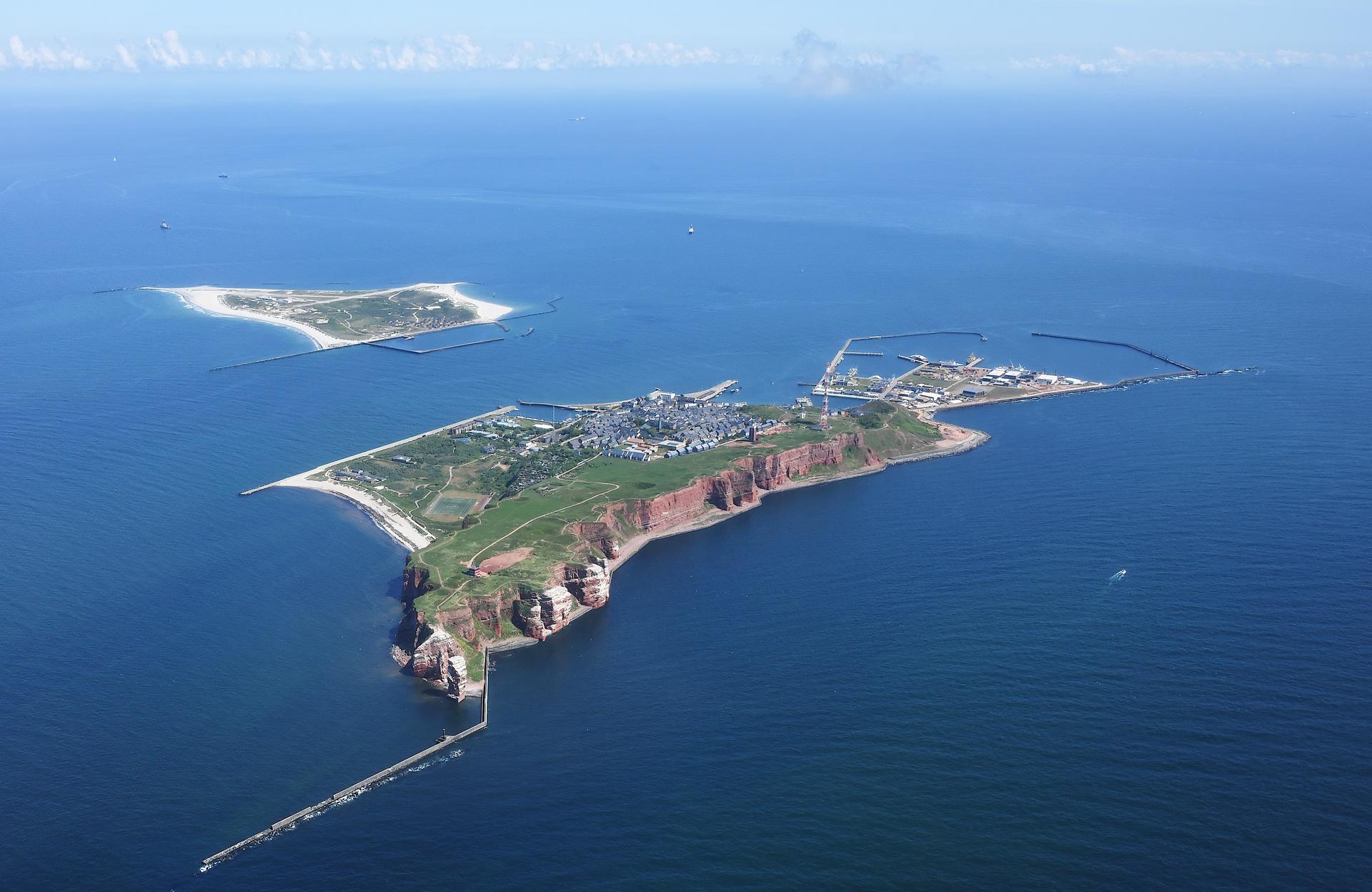
Looking beyond Alchemist? Discover The North Sea Islands for broader travel guides, local hot-spots, and regional highlights.
Explore The North Sea Islands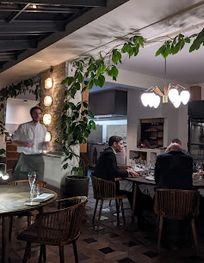
Michelin-starred, Green Star dining in a historic Copenhagen townhouse, where hyper-seasonal Nordic ingredients meet relaxed, design-led elegance by the King’s Garden.
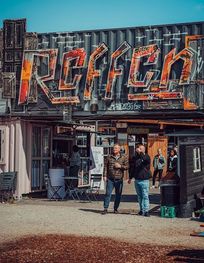
Waterfront street food, glowing ice rinks and urban harbour vibes come together at Copenhagen’s creative winter playground on Refshaleøen.