Anno Dom 1913, Vejle Travel Guide
Free Guide: Compact yet characterful, Anno Dom 1913 is Vejle’s early 20th‑century fountain monument anchoring historic Kirketorvet with stone, water, and quiet civic pride.


A brief summary of Anno Dom 1913
Compact yet characterful, Anno Dom 1913 is Vejle’s early 20th‑century fountain monument anchoring historic Kirketorvet with stone, water, and quiet civic pride.
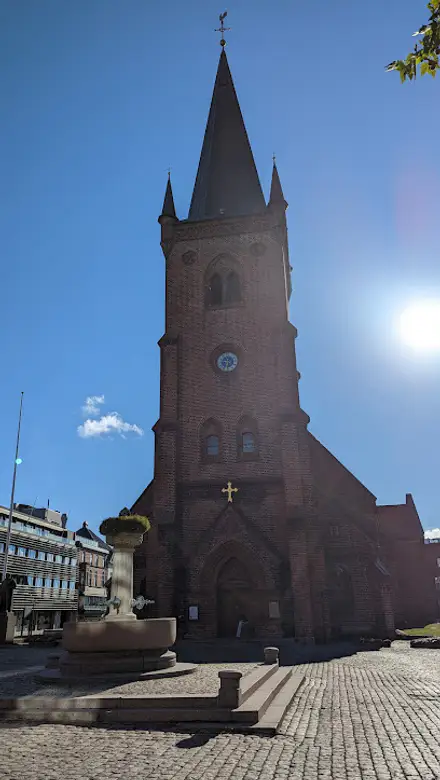
Anno Dom 1913 is a compact historic fountain and monument on Vejle’s central Kirketorvet square, framed by early 20th‑century façades and the nearby church. Built in 1913, it reflects the optimism of Vejle’s industrial era, when the town was growing rapidly as a trading and manufacturing hub. Today it serves as a small but characterful landmark: a place to pause between shops and cafés, admire the stonework and sculpted details, and sense how water, light, and architecture have long shaped daily life in this Danish market town.
On-site amenities
 Seating areas
 Trash bins
 Information boards
Opening hours
- Every dayOpen 24 hours
Opening hours as listed on the venue’s Google Business Profile. Hours can change for services and special events, so check with the venue before you go.
- Address
- Kirketorvet 1, 7100 Vejle
Getting there
Train and short walk from Vejle Station
Local bus to Vejle city centre
Car access to central Vejle car parks
Discover more about Anno Dom 1913
A small monument with a big story
Anno Dom 1913 is a modest stone fountain and commemorative monument set on Kirketorvet, one of Vejle’s most atmospheric central squares. Its inscription marks the year 1913, a moment when Vejle was transforming from provincial market town into a confident industrial city, powered by mills, factories, and new public works.Although compact in scale, the structure concentrates a lot of history into a few blocks of stone. It sits in dialogue with the surrounding brick buildings and the nearby church tower, tying together civic life, commerce, and faith in a single urban viewpoint.
Echoes of early 20th‑century craftsmanship
Look closely at the fountain’s surfaces and you can still read the hand of early 20th‑century craftsmen. The blocks are carefully dressed, the curves and ledges designed to channel water in a controlled cascade, and the carved date stands out with a quiet dignity. The style bridges late historicism and emerging modernism: solid, practical, but with ornamental touches that keep it from feeling austere.When water is flowing, the sound softens the hard edges of the square. Even when the fountain is dry, traces of mineral deposits, weathering, and lichen tell a slow story of more than a century of Danish winters and bright Nordic summer light.
Water, city growth, and civic pride
Fountains in early 1900s towns were more than decorative. They symbolised progress: reliable water supplies, improved hygiene, and public investment in shared urban spaces. Anno Dom 1913 fits this tradition, marking Vejle’s confidence as it expanded around its river, railway, and busy harbour.The monument’s placement on Kirketorvet is no coincidence. This square has long been a focal point where market stalls, processions, and everyday errands intersect. The fountain became a fixed reference point in this flow of activity, a discreet marker of civic pride rather than a grandiose showpiece.
Everyday atmosphere on Kirketorvet
Today, the immediate appeal of Anno Dom 1913 lies in its setting. Around it you’ll find cobbled surfaces, café terraces, shopfronts, and the steady rhythm of bicycles and pedestrians that characterises Danish town centres. The fountain is a natural pause: somewhere to lean for a moment, regroup with friends, or simply watch the choreography of the square.In different seasons it reveals different moods. In summer, light glints off the water and stone; in autumn and winter, wet paving stones mirror the monument in subdued reflections. Occasional decorations and nearby seasonal markets can change the backdrop, but the solid stone core remains reassuringly constant.
Details to notice as you linger
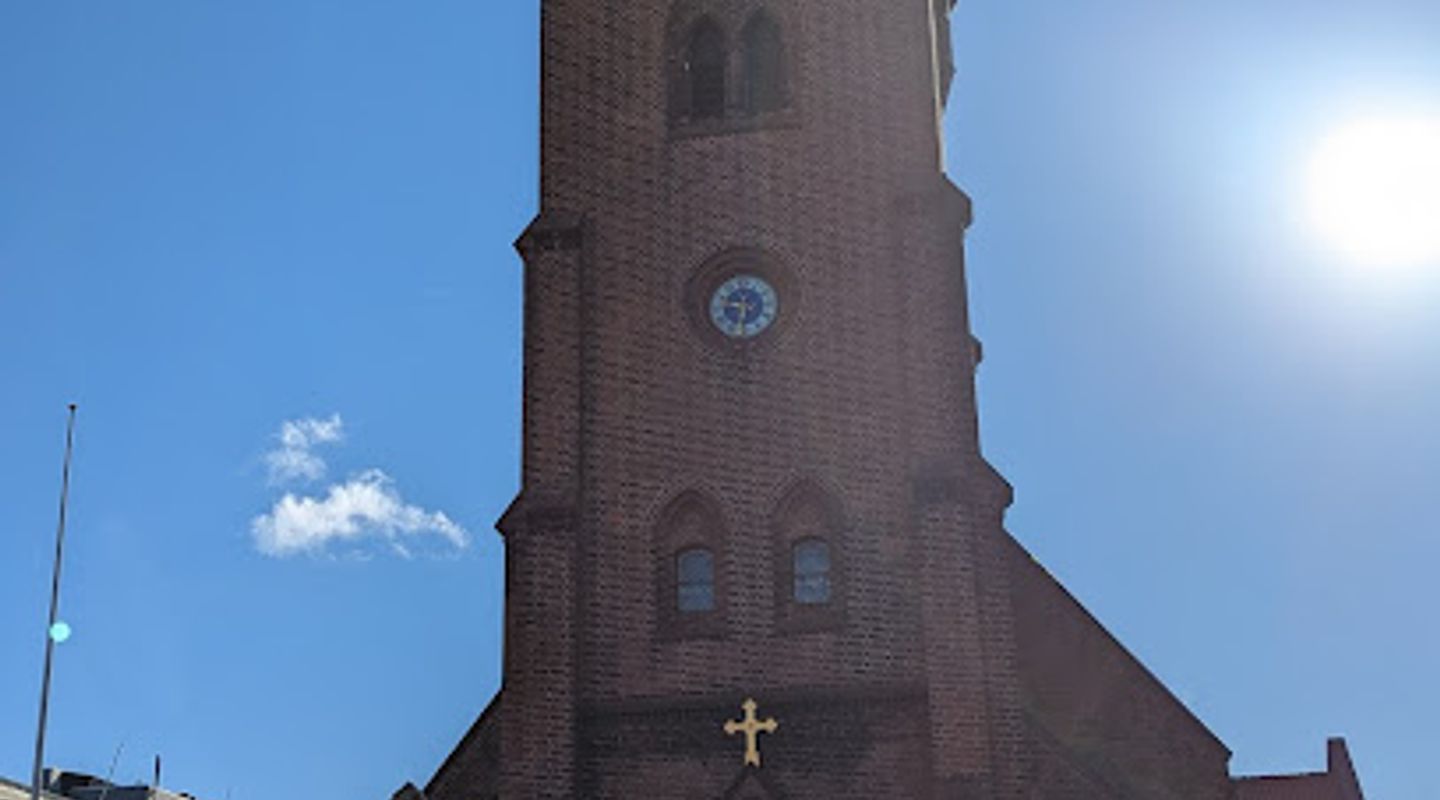
Because the monument is small, it rewards slow looking. Notice the proportion between basin and pillar, the way edges have been rounded by countless incidental touches, and the patina that only time can create. The inscription “1913” encourages you to imagine the outfits, vehicles, and conversations that once occupied this same patch of ground.From certain angles, you can frame both the fountain and the church tower in a single view, creating a layered composition of stone, brick, and sky. For photographers, it offers an appealing foreground detail against the architectural backdrop of central Vejle.
A brief but worthwhile stop in central Vejle
Anno Dom 1913 is not a destination to fill an afternoon, but it is a meaningful waypoint in any stroll through the city centre. It anchors Kirketorvet with a touch of historical gravitas, linking Vejle’s industrial-era optimism to the lively urban scene you see today.Take a few minutes to circle it, read the stone, and listen to the ambient sounds of the square. In doing so, you connect with more than a hundred years of everyday life lived around this quietly enduring piece of civic architecture.
Evendo Review Centre
 Google
Guest reviews
Best time to go
Quietest: Jan, Feb & Nov · before 8am
Busy times are Evendo estimates for a typical year, to help you plan. Actual crowds vary with events, school holidays and the weather.
Explore Anno Dom 1913 on the map
A handpicked selection of must-see spots near Anno Dom 1913, mapped for you.
Get your free copy of our complete guide to Anno Dom 1913, delivered straight to you.
Everything on this page, from opening hours and how to get there to Eve’s tips and the best time to go, in one PDF you can read offline, print or share.
Already have an account? Sign in
Your Anno Dom 1913 guide is ready.
We'll send it to · Not you? Sign out

Getting your guide ready…
We are putting together a fresh copy of the Anno Dom 1913 guide. This can take up to a minute.
This can take a few moments. If your browser asks, choose Allow so the download can start. You'll find the guide in your Downloads folder.
Nothing happened? Download it again
Sorry, the guide is taking longer than usual. Please try again in a minute, or get it by email instead.
Other nearby places you may find interesting
The closest places of the same kind, if this one is not quite what you had in mind.
-
-
-
-
-


Swipe for more places
More to explore near Anno Dom 1913

 Best experiences near Anno Dom 1913
 Best hotels near Anno Dom 1913
 Best landmarks near Anno Dom 1913
 Best attractions near Anno Dom 1913
 Best shops near Anno Dom 1913
 Best restaurants near Anno Dom 1913
 Best bars near Anno Dom 1913
Do you manage this location?
Take control to get all the benefits, like improved information, better appearance, and stronger visibility across AI-powered discovery.
Explore more

Explore more of Vejle
Discover Vejle, Denmark's hidden gem, where natural beauty meets vibrant urban life. Explore historic sites, enjoy outdoor adventures, and savor delicious Danish cuisine.
Explore Vejle
Explore more of Denmark
Discover Denmark: A perfect blend of history, modern design, and the cozy concept of hygge. Explore vibrant cities, serene landscapes, and world-class cuisine.
Explore Denmark