Tirsbæk Gods, Vejle Travel Guide
Free Guide: Renaissance manor, moated courtyards and vineyards folded into a wooded fjord valley on the tranquil north shore of Vejle Fjord.


A brief summary of Tirsbæk Gods
Renaissance manor, moated courtyards and vineyards folded into a wooded fjord valley on the tranquil north shore of Vejle Fjord.
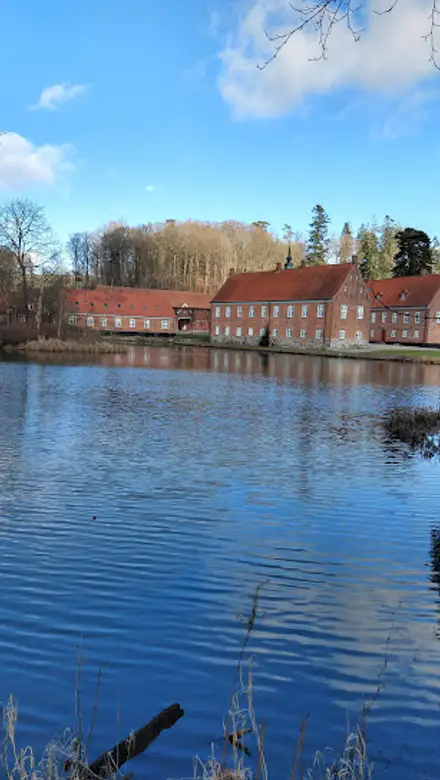
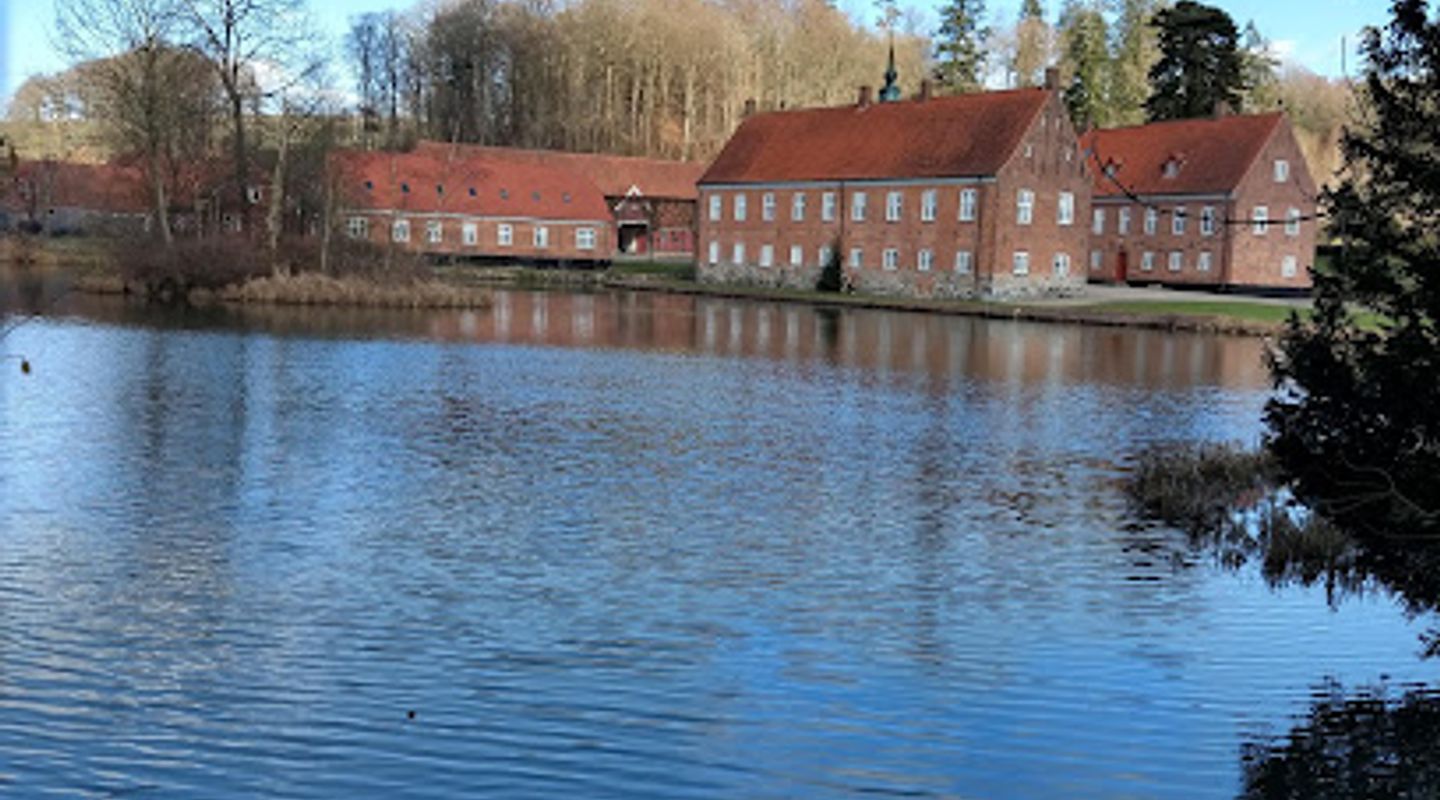
Tirsbæk Gods is a storybook Renaissance manor set between wooded slopes and the shimmering waters of Vejle Fjord, around 7 km east of Vejle. Encircled by moats, formal Renaissance gardens and vineyards, this historic estate blends 16th‑century architecture with a working winery, orchards and contemporary event spaces. Visitors come for atmospheric walks through the valley, seasonal garden openings, wine tastings and a peaceful glimpse of Danish noble life in a dramatic fjord landscape.
On-site amenities
 Restrooms
 Seating areas
 Picnic areas
 Trash bins
 Information boards
Opening hours
- Mon10 am–4 pm
- Tue10 am–4 pm
- WedClosed
- ThuClosed
- FriClosed
- Sat10 am–4 pm
- Sun10 am–4 pm
Opening hours as listed on the venue’s Google Business Profile. Hours can change for services and special events, so check with the venue before you go.
- Address
- Tirsbækvej 135, 7120 Vejle
- Phone
- Website
Getting there
Car from central Vejle
Taxi from Vejle Station
Local bus and walk from Vejle area
Discover more about Tirsbæk Gods
Renaissance manor in a sheltered fjord valley
Tirsbæk Gods sits on the north shore of Vejle Fjord, tucked into a side valley framed by steep, forested slopes and rows of vines that climb the hillsides. The setting feels surprisingly secluded, even though the estate lies only a short distance east of Vejle. Approaching the manor, you first notice the protective moats and the compact, fortified outline typical of Danish Renaissance country houses.The main building dates from the mid‑1500s and carries the solid, almost fortress‑like character of its time, with whitewashed walls, steep roofs and small, carefully placed windows. Bridges span the surrounding water, and the ensemble of wings, courtyards and outbuildings creates the sense of a self‑contained world, historically designed to manage land, people and production from a single, powerful seat.
Layers of history behind the manor walls
For centuries, Tirsbæk has been a noble estate, adapting to changing fashions and economic realities while keeping its Renaissance core. Inside, function has always mattered as much as display: grand rooms for receiving guests, more modest spaces for daily life and working areas tied to agriculture and forestry. Although only selected parts are open during events, the architecture still speaks clearly of rank, order and formality.Over time, the estate’s role shifted from purely agricultural to a diversified operation, but the historic layout remained largely intact. The moats, courtyards and axial paths that once emphasized defense and control now feel picturesque, yet they still reveal how closely architecture, power and landscape were woven together in the Danish countryside.
Gardens, vineyards and working countryside
To the east of the manor, a Renaissance‑inspired garden unfolds in terraces and geometric beds, stepping down towards the valley. This formal green room contrasts with the wilder woodland on the slopes and the open fields beyond. In season, the garden becomes a highlight, with clipped hedges, flower beds and sight lines that frame both the house and the surrounding nature.Tirsbæk today is a working estate combining agriculture, forestry, hunting and a growing focus on wine, oil and apple production. Vineyards stripe the hills above the fjord, and on certain days visitors can join tastings and sample wines, estate apple products and oils produced on site. The mix of cultivation, production and leisure creates a dynamic atmosphere: this is not a frozen monument, but a place where the land is actively farmed and experimented with.
Outdoor walks and seasonal experiences
Much of the appeal of Tirsbæk lies outdoors. Paths lead through woodland, along the edges of the vineyards and down towards the water, where the fjord light changes constantly with the weather. In autumn, the slopes burn with color; in spring, the valley feels bright and fresh, with birdsong carrying over the water. Even a short stroll reveals how carefully the estate buildings are positioned within the natural bowl of the valley.Throughout the year, the grounds host changing activities, from wine‑focused events to countryside experiences tied to the hunting season and the wider recreational offerings of the Vejle area. Nearby, the landscape supports mountain biking, rope parks and other active pursuits, making the manor a calm counterpoint to the region’s more adrenaline‑driven options.
Events, modern enterprises and quiet corners
Behind the historic facades, several contemporary ventures share the estate, including an eyewear showroom set within the old buildings. Selected halls and wings serve as atmospheric venues for gatherings, with rustic beams, thick walls and views over the moats and gardens adding a sense of occasion. The combination of heritage and modern design gives the interiors a distinctive character without disturbing the overall historic impression.Even on days without special events, there are plenty of quiet corners to enjoy: benches by the water, sheltered garden spots and open lawns that invite unhurried pauses. With its blend of Renaissance architecture, productive fields, vineyards and fjord views, Tirsbæk Gods offers a compact but rich introduction to the way Danish manor landscapes continue to evolve while holding on to their deep historical roots.
Evendo Review Centre
 Google
Guest reviews
Best time to go
Quietest: Jan, Feb & Mar · before 8am or at 8pm
Busy times are Evendo estimates for a typical year, to help you plan. Actual crowds vary with events, school holidays and the weather.
Explore Tirsbæk Gods on the map
A handpicked selection of must-see spots near Tirsbæk Gods, mapped for you.
Get your free copy of our complete guide to Tirsbæk Gods, delivered straight to you.
Everything on this page, from opening hours and how to get there to Eve’s tips and the best time to go, in one PDF you can read offline, print or share.
Already have an account? Sign in
Your Tirsbæk Gods guide is ready.
We'll send it to · Not you? Sign out

Getting your guide ready…
We are putting together a fresh copy of the Tirsbæk Gods guide. This can take up to a minute.
This can take a few moments. If your browser asks, choose Allow so the download can start. You'll find the guide in your Downloads folder.
Nothing happened? Download it again
Sorry, the guide is taking longer than usual. Please try again in a minute, or get it by email instead.
Other nearby places you may find interesting
The closest places of the same kind, if this one is not quite what you had in mind.
-
-
-
-
-


Swipe for more places
More to explore near Tirsbæk Gods

 Best experiences near Tirsbæk Gods
 Best hotels near Tirsbæk Gods
 Best landmarks near Tirsbæk Gods
 Best attractions near Tirsbæk Gods
 Best shops near Tirsbæk Gods
 Best restaurants near Tirsbæk Gods
 Best bars near Tirsbæk Gods
Do you manage this location?
Take control to get all the benefits, like improved information, better appearance, and stronger visibility across AI-powered discovery.
Explore more

Explore more of Vejle
Discover Vejle, Denmark's hidden gem, where natural beauty meets vibrant urban life. Explore historic sites, enjoy outdoor adventures, and savor delicious Danish cuisine.
Explore Vejle
Explore more of Denmark
Discover Denmark: A perfect blend of history, modern design, and the cozy concept of hygge. Explore vibrant cities, serene landscapes, and world-class cuisine.
Explore Denmark