

Hald Slot, Viborg Travel Guide
Free Guide: Evocative lakeside castle ruins where towering earthworks, a rebuilt tower and wooded shores reveal centuries of power struggles beside clear Hald Sø.


A brief summary of Hald Slot
Evocative lakeside castle ruins where towering earthworks, a rebuilt tower and wooded shores reveal centuries of power struggles beside clear Hald Sø.
Hald Slot, set on a low, wooded peninsula reaching into Hald Sø just south of Viborg, is the evocative ruin of a 16th‑century fortress built by the last Catholic bishop of Viborg, Jørgen Friis. Part of the De Fem Halder cultural landscape, it combines moss‑covered earthworks, reconstructed tower walls and sweeping lake views with waymarked paths through rolling hills and forest. Free to wander at any time of day, it is as much a nature escape as a window onto 800 years of Danish castle history.
On-site amenities
 Restrooms
 Seating areas
 Picnic areas
 Trash bins
 Information boards
 Visitor centre
Opening hours
- Every dayOpen 24 hours
Opening hours as listed on the venue’s Google Business Profile. Hours can change for services and special events, so check with the venue before you go.
- Address
- Jørgen Friis' Hald, 8800 Viborg
Getting there
Car from Viborg
Bicycle from Viborg
Local bus plus walk
Discover more about Hald Slot
Fortress on the Edge of Reform
Hald Slot occupies a small tongue of land pushing out into Hald Sø, where water and steep earthworks once made this one of the most secure strongholds in central Jutland. The castle you see traces of today is the "Third Hald", built around 1528 for Bishop Jørgen Friis, the last Catholic bishop of Viborg. He chose the peninsula as the stage for a modern defensive castle at a time when new religious ideas from Luther and Danish reformers were unsettling church and crown alike.Only foundations and reconstructed sections of masonry remain, but the outline of the fortress is easy to imagine. Tall ramparts still ring the site, hinting at curtain walls, inner courtyards and a compact, well‑defended compound. From here, the bishop controlled a large estate and the traffic along the lake and surrounding countryside, until the Reformation swept Catholic power from Denmark.
Ruins, Tower and the Shape of a Lost Castle
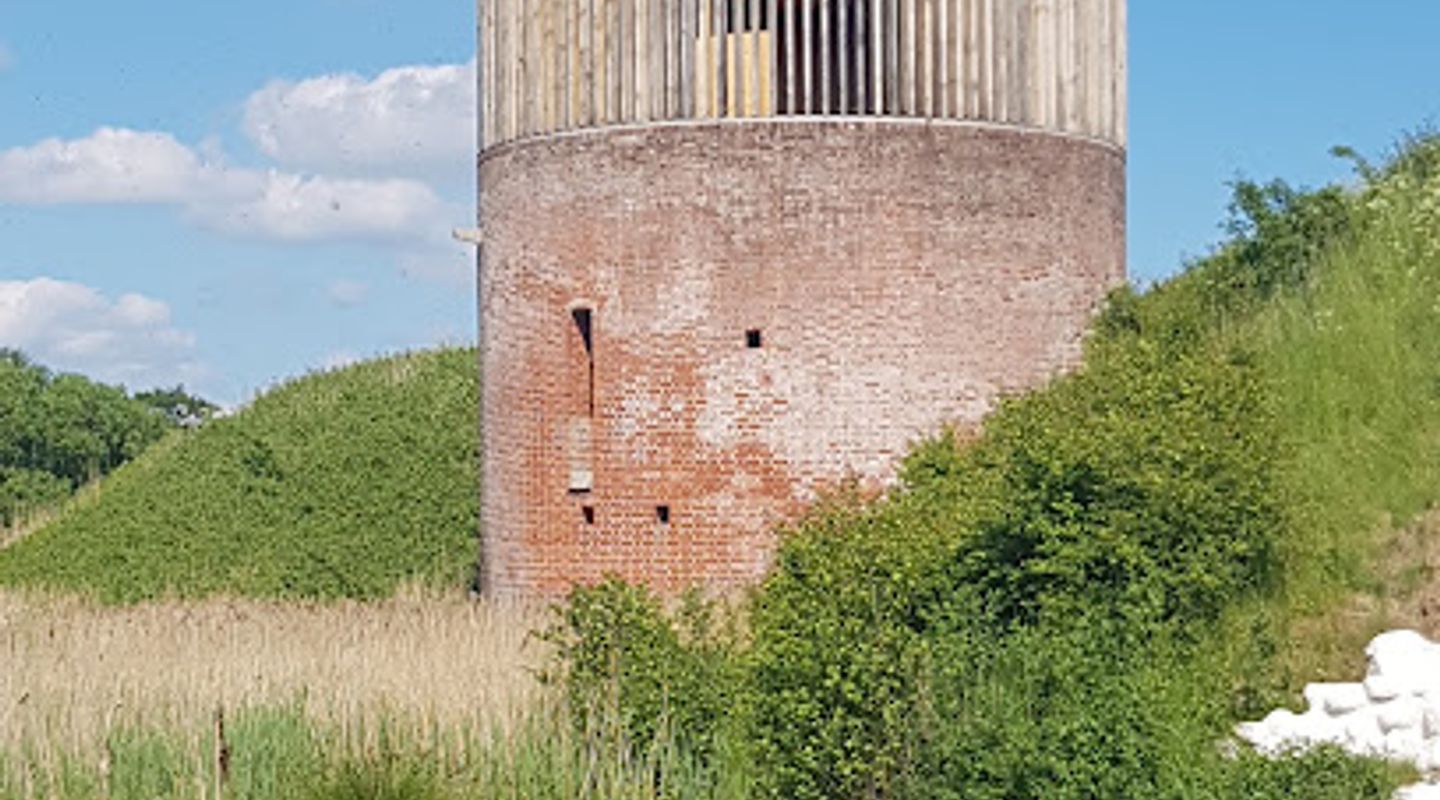
Walking into the ruin, you pass over soft grass and between low stone walls that once carried heavy timbered buildings. The most striking feature is the square tower, partially rebuilt to suggest the height and mass of the original structure. Climb to the upper platform and you are rewarded with broad views across the lake, forested slopes and the rippling line of the Dollerup Hills.The castle’s footprint is compact, but the defensive system was ambitious. Deep ditches, banks and the narrow land bridge together formed a layered barrier against attackers. Even in partial ruin, this defensive geometry is clear: stand on the ramparts and you can follow the curves of the outer works, then look inward to the core where the bishop’s residential buildings once stood.
De Fem Halder – A Compressed History of Power
Hald Slot is one element in De Fem Halder, five successive seats of power clustered around the lake. Within walking distance lie traces of an unfinished medieval castle, a siege fortification raised by King Valdemar in the 14th century, an 18th‑century manor built from recycled castle stones, and the later Hald Manor House. Together they condense eight centuries of Danish aristocratic and ecclesiastical history into a single, easily explored landscape.At Haldladen, a converted barn near Hald Manor, an exhibition explains the area’s geography, geology and human story. Here you can piece together how political struggles, changing warfare and shifting landownership moved the Hald residence around the lakeshore while the name and power base remained.
Lakeshore Scenery and Quiet Woodland Paths
Part of Hald Slot’s appeal lies in its setting. The peninsula pushes into one of Denmark’s clearest lakes, its shores lined with mixed forest, reeds and small bays where light plays across the water. Paths lead from the ruin around the lake edge and into the hilly terrain, with sudden openings where the view widens over Hald Sø or back toward the white pavilions of Hald Manor.In spring the woods are soft with fresh leaves and birdsong; in autumn the slopes ignite in orange and gold, with mist smoking off the lake on cool mornings. Even on grey days, the low clouds, dark water and wind in the trees give the ruin a moody, cinematic character that suits its turbulent past.
A Free, Open‑Air Escape at Any Hour
Hald Slot is open at all hours, with free access to the ruins and the surrounding grounds. There are no barriers or ticket offices here, only simple paths, information boards and a sturdy tower stair. It invites unhurried wandering: you can loop the ramparts, pause on the tower, then continue straight into the wider De Fem Halder trails or down to the lake shore for a quiet break.Allow a couple of hours if you want both the historical overview and a lakeside walk; more if you plan to explore the full network of paths along Hald Sø and into the hills. The combination of evocative ruin, layered history and accessible nature makes this a rewarding stop whether you are tracing Danish history or just looking for a tranquil outdoor escape.
Evendo Review Centre
 Google
Guest reviews
Best time to go
Quietest: Jan, Feb & Dec · before 8am or at 9pm
Busy times are Evendo estimates for a typical year, to help you plan. Actual crowds vary with events, school holidays and the weather.
Explore Hald Slot on the map
A handpicked selection of must-see spots near Hald Slot, mapped for you.
Get your free copy of our complete guide to Hald Slot, delivered straight to you.
Everything on this page, from opening hours and how to get there to Eve’s tips and the best time to go, in one PDF you can read offline, print or share.
Already have an account? Sign in
Your Hald Slot guide is ready.
We'll send it to · Not you? Sign out

Getting your guide ready…
We are putting together a fresh copy of the Hald Slot guide. This can take up to a minute.
This can take a few moments. If your browser asks, choose Allow so the download can start. You'll find the guide in your Downloads folder.
Nothing happened? Download it again
Sorry, the guide is taking longer than usual. Please try again in a minute, or get it by email instead.
Other nearby places you may find interesting
The closest places of the same kind, if this one is not quite what you had in mind.
-
-
-
-
-


Swipe for more places
More to explore near Hald Slot

 Best experiences near Hald Slot
 Best hotels near Hald Slot
 Best landmarks near Hald Slot
 Best attractions near Hald Slot
 Best shops near Hald Slot
 Best restaurants near Hald Slot
 Best bars near Hald Slot
Do you manage this location?
Take control to get all the benefits, like improved information, better appearance, and stronger visibility across AI-powered discovery.
Explore more

Explore more of Viborg
Discover Viborg, Denmark's hidden gem where medieval history, stunning nature, and vibrant culture converge for an unforgettable travel experience.
Explore Viborg
Explore more of Denmark
Discover Denmark: A perfect blend of history, modern design, and the cozy concept of hygge. Explore vibrant cities, serene landscapes, and world-class cuisine.
Explore Denmark
