Viking Ship Museum Travel Guide
Free Guide: Experience 1000-year-old Viking ships and sail the fjord in authentic reconstructions at the world's only museum of its kind.


A brief summary of Viking Ship Museum
Experience 1000-year-old Viking ships and sail the fjord in authentic reconstructions at the world's only museum of its kind.
Explore five original Viking ships from the 11th century at this unique museum in Roskilde, where ancient vessels are dramatically displayed against the backdrop of Roskilde Fjord. Beyond the iconic Ship Hall, discover live boatbuilding demonstrations, hands-on maritime crafts, and seasonal sailing trips in reconstructed Viking vessels. This is the only place in the world where you can see authentic 1000-year-old Viking ships and then board full-scale replicas to experience life at sea as the Vikings did.
On-site amenities
 Restrooms
 Drink options
 Food options
 Seating areas
 Information boards
 Visitor centre
Opening hours
- Every day10 am–5 pm
Opening hours as listed on the venue’s Google Business Profile. Hours can change for services and special events, so check with the venue before you go.
- Address
- Vindeboder 12, 4000 Roskilde
- Phone
- Website
Getting there
Train from Copenhagen
Car from Copenhagen
Bus from Roskilde City Centre
Cycling from Roskilde
Discover more about Viking Ship Museum
The Five Skuldelev Ships: A Window into Viking Maritime Life
At the heart of the Viking Ship Museum lies the Ship Hall, a striking example of Danish brutalist architecture designed in 1969. Within this dramatic space, five original Viking ships from the 11th century stand majestically, recovered from Roskilde Fjord where they were deliberately sunk to form a defensive blockade. These vessels—known as the Skuldelev Ships—represent different aspects of Viking maritime culture: merchant ships that carried goods across vast distances, warships that enabled Norse expansion, fishing boats that sustained coastal communities, and transport vessels used for everyday voyages. The ships' preservation is remarkable; much of their original structure remains intact, offering archaeologists and visitors alike an unparalleled glimpse into Viking craftsmanship and naval technology.The Ship Hall's distinctive design enhances the viewing experience. Split-level walkways allow visitors to examine the vessels from multiple angles, appreciating both their overall form and intricate details. Vertical concrete fins filter natural light, creating dramatic shadows that emphasize the ships' contours. Panoramic windows frame views of Roskilde Fjord, the very waters where these ships once sailed, making it easy to imagine merchant vessels departing for distant shores, warriors waving farewell to families, and fishermen setting out with hopes of a good catch.
Living Traditions: The Boatyard and Craftspeople
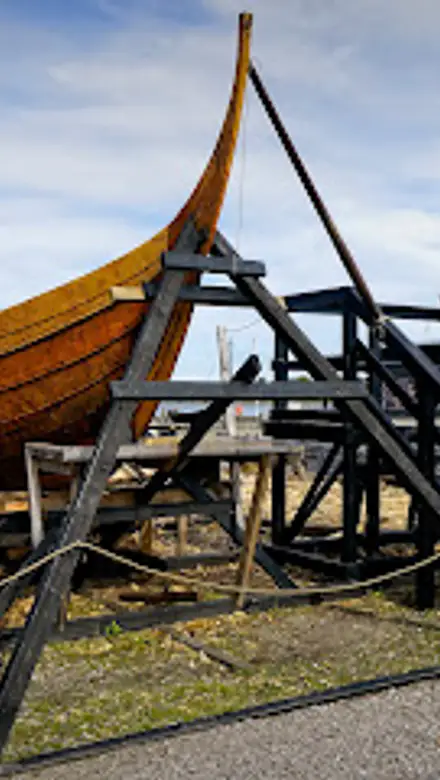
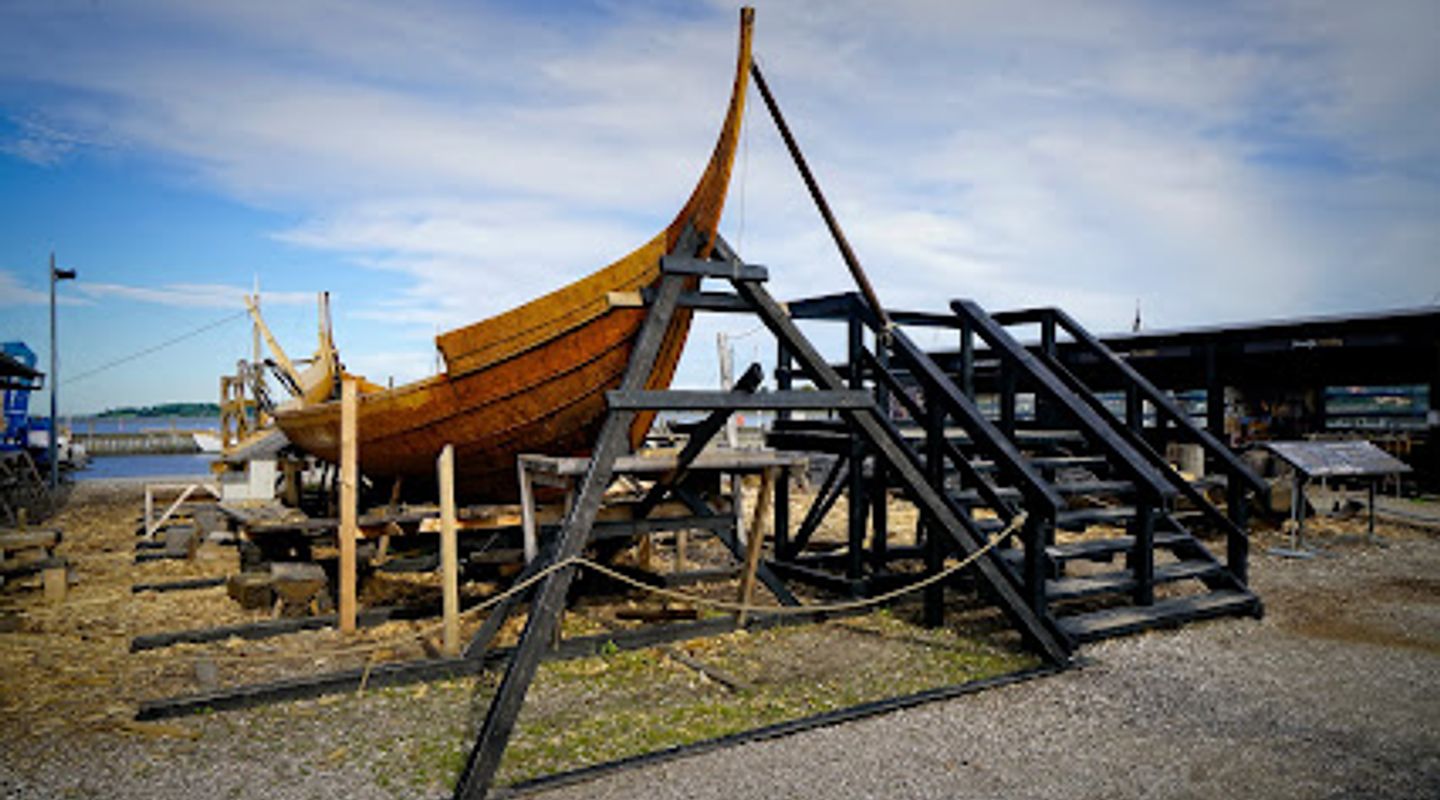
Surrounding the Ship Hall, Museum Island brings Viking maritime culture to life through authentic reconstruction and demonstration. At the museum's boatyard, skilled craftsmen work year-round to build full-scale replicas of Viking ships using the same techniques, tools, and materials employed over a thousand years ago. The scent of pine tar and the rhythmic sound of axes striking oak create an atmosphere that transports visitors back to the Viking Age. Visitors can observe boatbuilders at work, speak with craftspeople about their methods, and gain insight into the extraordinary skill required to construct seaworthy vessels without modern technology.At Tunet—the Viking meeting place—specialists demonstrate traditional maritime crafts including metalworking, woodcarving, and rope making. During summer months, the museum expands its programming with daily activities such as coin minting, jewellery making, and shield painting, allowing visitors to engage hands-on with Viking traditions. A hands-on area features maritime exhibitions and family-friendly activities designed to make history tangible and memorable.
Sailing the Fjord: From Reconstruction to Reality
One of the museum's most distinctive offerings is the opportunity to sail on reconstructed Viking ships and traditional Nordic boats. From May 1 to September 30, daily sailing trips depart from the museum harbour, lasting approximately 50 minutes. Visitors board vessels filled with replica trade goods and weapons, experiencing firsthand how Vikings navigated Roskilde Fjord and ventured to distant lands. The Sea Stallion from Glendalough, a celebrated reconstruction, famously sailed to Dublin and back in 2007–2008, demonstrating both authentic Viking seafaring capability and the museum's commitment to experimental archaeology.
Architecture and Design: A Modernist Monument
The Viking Ship Hall itself is an architectural landmark. Designed by Erik Christian Sørensen and completed in 1969, the building was conceived as a giant display case for the five original ships. Its brutalist aesthetic—raw concrete, exposed structural elements, and expansive glazing—represents an important example of Danish late modernist design. The hall's split-level interior creates dynamic spatial relationships between visitors and the vessels, while the interplay of concrete fins and natural light produces a contemplative atmosphere suited to the museum's archaeological and historical mission. The building was listed for preservation in 1997, reflecting its cultural significance.
Exhibitions and Educational Programming
Beyond the permanent display of the Skuldelev Ships, the museum features rotating exhibitions that deepen understanding of Viking Age seafaring, trade networks, and cultural exchange. Special exhibitions explore themes such as Viking voyages and their global impact. The Hamlet, located in the Ship Hall's lower level, provides an interactive children's area where young visitors can build miniature Viking ships and test them in water. Guided tours in English are available, offering expert interpretation of the ships and their historical context. An audio guide provides dramatic storytelling about Viking maritime adventures, while a digital game called The MuseumMystery engages visitors of all ages.
Seasonal Rhythms and Year-Round Access
The museum operates throughout the year, adapting its programming to seasonal conditions. During winter months, boatbuilders move their work indoors to the Boatyard Hall, allowing visitors to observe ship construction regardless of weather. Summer brings expanded activities, sailing opportunities, and outdoor demonstrations. The museum remains open daily, making it accessible for both spontaneous visits and planned excursions. Its location on Roskilde Fjord—a living landscape that shaped Viking history—provides a constantly changing backdrop that enhances the immersive experience of exploring these ancient vessels and the culture that created them.
Evendo Review Centre
 Google
Guest reviews
Best time to go
Quietest: Jan, Feb & Nov · before 9am or from 6pm
Busy times are Evendo estimates for a typical year, to help you plan. Actual crowds vary with events, school holidays and the weather.
Explore Viking Ship Museum on the map
A handpicked selection of must-see spots near Viking Ship Museum, mapped for you.
Get your free copy of our complete guide to Viking Ship Museum, delivered straight to you.
Everything on this page, from opening hours and how to get there to Eve’s tips and the best time to go, in one PDF you can read offline, print or share.
Already have an account? Sign in
Your Viking Ship Museum guide is ready.
We'll send it to · Not you? Sign out

Getting your guide ready…
We are putting together a fresh copy of the Viking Ship Museum guide. This can take up to a minute.
This can take a few moments. If your browser asks, choose Allow so the download can start. You'll find the guide in your Downloads folder.
Nothing happened? Download it again
Sorry, the guide is taking longer than usual. Please try again in a minute, or get it by email instead.
Unlock the best of Viking Ship Museum
Skip-the-line tickets, guided tours with entry, and walking tours of the area, booked in a few clicks.




Other nearby places you may find interesting
The closest places of the same kind, if this one is not quite what you had in mind.
-
-
-
-
-


Swipe for more places
More to explore near Viking Ship Museum

 Best experiences near Viking Ship Museum
 Best hotels near Viking Ship Museum
 Best landmarks near Viking Ship Museum
 Best attractions near Viking Ship Museum
 Best shops near Viking Ship Museum
 Best restaurants near Viking Ship Museum
 Best bars near Viking Ship Museum
Do you manage this location?
Take control to get all the benefits, like improved information, better appearance, and stronger visibility across AI-powered discovery.
Explore more
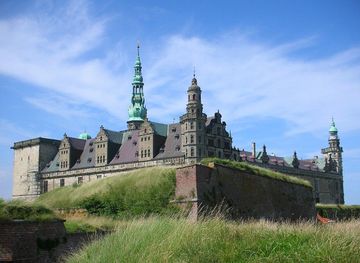
Explore more of Zealand
Discover the charm of Zealand, Denmark's largest island, blending vibrant city life in Copenhagen with serene coastal beauty and rich cultural heritage.
Explore Zealand
Explore more of Denmark
Discover Denmark: A perfect blend of history, modern design, and the cozy concept of hygge. Explore vibrant cities, serene landscapes, and world-class cuisine.
Explore Denmark