Background

Asa Koma: Echoes of Neolithic Life

Explore Asa Koma, an archaeological gem in Dikhil, Djibouti, rich in Neolithic history and surrounded by breathtaking landscapes, offering a unique glimpse into early human settlements.

Asa Koma, an archaeological site near Dikhil, Djibouti, offers a fascinating glimpse into Neolithic life in the Horn of Africa. Dating back to the 3rd and 2nd millennia BC, this site reveals evidence of early pastoral societies, including the domestication of cattle. Discoveries of pottery, tools, and burial sites provide insights into the daily lives, cultural practices, and technological advancements of its ancient inhabitants. The serene landscape surrounding Asa Koma enhances the visitor experience, offering a tranquil setting to contemplate the region's rich history and the ingenuity of its early settlers. A visit promises a memorable journey into the ancient world, blending education and natural beauty in an unforgettable way, making it a unique destination for history enthusiasts and curious travelers alike. Asa Koma is more than just ruins; it's a gateway to understanding the region's distant past.

A brief summary to Asa Koma

  • 336F+2G5, دخيل, DJ

Local tips

  • Visit early in the morning or late afternoon to avoid the intense heat and enjoy softer lighting for photography.
  • Engage a local guide for a richer understanding of the site's history and the significance of its archaeological finds.
  • Wear comfortable shoes, as the terrain can be uneven and requires some walking to explore the site fully.
  • Bring plenty of water and snacks, as facilities are limited in the immediate vicinity of the archaeological site.
  • Respect the site by not removing or disturbing any artifacts or structures, helping to preserve it for future generations.
widget icon

Getting There

  • Public Transportation

    To reach Asa Koma from Dikhil, take a local shared taxi or minibus towards the site. These typically depart from the main bus station or central areas of Dikhil. The fare is approximately 50 DJF. Ask to be dropped off near the coordinates 11.0600194 latitude and 42.0738517 longitude, from where you can walk the final kilometer to the site. Be prepared for a basic level of comfort and potential delays.

  • Taxi/Ride-Share

    Hiring a local taxi from Dikhil to Asa Koma is a convenient option. Negotiate the fare beforehand, which should be around 500-1000 DJF for a round trip, including waiting time. Ensure the driver knows the location of Asa Koma, referencing the coordinates 11.0600194 latitude and 42.0738517 longitude if necessary. This offers a more direct and comfortable journey.

  • Walking

    For adventurous travelers, walking to Asa Koma from Dikhil is possible. From the center of Dikhil, head east towards the coordinates 11.0600194 latitude and 42.0738517 longitude. The walk is approximately 5-7 kilometers and takes around 1-2 hours, depending on your pace. Be sure to bring water, wear appropriate footwear, and be mindful of the desert environment. Look for a trail leading off to the left, this trail will take you directly towards the archaeological site.

Unlock the Best of Asa Koma

Buy tickets

    No tickets available

Book tours with entry

    No tours available

Book tours without entry

    No tours available

Discover more about Asa Koma

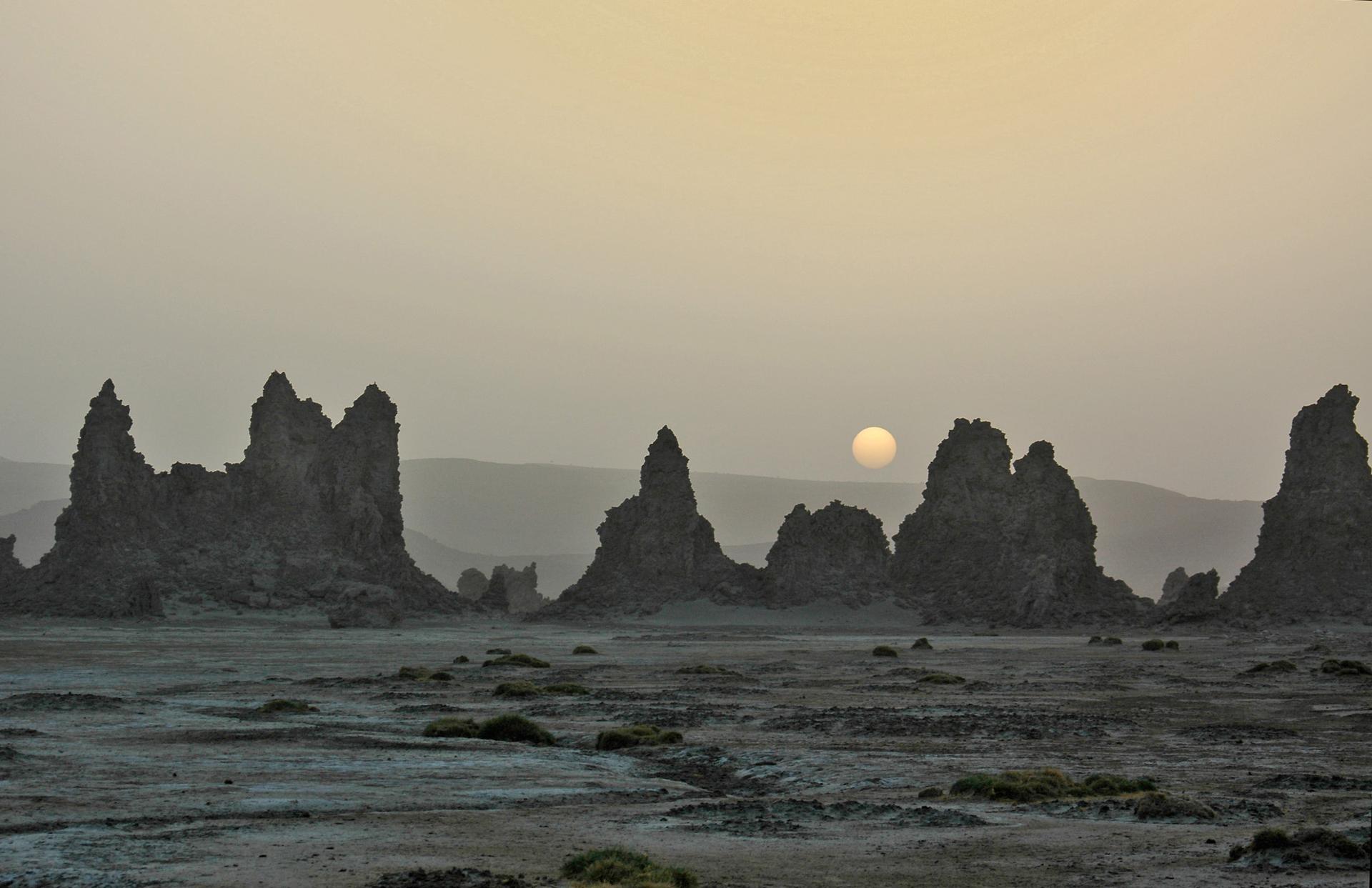
Asa Koma, situated near the town of Dikhil in Djibouti, is an archaeological site of immense significance for understanding Neolithic societies in the Horn of Africa. This location, dating back to the 3rd and 2nd millennia BC, provides tangible evidence of early human settlements and their adaptation to the environment. The name 'Asa Koma,' meaning 'Red Hill,' hints at the site's distinctive geological features, set against the backdrop of the Gobaad Plain. Excavations at Asa Koma have unearthed a wealth of artifacts, shedding light on the daily lives, economic activities, and cultural practices of its inhabitants. Pottery shards, meticulously decorated with punctate and incision geometric designs, bear resemblance to ceramics from Southern Arabia, suggesting potential cultural exchange or shared traditions across the Red Sea. These ceramic findings, dated to the 2nd millennium BC, offer valuable insights into the technological and artistic capabilities of the people who once thrived here. Perhaps one of the most remarkable discoveries at Asa Koma is the presence of long-horned humpless cattle bones. This finding indicates that domesticated cattle were present in the region as early as 3500 years ago, making Asa Koma one of the earliest sites in the Horn of Africa to provide evidence of animal domestication. This suggests that the inhabitants of Asa Koma were not merely hunter-gatherers but had also developed pastoral practices, contributing to a more stable and sustainable way of life. Further excavations have revealed various tools and implements, including lithic tools made from obsidian sourced locally and from the Afar depression. The analysis of these tools provides insights into the technological skills and resourcefulness of the Asa Koma people. Grinding stones and bone tools further illustrate the diverse range of activities carried out at the site, from food processing to crafting and toolmaking. The presence of burial sites within the settlement area offers a glimpse into the spiritual beliefs and funerary rituals of the Asa Koma people. These graves, dating back to the 4th millennium BCE, contain human remains interred with funerary deposits, providing valuable information about their social structure and beliefs about the afterlife. The discovery of crocodile skulls and other animal bones alongside human remains in some burials suggests complex symbolic associations and ritual practices. Asa Koma's location near Lake Abbe is also significant. The lake, fed by the Awash River, would have provided a vital source of water and sustenance for the settlement. Fishing was likely an important economic activity, as evidenced by the discovery of fishing tools and fish bones at the site. The surrounding landscape, characterized by basaltic hilltops and wadi depressions, offered diverse resources for the inhabitants of Asa Koma. Visiting Asa Koma today is an opportunity to step back in time and imagine life in a Neolithic settlement. While the site may appear as a collection of ruins, each artifact and structure tells a story of human ingenuity, adaptation, and cultural development. The relatively remote location of Asa Koma ensures a more intimate and less crowded experience, allowing visitors to connect with the site's history in a profound way. To fully appreciate the significance of Asa Koma, it is recommended to engage with local guides who can provide deeper insights into the site's history and archaeological findings. These guides can share stories passed down through generations and offer valuable context to the discoveries made at Asa Koma. Asa Koma stands as a testament to the rich and complex history of the Horn of Africa. Its archaeological treasures offer a unique window into the lives of early pastoral societies and their contributions to the development of human civilization. A visit to Asa Koma is not just a journey to a historical site; it is an exploration of our shared human heritage. While in the region, consider extending your visit to other nearby attractions, such as Lake Abbe with its dramatic limestone chimneys and diverse birdlife. Exploring the town of Dikhil itself offers a glimpse into modern Djiboutian life, with its bustling markets and friendly locals. Together, these experiences provide a well-rounded perspective on the past and present of this fascinating region. Asa Koma is more than just an archaeological site; it is a living testament to the resilience and ingenuity of the human spirit. Its story continues to unfold as archaeologists and researchers uncover new clues about the lives of its ancient inhabitants. A visit to Asa Koma is an opportunity to connect with the past and gain a deeper appreciation for the rich cultural heritage of the Horn of Africa.

Popular Experiences near Asa Koma

Popular Hotels near Asa Koma

Select Currency