

Asa Koma, Dikhil Travel Guide
Explore Asa Koma, Djibouti: Uncover Neolithic secrets at this archaeological site, revealing early pastoral life in the Horn of Africa.
Asa Koma, or 'Red Hill', is an important archaeological site in Djibouti's Dikhil region, dating back to the 2nd millennium BC. Discoveries here have provided insights into early pastoral communities in the Horn of Africa, including their pottery, tools, and livestock.
A brief summary to Asa Koma
- 336F+2G5, دخيل, DJ

Know before you go
Hi, I'm Eve. Here are a few practical things to know before exploring Asa Koma.
- Visit during the cooler months (December to February) for a more comfortable experience.
- Combine your visit with a trip to nearby Lake Abbe for stunning landscapes.
- Hire a local guide in Dikhil for insights into the site's history and the region's culture.
Do you manage this location?
Take control to get all the benefits, like improved information, better appearance, and stronger visibility across AI-powered discovery. Learn more about listing your business on Evendo
Activate your presenceOther nearby places you may find interesting
The closest places of the same kind, if this one is not quite what you had in mind.

Explore Asa Koma on the Map
A handpicked selection of must-see spots near Asa Koma, mapped for you.
Getting There
-
Public Transport
From Dikhil, take a local bus or taxi towards the general direction of Lake Abbe. Asa Koma is located on the Gobaad Plain, approximately 30 km from the lake. Inquire locally for the most up-to-date schedules and availability. Expect to pay around 500-1000 DJF for a taxi or bus fare from Dikhil to the vicinity of Asa Koma.
-
Walking
From the main road, it's likely necessary to walk the final distance to the site. The terrain is desert-like, so wear appropriate footwear, bring plenty of water, and be prepared for a hike of several kilometers. There are no entrance fees to access the site.
Discover more about Asa Koma













Your all‑in‑one travel companion app
Explore expert travel guides, compare and book tours, experiences, hotels, and more—all from the palm of your hand. Download now for seamless trip planning wherever your wanderlust takes you.


Explore More of Dikhil
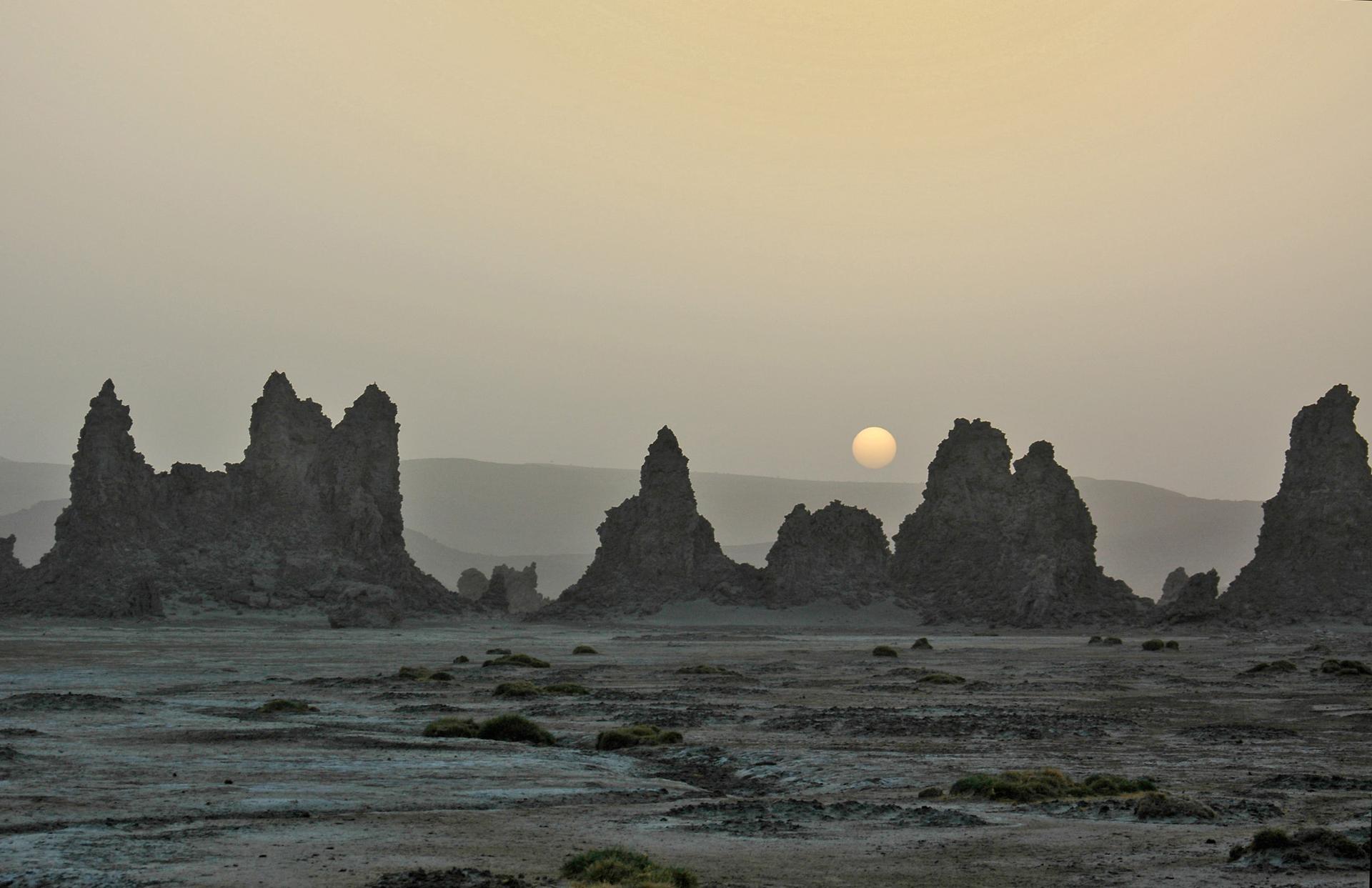
Looking beyond Asa Koma? Discover Dikhil for broader travel guides, local hot-spots, and regional highlights.
Explore Dikhil
Experience a cozy coffee retreat at Boutique Adam Ebraahim in Dikhil, Djibouti, offering delightful brews and a welcoming atmosphere for travelers.
Experience the rich history of Handoga, a captivating historical landmark in Dikhil, Djibouti, revealing the cultural heritage of the region.
