Asa Koma, Dikhil Region Travel Guide
Unearth Neolithic secrets at Asa Koma, Djibouti, revealing early pastoral life in the Horn of Africa near Lake Abbe.
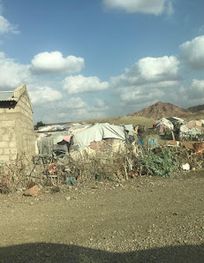
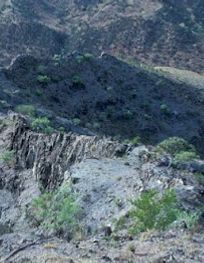
Asa Koma, or "Red Hill", is an archaeological site in Djibouti dating back to the 2nd millennium BC. Discoveries here reveal insights into early pastoral life, cultural connections, and the adaptation of Neolithic societies in the Horn of Africa. The site is located near Lake Abbe in the Dikhil Region.
A brief summary to Asa Koma
- 336F+2G5, دخيل, DJ

Know before you go
Hi, I'm Eve. Here are a few practical things to know before exploring Asa Koma.
- Wear sturdy shoes suitable for walking on uneven terrain, as the site is located on a hillside.
- Bring plenty of water and sun protection, as the area can be hot and exposed.
- Visit early in the morning or late afternoon to avoid the heat and enjoy the best lighting for photography.
- Engage a local guide for a richer understanding of the site's history and significance.
Do you manage this location?
Take control to get all the benefits, like improved information, better appearance, and stronger visibility across AI-powered discovery. Learn more about listing your business on Evendo
Activate your presenceOther nearby places you may find interesting
The closest places of the same kind, if this one is not quite what you had in mind.



Explore Asa Koma on the Map
A handpicked selection of must-see spots near Asa Koma, mapped for you.
Getting There
-
Public Transport
From Djibouti City, take a shared taxi or minibus to Dikhil for approximately 750 DJF. Upon arrival in Dikhil, hire a local taxi for the final 5km to Asa Koma. Negotiate the fare beforehand; expect to pay around 500-1000 DJF for a round trip. Confirm that the driver knows the exact location of the archaeological site.
-
Walking
If you are already in Dikhil, Asa Koma is approximately a 20-30 minute walk from the central area of the town. Head southeast towards the coordinates 11.0600194, 42.0738517 and follow local paths to the site. Ask locals for directions if needed.
Discover more about Asa Koma













Your all‑in‑one travel companion app
Explore expert travel guides, compare and book tours, experiences, hotels, and more—all from the palm of your hand. Download now for seamless trip planning wherever your wanderlust takes you.


Explore More of Dikhil Region
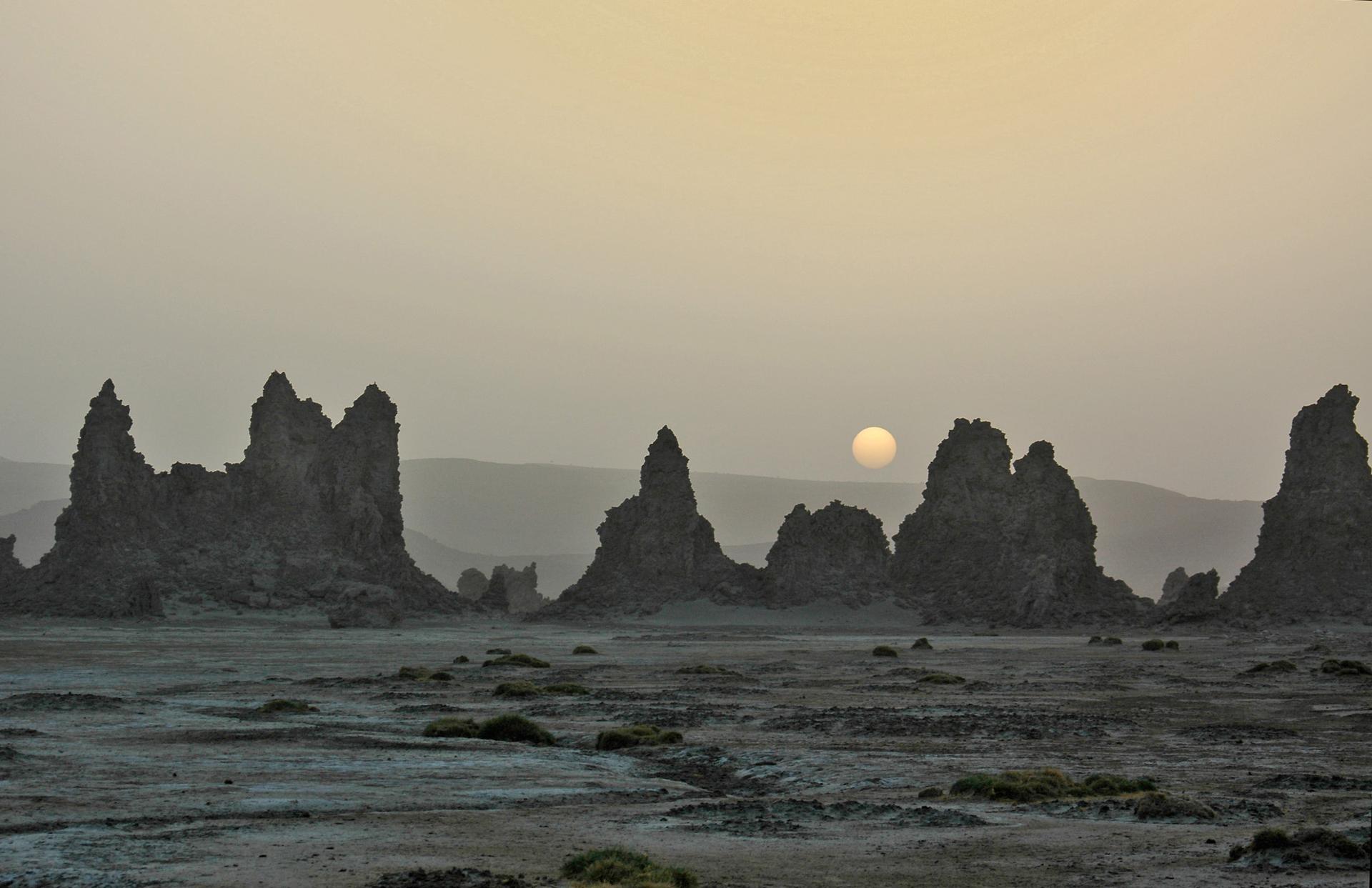
Looking beyond Asa Koma? Discover Dikhil Region for broader travel guides, local hot-spots, and regional highlights.
Explore Dikhil Region