

Moucha Island Travel Guide - Free Web & App
Your ultimate guide to Moucha Island. Discover top landmarks, proposed trips, and local tips. Free on the web or via the Evendo companion app.


Moucha Island, Djibouti offers coral reefs, warm Gulf of Tadjoura waters, snorkelling, diving, fishing and quiet day trips from Djibouti City.
Island Landscape and Marine Life
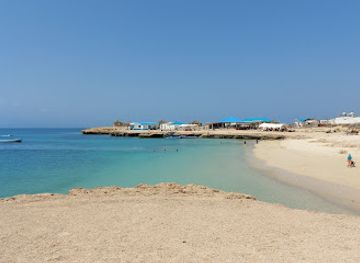
Moucha Island lies in the Gulf of Tadjoura, a short boat journey from Djibouti City on Djibouti’s northern coast. It forms part of the small Moucha–Maskali island group, a low, dry landscape surrounded by warm, clear waters, fringing reefs and sandy shallows. The island itself is modest in scale, with sparse vegetation and broad coastal views rather than mountains, forests or permanent urban infrastructure. Its greatest natural interest lies offshore, where coral communities, seagrass areas and sheltered channels support colourful reef fish and other marine life characteristic of the Red Sea and Gulf of Aden region.Read more about Moucha Island
A Quiet Offshore Heritage
Visiting Moucha
When is the best time to visit Moucha Island?
Best: December–February · 34–35°C| Month | High (°C) | Rainfall (mm) |
|---|---|---|
| January (best) | 34 | 0 |
| February (best) | 35 | 0 |
| March | 36 | 0 |
| April | 37 | 0 |
| May | 38 | 0 |
| June | 39 | 0 |
| July | 39 | 0 |
| August | 39 | 0 |
| September | 38 | 0 |
| October | 37 | 0 |
| November | 36 | 0 |
| December (best) | 34 | 0 |
Getting to and around Moucha Island
How to get there
Transportation
Best attractions in Moucha Island
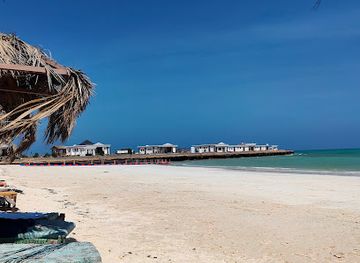
Moucha Island’s main attractions are marine and coastal. The surrounding Gulf of Tadjoura waters offer opportunities for snorkelling, diving, fishing and boat-based reef viewing, with coral communities and colourful reef fish providing the principal focus for visitors. Sheltered sandy shores and shallow water can create pleasant conditions for a beach stop, although swimming and landing depend on the weather, tides, local advice and the condition of the shoreline. The island’s low, arid interior is quiet rather than densely developed, making the contrast between dry land and warm blue water part of its appeal. Boat trips may also pass nearby Maskali Island, but it should be treated as a separate island destination rather than an attraction within Moucha. The wider gulf provides open views towards Djibouti’s mainland coast and a sense of the island group’s position within the Red Sea–Gulf of Aden marine environment.
-
Wildlife refuge
Plage de la mangrove
Explore the breathtaking beauty of Plage de la Mangrove, a wildlife refuge in Djibouti known for its rich biodiversity and serene coastal views.

Explore Moucha Island on the map
Plan your trip on one map. See where the top attractions, landmarks, restaurants and hotels are, and book hotels and experiences in a few clicks.
Best hotels in Moucha Island
Best nightclubs in Moucha Island
Moucha Island does not have an established nightlife scene, nightclubs or a dependable network of evening bars. Most visits are daytime marine excursions, and the island’s remoteness, limited infrastructure and lack of regular public transport make an evening return plan particularly important. The after-dark experience is generally one of quiet shoreline, open water and a very dark setting away from Djibouti City, but staying overnight should never be assumed to be permitted or serviced. Visitors seeking restaurants, hotel bars or more conventional evening entertainment should base themselves in Djibouti City, where the country’s principal concentration of hospitality venues is located. Local customs, the heat and the early timing of boat departures often make practical planning more relevant than nightlife during an island visit.
-
Island
Moucha Island
Experience the idyllic beauty and tranquil charm of Moucha Island, a tropical retreat in Djibouti’s azure waters.
-
Tourist attraction
Le K plage - Camp at Moucha Island
Experience the beauty and tranquility of Le K Plage on Moucha Island, an enchanting beach destination in Djibouti perfect for relaxation and adventure.
Get your free copy of our complete guide to Moucha Island, delivered straight to you.
Everything on this page, from attractions and restaurants to essentials and local phrases, in one PDF you can read offline, print or share.
Already have an account? Sign in
Your Moucha Island guide is ready.
We'll send it to · Not you? Sign out

Getting your guide ready…
We are putting together a fresh copy of the Moucha Island guide. This can take up to a minute.
This can take a few moments. If your browser asks, choose Allow so the download can start. You'll find the guide in your Downloads folder.
Nothing happened? Download it again
Sorry, the guide is taking longer than usual. Please try again in a minute, or get it by email instead.
Moucha Island essentials
Currency and Payment
Safety
Emergency Situations
Do's and Don'ts
Local Tips
From Eve
Local phrases worth knowing
You don't need to get them perfect. A few words go a long way, and locals appreciate the effort.
Basics
| English | Local | Say it |
|---|---|---|
| Hello | Salaam | [sa-laam] |
| Goodbye | Ma'a salama | [ma-a sa-la-ma] |
| Yes | Eey | [ee-y] |
| No | Maya | [ma-ya] |
| Please/You're welcome | Marhaba | [mar-ha-ba] |
| Thank you | Shukran | [shuk-ran] |
| Excuse me/Sorry | Samahani | [sa-ma-ha-ni] |
| How are you? | Kifak? | [ki-fak] |
| Fine. And you? | Mni7. Wa int? | [mni7. wa int] |
| Do you speak English? | Tetkallem englizi? | [tet-kal-lem en-gli-zi] |
| I don't understand | Ana ma fahim | [a-na ma fa-him] |
Eating & Drinking
| English | Local | Say it |
|---|---|---|
| I'd like to see the menu, please | Biddi ara l-qima, min fadlik | [bid-di a-ra l-qi-ma, min fa-dlik] |
| I don't eat meat | Ana ma kool la7m | [a-na ma kool la7m] |
| Cheers! | Saha! | [sa-ha] |
| I would like to pay, please | Biddi adfa3, min fadlik | [bid-di ad-fa3, min fa-dlik] |
Emergencies
| English | Local | Say it |
|---|---|---|
| Help! | Musaid! | [mu-said] |
| Go away! | Irja3! | [ir-ja3] |
| Call the Police! | Id3u l-shurta! | [id3u l-shur-ta] |
| Call a doctor! | Id3u tabib! | [id3u ta-bib] |
| I'm lost | Ghilt | [ghilt] |
| I'm ill | Ana mareed | [a-na ma-reed] |
Shopping
| English | Local | Say it |
|---|---|---|
| I'd like to buy... | Biddi ashtari... | [bid-di ash-ta-ri] |
| I'm just looking | Ana bass bafham | [a-na bas ba-fham] |
| How much is it? | Kam hada? | [kam ha-da] |
| That's too expensive | Hadak ghali zayd | [ha-dak gha-li zayd] |
| Can you lower the price? | Tefdal isse3 hel tari9a? | [tef-dal is-se3 hel ta-ri9a] |
Time & Numbers
| English | Local | Say it |
|---|---|---|
| What time is it? | Sh7al sa3a? | [sh-hal sa3a] |
| It's one o'clock | Sa3a wahda | [sa3a wah-da] |
| Half past (10) | Nus sa3a (10) | [nus sa3a (10)] |
| Morning | Sbah | [s-bah] |
| Afternoon | Douh | [douh] |
| Evening | 3asha | [3a-sha] |
| Yesterday | Mbare7 | [m-ba-re7] |
| Today | Lyawm | [lyawm] |
| Tomorrow | Ghadan | [gha-dan] |
| 1 | Wahed | [wa-hed] |
| 2 | Ethnen | [eth-nen] |
| 3 | Thalatha | [tha-la-tha] |
| 4 | Arbaa | [ar-baa] |
| 5 | Khamsa | [kham-sa] |
| 6 | Sitta | [sit-ta] |
| 7 | Sab3a | [sab-3a] |
| 8 | Tamania | [ta-ma-ni-a] |
| 9 | Tis3a | [tis-3a] |
| 10 | Ashara | [a-sha-ra] |
Transport & Directions
| English | Local | Say it |
|---|---|---|
| Where's a/the...? | Feen... | [fee-en] |
| What's the address? | Shu l-wasfa? | [shu l-was-fa] |
| Can you show me (on the map)? | Tefdal terini (3al khariita)? | [tef-dal te-ri-ni (3al kha-rii-ta)] |
| When's the next (bus)? | Itha il bas kif yiji? | [itha il bas kif yi-ji] |
| A ticket (to ....) | Tiqit (ila ...) | [ti-kit (i-la ...)] |
History of Moucha Island
A Gulf Shaped by Geology
Moucha Island belongs to the geologically active landscape of the Gulf of Tadjoura, where the Gulf of Aden meets the East African Rift system. The surrounding waters occupy a zone shaped by tectonic movement, arid climate and the development of reef environments in warm, relatively shallow seas. Geological processes are not human history, but they explain the island’s low profile, dry character and maritime setting. Coral growth and sediment have helped form the coastal shallows and reef habitats that now underpin Moucha’s recreational importance.
Maritime Connections
The islands lie within a long-established maritime corridor linking the shores of the Horn of Africa with Arabia and the wider Red Sea. Before modern port infrastructure, movement through the Gulf of Tadjoura depended on small sailing and fishing craft, seasonal knowledge and coastal trade. Moucha’s historical record is less extensively documented for visitors than that of Djibouti City or Tadjoura, but its location places it within the seafaring world that connected Afar, Somali, Arab and other communities around the gulf. Fishing and the practical use of coastal waters remain important parts of the wider regional identity.
Colonial-Era Djibouti
The modern history of the islands is closely connected with the development of the port of Djibouti under French rule. French Somaliland, established as a colonial territory in the late nineteenth century, grew around maritime trade, coaling, shipping and the railway connection towards Ethiopia. Moucha was part of the offshore landscape used and navigated in relation to this expanding port, although it did not develop into a major urban settlement. The island’s proximity to Djibouti City today reflects the same enduring geographical relationship between the capital, its harbour and the gulf.
From Port Outpost to Marine Excursion
After Djibouti became independent in 1977, Moucha remained a small offshore destination rather than a heavily built resort. Its appeal increasingly came from access to the sea: reef observation, fishing, diving, boating and quiet coastal recreation. The island and its surrounding waters form part of a broader marine environment that requires careful management, especially as coral reefs are sensitive to anchoring, pollution, warming seas and physical contact. Contemporary visits are therefore shaped as much by responsible marine practice and local boat access as by the island’s limited land-based facilities.
Moucha Island in Photos
Browse through our photo collection highlighting the charm and character of the destination.
Neighbouring destination travel guides
The closest destinations to Moucha Island, if you have time for more than one.
-
-

-

-

-


Swipe for more destinations
Explore more

Explore more of Obock Region
Explore Djibouti’s remote Obock Region for Afar heritage, volcanic shores, mangroves, desert landscapes and marine life in the Seven Brothers.
Explore Obock Region
Explore more of Djibouti
Discover Djibouti: A hidden gem in the Horn of Africa, where stunning landscapes, rich culture, and unique adventures await every traveler.
Explore Djibouti