Cotubanamá National Park: A Dominican Republic Jewel
Discover the natural wonders and ancient history of Cotubanamá National Park in the Dominican Republic, where pristine beaches, lush forests, and Taíno caves await your exploration.
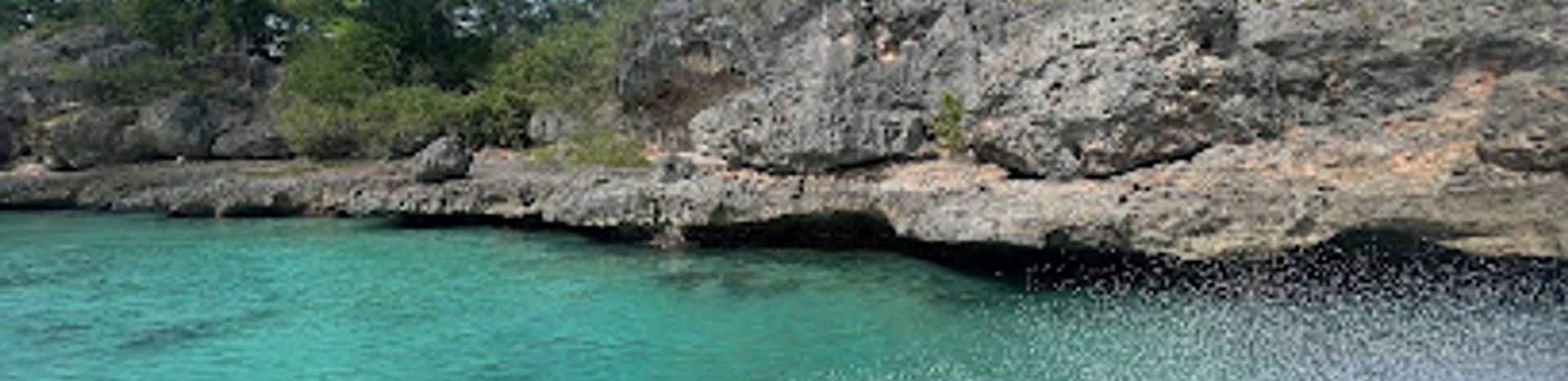
Cotubanamá National Park, formerly known as Parque Nacional del Este, is a sprawling protected area on the southeastern coast of the Dominican Republic, a treasure trove of biodiversity and historical significance. Encompassing both land and sea, the park boasts pristine beaches, including the famed Saona Island, stunning coral reefs, and a network of caves adorned with ancient Taíno rock art. Visitors can explore diverse ecosystems, from lush forests to mangrove swamps, and encounter a variety of wildlife, including numerous bird species, marine life, and the elusive West Indian manatee. Whether you seek adventure, relaxation, or a deeper connection with nature and history, Cotubanamá National Park offers an unforgettable Caribbean experience, inviting you to discover the natural and cultural wonders of the Dominican Republic.
A brief summary to Cotubanamá National Park
- Duarte 10, Higüey, 23000, DO
- +1809-720-6035
- Visit website
Local tips
- Wear comfortable shoes suitable for hiking, as exploring the caves and trails involves some walking.
- Bring swimwear and snorkeling gear to take advantage of the pristine beaches and coral reefs.
- Hire a local guide to learn about the park's history, ecology, and the significance of the Taíno caves.
- Pack sunscreen, insect repellent, and a hat to protect yourself from the sun and insects.
- Bring Dominican pesos for entrance fees, souvenirs, and local transportation, as credit cards may not be widely accepted.

Getting There
-
Taxi/Ride-Share
From Altos de Chavón, a taxi or ride-share is a convenient option for reaching Cotubanamá National Park. The journey typically takes around 30-40 minutes, depending on traffic. Agree on a fare with the driver before starting your trip. Expect to pay approximately DOP 1500-2000 for the ride.
-
Public Transport
From La Romana, take a 'guagua' (local bus) towards Bayahibe. Guaguas are a cost-effective way to travel, but can be crowded. The bus will drop you off in Bayahibe, from where you can take a taxi or 'motoconcho' (motorcycle taxi) to the park entrance or the Bayahibe port for Saona Island tours. The bus fare is around DOP 100-150, and the taxi/motoconcho from Bayahibe to the park entrance will cost an additional DOP 200-300.
-
Ferry
If your primary destination within the park is Saona Island, ferries and tour boats depart regularly from the Bayahibe port. Round-trip tickets typically range from USD 35-100, depending on the type of boat (catamaran or speedboat) and the inclusions (lunch, drinks, snorkeling). A park entrance fee of approximately USD 5 may be included in the tour price or payable separately at the port.
Discover more about Cotubanamá National Park
Iconic landmarks you can’t miss

Cueva del Puente
11.3 km
Explore the breathtaking Cueva del Puente in Guaraguao, a natural wonder with stunning rock formations and serene landscapes, perfect for adventurers and nature lovers.
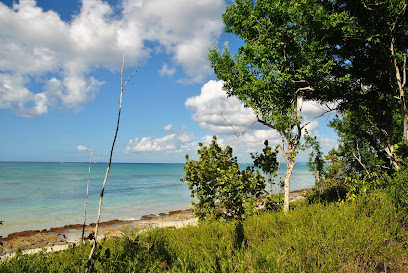
Cadaques Caribe Resort & Villas
12.8 km
Experience the ultimate Caribbean escape at Cadaques Caribe Resort & Villas, where luxury meets relaxation in a stunning seaside paradise.

Padre Nuestro
12.9 km
Discover the serene beauty of Padre Nuestro Park in Dominicus, a hidden gem perfect for nature lovers and explorers seeking tranquility.
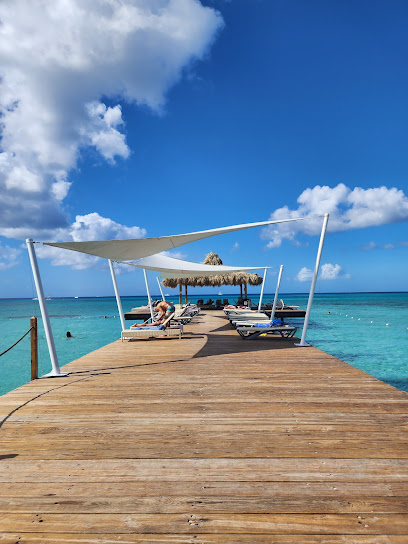
Playa Dominicus
13.6 km
Discover the serene beauty of Playa Dominicus, a tropical beach paradise in the Dominican Republic, perfect for relaxation and adventure alike.
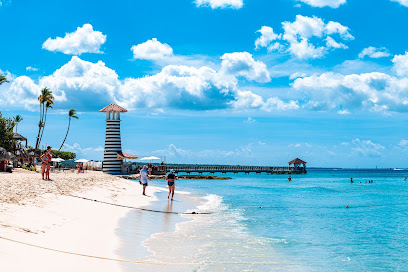
Dreams Dominicus La Romana
14.3 km
Experience Unlimited-Luxury® on the stunning beachfront of Bayahibe at Dreams Dominicus La Romana, where turquoise waters, gourmet dining, and endless activities await for an unforgettable Caribbean escape.
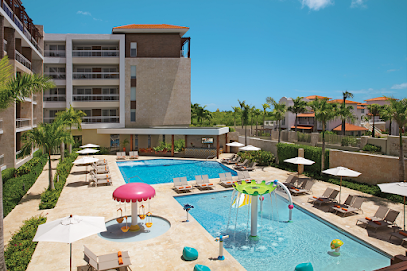
Catalonia Bayahibe
14.5 km
Discover the serene beauty of Catalonia Bayahibe, a tropical paradise offering luxurious amenities, stunning beaches, and unforgettable experiences in the Dominican Republic.
Dressel Divers Bayahibe
14.7 km
Explore the breathtaking underwater world at Dressel Divers Bayahibe, the premier diving center in the Dominican Republic.
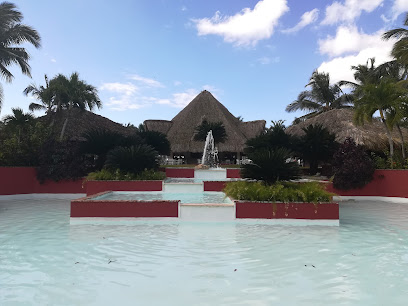
Playa Pública Dominicus
15.0 km
Discover the tranquil beauty of Playa Pública Dominicus, a stunning beach oasis in the Dominican Republic perfect for relaxation, water sports, and experiencing local culture.
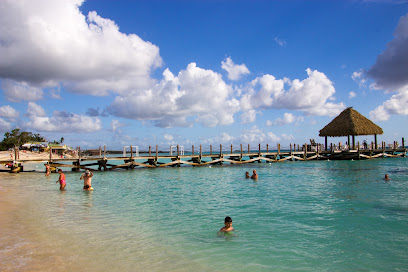
Bus stop Dominicus-Bayahibe Dominicus-La Romana
15.0 km
Explore the Dominican Republic with ease from Bus Stop Dominicus-Bayahibe, your gateway to beaches and cultural treasures.
Asociación de Hoteles La Romana Bayahibe
15.0 km
Explore the Dominican Republic's stunning landscapes and vibrant culture at Asociación de Hoteles La Romana Bayahibe, your essential tourist information hub.

Franconero Escursioni
15.1 km
Unleash your adventurous spirit at Franconero Escursioni, where unforgettable tours and experiences await in the stunning Dominican Republic.
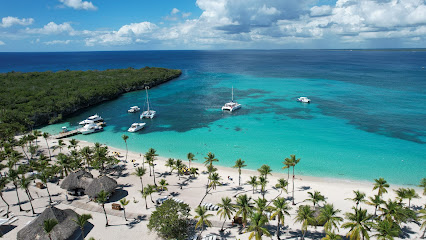
La Terracita
15.2 km
Experience the taste of Italy with a Caribbean twist at La Terracita in Dominicus, offering fusion cuisine, live music, and a vibrant atmosphere for an unforgettable dining experience.
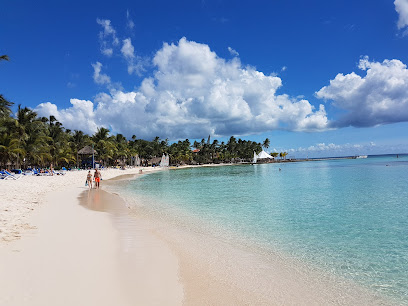
Color Cafe
15.4 km
Discover the vibrant flavors of Dominican coffee at Color Cafe, the perfect spot to relax and recharge in Dominicus.
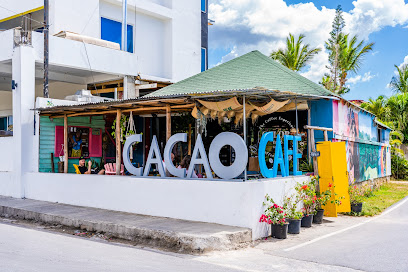
Blu Café
15.4 km
Discover the perfect blend of relaxation and flavor at Blu Café in Dominicus, offering stunning coastal views and a vibrant menu.
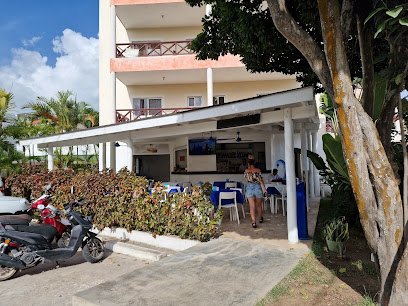
Tracadero Restaurant
15.9 km
Experience the exquisite flavors and breathtaking ocean views at Tracadero Restaurant in Dominicus, a top dining destination for tourists.
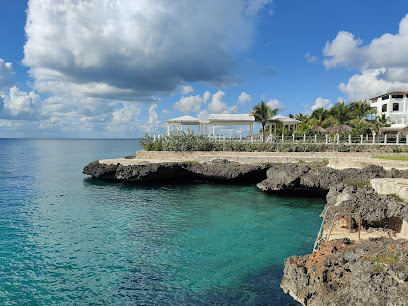
Unmissable attractions to see

East National Park
13.1 km
Explore the captivating landscapes and rich biodiversity of East National Park in the Dominican Republic, a true paradise for nature lovers and adventure seekers.
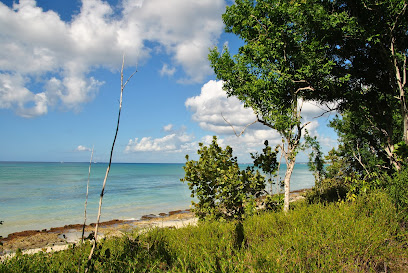
Parque national Cotubamana'
13.1 km
Discover the breathtaking landscapes and serene tranquility of Parque National Cotubamana, a paradise for nature lovers in the Dominican Republic.
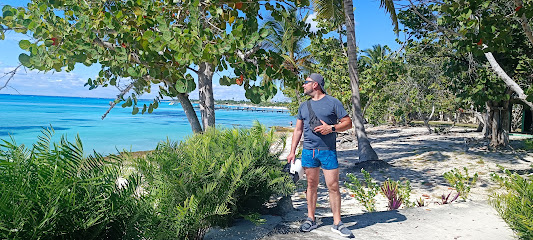
Cueva de Chicho
14.9 km
Discover the stunning Cueva de Chicho, a natural wonder in the Dominican Republic perfect for hiking and exploration.
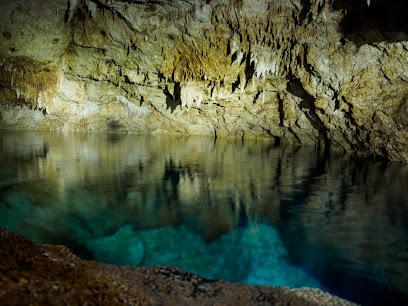
Cueva Padre Nuestro
15.2 km
Explore the breathtaking beauty of Cueva Padre Nuestro, a hidden gem in the Dominican Republic featuring stunning caves, lush landscapes, and unique wildlife.
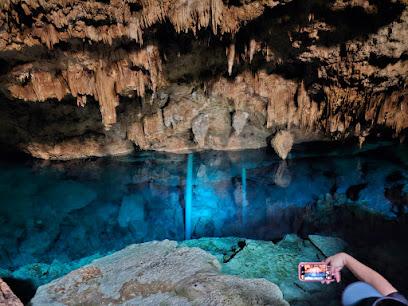
Reef Oasis Viva Dominican
15.2 km
Experience the vibrant underwater world at Reef Oasis Viva Dominican, a premier diving destination in Bayahibe, Dominican Republic.
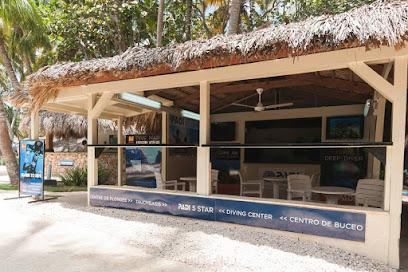
Parque Nacional del Este
15.7 km
Discover the stunning landscapes and rich biodiversity of Parque Nacional del Este, a must-visit national park in the Dominican Republic.
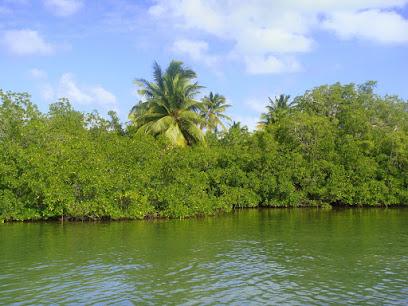
Saona Island
16.4 km
Explore the pristine beaches and vibrant ecosystems of Saona Island, a tropical paradise in the Dominican Republic perfect for relaxation and adventure.
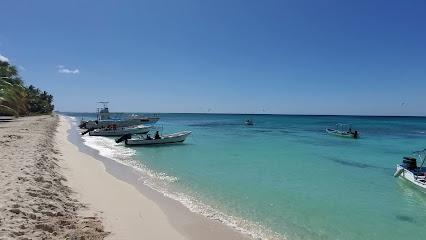
Cotubanama National Park
16.4 km
Explore the breathtaking landscapes and diverse ecosystems of Cotubanama National Park, a hidden paradise in the Dominican Republic.
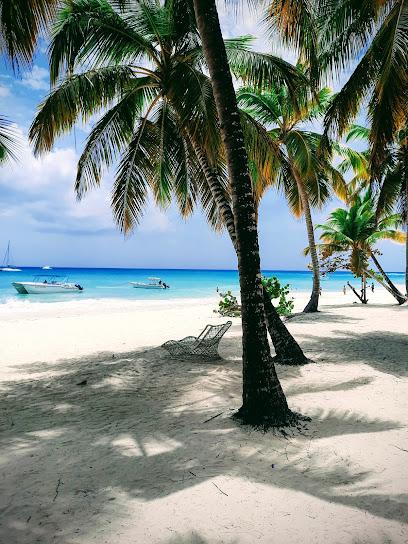
Rancho Bayahibe
17.0 km
Explore the breathtaking beauty and diverse ecosystems of Rancho Bayahibe, a must-visit tourist attraction in the Dominican Republic.
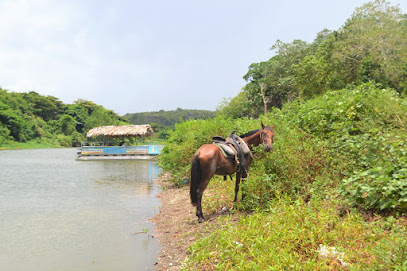
Bayahíbe
17.2 km
Experience the stunning beaches and vibrant culture of Bayahíbe, your gateway to paradise in the Dominican Republic.
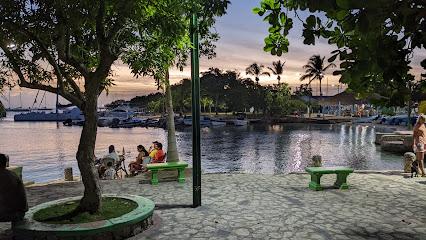
Quetzal Catamaran Excursions - Saona & Catalina
17.3 km
Discover the pristine beauty of Saona and Catalina Islands with Quetzal Catamaran Excursions, an unforgettable tropical adventure in the Dominican Republic.
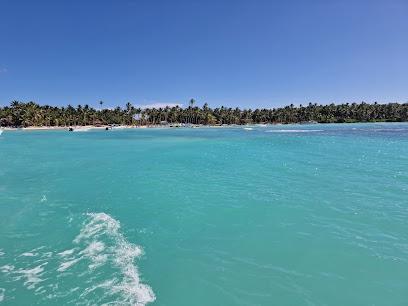
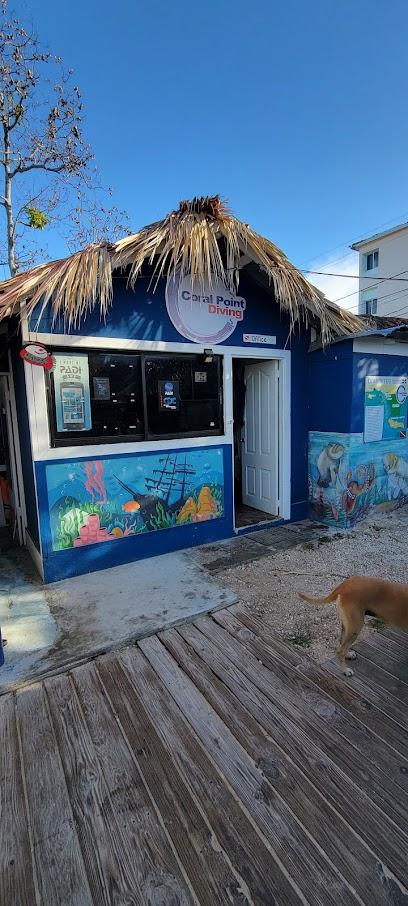
Coral Point Diving
17.3 km
Explore the vibrant underwater world at Coral Point Diving in Bayahibe, where adventure and stunning marine life await every diving enthusiast.
Tanama Jungle Ranch
17.3 km
Discover the breathtaking beauty and adventure of Tanama Jungle Ranch, a tropical paradise in Bayahibe, Dominican Republic.
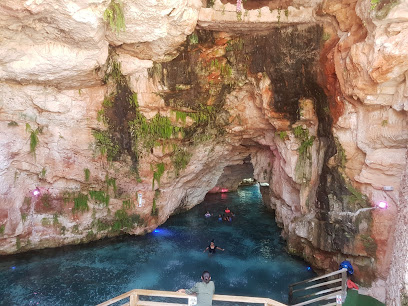
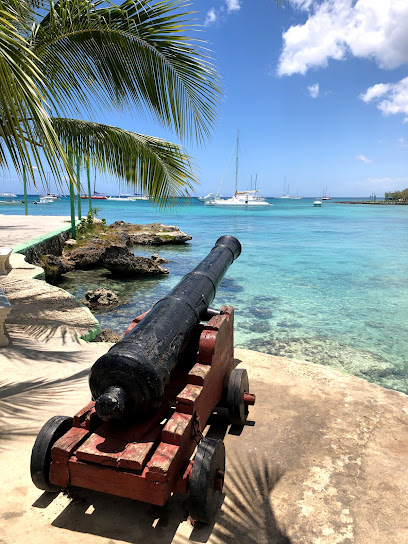
Monument
17.3 km
Explore the Monument in Bayahibe, a symbol of Dominican heritage, surrounded by breathtaking landscapes and rich cultural history.
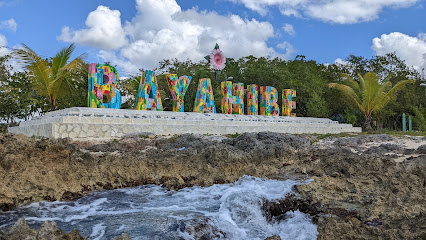
Letrero Bayahibe
17.6 km
Discover the stunning Letrero Bayahibe, a coastal paradise in the Dominican Republic, perfect for relaxation, adventure, and exploration.
Essential places to dine

La isla
14.4 km
Discover La Isla in Dominicus – where fast food meets local flavor in a vibrant setting perfect for tourists seeking quick delights.
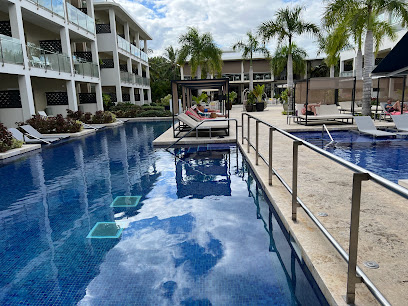
Toscana
14.5 km
Experience authentic Dominican flavors fused with international cuisine at Toscana in Dominicus - a culinary gem for every traveler.
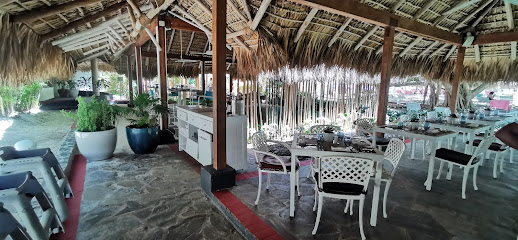
Bella'mbriana bayahibe- Pizzeria Italiana
14.9 km
Experience authentic Italian flavors at Bella'mbriana Bayahibe - where every meal feels like a vacation.
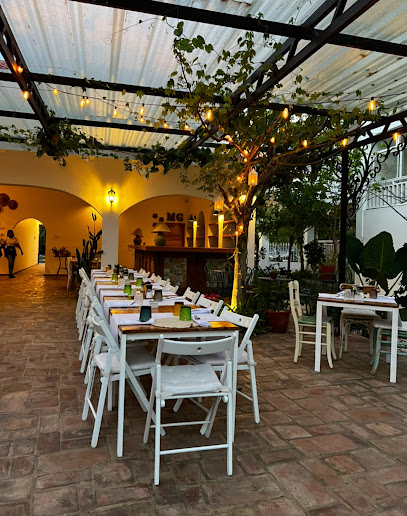
IL Boccale Taberna
15.0 km
Experience the best of Dominican cuisine at IL Boccale Taberna - where every meal is a celebration of flavor.
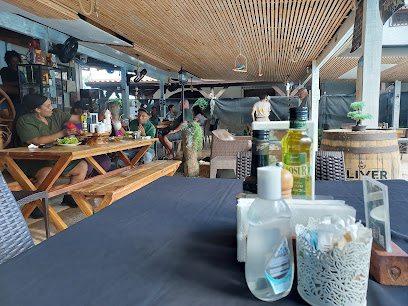
D' Manuel la Cueva - Restaurante
15.1 km
Discover delicious Dominican cuisine at D' Manuel la Cueva, where every dish tells a story and every meal is an experience.
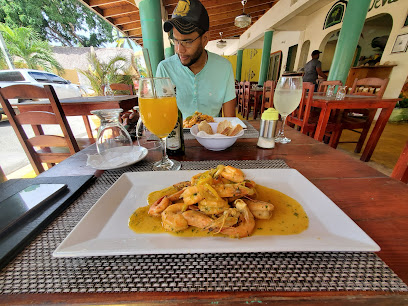
L' Ombelico Del Mundo
15.2 km
Discover authentic Dominican cuisine at L' Ombelico Del Mundo in Dominicus – where flavors meet vibrant ambiance.
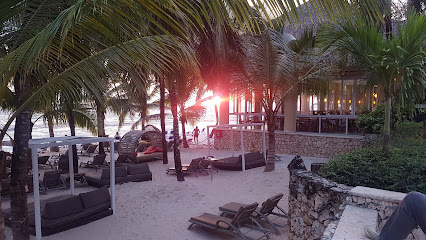
Tamashi Bayahibe Sushi Restaurant
16.1 km
Experience exquisite sushi and authentic Japanese cuisine at Tamashi Bayahibe Sushi Restaurant in Dominicus.
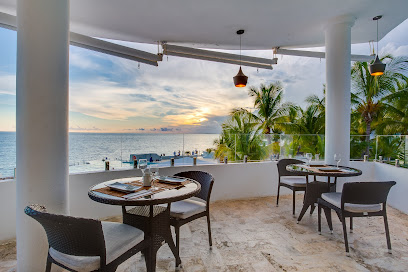
CORAZON DE BAYAHIBE ( ALMUERZO CRIOLLO)
16.7 km
Experience authentic Creole cuisine in the heart of Bayahibe at Corazon de Bayahibe, where family-friendly dining meets local charm.
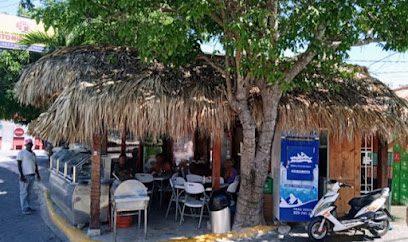
Garden Restaurant
17.0 km
Experience authentic Italian cuisine at Garden Restaurant in Bayahíbe, where every meal is crafted with passion and fresh local ingredients.
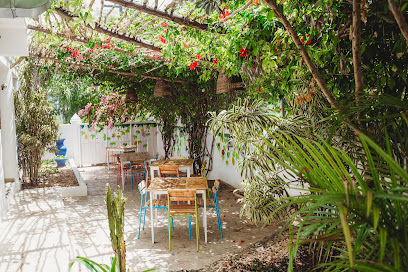
Perlage Cafe
17.1 km
Discover Perlage Cafe: A Culinary Haven in Los Melones Offering Exquisite Local and International Dishes.
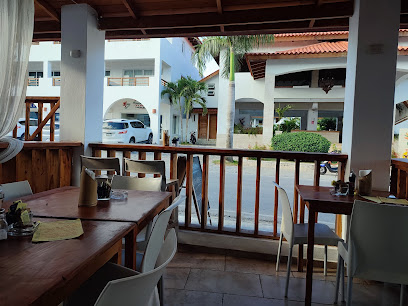
Mopa Café
17.1 km
Experience authentic Dominican flavors at Mopa Café in Bayahíbe - where delicious food meets warm hospitality.
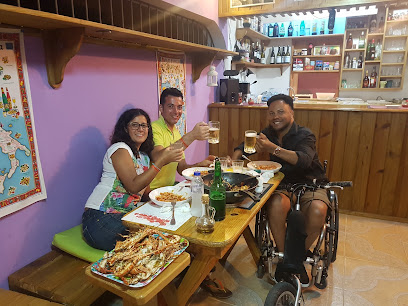
Las Iguanas Bayahibe
17.1 km
Discover exquisite Caribbean cuisine at Las Iguanas Bayahibe, where vibrant flavors meet stunning coastal views for an unforgettable dining experience.
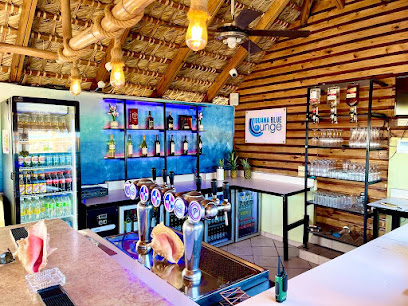
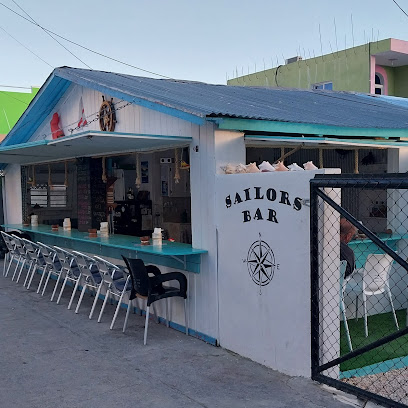
Sailors cafe & bar
17.2 km
Discover Sailors Cafe & Bar in Bayahíbe: where mouthwatering hamburgers meet warm hospitality amidst stunning Caribbean vibes.
FRONTONI PIZZA
17.2 km
Discover the best pizza in Bayahibe at Frontoni Pizza – where authentic flavors meet warm hospitality.
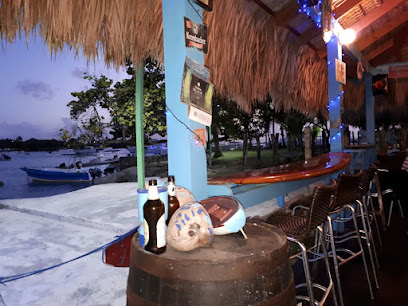
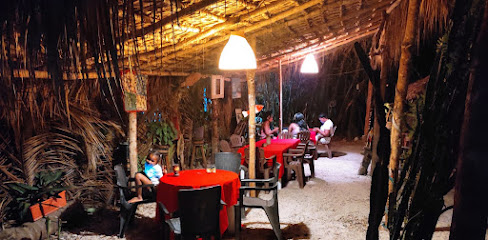
EL PARAISO DE MARITZA
17.2 km
Discover authentic Dominican flavors at El Paraiso de Maritza in Bayahíbe - where delicious food meets breathtaking views.
Markets, malls and hidden boutiques

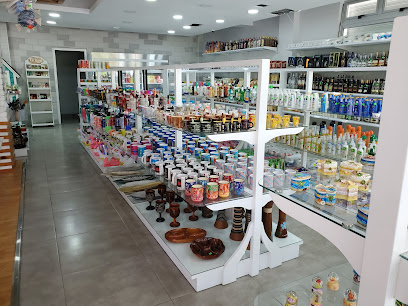
Petite Boutique Souvenir
14.5 km
Discover a treasure trove of unique souvenirs and stylish apparel at Petite Boutique Souvenir in Dominicus.
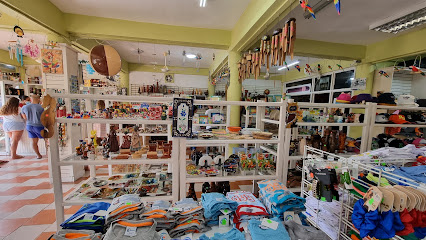
Palma Dominicus Gift Shop
14.6 km
Shop for unique local crafts and souvenirs at Palma Dominicus Gift Shop, where the spirit of the Dominican Republic comes alive.
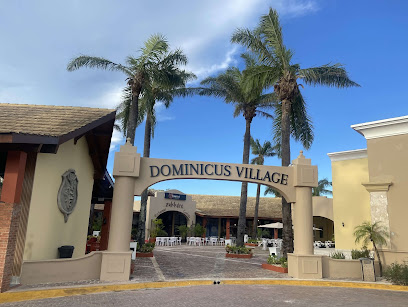
Dominicus Village
14.7 km
Experience the vibrant shopping and dining scene at Dominicus Village, a Caribbean gem offering local culture and beautiful coastal views.
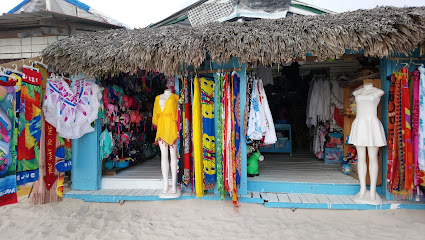
Channel Gift Shop
14.9 km
Explore Channel Gift Shop in Dominicus for vibrant clothing and unique souvenirs that capture the spirit of the Caribbean.
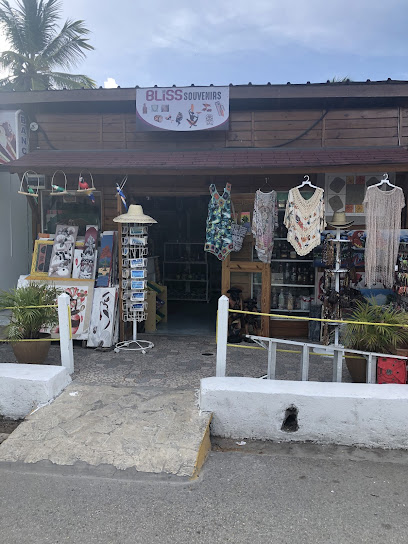
Bliss souvenirs
14.9 km
Explore Bliss Souvenirs in Dominicus for authentic Dominican crafts and gifts that capture the essence of the island's vibrant culture.
Route 66
15.0 km
Discover a vibrant shopping experience at Route 66 in Dominicus, where local culture meets modern retail in a delightful atmosphere.
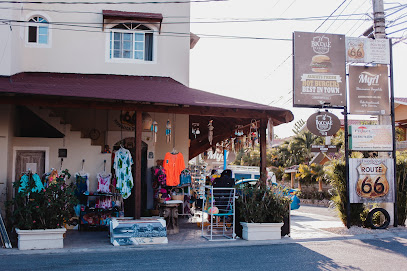
Mama Boutique
15.0 km
Discover stylish beachwear, unique accessories, and vibrant clothing at Mama Boutique in Dominicus, your ultimate shopping destination for island fashion.
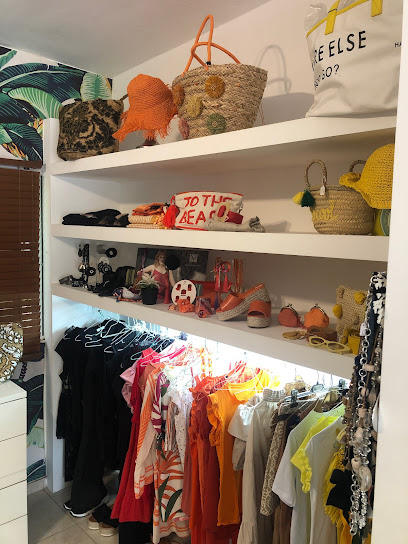
Eclipse Gift Shop
15.1 km
Discover unique local fashion and souvenirs at the Eclipse Gift Shop in Dominicus, showcasing the vibrant culture of the Dominican Republic.
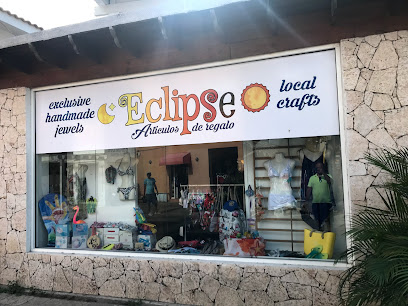
Flamboyan Gift Shop
15.1 km
Explore Flamboyan Gift Shop for unique Dominican souvenirs, from handcrafted items to local crafts, perfect for capturing your travel memories.
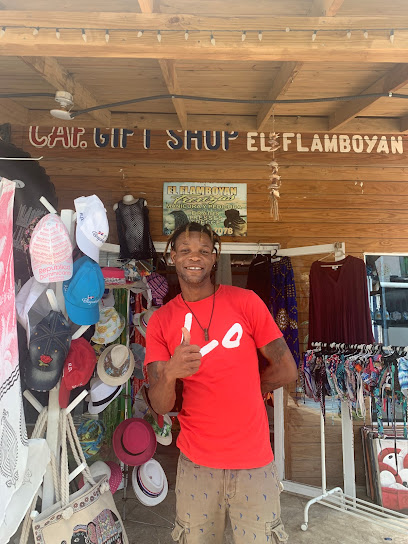
Dominican Souvenir Shop
15.1 km
Discover authentic Dominican craftsmanship at the Dominican Souvenir Shop, your go-to destination for unique gifts and local artistry.
Plaza Tropical Bayahibe
15.1 km
Discover the vibrant shopping experience at Plaza Tropical Bayahibe, where local culture meets culinary delights and unique souvenirs await.
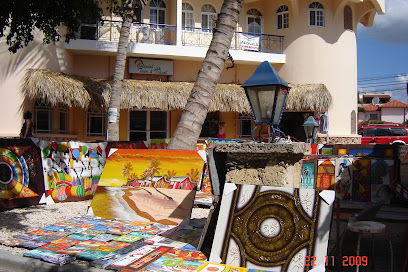
Магазин Рай - Gift Shop Sky
15.1 km
Explore Магазин Рай - Gift Shop Sky for unique souvenirs, handcrafted gifts, and premium Dominican cigars in the heart of Dominicus.
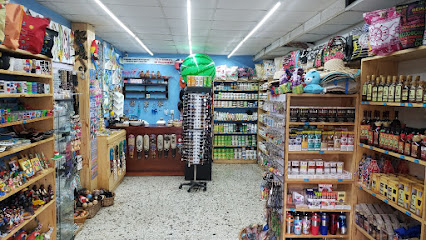
Cigar
15.2 km
Explore the heart of Dominican craftsmanship at Cigar Gift Shop, where unique souvenirs and premium cigars await every traveler.
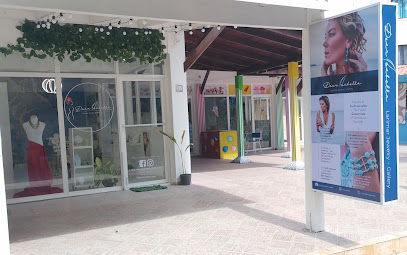
Dear Isabella Larimar Jewelry
15.2 km
Discover the beauty of larimar jewelry at Dear Isabella in Dominicus, where local craftsmanship meets stunning Caribbean elegance.
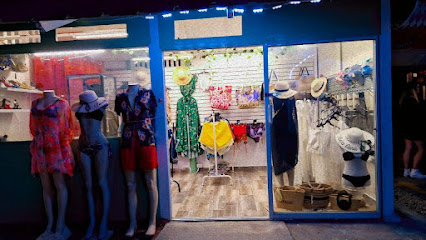
Bahia Fashion Boutique
15.2 km
Discover chic fashion and stylish accessories at Bahia Fashion Boutique in the heart of Dominicus, Dominican Republic.
Essential bars & hidden hideouts

Theater Bar
13.8 km
Experience the vibrant nightlife at Theater Bar in Dominicus, where cocktails and camaraderie create unforgettable late-night memories.
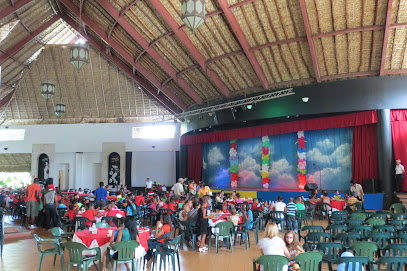
Plaza Bar
13.9 km
Experience the vibrant nightlife at Plaza Bar in Dominicus, where refreshing cocktails meet a lively atmosphere and local culture.
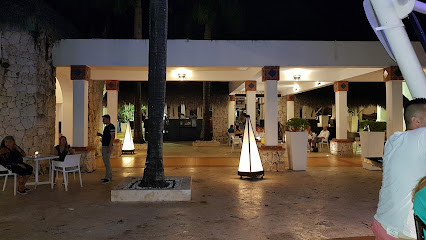
Sport Bar Veraclub
13.9 km
Discover the lively ambiance of Sport Bar Veraclub in Dominicus, where locals and tourists gather to enjoy cocktails, snacks, and the vibrant nightlife.
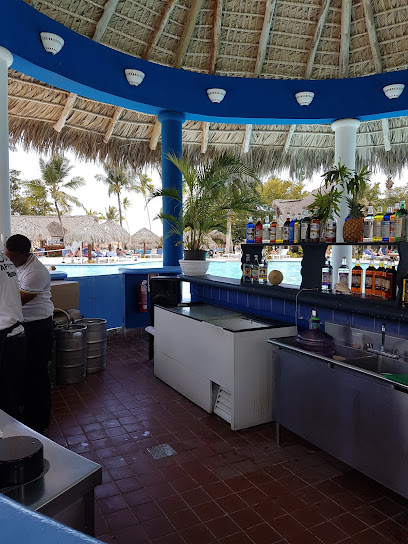
Pool Bar
13.9 km
Experience the ultimate relaxation at the Pool Bar in Dominicus, where refreshing drinks and a stunning atmosphere await every tourist.
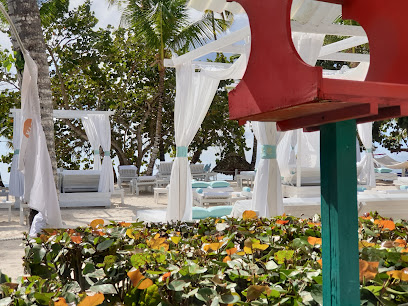
Be Unique Beach Bar
14.0 km
Unwind in paradise at Be Unique Beach Bar, where tropical drinks and stunning ocean views create the ultimate beach experience.
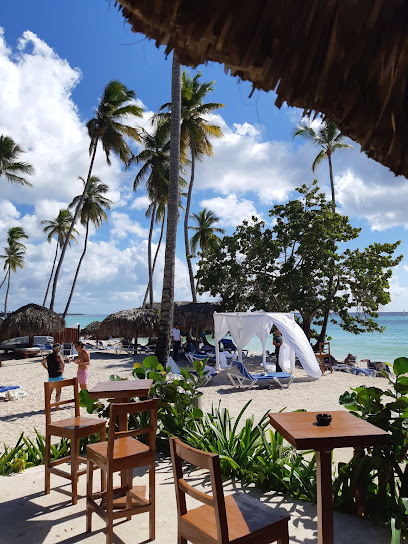
Bar Maloo
14.5 km
Experience the vibrant Caribbean spirit at Bar Maloo, a must-visit bar in Dominicus offering refreshing cocktails and delightful bites.
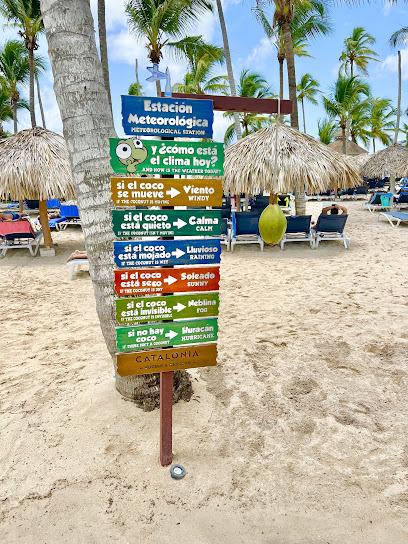
Kviar Show Disco & Casino Bayahibe
14.7 km
Discover the electrifying nightlife at Kviar Show Disco & Casino in Bayahibe, where thrilling games and vibrant entertainment unite for an unforgettable experience.
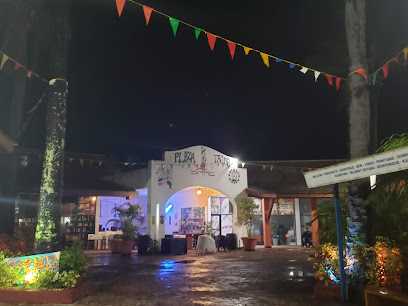
Faro de Bayahibe
14.8 km
Experience the vibrant atmosphere and stunning views at Faro de Bayahibe, the perfect bar for relaxation and enjoyment in the Dominican Republic.
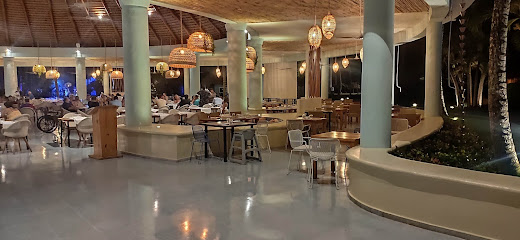
The Lost Bar & Restaurant
16.9 km
Experience vibrant nightlife and delicious local cuisine at The Lost Bar & Restaurant in Bayahíbe - a must-visit for every traveler.
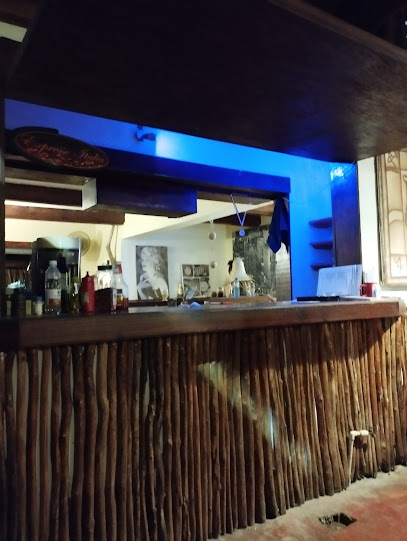
Chin Chin Cafe
17.1 km
Experience the vibrant atmosphere and refreshing drinks at Chin Chin Cafe, the perfect tropical escape in Bayahibe.
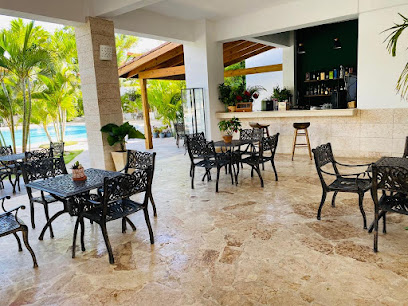
Bar Los primos
17.2 km
Experience the local vibe at Bar Los Primos, a vibrant bar in Bayahibe offering refreshing drinks and lively atmosphere, perfect for tourists.
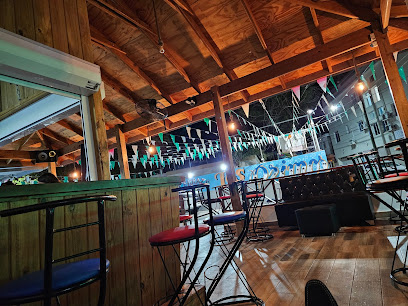
Bar La Plaza
17.3 km
Experience the vibrant flavors of the Dominican Republic at Bar La Plaza in Bayahíbe, a delightful bar and restaurant serving local cuisine in a welcoming atmosphere.
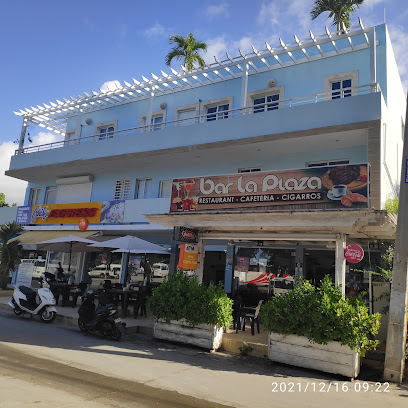
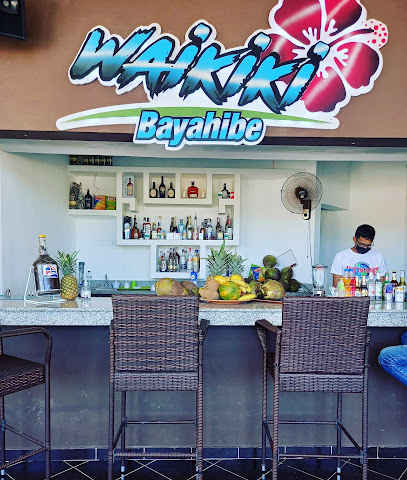
Bayahibe Waikiki
17.4 km
Experience the vibrant nightlife at Bayahibe Waikiki, where cocktails, music, and an inviting atmosphere create unforgettable memories.
Blue Bar
18.0 km
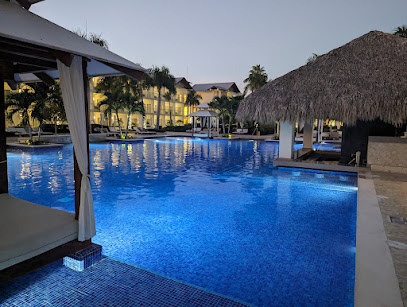
Experience tropical bliss at Blue Bar in Bayahíbe, where cocktails and stunning views create the perfect getaway.
Soleil
18.0 km
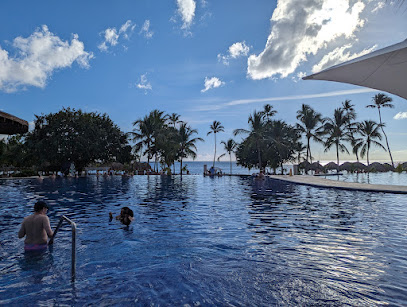
Experience the vibrant nightlife at Soleil in Bayahíbe, where delicious cocktails and a lively atmosphere await every tourist.
Nightclubs & after hour spots

Disco
13.9 km
Experience unforgettable nightlife at Disco in Dominicus, where vibrant music, dancing, and a lively atmosphere await every visitor.
LUXURY CLUB BAYAHIBE
14.7 km
Dive into the vibrant nightlife of Luxury Club Bayahibe, where unforgettable dance experiences and thrilling music come alive in the heart of Dominicus.
Luxury bayahibe
15.2 km
Discover Luxury Bayahibe, where upscale nightlife meets the vibrant energy of Dominicus for an unforgettable evening of music and dance.
Shaki Ventura bar
15.4 km
Experience the vibrant nightlife at Shaki Ventura Bar in Dominicus, where dancing and delicious food come together for an unforgettable night out.
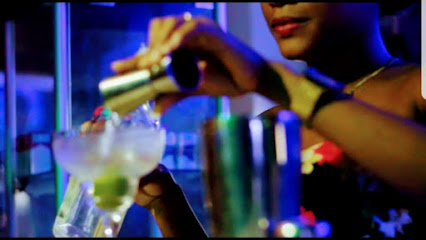
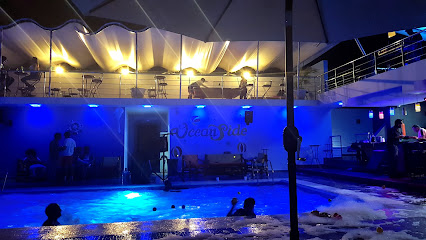
OCEAN SIDE
17.0 km
Experience the vibrant nightlife at Ocean Side in Bayahibe, where music, dance, and unforgettable moments await every visitor.
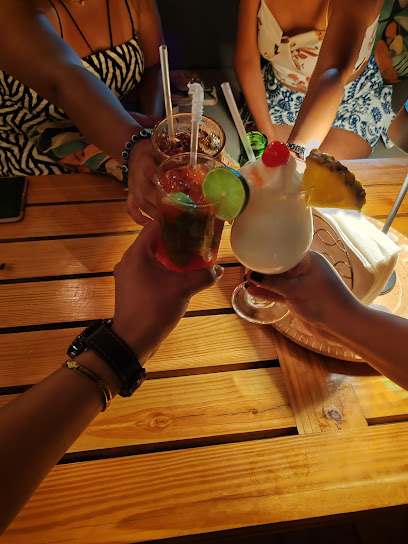
BEACHSIDE by Onno's
17.4 km
Discover the vibrant nightlife and exquisite Asian cuisine at BEACHSIDE by Onno's in La Romana, a perfect blend of dining and dancing.
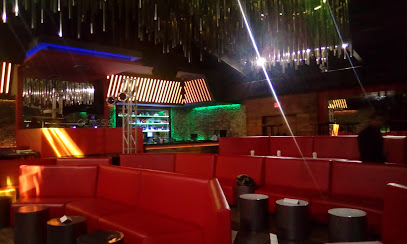
Genesis Night Club
25.0 km
Discover La Romana's nightlife at Genesis Night Club, where vibrant music and energetic vibes create unforgettable nights in the heart of the Dominican Republic.
Vip Internacional
32.3 km
Discover the vibrant nightlife of La Romana at Vip Internacional, where music, dancing, and unforgettable moments await.
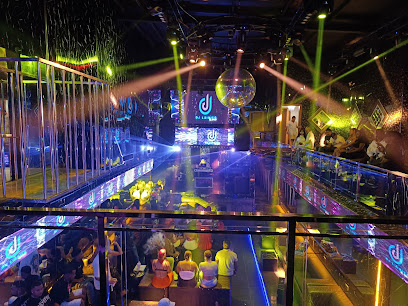
D'Luhho Disco
32.3 km
Experience the vibrant nightlife at D'Luhho Disco, the ultimate destination for dance and music enthusiasts in La Romana, Dominican Republic.
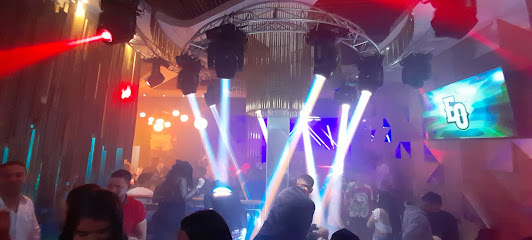
Dubai Disco
32.4 km
Discover the electrifying nightlife of La Romana at Dubai Disco, where music, dance, and unforgettable experiences await.
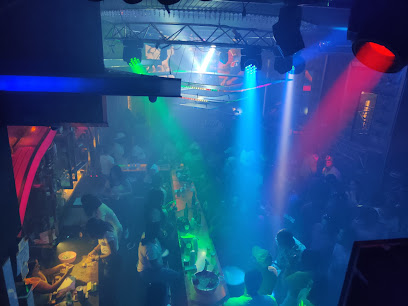
Embassy Bar & Lounge
32.4 km
Discover the vibrant nightlife of La Romana at Embassy Bar & Lounge, where music, cocktails, and unforgettable memories await.
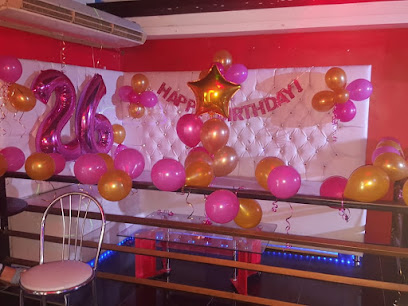
Home Jones
32.6 km
Discover the electrifying nightlife at Home Jones in La Romana, the ultimate destination for music, dancing, and unforgettable memories.
Mentirosa Night Club
32.7 km
Discover the heart of Higüey's nightlife at Mentirosa Night Club, where music, dance, and unforgettable experiences await.
911 sport bar
33.2 km
Dive into the vibrant nightlife of La Romana at 911 Sport Bar, where music and sports collide for an unforgettable experience.

La Tablita de Ñoño
34.6 km
Dive into the electrifying nightlife of Higüey at La Tablita de Ñoño, where vibrant beats and lively crowds create unforgettable memories.