Punta Cormorant Travel Guide
Free Guide: Explore unique beaches, observe flamingos, and encounter diverse wildlife at this captivating Galapagos location on Floreana Island.


A brief summary of Punta Cormorant
Explore unique beaches, observe flamingos, and encounter diverse wildlife at this captivating Galapagos location on Floreana Island.
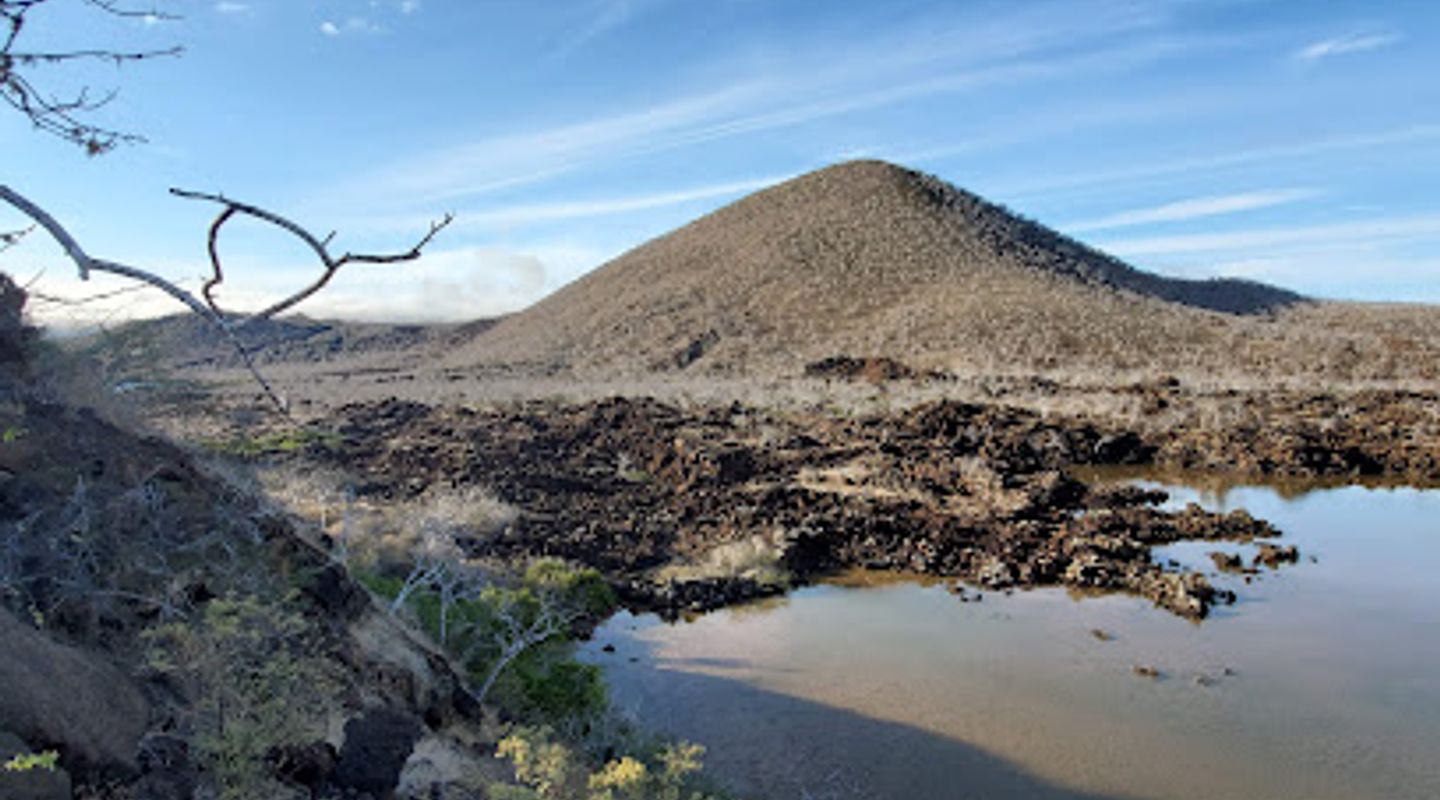
Punta Cormorant, located on the northern coast of Floreana Island in the Galapagos, is a captivating site boasting unique green and white sand beaches, a flamingo-filled lagoon, and diverse wildlife. It's a haven for birdwatchers and nature enthusiasts alike.
- Address
- QHFF+VWP, Isla Floreana, Puerto Flores
Getting there
Boat
Discover more about Punta Cormorant
Overview
Punta Cormorant, situated on the northern coast of Floreana Island, is a remarkable Galapagos destination offering a diverse range of natural wonders. The visitor site is named after the British naval vessel HMS Cormorant, though the exact origin of the name remains a mystery as there are no cormorants at the site.The point features two contrasting beaches: one with a distinctive greenish hue due to olivine crystals, and another with powdery white sand composed of finely ground coral. The green beach is a result of volcanic crystals originating from the Earth's mantle, composed of aluminum, silica, magnesium, and iron. A trail stretching approximately 720 meters connects these beaches, leading past a brackish lagoon.The lagoon is a prime location for observing American flamingos, often seen wading in the shallow waters. Other bird species, such as white-cheeked pintails, stilts, and large-billed flycatchers, also inhabit the area. The white sand beach serves as a nesting ground for Pacific green sea turtles from December to March. Stingrays are commonly spotted in the sand, though swimming is prohibited on this beach to protect the nesting turtles and avoid disturbing the rays.Visitors can also observe other wildlife, including Darwin's finches, Galapagos flycatchers, marine iguanas, and lava lizards. Snorkeling is permitted off the olivine beach, offering opportunities to encounter sea turtles, reef fish, sea lions, and white-tipped reef sharks.
Evendo Review Centre
 Google
Guest reviews
Explore Punta Cormorant on the map
A handpicked selection of must-see spots near Punta Cormorant, mapped for you.
Get your free copy of our complete guide to Punta Cormorant, delivered straight to you.
Everything on this page, from opening hours and how to get there to Eve’s tips and the best time to go, in one PDF you can read offline, print or share.
Already have an account? Sign in
Your Punta Cormorant guide is ready.
We'll send it to · Not you? Sign out

Getting your guide ready…
We are putting together a fresh copy of the Punta Cormorant guide. This can take up to a minute.
This can take a few moments. If your browser asks, choose Allow so the download can start. You'll find the guide in your Downloads folder.
Nothing happened? Download it again
Sorry, the guide is taking longer than usual. Please try again in a minute, or get it by email instead.
Unlock the best of Punta Cormorant
Skip-the-line tickets, guided tours with entry, and walking tours of the area, booked in a few clicks.


Other nearby places you may find interesting
The closest places of the same kind, if this one is not quite what you had in mind.
-
-
-

-
-


Swipe for more places
More to explore near Punta Cormorant

 Best experiences near Punta Cormorant
 Best hotels near Punta Cormorant
 Best landmarks near Punta Cormorant
 Best attractions near Punta Cormorant
 Best shops near Punta Cormorant
 Best restaurants near Punta Cormorant
 Best bars near Punta Cormorant
Do you manage this location?
Take control to get all the benefits, like improved information, better appearance, and stronger visibility across AI-powered discovery.
Explore more

Explore more of Southern Sierra
Discover the Southern Sierra of Ecuador: A blend of stunning landscapes, rich history, and vibrant culture in the heart of the Andes.
Explore Southern Sierra
Explore more of Ecuador
Explore Ecuador: From the Amazon rainforest and Andean highlands to the Pacific coast and Galápagos Islands, discover diverse landscapes and vibrant cultures.
Explore Ecuador