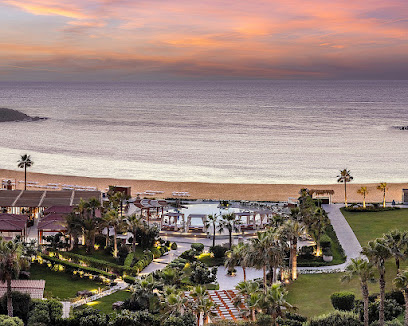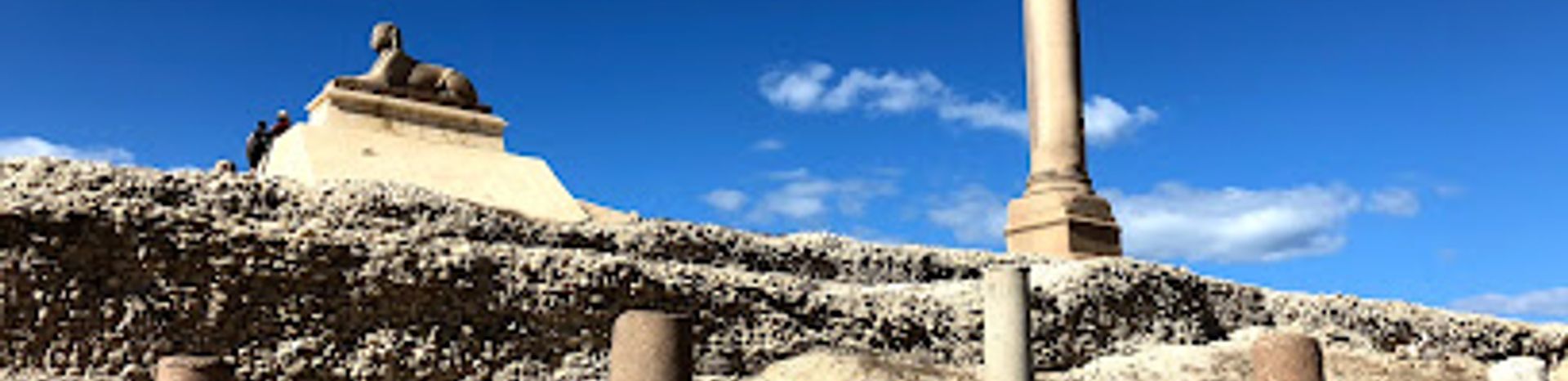
Serapeum of Alexandria: Echoes of a Lost Library
Explore the ruins of the Serapeum in Alexandria, a temple to Serapis and former home to a great library.
The Serapeum of Alexandria was a grand ancient temple dedicated to the god Serapis, blending Greek and Egyptian religious traditions. Built in the 3rd century BCE, it housed a famed library and served as a center for healing and worship. Today, only ruins remain, including Pompey's Pillar, offering a glimpse into Alexandria's rich past.
A brief summary to Serapeum of Alexandria
- Pompey's Pillar, Karmouz, Al Karah WA at Toubageyah WA Kafr Al Ghates, Alexandria Governorate, 5341142, EG
- +201229437357
Local tips
- Visit during the cooler months (October to April) for a more comfortable experience.
- Combine your visit with nearby attractions like the Catacombs of Kom El Shoqafa and the Roman Amphitheater.
- Check the opening hours in advance, especially during holidays.
- Wear comfortable shoes for walking around the archaeological site.
- Consider hiring a local guide for a more in-depth understanding of the site's history.

Getting There
-
Taxi
Taxis are readily available throughout Alexandria and are a convenient way to reach the Serapeum, also known as Pompey's Pillar. Most drivers will recognize the landmark, but it's helpful to mention 'Amoud El Sawary' (Pompey's Pillar in Arabic). A short taxi ride from central Alexandria should cost approximately 20-30 EGP, but confirm the fare beforehand. Uber and Careem are also available.
-
Public Transport
Local microbuses and public buses operate throughout Alexandria and can take you to the vicinity of Pompey's Pillar. Check local routes for the most convenient option. From the nearest bus stop, a short walk may be required to reach the site. Bus fares are typically very affordable, costing only a few Egyptian pounds.
-
Walking
If you are near the Kom El-Dikka area, you can walk to the Serapeum. Use a map or GPS to guide you. Be prepared for a walk of approximately 20-30 minutes, depending on your starting point.
Discover more about Serapeum of Alexandria
Iconic landmarks you can’t miss

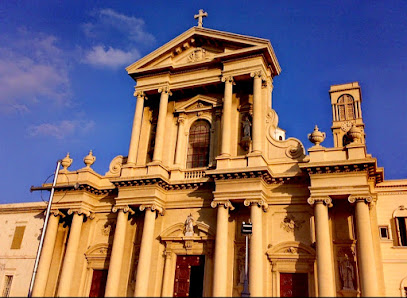
Saint Catherine Cathedral
1.4 km
Discover Alexandria's Saint Catherine Cathedral: A historic landmark blending Neo-Baroque architecture with spiritual serenity and artistic treasures.
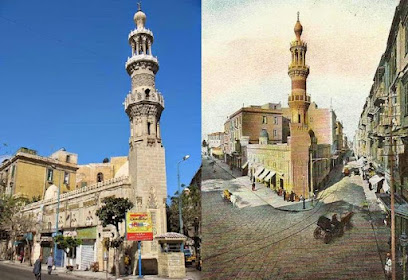
El Attarine mosque
1.5 km
Discover El Attarine Mosque in Alexandria: a historic blend of Islamic architecture and serene ambiance in the heart of the vibrant Al Attarine district.
Fouad St
1.6 km
Explore Fouad Street in Alexandria, a historic thoroughfare blending ancient roots with stunning architecture and vibrant cultural experiences.
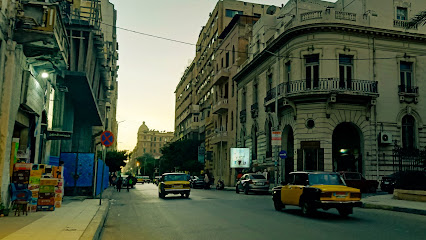
Red Sea
1.6 km
Experience the sun and sea at Alexandria's vibrant Red Sea Public Beach, a Mediterranean escape steeped in history and local culture.
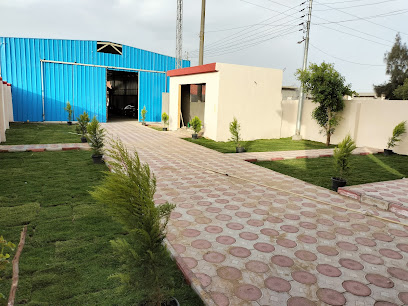
ElMadina Arts
1.6 km
Experience Alexandria's vibrant arts scene at ElMadina Arts, a hub for local talent, theatrical productions, and cultural events.

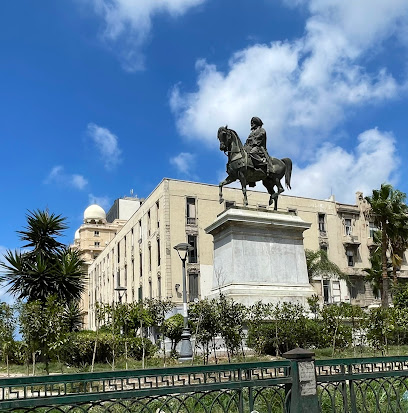
Mohamed Ali Pasha Statue
1.7 km
Discover the majestic Mohamed Ali Pasha Statue in Alexandria, a tribute to Egypt's modern founder amidst a vibrant historical setting.
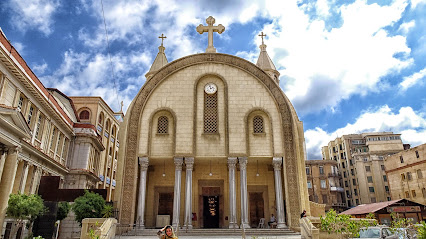
St. Mark's Cathedral in Alexandria
1.8 km
Discover Alexandria's spiritual heart at St. Mark's Cathedral, a historic landmark of Coptic Orthodox Christianity and faith since AD 42.
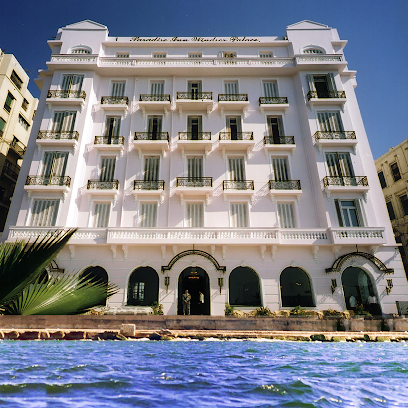
Paradise Inn - Windsor Palace Hotel
2.0 km
Experience timeless elegance and modern luxury at Alexandria's historic waterfront hotel, steps from iconic landmarks and cultural attractions.
First Trip
2.0 km
Experience the authentic charm of Alexandria at First Trip: immerse yourself in local culture, history, and unforgettable sensory delights.

Ancient Canopic Way (since Alexander the great built Alexandria)
2.1 km
Explore Alexandria's Ancient Canopic Way: a historic thoroughfare dating back to Alexander the Great, now Tariq al-Horeya.
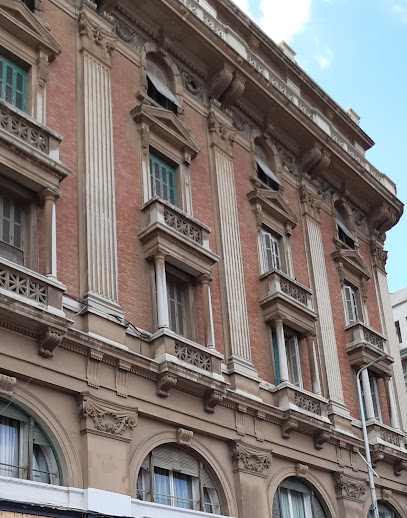
El-Raml Station Corniche
2.1 km
Experience the vibrant culture and stunning Mediterranean views at Alexandria's El-Raml Station Corniche, a historical gem by the sea.
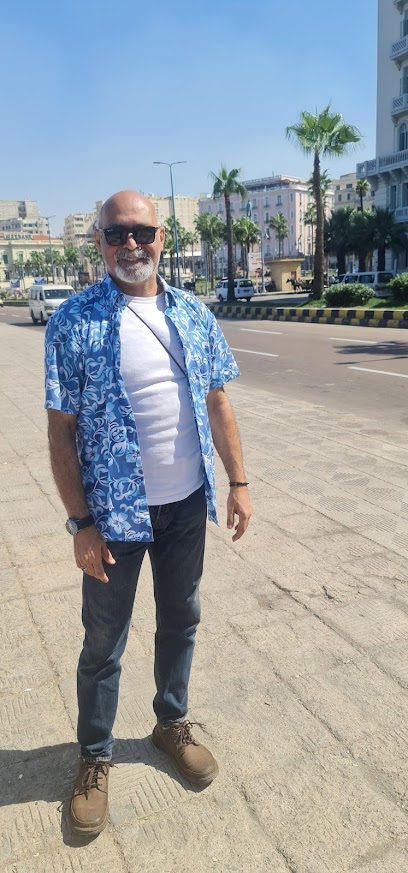
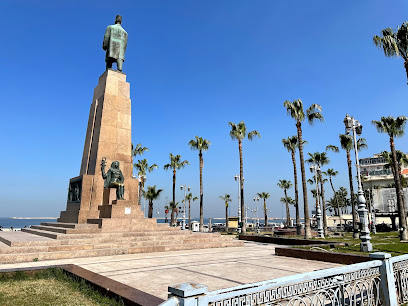
Saad Zaghloul Statue
2.1 km
Discover the historic Saad Zaghloul Statue in Alexandria, a symbol of Egyptian pride, surrounded by vibrant local culture.
El Raml Station
2.2 km
Experience the charm of Alexandria at El Raml Station, a historic transportation hub and gateway to the city's vibrant culture.
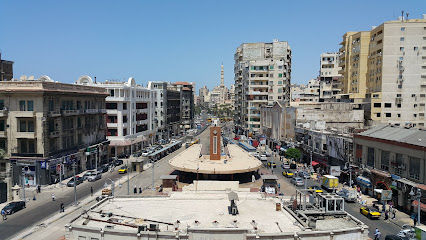
Alexandria Stadium
2.3 km
Step into history at Alexandria Stadium, the oldest stadium in Egypt and Africa, where sports and culture unite.
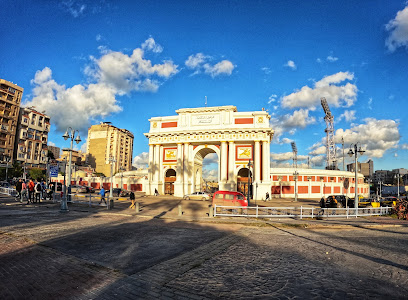
Al Qaaed Ibrahim Basha Mosque
2.4 km
Discover the architectural splendor and historical significance of Alexandria's iconic Al Qaaed Ibrahim Basha Mosque.
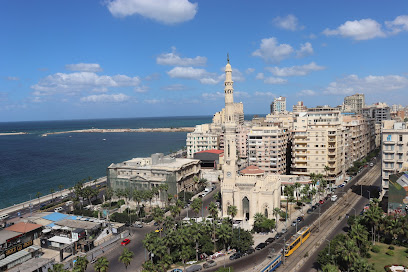
Unmissable attractions to see

Catacombs of Kom el Shoqafa
0.5 km
Uncover the captivating blend of cultures at the Catacombs of Kom el Shoqafa, a historical gem in Alexandria's rich tapestry.
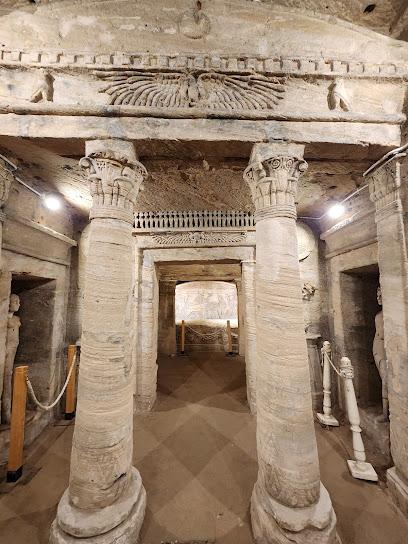
Castle Caffarelli
1.5 km
Explore Castle Caffarelli: A historic gem in Alexandria Governorate that showcases stunning architecture and rich cultural heritage.
Kom El-Nadura
1.5 km
Explore the captivating archaeological site of Kom El-Nadura, a treasure of ancient history nestled in the vibrant city of Alexandria, Egypt.
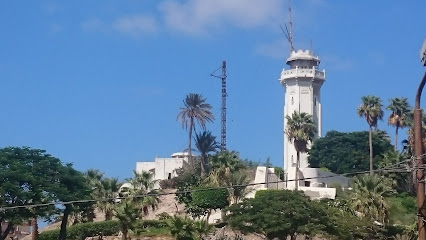
Ancient Roman Theater, Alexandria
1.6 km
Discover the Ancient Roman Theater in Alexandria, a historical landmark showcasing the grandeur of Roman architecture and rich cultural history.
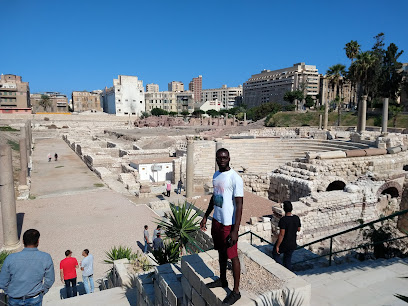
Kom el Dikka
1.6 km
Explore the ancient Roman ruins of Kom el Dikka in Alexandria, Egypt, where history whispers through its magnificent amphitheater and exquisite mosaics.
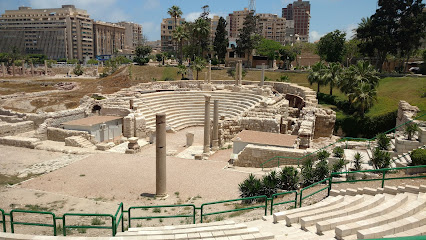
The auditoria
1.6 km
Discover the architectural splendor and rich history of The Auditoria, a must-see tourist attraction in Alexandria, Egypt, blending culture and beauty.
Villa of the birds
1.7 km
Explore the Villa of the Birds in Alexandria, a stunning Roman villa adorned with intricate mosaics, showcasing ancient history and artistry.
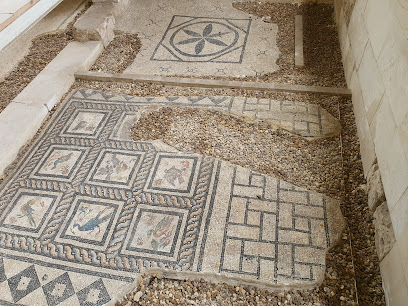
Cavafy Museum
1.8 km
Explore the life and legacy of Constantine P. Cavafy at the intimate Cavafy Museum in Alexandria, a must-visit for literature lovers and history enthusiasts.
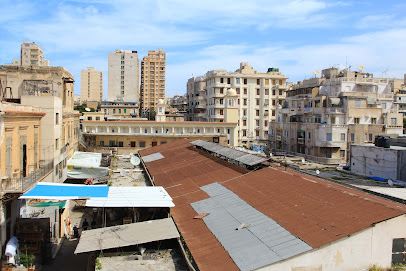
NASCO Tours SAE
1.9 km
Discover the rich history, stunning sights, and vibrant culture of Alexandria with NASCO Tours SAE, your trusted travel agency in Egypt.
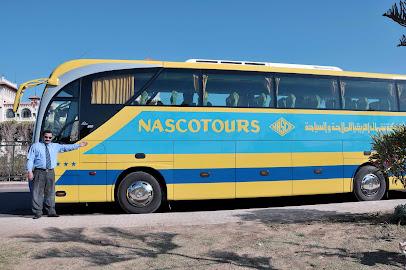
Alexandria Naval Unknown Soldier Memorial
2.0 km
Explore the Alexandria Naval Unknown Soldier Memorial, a serene tribute to the bravery of naval soldiers, amidst Alexandria's rich maritime history.
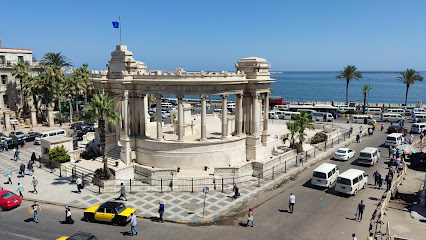
Greco-Roman Museum
2.1 km
Explore Alexandria's rich heritage at the Greco-Roman Museum, where centuries of history come alive through captivating artifacts and exhibits.
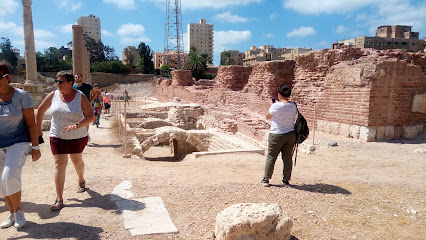
Al Raml Station
2.2 km
Experience the historical charm and vibrant culture of Al Raml Station in Alexandria, a must-visit hub for travelers exploring Egypt's rich heritage.
Jewel sculpture
2.3 km
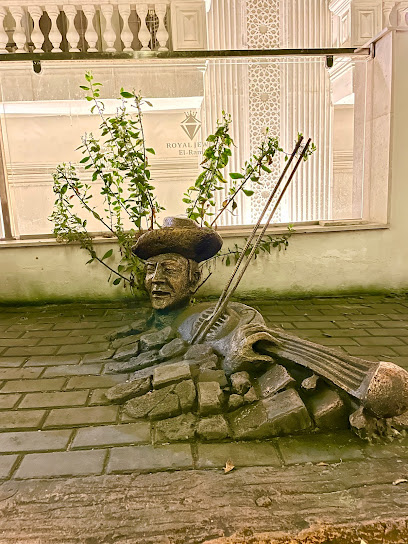
Explore the Jewel Sculpture in Alexandria, a stunning symbol of artistry and culture that captures the essence of this historic city.
كورنيش منطقة القائد ابراهيم
2.4 km
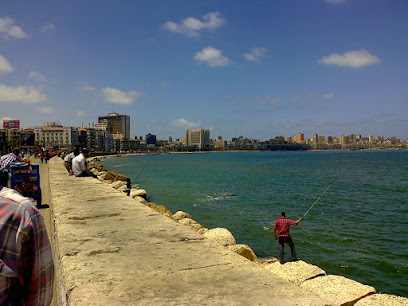
Discover the stunning waterfront views and rich culture of Qurnish in Alexandria, a must-visit tourist attraction for all travelers.
الاسكندرية
2.4 km
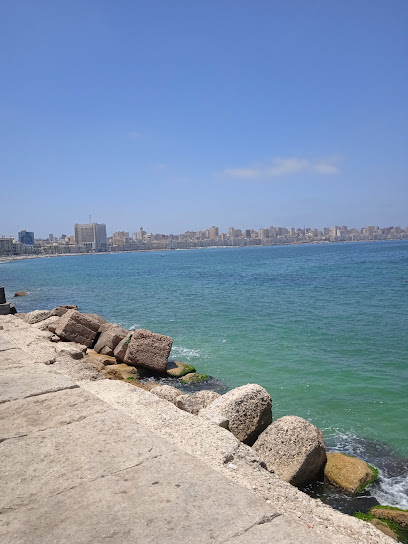
Explore Alexandria, Egypt's historic coastal city filled with ancient wonders, stunning seascapes, and vibrant culture on the Mediterranean.
Essential places to dine

Malek El Semman
1.1 km
Experience authentic Egyptian cuisine at Malek El Semman, renowned for its flavorful quails and vibrant atmosphere in Alexandria.
Restaurant le Boudoir
1.5 km
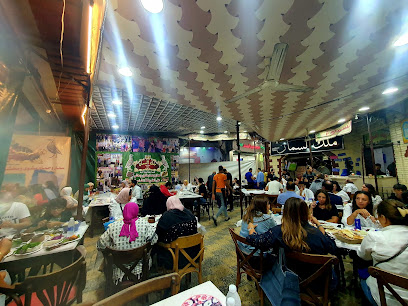
Discover authentic Egyptian flavors at Restaurant le Boudoir in Alexandria – a culinary oasis blending tradition with modernity.
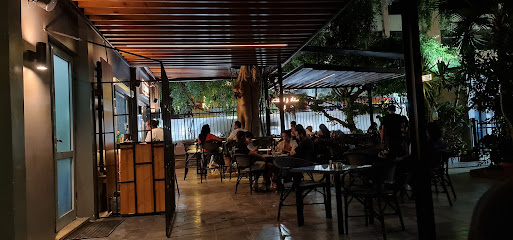
Teatro Eskendria
1.7 km
Discover Teatro Eskendria: where authentic Egyptian flavors meet international cuisine in the heart of Alexandria.
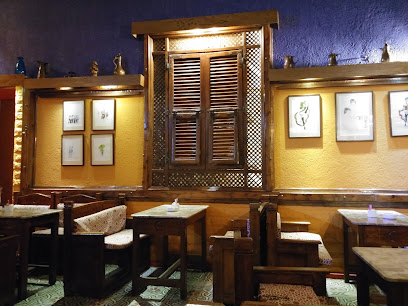
Cap D’or Bar and Restaurant
1.7 km
Discover the vibrant flavors of Alexandria at Cap D’or Bar and Restaurant, where local cuisine meets contemporary dining in a welcoming atmosphere.
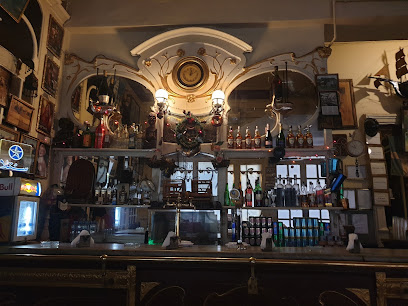
Chez Gaby Au Ritrovo
1.7 km
Experience authentic Italian cuisine at Chez Gaby Au Ritrovo in Alexandria - where every dish tells a story and every visit feels like home.
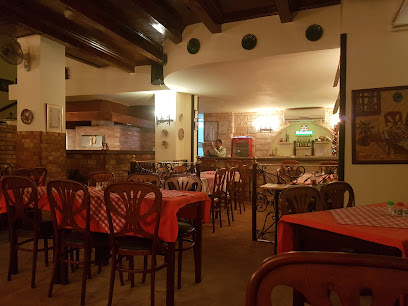
Focacciaria
1.8 km
Discover Focacciaria in Alexandria - indulge in authentic Italian pizzas and cozy coffee moments amidst rich cultural experiences.
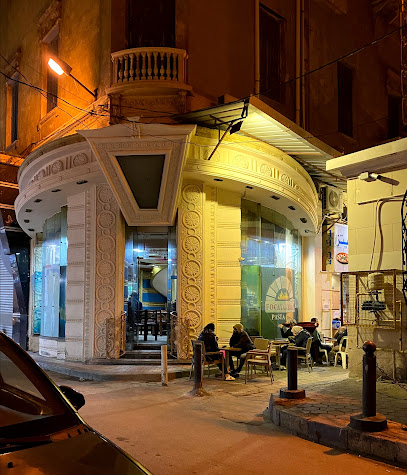
Jeeda's
1.8 km
Experience the best of Mediterranean dining at Jeeda's in Alexandria—where every meal is a celebration of flavor.
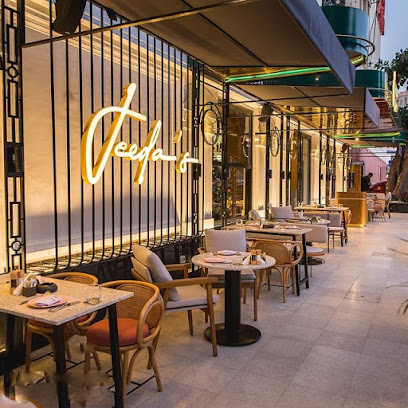
Eros Restaurant and Bar
1.8 km
Experience exquisite fine dining at Eros Restaurant and Bar in Alexandria - where culinary art meets vibrant nightlife.
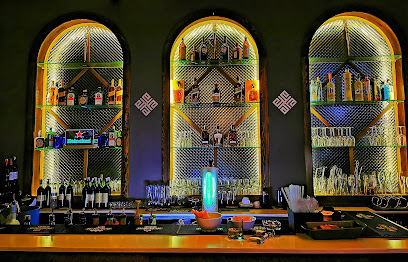
Santa Lucia
1.9 km
Experience the essence of Mediterranean cuisine at Santa Lucia in Alexandria—where every dish is a celebration of flavor and tradition.
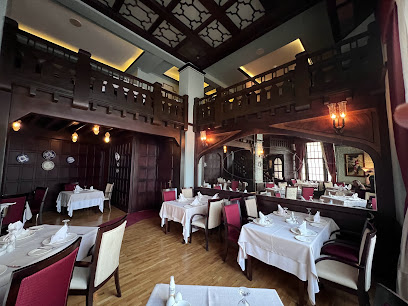
old street cafe and restaurant
2.0 km
Discover the flavors of Egypt at Old Street Cafe & Restaurant in Alexandria—where tradition meets taste amidst vibrant city life.
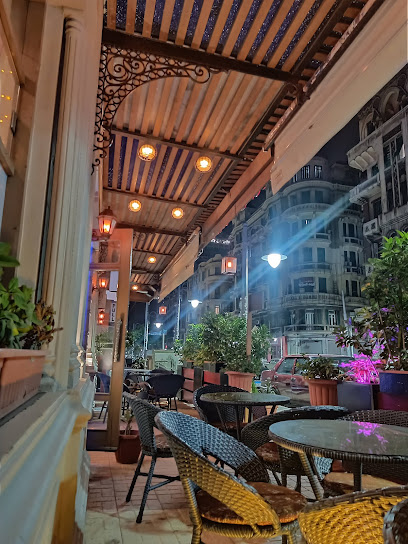
Blue Harbor Rooftop Restaurant Windsor Palace Hotel Alexandria
2.0 km
Experience exquisite dining at Blue Harbor Rooftop Restaurant in Alexandria with stunning sea views and delectable cuisine.
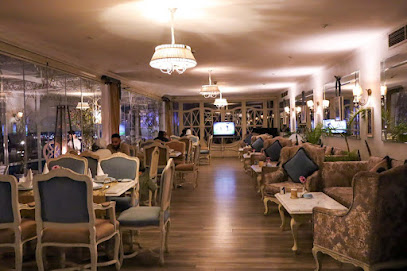
Sky view restaurant Le Metropole hotel
2.1 km
Experience fine dining with breathtaking views at Sky View Restaurant in Le Metropole Hotel - where exquisite cuisine meets stunning cityscapes.
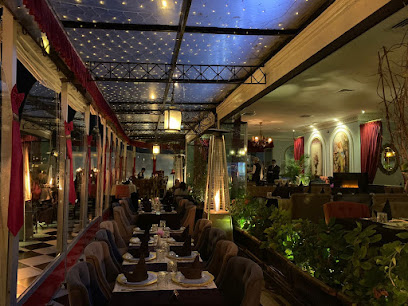
Les Ambassadeurs Restaurant
2.1 km
Discover authentic Egyptian cuisine at Les Ambassadeurs Restaurant in Alexandria - where every meal tells a story.
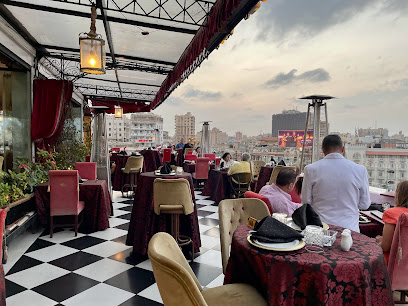
Trianon
2.1 km
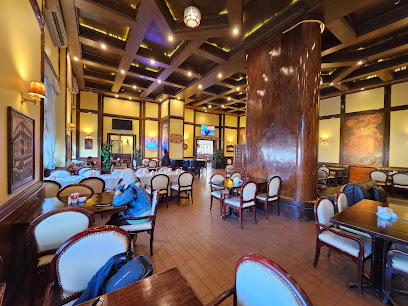
Discover Trianon: An enchanting dessert haven in Alexandria serving delightful treats and warm breakfasts amidst rich local culture.
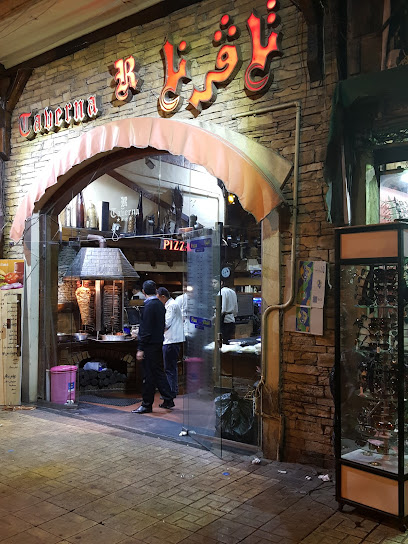
Taverna
2.1 km
Experience delicious fast food at Taverna in Alexandria - perfect for quick bites after exploring this historic city.
Markets, malls and hidden boutiques

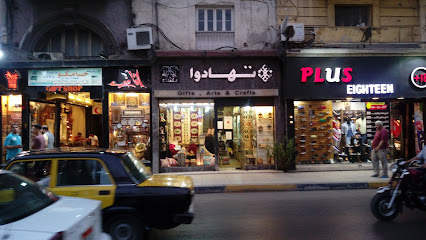
Tahado
1.6 km
Explore the enchanting Tahado Gift Shop in Alexandria for unique souvenirs and handcrafted treasures that embody the rich culture of Egypt.
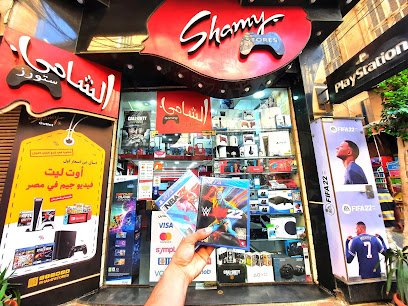
Shamy Stores Nabi Danial
1.6 km
Explore Shamy Stores Nabi Danial in Alexandria for an unparalleled selection of video games and accessories, perfect for gamers of all ages.
believe بيليف للملابس
2.1 km
Explore Believe Clothing Store in Alexandria for trendy casual wear, where fashion meets local charm in a vibrant shopping experience.
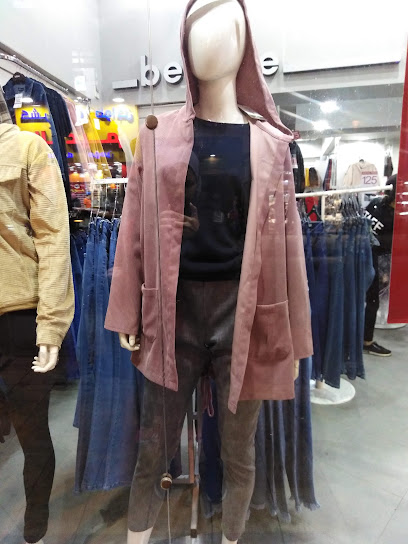
El Segelaby store 70 Safia Zaghloul Raml Station Alexandria Egypt
2.1 km
Discover El Segelaby in Alexandria: Your ultimate source for outdoor gear, sporting goods, and adventure essentials in the heart of Egypt.
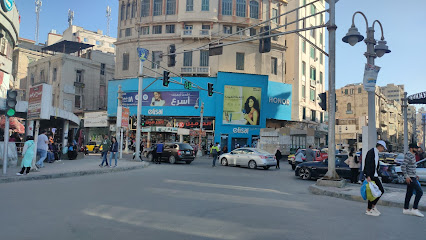
فيونكات
2.8 km
Discover the enchanting world of fragrances and toys at فيونكات, a hidden gem in Alexandria that offers a unique shopping experience for all ages.
Sugar & Brownies
2.9 km
Discover unique fashion at Sugar & Brownies in Alexandria, where local style meets contemporary flair in a charming shopping experience.
LupoJellies
2.9 km
Experience the artisanal flavors of Alexandria at LupoJellies, a charming boutique offering unique jellies and preserves made from local ingredients.
islam design
2.9 km
Discover the beauty of Islamic art at the Islamic Design store in Bab Sharqi, Alexandria—a must-visit for unique cultural treasures.
Chiffona Modest Fashion
2.9 km
Discover stylish modest women's clothing at Chiffona Modest Fashion in Alexandria, where elegance meets contemporary trends in a chic setting.
Premium Style
2.9 km
Explore Premium Style in Alexandria, a top destination for unique fashion accessories that elevate any outfit.
CraftiEgypt
2.9 km
Explore CraftiEgypt in Alexandria for authentic, handcrafted treasures that celebrate the rich heritage of Egyptian artistry.

more'n less
2.9 km
Explore the vibrant fashion scene at more'n less, a unique clothing store in Bab Sharqi, Alexandria, where style meets local charm.
Blackbird
2.9 km
Discover unique collectibles and rare coins in Alexandria's charming Blackbird store, a must-visit for treasure hunters and history enthusiasts.
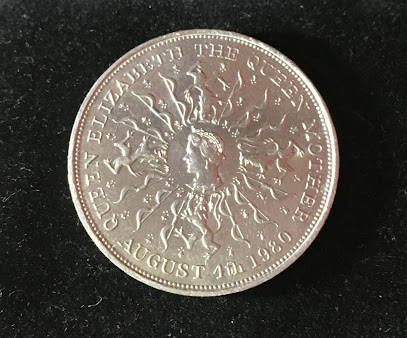
Handball Shop Egypt
2.9 km
Explore the Handball Shop Egypt in Alexandria for authentic sports apparel and immerse yourself in local handball culture.
Dahab Store
2.9 km
Explore Dahab Store in Alexandria for unique fashion accessories blending contemporary style with traditional Egyptian craftsmanship.
Essential bars & hidden hideouts

مينا عماد ميشيل حبيب
1.2 km
Discover the charm of Mina Imad Michel Habib, a cozy bar in Karmouz, Alexandria, perfect for enjoying local drinks and a lively atmosphere.
شقة الاستاذ الفاضل المحاسب الجبار مينا عماد ميشيل حبيب
1.2 km
Discover the lively bar scene in Karmouz, Alexandria, where local flavors and vibrant atmosphere create unforgettable evenings.
Deja Vu
1.6 km
Discover the authentic flavors of Alexandria at Deja Vu, a top-rated grill restaurant offering a cozy atmosphere and delicious local cuisine.
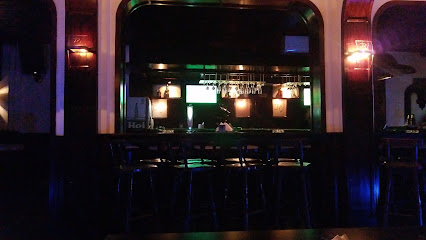
Il Punto
1.6 km
Experience the vibrant nightlife of Alexandria at Il Punto, a charming bar offering a diverse drink menu and a lively atmosphere.
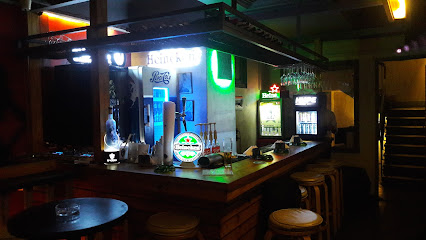
Spitfire bar
1.7 km
Explore the vibrant nightlife of Alexandria at Spitfire Bar, where delightful drinks meet a lively atmosphere for an unforgettable experience.
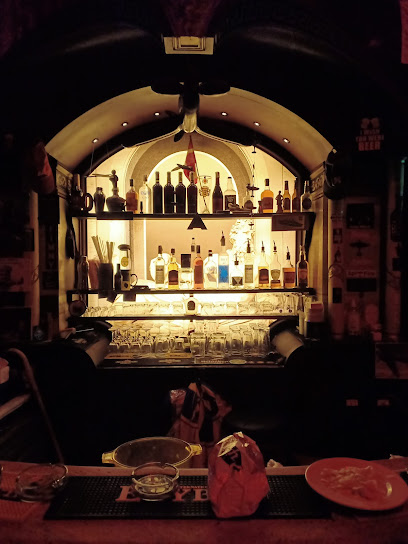
CHEERS
1.8 km
Experience the vibrant nightlife of Alexandria at Cheers, a lively bar offering a wide selection of drinks and a friendly atmosphere.
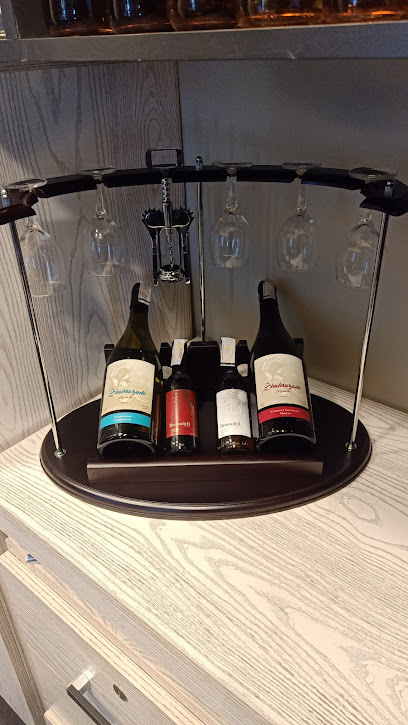
ابو احد
1.8 km
Discover the lively ambiance and authentic local flavors at Abu Ahd Bar in Alexandria, where every visit is a celebration of Egyptian culture.
نفرتيتى
1.8 km
Experience the vibrant nightlife at نفرتيتى, Alexandria's premier bar offering refreshing drinks and a lively atmosphere.
Nefertiti bar
1.8 km
Experience the vibrant nightlife at Nefertiti Bar in Alexandria, where exquisite drinks and a lively atmosphere await.
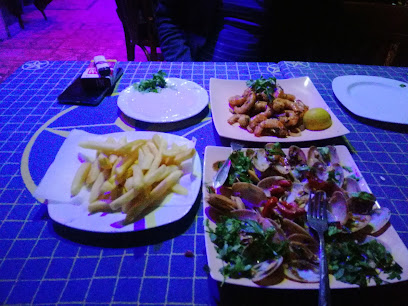
بلح
1.9 km
Discover the vibrant atmosphere of بلح, an inviting bar in Alexandria offering a blend of local drinks and cultural experiences perfect for any traveler.
N.Y.X lounge
1.9 km
Discover N.Y.X Lounge, Alexandria's premier bar and lounge, where vibrant nightlife meets exquisite culinary offerings for an unforgettable experience.
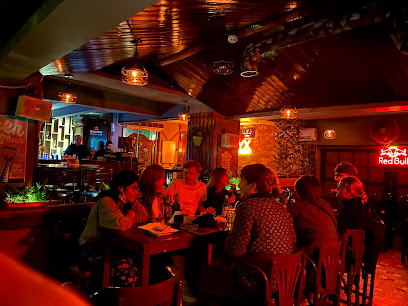
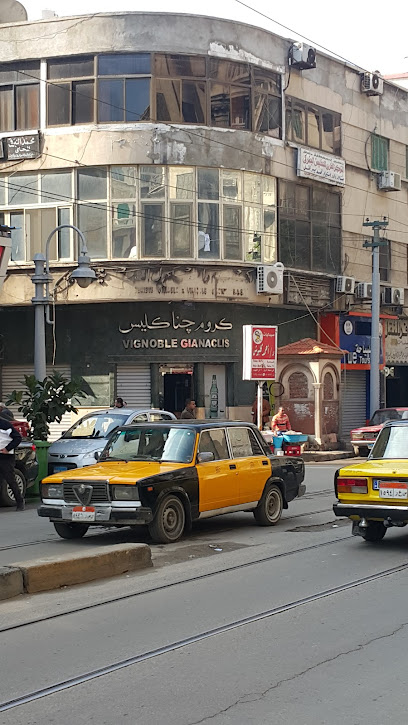
Gianaklis wine
1.9 km
Discover the charm of Gianaklis Wine Bar in Alexandria, where exceptional wines meet a cozy atmosphere, perfect for relaxation and enjoyment.
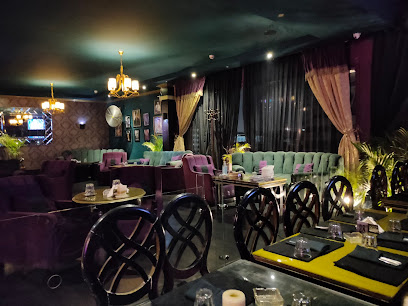
Skyroof - Windsor Palace Hotel
2.0 km
Experience the breathtaking views and luxurious ambiance at Skyroof, the premier rooftop bar and restaurant in Alexandria.
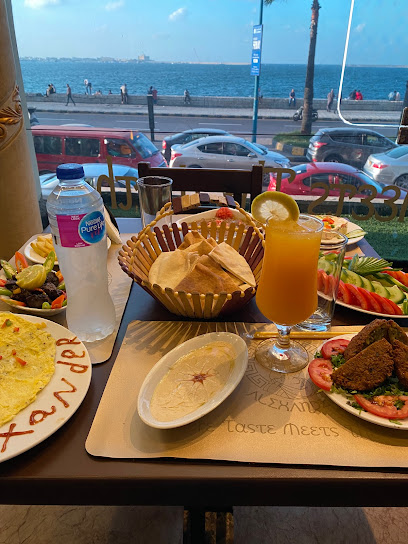
Alexandr Restaurant &Bar
2.2 km
Experience Alexandria's vibrant nightlife at Alexandr Restaurant & Bar, where exquisite cocktails meet stylish ambiance.
محطة الرمل
2.4 km
Discover the vibrant atmosphere of Mahta Al Raml, a cultural hub in Alexandria offering nightlife, local cuisine, and a taste of authentic Egyptian life.
Nightclubs & after hour spots

Beka PlayStation
0.5 km
Experience the electrifying nightlife at Beka PlayStation, Karmouz's premier night club with vibrant music and an unforgettable atmosphere.
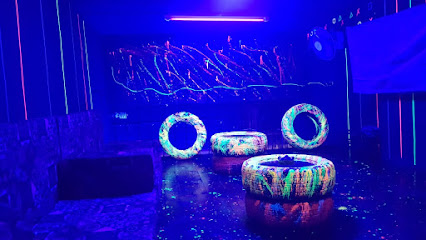
ELJOKER PLAYSTATION
0.9 km
Experience the electrifying nightlife at Eljoker Playstation, a premier night club in Alexandria filled with music, dance, and unforgettable moments.
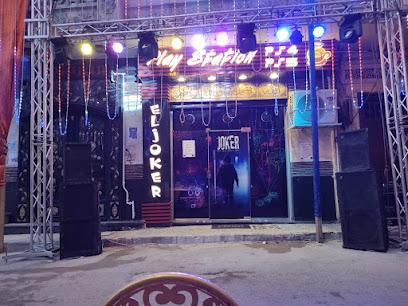
Lorantos
1.9 km
Discover the vibrant nightlife at Lorantos, a premier nightclub in Alexandria, Egypt, where music, dancing, and unforgettable memories await.
الأردن
2.5 km
Discover the lively nightlife of Al Attarin, Jordan, where vibrant nightclubs and local culture come alive under the stars.
Romance
2.7 km
Discover the vibrant nightlife at Romance Night Club in Alexandria, where music and dance create unforgettable nights for tourists and locals alike.
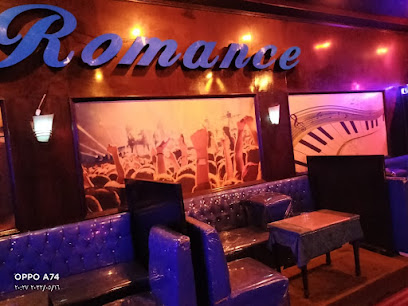
Saloon TURKI elasafra
2.7 km
Discover the lively ambiance and authentic flavors of Alexandria at Saloon TURKI elasafra, where local culture meets modern lounge vibes.
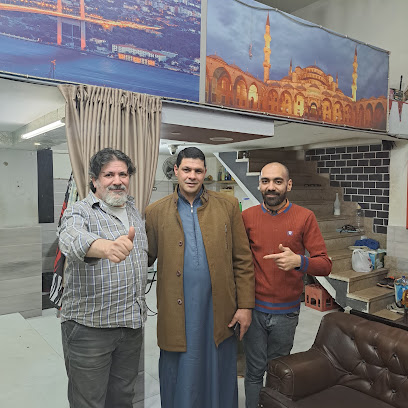
بيت هندي
4.6 km
Discover the exhilarating nightlife at بيت هندي, Alexandria's premier night club, where music, dance, and fun come together!
مخبأ الديلر محما علاء
5.2 km
Experience the vibrant nightlife at مخبأ الديلر محما علاء, a premier night club in Alexandria, where music and dance come alive.
El Waheed restaurant owner
6.2 km
Experience the vibrant nightlife at El Waheed Restaurant in Alexandria, where delicious cuisine meets lively entertainment for an unforgettable evening.
Tesla Lounge
7.2 km
Discover the vibrant ambiance and exquisite cocktails at Tesla Lounge, a must-visit nightlife spot in Alexandria's Sidi Gaber.
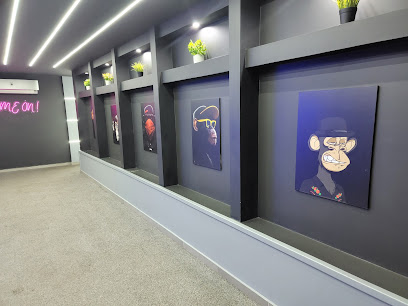
B2 Club Alexandria
7.4 km
Experience the vibrant nightlife of Alexandria at B2 Club, where great music, signature cocktails, and unforgettable moments await.
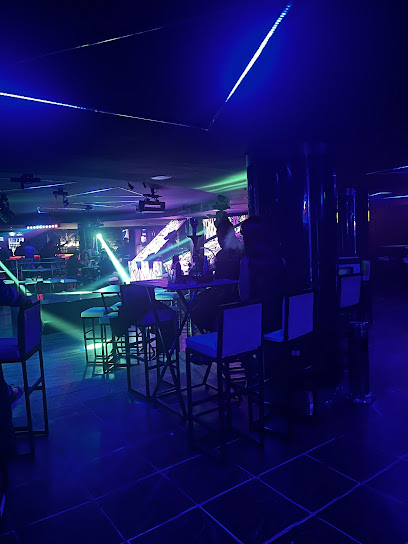
Beet el tarsh
7.7 km
Experience the vibrant nightlife of Alexandria at Beet el Tarsh, a premier adult entertainment club with electrifying performances and a lively atmosphere.
Jacks Club
8.1 km
Immerse yourself in the vibrant nightlife of Alexandria at Jacks Club, where music, dance, and great company unite for an unforgettable experience.
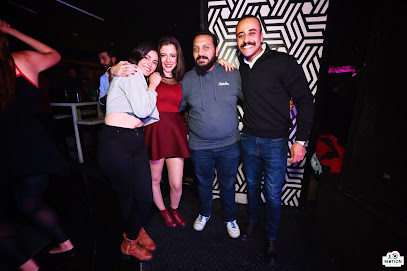
Jax club
8.3 km
Discover the vibrant nightlife of Alexandria at Jax Club, a premier night club featuring electrifying music and an energetic atmosphere for unforgettable experiences.
Four Seasons Hotel Alexandria at San Stefano, Egypt
9.7 km
Discover unparalleled luxury and stunning views at the Four Seasons Hotel Alexandria, a premier resort on the Mediterranean coast.