
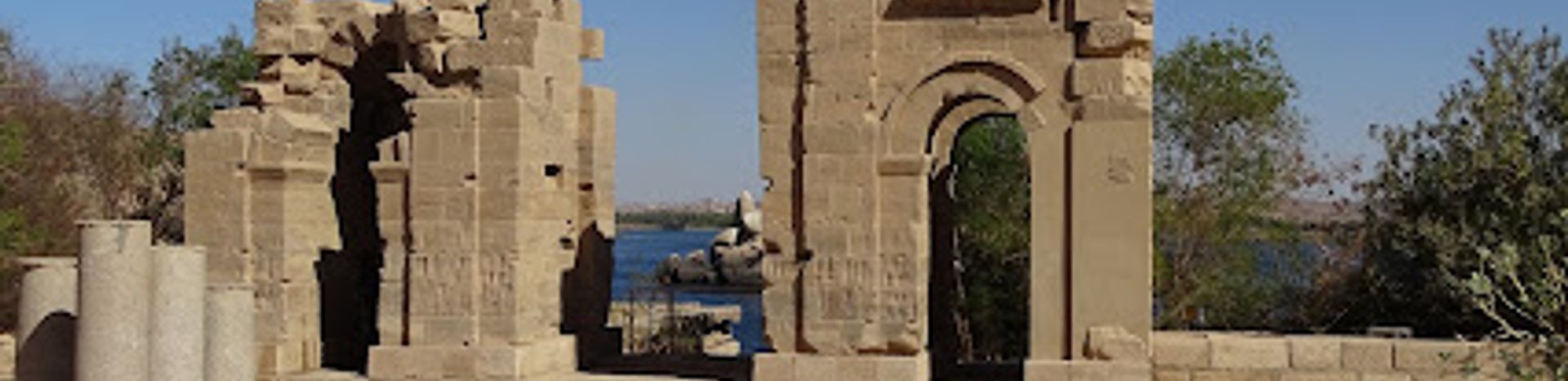
The Temple of Isis: A Nubian Jewel
Explore the relocated Temple of Isis on Agilkia Island, a stunning monument to ancient Egyptian mythology and architectural skill.
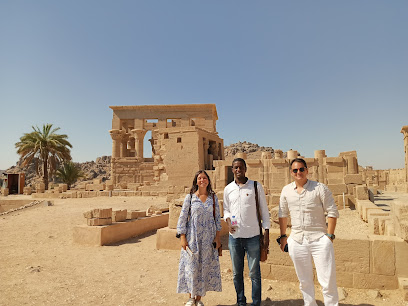
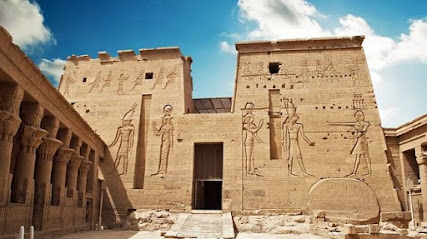
The Temple of Isis, dedicated to the goddess of healing, magic, and motherhood, is a relocated ancient Egyptian temple complex now residing on Agilkia Island near Aswan. Originally built on Philae Island, it was moved to save it from the rising waters of Lake Nasser following the construction of the Aswan High Dam.
A brief summary to Isis Temple
- 3VMV+J8H، شياخة أولى، قسم أسوان،, Aswan 1, Sheyakhah Oula, Aswan Governorate, EG
- Visit website
Local tips
- Visit early in the morning to avoid crowds and the midday heat.
- Wear comfortable shoes, as you'll be doing a lot of walking.
- Bring cash for the boat ride to the island and entrance fees.
- Hire a guide to learn about the temple's history and significance.
- Haggle for the best price on the boat fare.

Getting There
-
Taxi
From central Aswan, take a taxi to Philae Marina, about a 20-minute drive. Agree on a fare before starting; expect to pay around 150 EGP one way. From the marina, small boats transport visitors to Agilkia Island. A roundtrip boat fare is around 400 EGP per boat, so consider sharing with others to split the cost. Ensure the price includes waiting time while you explore the temple. The entrance fee to Philae Temple is 550 EGP for adults.
-
Public Transport
Shared taxis or minibuses to Philae Marina may be available from Aswan market, but they may not leave until full. A private taxi is a more reliable option. From the marina, negotiate a roundtrip boat fare to Agilkia Island, aiming for around 400 EGP per boat. The entrance fee to Philae Temple is 550 EGP for adults.
Discover more about Isis Temple
Iconic landmarks you can’t miss

Isis Temple
0.0 km
Explore the relocated Temple of Isis on Agilkia Island, a stunning monument to ancient Egyptian mythology and architectural skill.
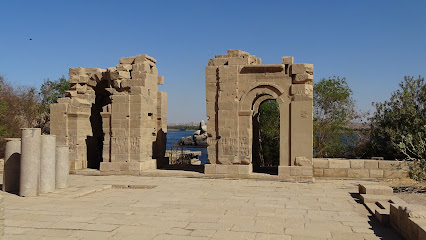
Al Germaniyya. Evangelical Mission in Aswan
0.3 km
Discover a serene spiritual haven at Al Germaniyya Evangelical Mission, a unique cultural landmark in the heart of Aswan.

Aswan Birdwatching
0.3 km
Discover Aswan's stunning birdlife with expert-led tours along the scenic Nile River. An unforgettable experience for nature and photography enthusiasts.
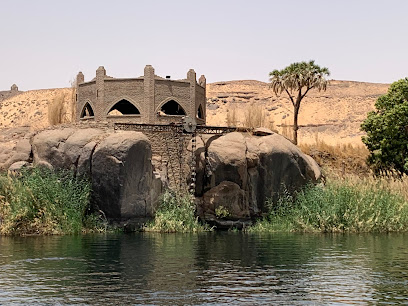
Dock radamis cruises
0.4 km
Embark on a Nile adventure from Aswan's Dock Radamis Cruises: explore ancient wonders, serene landscapes, and vibrant culture on the legendary river.
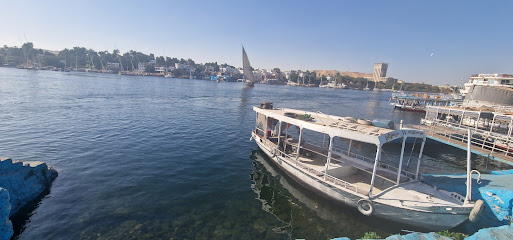
كنيسة السيدة العذراء مريم بأسوان
0.4 km
اكتشف الروحانية والتاريخ في كنيسة السيدة العذراء مريم بأسوان، تحفة معمارية ومركز ديني نابض بالحياة.
مقام شيخ/سلامة/ حمزة/ حسن مقدم
0.5 km
Explore the serene resting place of Sheikh Salama in Aswan, a reflection of Egypt's rich cultural heritage and a tranquil retreat for visitors.
Aswan sightseeing
0.5 km
Explore Aswan, Egypt's radiant southern gem: ancient monuments, Nubian culture, and breathtaking Nile views await your discovery.
Diaa tour guide aswan and bird watching tours
0.5 km
Discover Aswan's hidden avian treasures with an expert bird watching tour, exploring the Nile's stunning landscapes and diverse wildlife.
JJ Jamaica Felucca
0.6 km
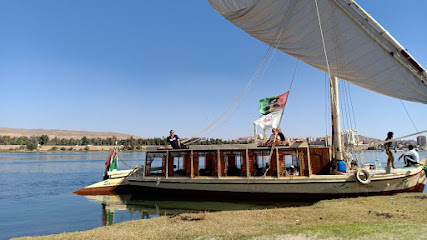
Experience the magic of the Nile on a traditional felucca. Comfortable accommodations, delicious food, and unforgettable scenery in Aswan.
مقام الشيخ صالح
0.6 km
Explore the tranquil beauty and cultural significance of Sheikh Saleh Cemetery, a serene resting place in the heart of Aswan, Egypt.
Egypt Discovering
0.7 km
Explore the wonders of Aswan with Egypt Discovering, your gateway to ancient temples and vibrant local culture.
Nubian House
0.7 km
Discover Nubian culture in Aswan at Nubian House: authentic hospitality, traditional charm, and a memorable cultural experience.
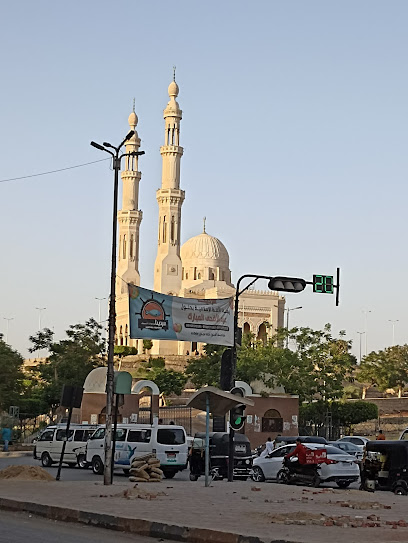
El Tabia Mosque
0.7 km
Aswan's El Tabia Mosque: Where Islamic architecture meets Nubian heritage, offering a tranquil escape with panoramic city views.
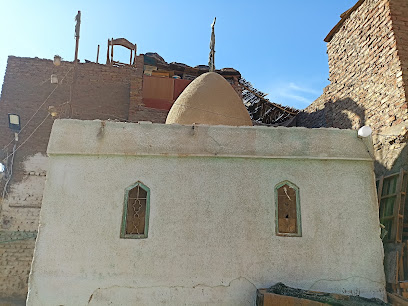
مقام المغربي
0.7 km
Explore the مقام المغربي, a serene cemetery in Aswan, Egypt, rich in history and cultural significance, offering a unique glimpse into the past.
مقام الشيخ محمد الصحابى
0.8 km
Discover the spiritual heart of Aswan at the Shrine of Sheikh Mohammed El-Sahabi, a peaceful oasis of Islamic tradition and local culture.
Unmissable attractions to see

temple Khnum 2
0.2 km
Discover the ancient wonders of Temple Khnum in Aswan, where history, spirituality, and stunning architecture converge in a captivating experience.
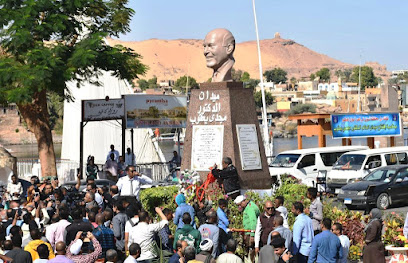
Dr. Magdy Yacoub Sq.
0.3 km
Experience tranquility and culture at Dr. Magdy Yacoub Square, a serene oasis in the heart of Aswan with stunning Nile views.
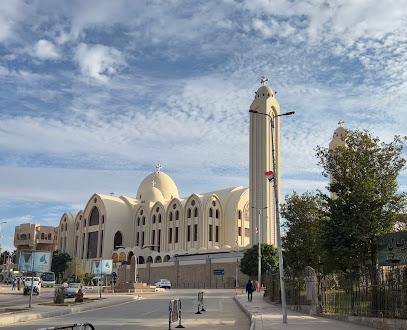
Coptic Orthodox Cathedral of the Archangel Michael
0.3 km
Discover the Coptic Orthodox Cathedral of the Archangel Michael, a stunning spiritual sanctuary in Aswan, reflecting rich history and beautiful architecture.
Church Greek parking
0.3 km
Discover the essence of Aswan at the Church Greek parking area, the perfect starting point for your Egyptian adventure.
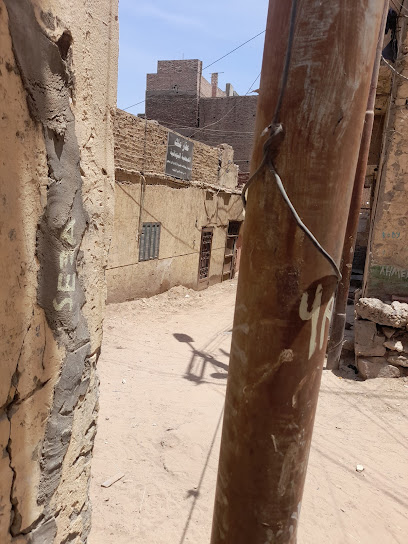
Feryal Garden حديقة فريال
0.4 km
Discover the tranquil beauty of Feryal Garden, an enchanting oasis in Aswan with stunning views of the Nile, perfect for relaxation and leisure.
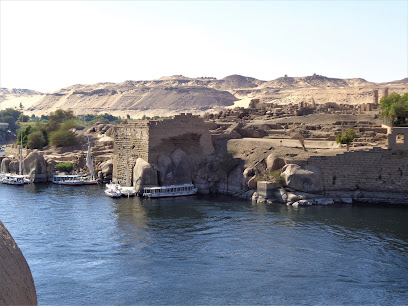
Cemetery Fatimid
0.5 km
Explore the historical Cemetery Fatimid in Aswan, a serene site rich in Fatimid heritage and stunning Islamic architecture.
Stela of King Harsiotef
0.6 km
Discover the Stela of King Harsiotef in Aswan, an extraordinary monument reflecting ancient Egyptian history and artistry amidst stunning natural beauty.
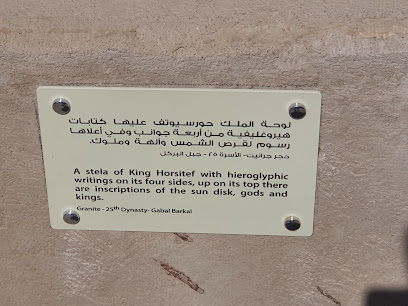
Aswan Museum
0.7 km
Explore the Aswan Museum: A Treasure Trove of Ancient Egyptian Artifacts and Heritage in the Heart of Aswan.
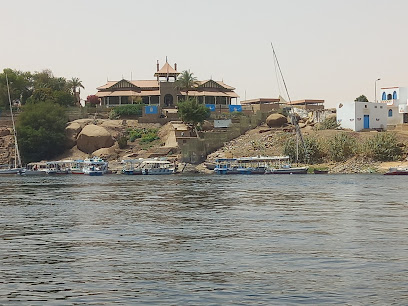
Nubian Museum
0.7 km
Explore the Nubian Museum in Aswan, where ancient history meets vibrant culture, showcasing the rich heritage of the Nubian people.
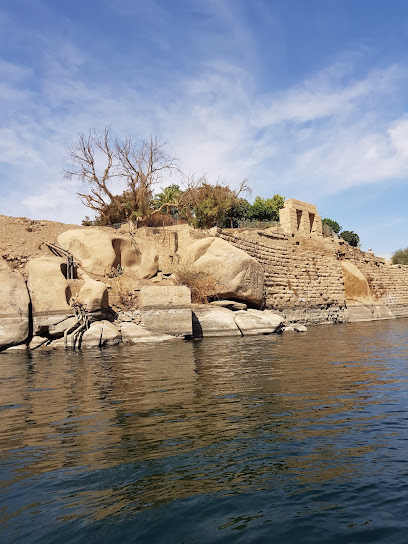
Felucca Tour John Cairo جولة فيلوكا جون كايرو
0.7 km
Discover the tranquility of Aswan's Nile with a Felucca tour, immersing yourself in Egypt’s captivating history and stunning landscapes.
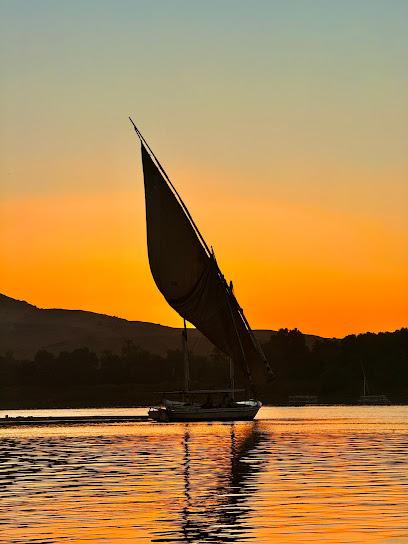
Fatimid Cemetery
0.7 km
Discover the rich history and serene beauty of the Fatimid Cemetery in Aswan, a remarkable site of cultural heritage and reflection.
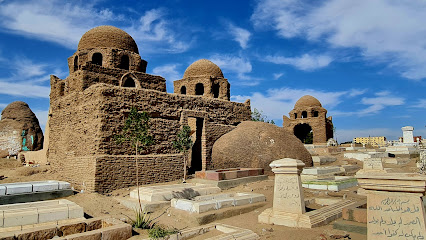
Isla Elefantina
0.7 km
Experience the serene beauty and rich history of Isla Elefantina, a tranquil island gem in the Nile River, perfect for relaxation and exploration.
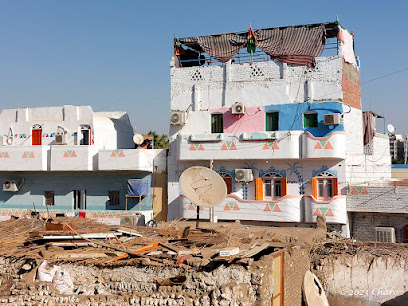
Sandallia Jewlery
0.7 km
Explore the exquisite craftsmanship and unique designs at Sandallia Jewelry, a premier shopping destination in Aswan, Egypt.
Temple of Khnum
0.7 km
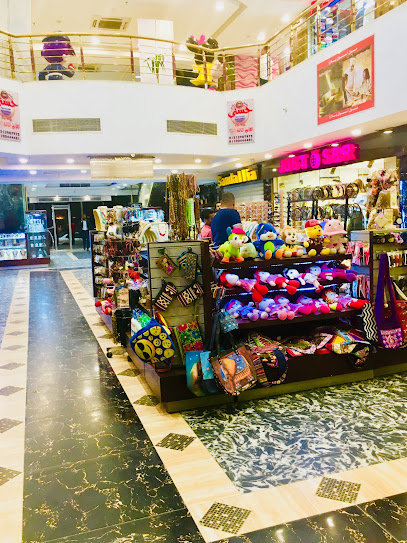
Discover the Temple of Khnum on Elephantine Island in Aswan, a historical landmark that unveils the wonders of ancient Egyptian civilization.
Aswan river nile
0.8 km
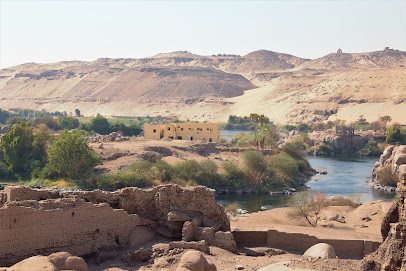
Discover the breathtaking beauty and rich cultural heritage of the Aswan River Nile, a must-visit destination for every traveler in Egypt.
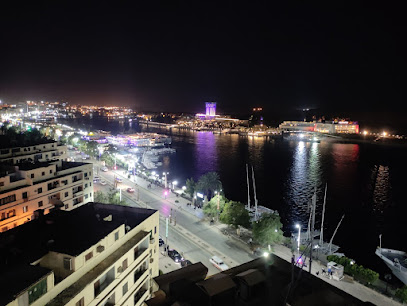
Essential places to dine

Makani Restaurant
0.3 km
Experience a fusion of Japanese izakaya culture and Nubian cuisine at Makani Restaurant in Aswan.
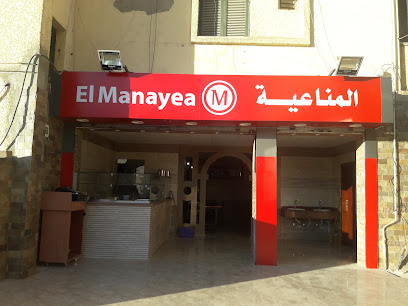
مطعم المناعية
0.4 km
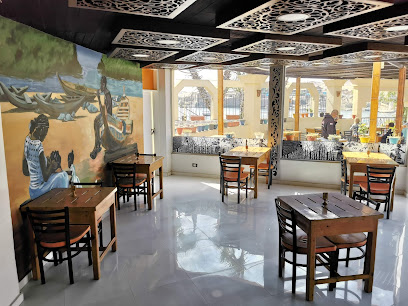
Discover authentic Egyptian flavors at مطعم المناعية - where delicious falafel meets warm hospitality in the heart of Aswan.
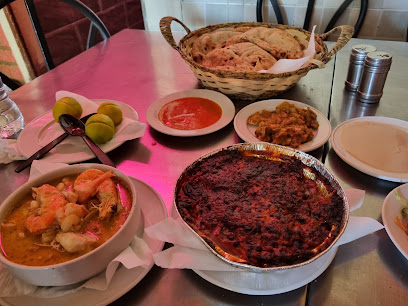
Sardina Seafood
0.5 km
Experience authentic Egyptian seafood delicacies at Sardina Seafood in Aswan, where every dish tells a story of tradition and flavor.
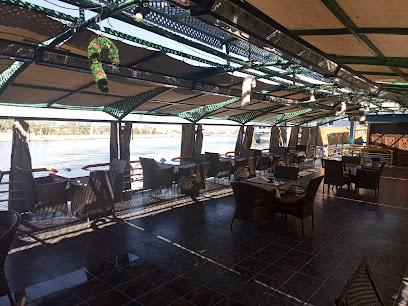
Elmabroka Restaurant And Cafe
0.5 km
Discover fresh seafood delights at Elmabroka Restaurant And Cafe in Aswan, where every meal comes with breathtaking Nile views.
Saraya
0.6 km
Discover authentic Egyptian flavors at Saraya Restaurant in Aswan – where every dish tells a story.
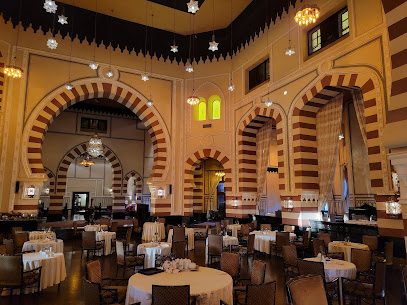
1902 Restaurant
0.6 km
Experience the charm of French cuisine at 1902 Restaurant in Aswan – where every dish tells a story.
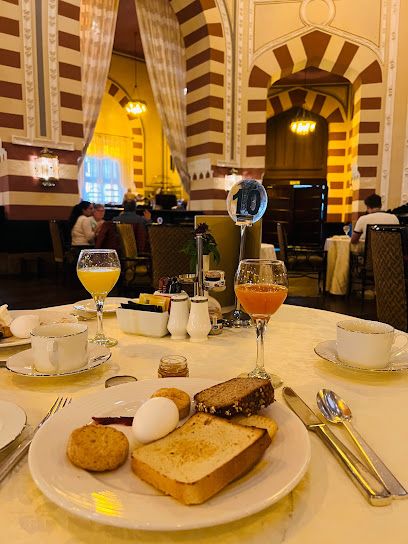
ذا شيف
0.6 km
Discover authentic Egyptian flavors at ذا شيف in Aswan - where culinary tradition meets modern dining.
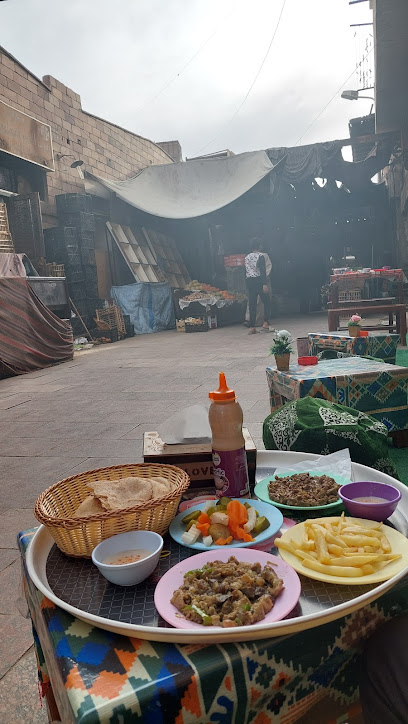
King Jamaica restaurant & Cafe and breakfast ( Ayman jamaica ) ايمن جاميكا
0.6 km
Experience authentic Jamaican flavors in the heart of Aswan at King Jamaica Restaurant & Cafe, where tradition meets hospitality.
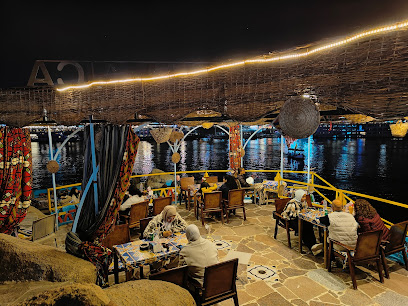
Kana Kato Restaurant & cafe
0.6 km
Discover the essence of Nubian flavors at Kana Kato Restaurant & Cafe in Aswan - where every meal is a celebration.
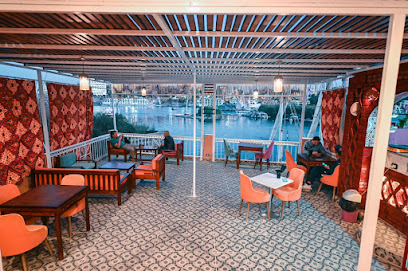
Nubian Dreams Restaurant & Cafe
0.7 km
Experience authentic Nubian cuisine at Nubian Dreams Restaurant & Cafe in Aswan – where every dish tells a story.
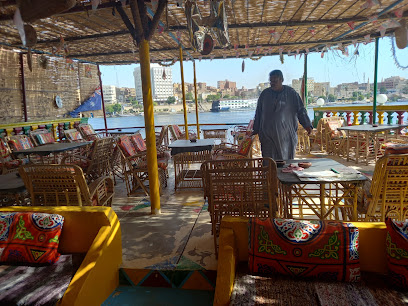
Oriental Kebabgy
0.7 km
Experience exquisite kebabs with breathtaking views at Oriental Kebabgy inside Sofitel Old Cataract Hotel in Aswan.
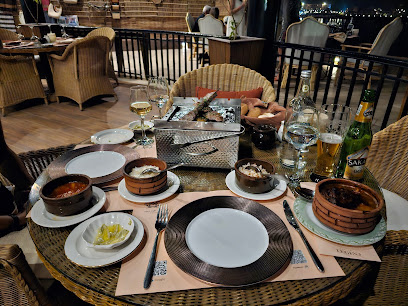
Bob Marley Moonlight terrace restaurant cafe
0.8 km
Savor delicious barbecue dishes at Bob Marley Moonlight Terrace while enjoying stunning views and vibrant live music in Aswan.
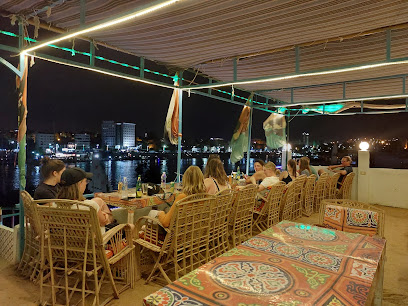
Ashry Toky
0.8 km
Discover the rich flavors of Japan at Ashry Toky - an authentic izakaya experience in Aswan's vibrant culinary scene.
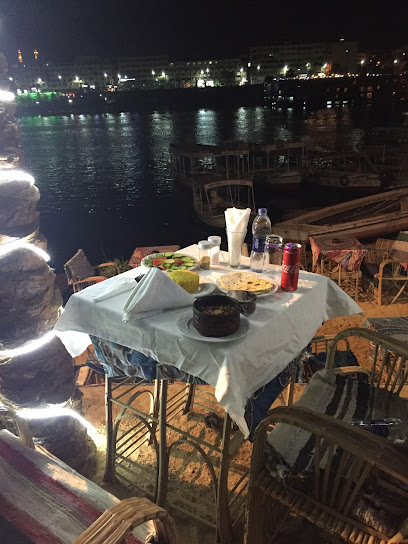
جمبريكا - Gambareca
0.8 km
Experience fresh seafood like never before at Gambareca in Aswan - where every dish tells a story of local flavor and tradition.
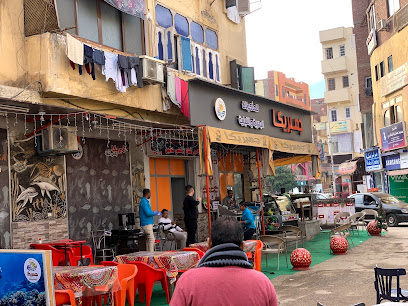
Salah El Din Restaurant
0.8 km
Experience authentic Japanese cuisine at Salah El Din Restaurant in Aswan; where every dish tells a story amidst stunning Nile views.
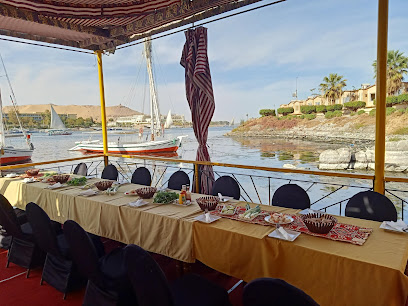
Markets, malls and hidden boutiques

Egypt Duty Free Shops
0.2 km
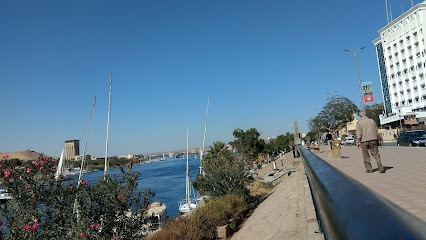
Discover unparalleled shopping at Egypt Duty Free Shops in Aswan, where luxury meets local culture along the Nile.
HANAFI BAZAAR (LONELY PLANET)
0.3 km
Explore Hanafi Bazaar in Aswan for unique Egyptian gifts, handcrafted treasures, and a cultural experience by the Nile.
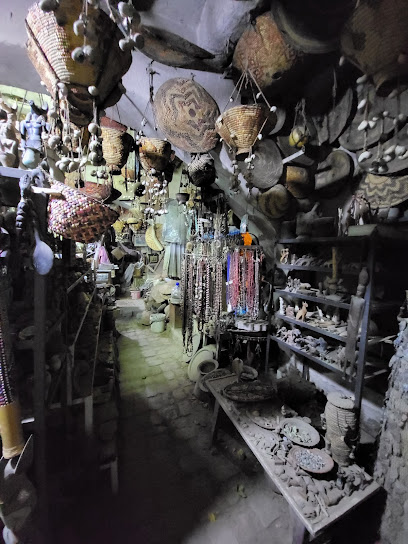
Bishareen bazaar . Since 1870
0.3 km
Explore Bishareen Bazaar in Aswan for unique gifts and crafts that embody the spirit of Egyptian culture since 1870.
bazaar hanafy
0.3 km
Discover authentic Egyptian treasures at Bazaar Hanafy, Aswan's charming gift shop offering unique handicrafts and souvenirs.
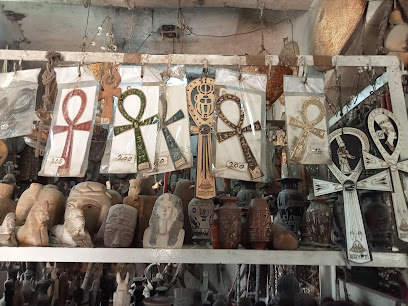
BaNoTa
0.4 km
Explore BaNoTa, Aswan's charming gift shop offering unique local crafts and souvenirs that capture the spirit of Egypt.
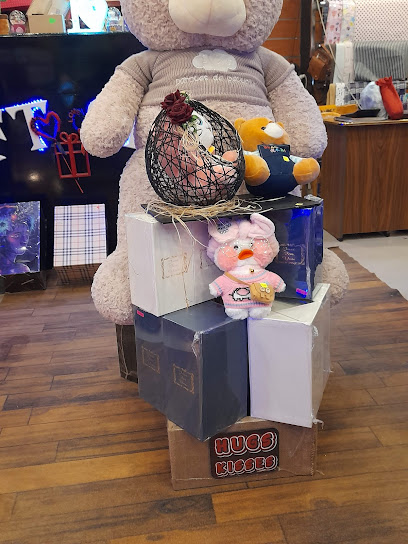
Al.Agamy Bazaar
0.4 km
Explore Al.Agamy Bazaar, a vibrant gift shop in Aswan, where authentic Egyptian crafts and unique souvenirs await.
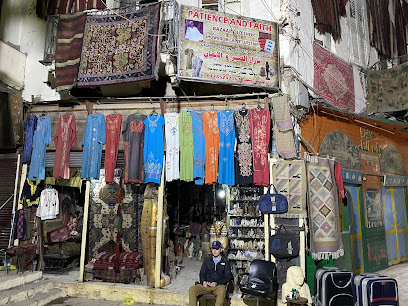
Rávanda
0.5 km
Explore Rávanda in Aswan for unique Egyptian gifts and handcrafted treasures that celebrate the local culture and artistry.
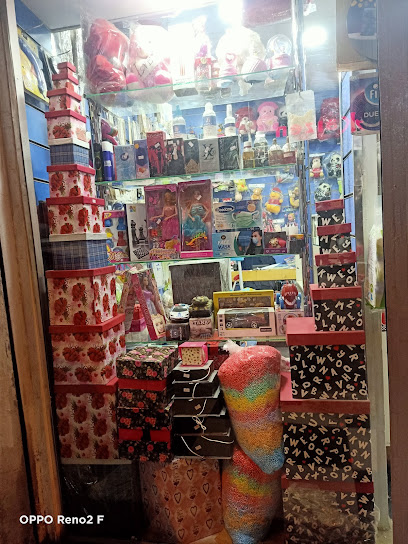
Patience and Faith Bazaar
0.5 km
Explore the rich heritage and exquisite craftsmanship of Egypt at Patience and Faith Bazaar, where every antique tells a story.
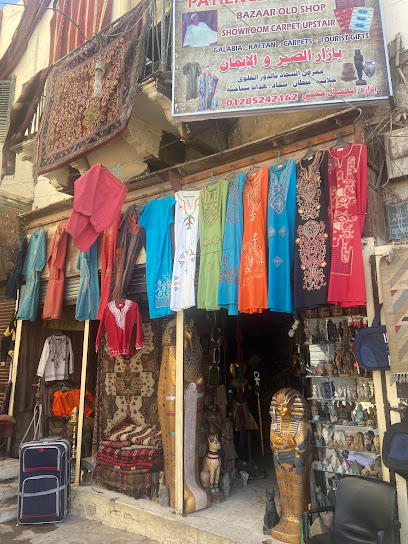
Azalia flowers Boutique
0.6 km
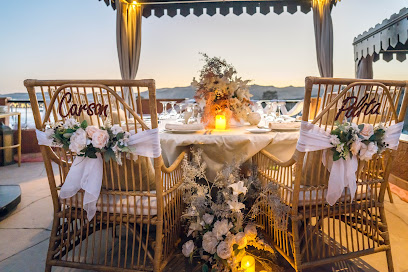
Discover the enchanting world of flowers at Azalia Flowers Boutique in Aswan, where beauty and nature intertwine in stunning arrangements.
محل ركن الهدايا
0.6 km
Discover exquisite Egyptian handicrafts and unique souvenirs at محل ركن الهدايا in Aswan, where culture and craftsmanship meet.
Old Shop Aswan
0.6 km
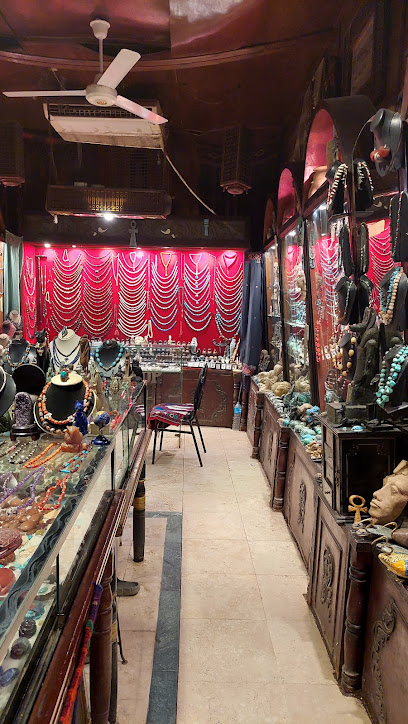
Explore the vibrant Old Shop Aswan, where local culture meets modern shopping for an unforgettable experience.
Sudanuba
0.6 km
Experience the rich flavors and vibrant culture of Nubia at Sudanuba, Aswan's beloved coffee shop offering delightful brews and engaging stories.
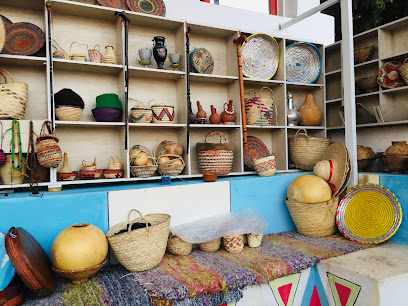
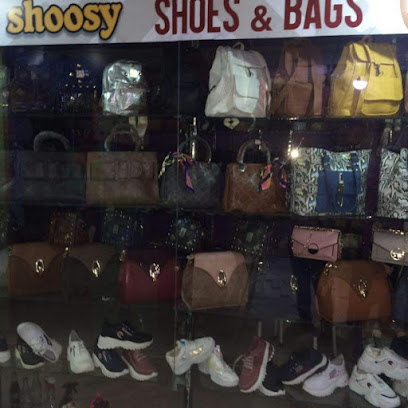
Shosy store
0.6 km
Shop at Shosy Store in Aswan for a wide variety of stylish shoes that combine quality, comfort, and local flair.
مول سيتي سنتر
0.6 km
استمتع بتجربة تسوق فريدة من نوعها في مول سيتي سنتر بأسوان، مع مجموعة متنوعة من المتاجر والمطاعم لتلبية جميع الأذواق.
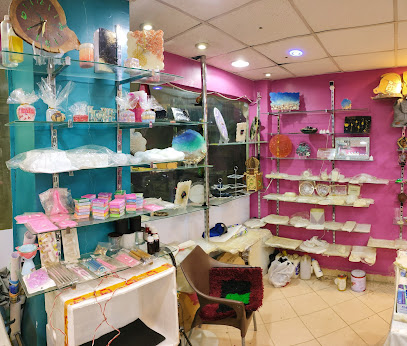
ريزن أسوان- Resin Aswan
0.6 km
Experience shopping like never before at Resin Aswan, where modern retail meets local culture in a vibrant mall atmosphere.
Essential bars & hidden hideouts

Being sport
0.2 km
Explore local flavors and unwind in the vibrant atmosphere of Being Sport, a bar that captures the essence of Aswan's nightlife.
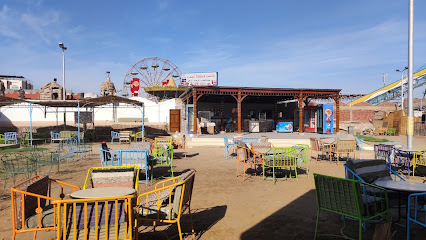
Princess Amira Aswan Hotel
0.3 km
Discover the elegance of Princess Amira Aswan Hotel, where modern comfort meets the rich heritage of Egypt, just steps from the Nile.
Emy Bar
0.7 km
Experience the vibrant nightlife of Aswan at Emy Bar, a local favorite for refreshing drinks and unforgettable memories.
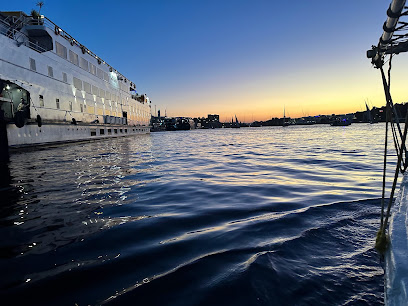
مطعم وكافيتيريا ايمى درينكز
0.7 km
Unwind by the Nile at Emy Drinks Café, where every sip is a taste of Aswan's vibrant culture and charm.
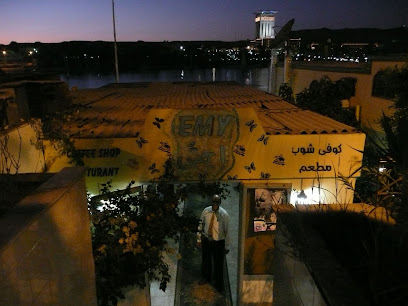
درينكيز
0.9 km
Discover the lively charm of درينكيز, a vibrant bar in Aswan perfect for relaxing and enjoying local culture amidst your Egyptian adventure.
رضا مصطفى أحمد
0.9 km
Discover the lively bar scene of Aswan at رضا مصطفى أحمد, where local culture meets refreshing drinks in a vibrant atmosphere.
Pool Bar
1.0 km
Experience tranquility at the Pool Bar on Elephantine Island, where refreshing drinks and stunning views create the perfect escape in Aswan.

The Lounge Bar
1.0 km
The Lounge Bar: A cocktail oasis on Elephantine Island, offering stunning views and exquisite drinks in Aswan, Egypt.
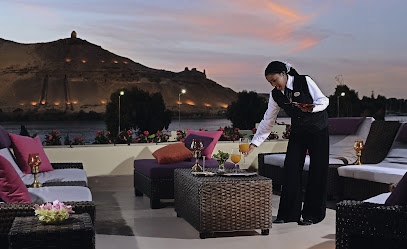
مطعم الطاهر لماكولات الشعبية
2.0 km
Savor authentic Egyptian cuisine at مطعم الطاهر لماكولات الشعبية, a must-visit dining spot in Aswan for an unforgettable culinary experience.
Panda bar
2.1 km
Discover the local charm of Aswan at Panda Bar, where traditional drinks and a cozy atmosphere await you.
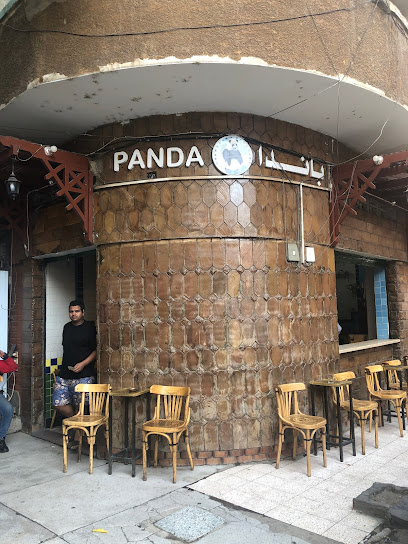
نيو ابو سمبل استلا
2.5 km
Discover the vibrant New Abu Simbel Bar in Aswan, where local culture meets refreshing drinks in a lively atmosphere.
Nubian Holiday House & Restaurant Nile View
2.6 km
Discover the charm of Nubian hospitality at Nubian Holiday House & Restaurant, a perfect blend of culture, cuisine, and comfort along the Nile.
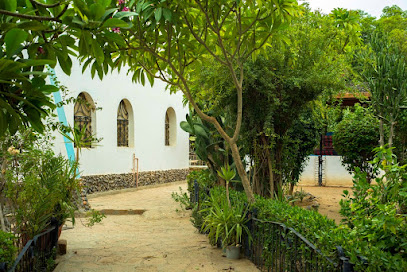
Habibi Nubian Guest House-Nubian Hospitality
2.6 km
Discover the heart of Nubia at Habibi Nubian Guest House, where comfort meets cultural immersion in a picturesque village setting.
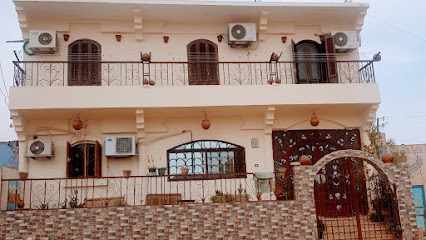
ببب
3.2 km
Discover the vibrant nightlife of Aswan at this lively bar, where culture meets relaxation in an unforgettable experience.
محمد احمد محمد
3.6 km
Discover the vibrant nightlife at Muhammad Ahmed Bar in Aswan, where local culture and refreshing drinks come together for an unforgettable experience.
Nightclubs & after hour spots

Game Stop
1.5 km
Discover the vibrant nightlife of Aswan at Game Stop, where music and dance collide for unforgettable evenings in Egypt's enchanting city.
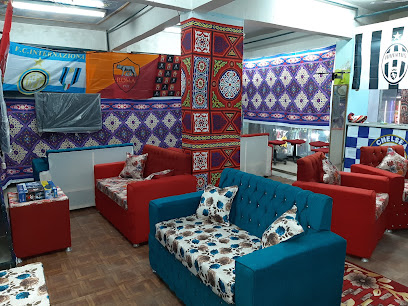
Aswan City
1.8 km
Discover the enchanting beauty and rich history of Aswan City, a vibrant Egyptian destination along the iconic Nile River.
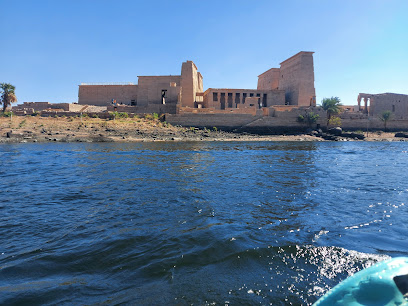
Wolves
2.0 km
Discover the electric nightlife of Aswan at Wolves Night Club, where music, dancing, and vibrant energy create unforgettable memories.
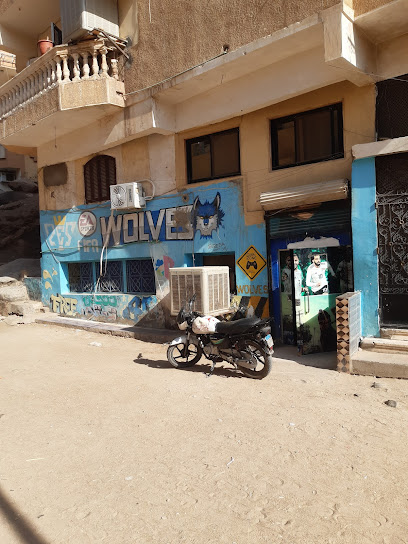
محمد ابو بكر
2.4 km
Discover the essence of Aswan's nightlife at محمد ابو بكر, where music, dance, and culture come together for an unforgettable experience.
قاعة نفرتاي
2.5 km
Dive into the vibrant nightlife of Aswan at قاعة نفرتاي, where modern beats meet traditional Egyptian hospitality along the scenic Nile.
بليستيشن سانتياجو
4.4 km
Discover the vibrant nightlife of Aswan at بليستيشن سانتياجو, where music, dance, and local culture unite for an unforgettable experience.
بلايستيشن
52.6 km
Dive into the vibrant nightlife at بلايستيشن, Aswan's premier nightclub, where electrifying music and unforgettable moments await.
Starks club der Lustbarkeiten
53.9 km
Experience the vibrant nightlife of Aswan at Starks Club Der Lustbarkeiten, where music, dance, and culture come together.
Iceyxmid Town
62.0 km
Immerse yourself in the vibrant nightlife of Iceyxmid Town, where music, dance, and culture blend to create unforgettable memories in Aswan.


