
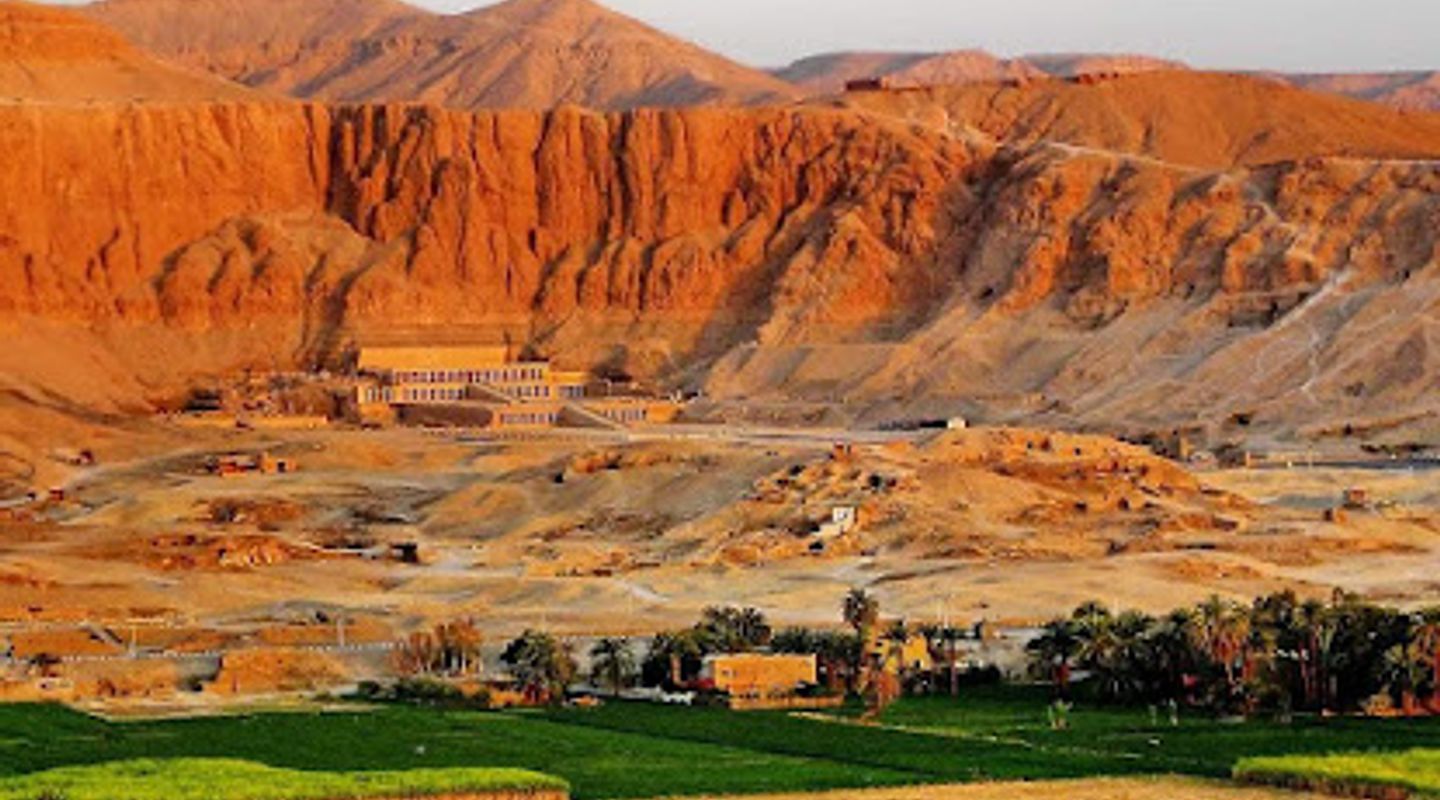
Luxor Temple, New Valley Travel Guide
Explore Luxor Temple, a majestic monument in the heart of Luxor, where pharaohs were crowned and ancient gods were honored.
Located in the heart of Luxor, Egypt, Luxor Temple is a strikingly graceful monument built largely by Pharaohs Amenhotep III and Ramses II around 1400 BCE. Unlike other temples in the area, Luxor Temple was dedicated to the rejuvenation of kingship, rather than a specific god.
A brief summary to Luxor Temple
- Luxor, Luxor City, Luxor Governorate, EG
- Click to display
- Monday 6 am-10 pm
- Tuesday 6 am-10 pm
- Wednesday 6 am-10 pm
- Thursday 6 am-10 pm
- Friday 6 am-10 pm
- Saturday 6 am-10 pm
- Sunday 6 am-10 pm

Know before you go
Hi, I'm Eve. Here are a few practical things to know before exploring Luxor Temple.
- Visit early in the morning or late in the afternoon to avoid crowds and the midday heat.
- Wear comfortable shoes, as you'll be doing a lot of walking.
- Hire a local guide to learn more about the temple's history and significance.
- Take your time to admire the intricate carvings and colossal statues.
- Don't miss the opportunity to see the temple illuminated at night.
Do you manage this location?
Take control to get all the benefits, like improved information, better appearance, and stronger visibility across AI-powered discovery. Learn more about listing your business on Evendo
Activate your presenceOther nearby places you may find interesting
The closest places of the same kind, if this one is not quite what you had in mind.

Explore Luxor Temple on the Map
A handpicked selection of must-see spots near Luxor Temple, mapped for you.
Unlock the Best of Luxor Temple
Buy tickets
Book tours with entry


Getting There
-
Walking
Luxor Temple is centrally located on Luxor's East Bank, making it easily accessible on foot from many hotels and other attractions. From the Luxor train station, it's approximately a 1 kilometer walk. As you walk along the Corniche, the temple will be clearly visible.
-
Taxi
Taxis are readily available throughout Luxor. A short taxi ride from most locations on the East Bank to Luxor Temple should cost between 50 and 100 EGP. Agree on the fare with the driver before starting your journey.
-
Public Transport
Local microbuses (service taxis) operate on fixed routes around Luxor. You can catch one from Luxor station or behind Luxor Temple to get to other parts of the city. The fare is around 0.50 EGP.
-
Ferry
If you are coming from the West Bank, take the public ferry located near Luxor Temple. The cost is less than $1 USD. Once on the East Bank, the temple is a short walk away.
Discover more about Luxor Temple













Your all‑in‑one travel companion app
Explore expert travel guides, compare and book tours, experiences, hotels, and more—all from the palm of your hand. Download now for seamless trip planning wherever your wanderlust takes you.


Explore More of New Valley
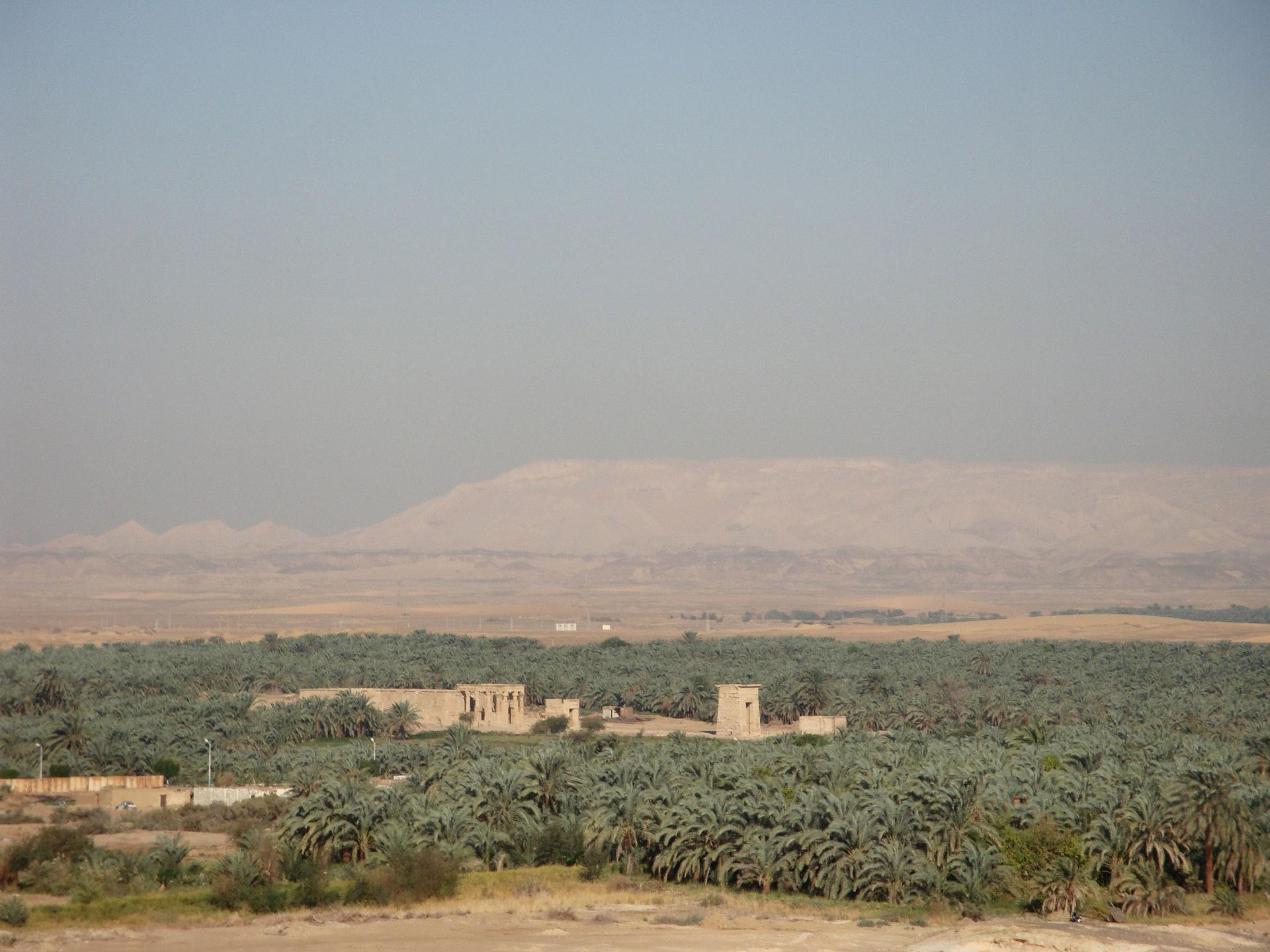
Looking beyond Luxor Temple? Discover New Valley for broader travel guides, local hot-spots, and regional highlights.
Explore New Valley
Discover the Necropolis of Nefermenu in Luxor: Explore ancient Egyptian tombs, art, and history in the Valley of the Nobles on the West Bank.
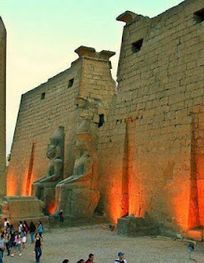
Step through the First Pylon and journey into the heart of ancient Thebes, where colossal statues and intricate carvings whisper tales of pharaohs and gods.
