
New Valley, Egypt Travel Guide
Explore the New Valley in Egypt, a hidden oasis in the Western Desert offering ancient history, stunning landscapes, and unique cultural experiences.
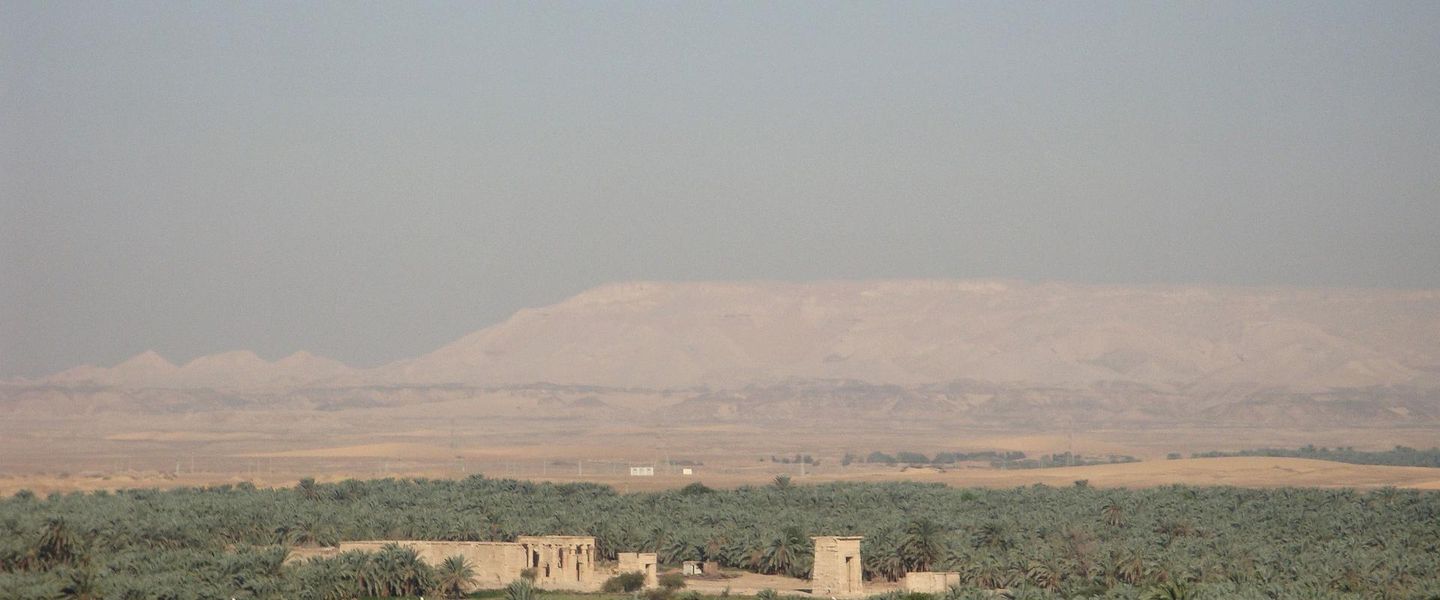
New Valley in Egypt is a hidden gem nestled in the Western Desert. This region is known for its stunning landscapes, ancient history, and unique cultural experiences. As you explore the vast desert, you will encounter lush oases, where life thrives against the odds. The contrast between the arid desert and the blooming oases creates a breathtaking sight that is sure to captivate any traveler. The New Valley is home to several historical sites that date back to the Pharaonic and Roman eras. The Dakhla Oasis, for example, boasts ancient ruins and temples that tell the stories of civilizations that once flourished here. The serene surroundings and the rich history make it a perfect spot for those interested in archaeology and history. In addition to its historical treasures, the New Valley offers a range of activities for nature lovers and adventure seekers. You can embark on a desert safari, visit the picturesque Kharga Oasis, or take a relaxing dip in one of the natural hot springs. The local culture is warm and welcoming, giving you a chance to experience traditional Egyptian hospitality. Whether you are looking for adventure, history, or tranquility, New Valley has something to offer.

Know before you go
Hi, I'm Eve. Here are a few practical things to know before exploring New Valley.
- Visit during the cooler months between October and April to avoid the intense summer heat.
- Hire a local guide to get the most out of your visit to historical sites and oases.
- Pack plenty of water and sun protection, as the desert sun can be very harsh.
- Don't miss the chance to try local dishes, especially dates and fresh bread from the oasis.
- Consider staying in a traditional eco-lodge for an authentic experience.
Top City Travel Guides in New Valley
The cities of New Valley, and the easiest places to base yourself.


Destinations in New Valley
Resorts, valleys and scenic spots worth a trip of their own.


Explore New Valley: Things to Do, Places to Eat, Hotels & More
Handpicked recommendations for top attractions, local dining, accommodations, and more

Top Attractions & Sightseeing in New Valley
Top-rated picks
Best Attractions

Luxor Temple
Explore the ancient splendor of Luxor Temple, a magnificent archaeological site that embodies the rich history of Egyptian civilization.

Mortuary Temple of Hatshepsut
Explore the Mortuary Temple of Hatshepsut, an extraordinary historical landmark celebrating the legacy of Egypt's first female pharaoh amidst stunning surroundings.

Luxor Museum
Experience the essence of ancient Egypt at the Luxor Museum, showcasing treasures and artifacts that tell the story of a civilization.

Wadi Hitan National Park
Explore the wonders of Wadi Hitan National Park, a UNESCO World Heritage Site showcasing ancient whale fossils in stunning desert landscapes.

Best landmarks in New Valley
Top-rated picks
Best Landmarks

Luxor Temple
Explore Luxor Temple, a majestic monument in the heart of Luxor, where pharaohs were crowned and ancient gods were honored.

Valley of the Kings
Explore the ancient tombs of pharaohs in Luxor's Valley of the Kings, a journey into Egyptian history and mythology.

Abu Simbel Temples
Discover the magnificent Abu Simbel temples, a testament to ancient Egyptian artistry and engineering, relocated to preserve history on the banks of Lake Nasser.

Bab al-Futuh
Explore Bab al-Futuh, Cairo's historic 'Gate of Conquest,' a Fatimid-era architectural marvel on Al-Muizz Street, offering a glimpse into the city's past.

Best restaurants in New Valley
Top-rated picks
Best Restaurants

Brunch & Cake Lake View
Discover exquisite brunches and stunning lake views at Brunch & Cake Lake View in New Cairo – a must-visit culinary gem.

Al Sahaby Lane Restaurant
Experience authentic Egyptian cuisine at Al Sahaby Lane Restaurant in Luxor – where tradition meets taste.

Bob Marley Moonlight terrace restaurant cafe
Savor authentic barbecue dishes at Bob Marley Moonlight Terrace Cafe while enjoying stunning views in Aswan's vibrant atmosphere.

Restaurant El-Kababgy Luxor
Experience authentic Egyptian flavors at Restaurant El-Kababgy Luxor – where tradition meets taste along the beautiful Nile.

Best bars in New Valley
Top-rated picks
Best Bars

The Tap East
Experience the vibrant flavors and social atmosphere at The Tap East, New Cairo's premier grill and bar destination for food and fun.

Vintage Bar & Lounge
Experience the charm and flavor of Cairo nightlife at Vintage Bar & Lounge, where cocktails meet elegance in a vibrant atmosphere.

Royal Bar
Experience the vibrant nightlife at Royal Bar in Luxor, offering stunning Nile views and a delightful selection of drinks to unwind and socialize.

Restaurant
Discover the culinary delights of Al Owina, where every meal is a journey through the flavors of Egypt and beyond.


Best shops in New Valley
Top-rated picks
Best Shops

Citystars Mall
Explore Citystars Mall: Cairo's premier shopping destination with diverse retail, dining, and entertainment options for every traveler.

Mall of Egypt
Explore a shopping paradise at Mall of Egypt, featuring top brands, diverse dining, and thrilling entertainment options in Giza.

Senzo Mall
Senzo Mall: The Ultimate Shopping Destination in Hurghada with Local and Global Brands, Dining, and Family Fun!

Oscar Grand Stores
Explore Oscar Grand Stores in New Cairo for a delightful shopping experience featuring local and international products in a spacious and friendly environment.

Explore New Valley on the Map
A handpicked selection of must-see spots in New Valley, mapped for you.
New Valley Essentials
-
New Valley, also known as Al Wadi Al Gedid, is located in the southwestern part of Egypt. The nearest major airport is Luxor International Airport, approximately 400 kilometers away. From Luxor, you can hire a taxi or a private car, or take a bus to reach Kharga, the capital of New Valley. The journey by road typically takes about 6 to 7 hours. There are also domestic flights from Cairo to Kharga Airport, which is a more convenient option if you prefer to avoid long road trips.
-
Within New Valley, transportation options include taxis, microbuses, and rental cars. Taxis are widely available and can be hired for short trips or full-day excursions. Microbuses operate on fixed routes and are a cost-effective way to travel between towns. Renting a car can offer greater flexibility for exploring the remote areas and archaeological sites at your own pace. Ensure you have a map or GPS, as some areas are sparsely populated and road signs may be limited.
-
The official currency in Egypt is the Egyptian Pound (EGP). Credit cards are accepted in some hotels, restaurants, and larger shops, but cash is preferred in smaller establishments and rural areas. ATMs are available in Kharga and Dakhla, but it is advisable to carry enough cash for your needs, especially when traveling to more remote areas within New Valley.
-
New Valley is generally considered safe for tourists, but standard precautions should always be taken. Avoid traveling alone at night and keep an eye on your belongings in crowded areas. While the region has a low crime rate, petty theft can occur. It is advisable to stay in well-known hotels and avoid isolated areas after dark. As always, be aware of your surroundings and avoid displaying valuable items.
-
In case of an emergency, dial 122 for police assistance and 123 for medical emergencies. The main hospitals in New Valley are located in Kharga and Dakhla, equipped to handle most medical situations. It is recommended to have travel insurance that covers medical emergencies. Pharmacies are available in the main towns for over-the-counter medications. Always carry a basic first aid kit when traveling to remote areas.
-
Fashion: Do dress modestly, especially when visiting religious sites. Avoid wearing revealing clothing. Religion: Do respect local customs and traditions. Always remove your shoes before entering mosques and dress conservatively. Public Transport: Do be respectful and courteous to fellow passengers. Don’t eat or drink on public transport. Greetings: Do greet people with a friendly 'Salam Alaikum' or a handshake. Avoid overly familiar gestures. Eating & Drinking: Do try local delicacies and accept food offerings graciously. Don't refuse hospitality, as it is considered impolite.
-
To experience New Valley like a local, visit the local markets in Kharga and Dakhla where you can buy fresh produce and traditional crafts. Engage with locals, who are often friendly and willing to share stories about their culture and history. Don't miss visiting the ancient temples and tombs, such as the Temple of Hibis and the Qasr Dush. For a unique experience, take a camel ride through the desert to explore its stunning landscapes and oases.
When is the best time to visit New Valley?
Useful Local Phrases for New Valley
You don't need to speak the language perfectly. Even learning a few simple words can make conversations warmer—and locals usually appreciate the effort.
— Eve

Here are the phrases I use most often in New Valley. Try a few—you'll be surprised how far they go! 😊
❤️
-
- Helloمرحبا
[Marhaban] - Goodbyeمع السلامة
[Ma'a as-salama] - Yesنعم
[Na'am] - Noلا
[La] - Please/You're welcomeمن فضلك
[Min fadlik] - Thank youشكرا
[Shukran] - Excuse me/Sorryعفوا
[Afwan] - How are you?كيف حالك؟
[Kayfa halak?] - Fine. And you?بخير، وأنت؟
[Bikhayr, wa anta?] - Do you speak English?هل تتحدث الإنجليزية؟
[Hal tatahaddath al-ingliziyya?] - I don't understandلا أفهم
[La afham]
- Helloمرحبا
-
- I'd like to see the menu, pleaseأريد أن أرى القائمة، من فضلك
[Ureed an ara al-qa'ima, min fadlik] - I don't eat meatأنا لا آكل اللحم
[Ana la akul al-lahm] - Cheers!في صحتك!
[Fi sihtak!] - I would like to pay, pleaseأود أن أدفع، من فضلك
[Awad an adfa', min fadlik]
- I'd like to see the menu, pleaseأريد أن أرى القائمة، من فضلك
-
- Help!نجدة!
[Najda!] - Go away!توقف!
[Tawaqqaf!] - Call the Police!اتصل بالشرطة!
[Ittasil bil-shurta!] - Call a doctor!اتصل بطبيب!
[Ittasil bi-tabeeb!] - I'm lostأنا ضائع
[Ana da'i'] - I'm illأنا مريض
[Ana marid]
- Help!نجدة!
-
- I'd like to buy...أود أن أشتري...
[Awad an ashtari...] - I'm just lookingأنا فقط أتطلع
[Ana faqat atatalla'] - How much is it?كم ثمنه؟
[Kam thamanuh?] - That's too expensiveهذا مكلف جدا
[Hatha mukallaf jidan] - Can you lower the price?هل يمكنك خفض السعر؟
[Hal yumkinuka khafd as-si'r?]
- I'd like to buy...أود أن أشتري...
-
- What time is it?كم الساعة؟
[Kam as-saa'a?] - It's one o'clockالساعة الواحدة
[As-saa'a al-wahidah] - Half past (10)نصف (10)
[Nisf (10)] - Morningصباحا
[Sabahan] - Afternoonبعد الظهر
[Ba'd az-zuhur] - Eveningمساء
[Masaa] - Yesterdayأمس
[Ams] - Todayاليوم
[Al-yawm] - Tomorrowغدا
[Ghadan] - 11
[1] - 22
[2] - 33
[3] - 44
[4] - 55
[5] - 66
[6] - 77
[7] - 88
[8] - 99
[9] - 1010
[10]
- What time is it?كم الساعة؟
-
- Where's a/the...?أين ال...؟
[Ayna al...?] - What's the address?ما هو العنوان؟
[Ma huwa al-'unwan?] - Can you show me (on the map)?هل يمكنك أن تريني (على الخريطة)؟
[Hal yumkinuka an tureeni (ala al-kharita)?] - When's the next (bus)?متى يأتي (الباص) التالي؟
[Mata yati (al-bus) at-tali?] - A ticket (to ....)تذكرة (إلى ....)
[Tathkara (ila ....)]
- Where's a/the...?أين ال...؟
History of New Valley
-
New Valley, also known as the New Valley Governorate, is located in the heart of the Western Desert of Egypt. Its history dates back to ancient times when it was part of the vast Libyan Desert. Archaeological findings suggest that prehistoric communities inhabited the area, evidenced by rock carvings and artifacts. These early settlers were likely attracted to the region's oases and underground aquifers, which provided essential water sources in the arid environment.
-
New Valley is home to several significant oases, including Kharga, Dakhla, and Farafra. During the Pharaonic era, these oases served as critical waypoints for caravans traveling between the Nile Valley and the rest of North Africa. They were centers of agriculture and trade, producing dates, grains, and other crops. The ancient Egyptians established fortified settlements and temples in these oases, such as the Temple of Hibis in Kharga, which dates back to the 26th Dynasty.
-
In the Roman period, New Valley saw significant development as a strategic frontier zone. The Romans built forts, roads, and irrigation systems to support their military and economic activities. The most notable Roman influence is seen in the well-preserved mudbrick forts of Kharga, such as the Qasr el-Ghuieta and Qasr el-Zayyan. These structures served as military outposts and trade hubs, facilitating the exchange of goods and culture across the region.
-
During the medieval period, New Valley continued to be an important trade route, connecting sub-Saharan Africa with the Mediterranean world. Islamic influence became prominent, and the region saw the construction of mosques, madrasas, and other Islamic institutions. The Dakhla Oasis, in particular, flourished under Islamic rule, with its capital, Mut, becoming a center of religious and educational activities. The remnants of medieval Islamic architecture can still be seen in the oases today.
-
In the 20th century, New Valley underwent significant transformation under Egyptian government initiatives aimed at developing the Western Desert. The construction of the New Valley Project in the 1960s aimed to create new agricultural lands by diverting water from Lake Nasser. This led to the establishment of new settlements and increased agricultural production. Today, New Valley is known for its unique blend of ancient history and modern development, attracting tourists and researchers alike.
-
Despite modernization, New Valley retains a rich cultural heritage. The local communities, including the descendants of ancient settlers, Bedouins, and Nubians, maintain traditional practices and crafts. Handicrafts such as pottery, weaving, and basket-making are still prevalent. The region also celebrates a variety of festivals and cultural events that showcase its diverse heritage. Visitors can experience this blend of history and culture through guided tours, local markets, and community interactions.
Neighbouring Regions of New Valley
The closest regions to New Valley, if you have time for more than one.


Your all‑in‑one travel companion app
Explore expert travel guides, compare and book tours, experiences, hotels, and more—all from the palm of your hand. Download now for seamless trip planning wherever your wanderlust takes you.


Explore More of Egypt
Looking beyond New Valley? Discover Egypt for broader travel guides, local hot-spots, and regional highlights.
Explore EgyptNew Valley in Photos
Browse through our photo collection highlighting the charm and character of the destination.


The Hidden Oasis: New Valley, Egypt
New Valley in Egypt is a hidden gem nestled in the Western Desert. This region is known for its stunning landscapes, ancient history, and unique cultural experiences. As you explore the vast desert, you will encounter lush oases, where life thrives against the odds. The contrast between the arid desert and the blooming oases creates a breathtaking sight that is sure to captivate any traveler. The New Valley is home to several historical sites that date back to the Pharaonic and Roman eras. The Dakhla Oasis, for example, boasts ancient ruins and temples that tell the stories of civilizations that once flourished here. The serene surroundings and the rich history make it a perfect spot for those interested in archaeology and history. In addition to its historical treasures, the New Valley offers a range of activities for nature lovers and adventure seekers. You can embark on a desert safari, visit the picturesque Kharga Oasis, or take a relaxing dip in one of the natural hot springs. The local culture is warm and welcoming, giving you a chance to experience traditional Egyptian hospitality. Whether you are looking for adventure, history, or tranquility, New Valley has something to offer.