
Famine Stela, Nubia Travel Guide
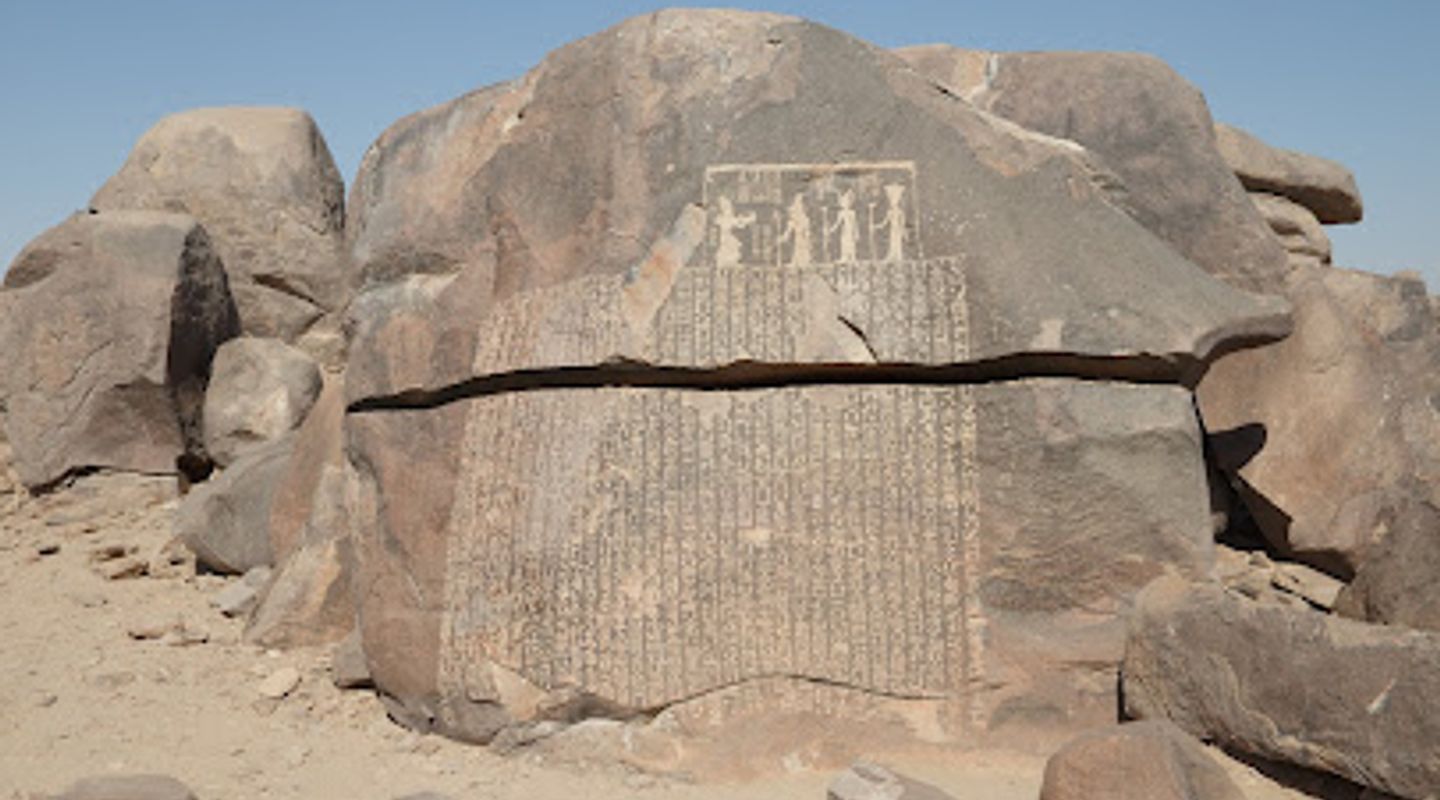
Explore the ancient Famine Stela on Sehel Island, a Ptolemaic inscription recounting a Pharoah's plea to end a devastating seven-year famine.
The Famine Stela, located on Sehel Island near Aswan, is an ancient Egyptian inscription recounting a seven-year drought and famine during the reign of Pharaoh Djoser. Carved into a granite boulder, the stela offers insights into the era's religious beliefs and the importance of the Nile River.
A brief summary to Famine Stela
- 3V5F+2MG, Aswan 1, Sheyakhah Thaneyah, Aswan Governorate, EG

Know before you go
Hi, I'm Eve. Here are a few practical things to know before exploring Famine Stela.
- Visit early morning or late afternoon for cooler temperatures and better lighting for photography.
- Hire a local guide on Sehel Island to gain deeper insights into the stela's historical significance and the surrounding area.
- Bring water and sun protection, as there is limited shade on the island.
Do you manage this location?
Take control to get all the benefits, like improved information, better appearance, and stronger visibility across AI-powered discovery. Learn more about listing your business on Evendo
Activate your presenceOther nearby places you may find interesting
The closest places of the same kind, if this one is not quite what you had in mind.

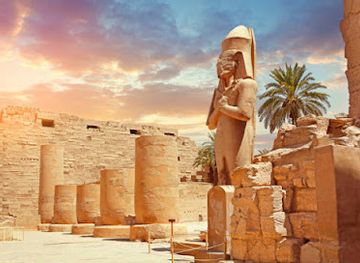
Explore Famine Stela on the Map
A handpicked selection of must-see spots near Famine Stela, mapped for you.
Getting There
-
Boat
To reach the Famine Stela, take a boat from Aswan's Corniche to Sehel Island. Negotiate the boat fare before departure; a round trip should cost approximately 100-200 EGP, depending on the boat type and your bargaining skills. The boat will drop you off at the island's dock, from where it's a short walk to the stela.
-
Walking
Once on Sehel Island, follow the marked path towards the Famine Stela. The walk is relatively short, about 5 minutes, over rocky terrain. The entrance fee to the site is 60 EGP. A local guide may offer their services for a tip.
Discover more about Famine Stela













Your all‑in‑one travel companion app
Explore expert travel guides, compare and book tours, experiences, hotels, and more—all from the palm of your hand. Download now for seamless trip planning wherever your wanderlust takes you.


Explore More of Nubia
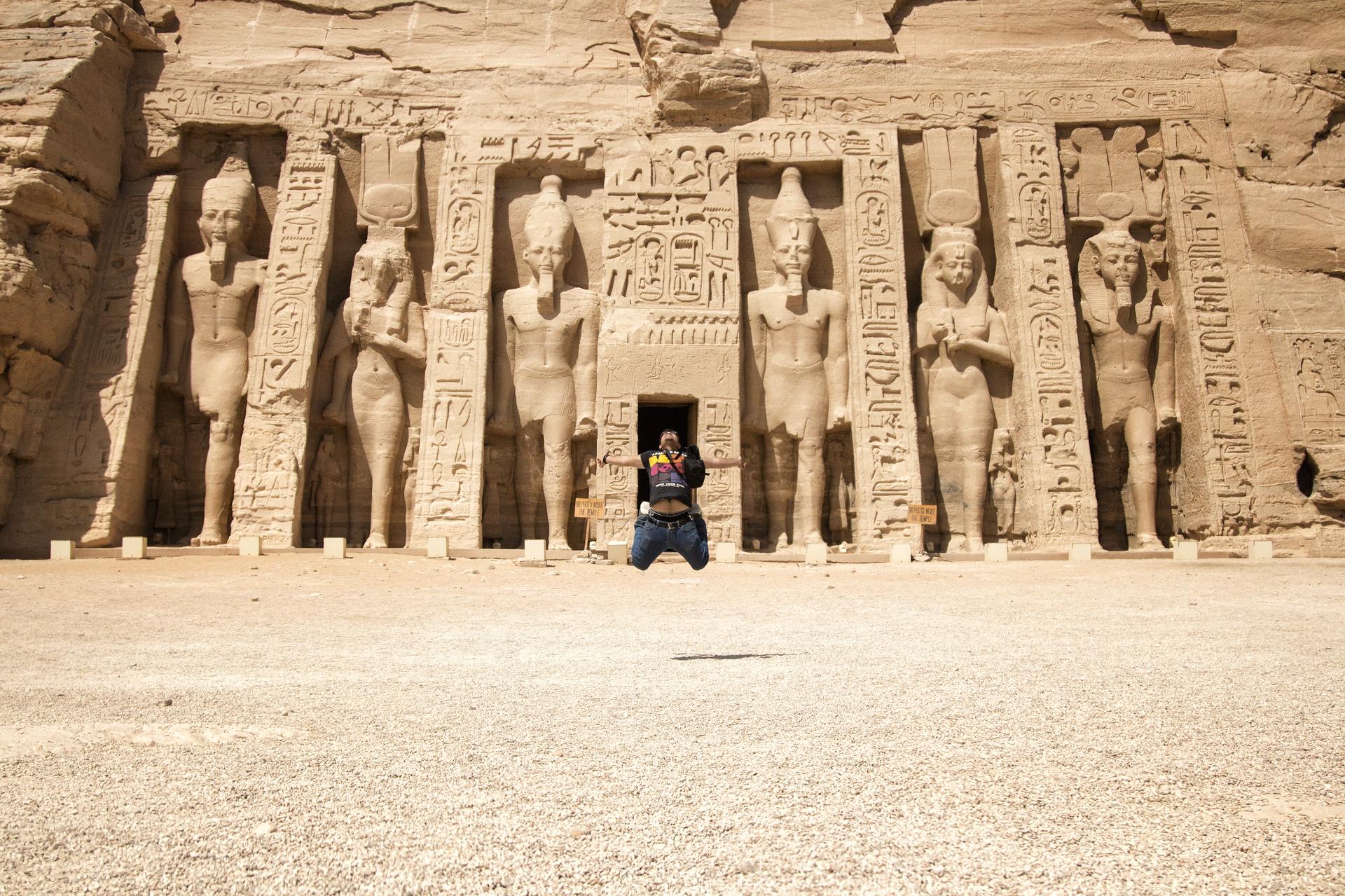
Looking beyond Famine Stela? Discover Nubia for broader travel guides, local hot-spots, and regional highlights.
Explore Nubia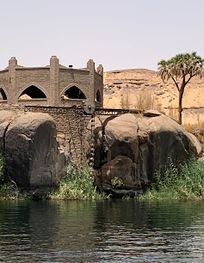
Discover Aswan's stunning birdlife with expert-led tours along the scenic Nile River. An unforgettable experience for nature and photography enthusiasts.
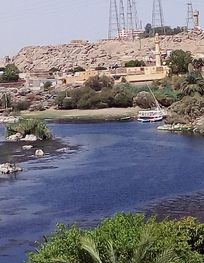
Explore Seheil Island in Aswan: Uncover ancient inscriptions, stunning Nile views, and a rich history etched in stone.
