Osireion: Abydos's Enigmatic Underworld Shrine
Explore the mysteries of the Osireion in Abydos, a unique and enigmatic structure believed to be a cenotaph of Seti I.
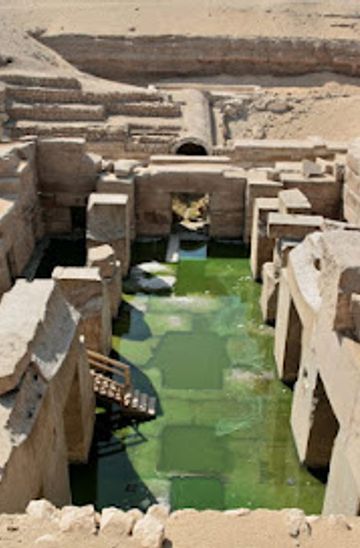
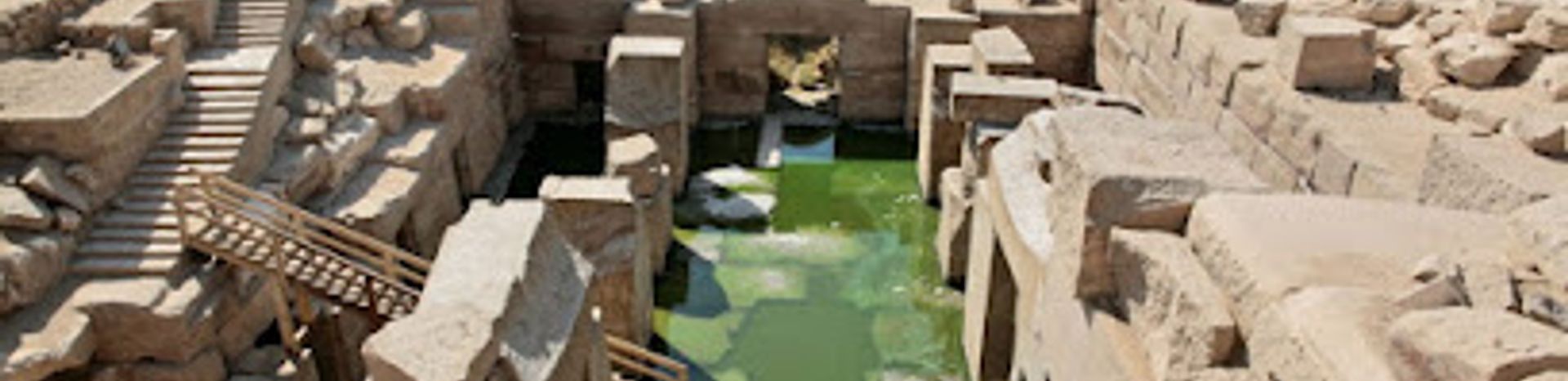
The Osireion, located behind the Temple of Seti I in Abydos, is a unique and mysterious megalithic structure that continues to baffle Egyptologists. Believed to be a cenotaph of Seti I, its design is strikingly different from other Egyptian structures, resembling tombs in the Valley of the Kings.
A brief summary to Osireion
- طريق ابيدوس-الصحراوي, Kharga, Arabet Abeidos, Sohag Governorate, 1611010, EG
- Monday 8 am-5 pm
- Tuesday 8 am-5 pm
- Wednesday 8 am-5 pm
- Thursday 8 am-5 pm
- Friday 8 am-5 pm
- Saturday 8 am-5 pm
- Sunday 8 am-5 pm

Know before you go
Hi, I'm Eve. Here are a few practical things to know before exploring Osireion.
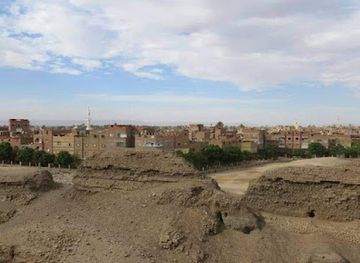
- While the Osireion is closed to the public, a good overview can be seen from the rear of the Temple of Seti I.
- Wear sturdy shoes suitable for walking on uneven ground around the archaeological site.
- Bring water and sun protection, as the area can be hot and exposed.
Do you manage this location?
Take control to get all the benefits, like improved information, better appearance, and stronger visibility across AI-powered discovery. Learn more
Activate your presenceOther nearby places you may find interesting
Getting There
-
Walking
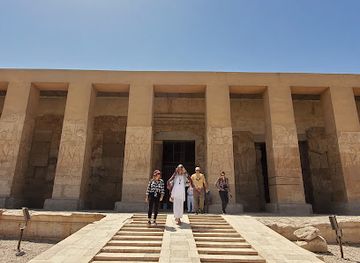
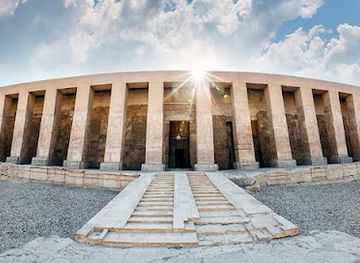
From the Temple of Seti I, the Osireion is located directly behind it. Walk towards the rear of the temple complex. The Osireion is visible from an elevated vantage point. There is no additional cost to view the Osireion from this area.
-
Public Transport
From Sohag, take a bus or microbus towards Al Balyana. From Al Balyana, the site is accessible by taxi or local transport. Negotiate the fare before starting your journey. A taxi from Al Balyana to Abydos will cost approximately 50-75 EGP. Confirm with the driver that they can take you to the Temple of Seti I, behind which the Osireion is located.
Discover more about Osireion
Explore the best of what Osireion has to offer













More about Upper Egypt
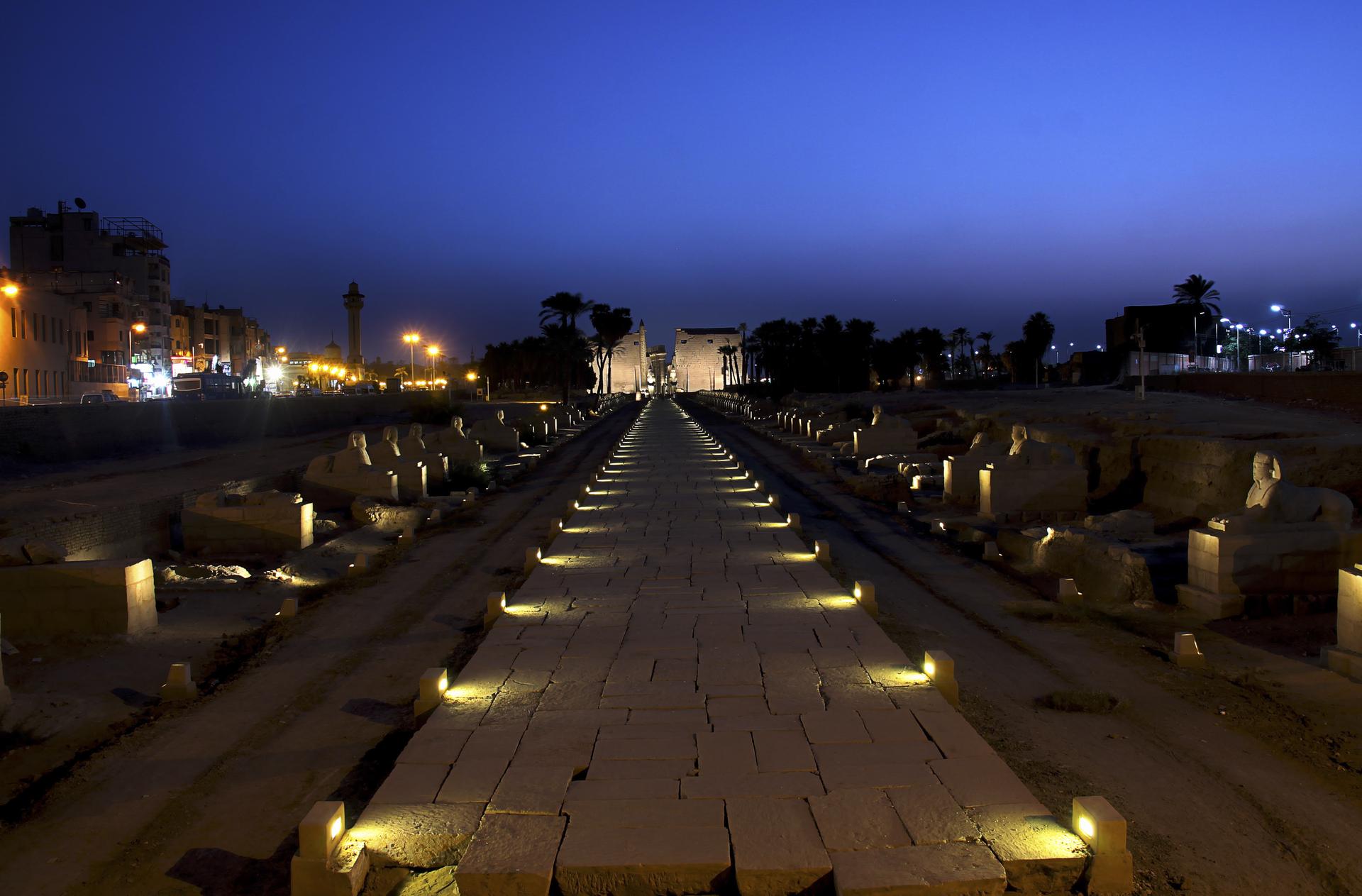
Explore Upper Egypt: A Journey Through Ancient Temples, Majestic Tombs, and the Timeless Beauty of the Nile River in the Heart of Egypt.
Tell me more about Upper Egypt
Experience tranquility on Luxor's West Bank with Nile views, delicious cuisine, and live music at El-Gezira Hotel & Restaurant.
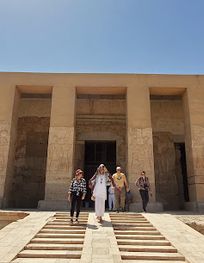
Explore the Temple of Abidos, an ancient Egyptian marvel dedicated to Osiris, with stunning reliefs, the King List, and a rich history to discover.