
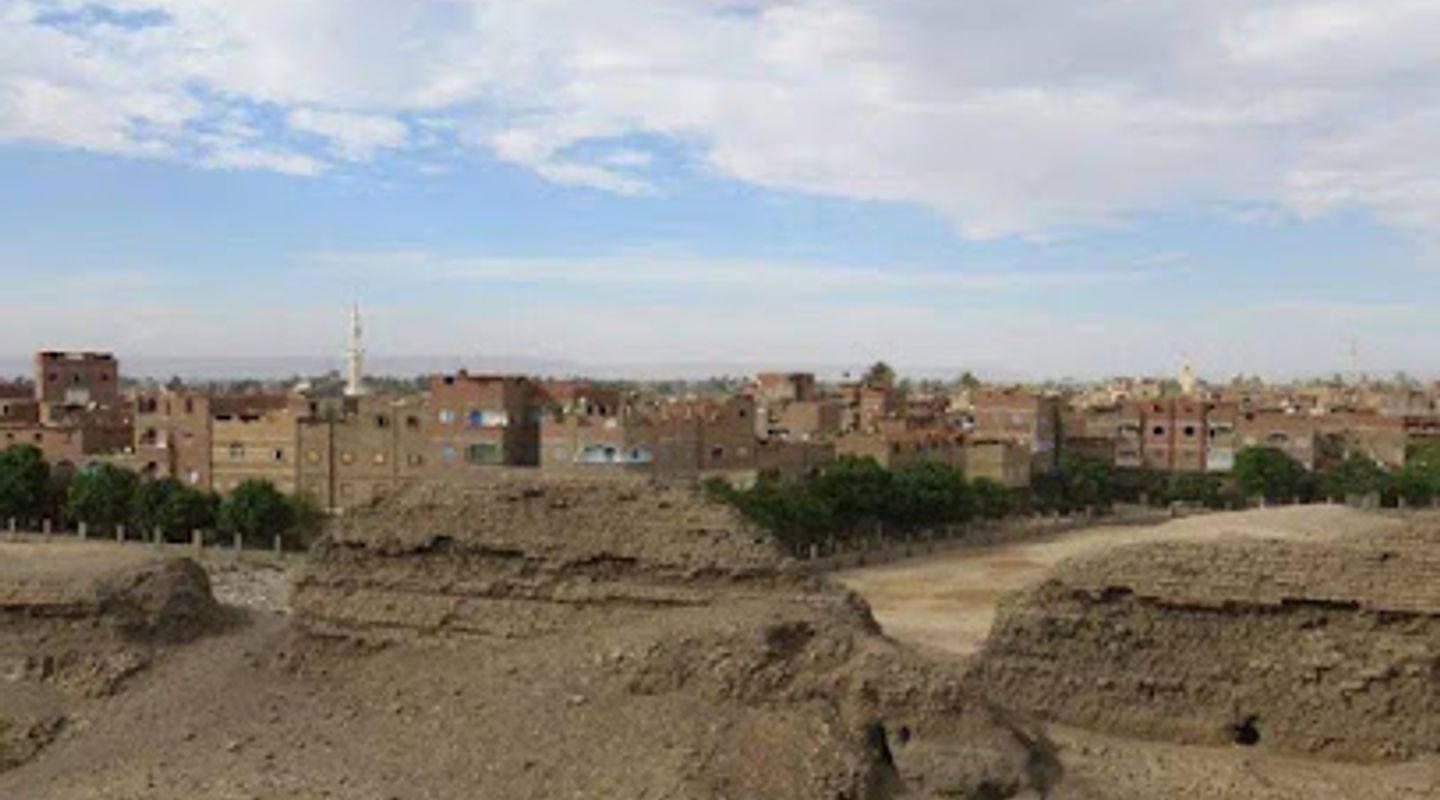
كوم السلطان, Upper Egypt Travel Guide
Explore Kom El Sultan in Sohag: An ancient Egyptian site with mud-brick structures, the Osiris Temple, and the only statue of Khufu discovered here.
Kom El Sultan, near Abydos in Upper Egypt, is a significant archaeological site dating back to the Early Dynastic Period. It features the remains of a massive mud-brick enclosure and the early temple of Osiris, built on the site of an older shrine to the local deity Khenti-Amentiu, offering a glimpse into ancient Egyptian religious practices and settlement history.
A brief summary to كوم السلطان
- طريق الدير, El Balyana, Bani Mansour, Sohag Governorate, EG
- Monday 6 am-5 pm
- Tuesday 6 am-5 pm
- Wednesday 6:30 am-5:30 pm
- Thursday 6 am-5 pm
- Saturday 6 am-5:30 pm
- Sunday 6 am-5 pm

Know before you go
Hi, I'm Eve. Here are a few practical things to know before exploring كوم السلطان.
- Wear comfortable shoes suitable for walking on uneven terrain, as the site involves exploring ancient ruins.
- Visit early in the morning or late in the afternoon to avoid the harsh midday sun, especially during the summer months.
- Hire a local guide to gain deeper insights into the history and significance of the site, as signage may be limited.
- Bring water and sunscreen, as there are limited facilities for purchasing refreshments and sun protection on-site.
- Respect the site's cultural and historical importance by not climbing on the ruins and avoiding littering.
Do you manage this location?
Take control to get all the benefits, like improved information, better appearance, and stronger visibility across AI-powered discovery. Learn more about listing your business on Evendo
Activate your presenceOther nearby places you may find interesting
The closest places of the same kind, if this one is not quite what you had in mind.
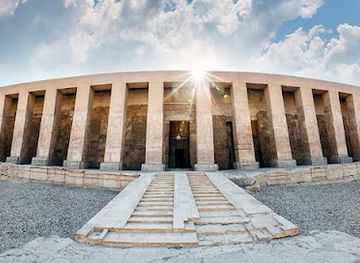

Explore كوم السلطان on the Map
A handpicked selection of must-see spots near كوم السلطان, mapped for you.
Getting There
-
Walking
From the main entrance of the Abydos temple complex, Kom El Sultan is approximately a 20-minute walk north. Follow the well-trodden path leading away from the main temple, keeping the cultivated fields to your left. The site is visible from a distance due to the large mud-brick enclosure. There are no entrance fees for the final approach, as it's an open archaeological area.
-
Taxi
Taxis can be hired from El Balyana or nearby towns to reach Kom El Sultan. A short taxi ride from the Abydos temple to Kom El Sultan will cost approximately 20-30 EGP. Negotiate the fare before starting the journey. The driver can drop you off near the site's entrance.
Discover more about كوم السلطان













Your all‑in‑one travel companion app
Explore expert travel guides, compare and book tours, experiences, hotels, and more—all from the palm of your hand. Download now for seamless trip planning wherever your wanderlust takes you.


Explore More of Upper Egypt
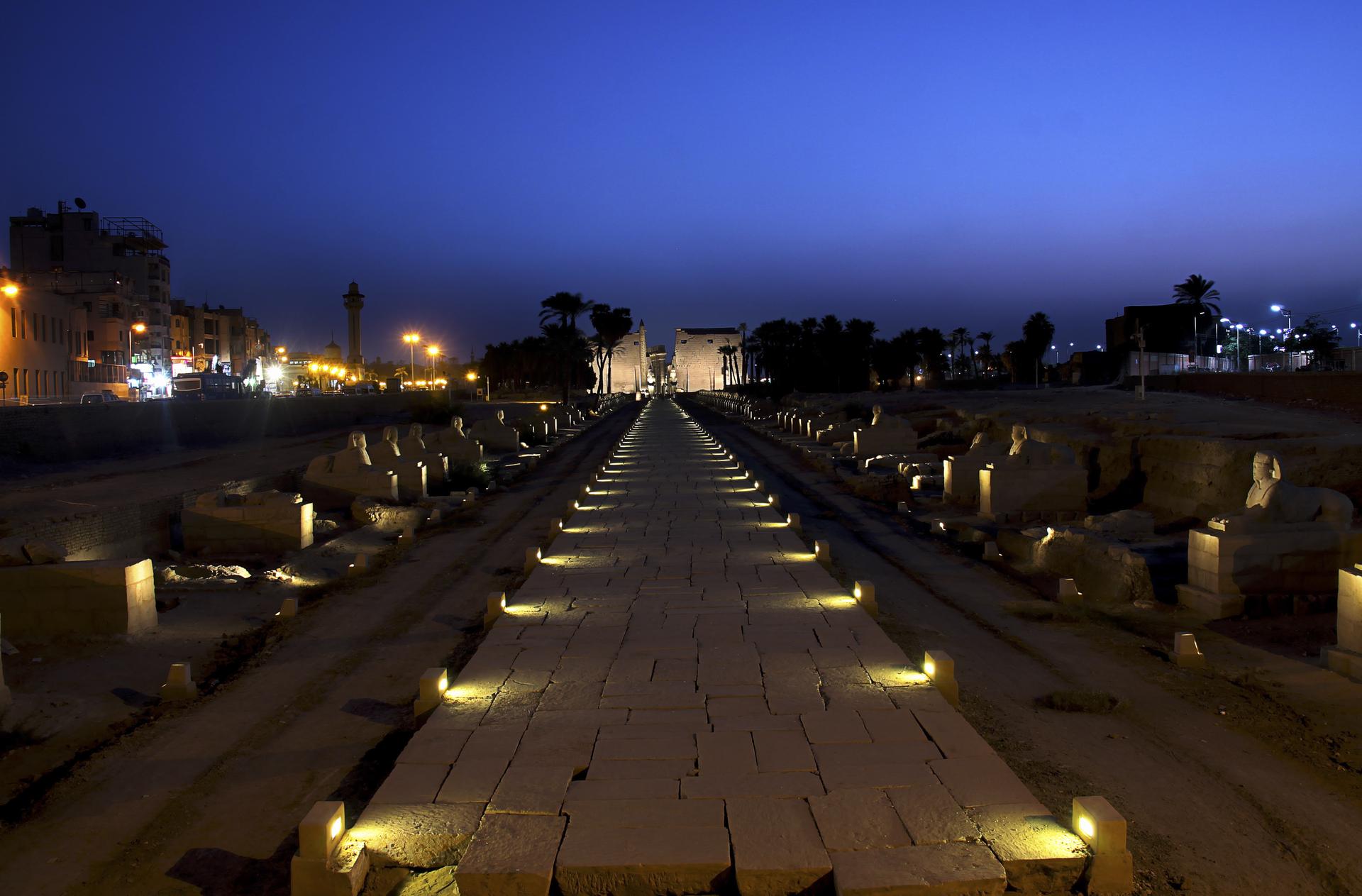
Looking beyond كوم السلطان? Discover Upper Egypt for broader travel guides, local hot-spots, and regional highlights.
Explore Upper Egypt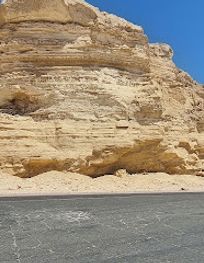
Discover the magic of Egypt's Western Desert: a journey through ancient landscapes, hidden oases, and timeless beauty.
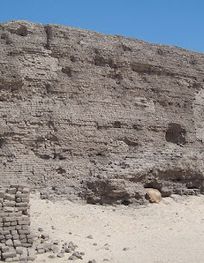
Explore Shunet El Zebib in Abydos, one of Egypt's oldest royal monuments, dating back to 2700 BCE, and a precursor to the iconic pyramids.
