

Free Big Bend Travel Guide & Mobile App
Plan your Big Bend trip with Evendo. Get free guides to top attractions, restaurants, hotels, and bars. Web access or download the mobile app.


Big Bend, Eswatini, reveals sugar-country landscapes, Usutu River scenery and a quieter lowveld gateway to eastern wildlife and Swazi culture.
A Lowland Town Shaped by Water
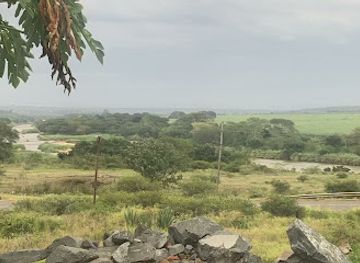
Big Bend lies in Eswatini’s hot eastern lowveld, where the Usutu River makes the broad turn that gave the settlement its English name. The town is closely associated with sugar cultivation, irrigation and the Royal Eswatini Sugar Corporation’s large agricultural operations, whose fields extend across the surrounding landscape. Compared with Mbabane or Manzini, Big Bend is small and quietly functional, with wide roads, modest commercial areas and a strong connection to the countryside.Read more about Big Bend
Sugar, Industry and Swazi Lowveld Life
A Base for Eastern Eswatini
When is the best time to visit Big Bend?
Best: May–July · 34–35°C| Month | High (°C) | Rainfall (mm) |
|---|---|---|
| January | 32 | 110 |
| February | 33 | 100 |
| March | 34 | 81 |
| April | 36 | 40 |
| May (best) | 35 | 14 |
| June (best) | 34 | 4 |
| July (best) | 34 | 3 |
| August | 37 | 5 |
| September | 37 | 19 |
| October | 37 | 48 |
| November | 36 | 77 |
| December | 34 | 93 |
Getting to and around Big Bend
How to get there
Transportation
Best attractions in Big Bend
Big Bend’s principal attractions are connected to its lowveld setting and working agricultural landscape rather than to a concentrated historic centre. The Usutu River gives the town its geographical identity, with wooded banks and open views contrasting with the geometric fields of the surrounding sugar estates. The cane-growing landscape offers an insight into one of Eswatini’s most important industries, although estate land is private and should be viewed from public roads unless permission is granted. Within the town, everyday life unfolds around local shops, services and community spaces rather than major museums or galleries. Big Bend also provides a practical base for excursions beyond the town, including Hlane Royal National Park, where visitors can encounter Eswatini’s wildlife and bush scenery, and the wider Lubombo region. These are regional destinations, not attractions within Big Bend itself, so transport and time should be planned accordingly.
-
 Park
ParkeMkhalamfene, Big bend, Eswatini
Explore the stunning landscapes and diverse wildlife of eMkhalamfene Park in Big Bend, Eswatini, a perfect destination for nature lovers and adventurers.
27 min drive · 8.9 km from city centre
-
Tourist attraction
Mhlosinga Rest Camp
Discover the serene beauty of Mhlosinga Rest Camp in Eswatini, your gateway to nature's wonders and cultural experiences.
7 min drive · 2.5 km from city centre
Best landmarks in Big Bend
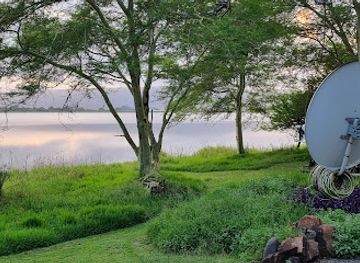
Big Bend’s most meaningful landmarks are geographical and industrial rather than monumental. The broad bend of the Usutu River explains the town’s name and remains the clearest natural marker of its identity, while the river corridor has long influenced settlement, farming and movement through the lowveld. The surrounding sugar estates and irrigation infrastructure form a powerful human landscape, expressing the agricultural development that transformed the district and continues to support its economy. Within the settlement, public buildings, commercial streets and community institutions reflect the practical scale of a rural service town rather than a historic architectural quarter. The wider eastern region adds landmarks of a different kind, including Hlane Royal National Park and the Lubombo landscape, but these lie outside Big Bend. Their significance belongs to the regional setting, whereas the town itself is best understood through the relationship between river, cane fields and community life.
-
Park
eMkhalamfene, Big bend, Eswatini
Experience the natural beauty and tranquility of eMkhalamfene Park, a serene retreat in Eswatini for nature lovers and adventure seekers.
27 min drive · 8.9 km from city centre
Explore Big Bend on the map
Plan your Big Bend trip on one map. See where the top attractions, landmarks, restaurants, bars and hotels are, find what's near where you're staying, and book hotels and experiences in a few clicks.
Best hotels in Big Bend
Best bars in Big Bend
Big Bend has a restrained evening scene suited to a small rural service centre rather than a dedicated nightlife destination. Informal local bars, hotel-based lounges and social venues provide places to meet residents, listen to music and enjoy a drink, while evening activity often centres on community and family gatherings rather than large clubs. There is little reason to expect the concentration of late-night venues found in Mbabane or Manzini, and entertainment can vary with local events and business schedules. Visitors should travel back to their accommodation by reliable transport, avoid walking unfamiliar roads late at night and remember that rural areas can become quiet soon after dark. Cultural performances, music and community occasions may offer a more representative evening experience than club-oriented tourism, but arrangements should be made locally and respectfully.
-
Golf course
Ubombo Country Club
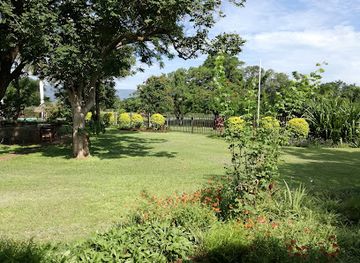
Discover the tranquil beauty of Ubombo Country Club, a premier golf destination set in the stunning landscapes of Eswatini.
8 min walk · 0.6 km from city centre
-
Bar
Lismore lodge and restuarant
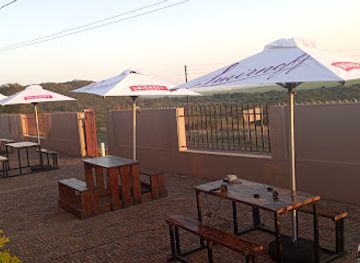
Discover the charm of Lismore Lodge & Restaurant in Big Bend, Eswatini - a perfect blend of local flavors and serene landscapes.
13 min drive · 4.4 km from city centre
-
Hotel
Bend Inn Hotel
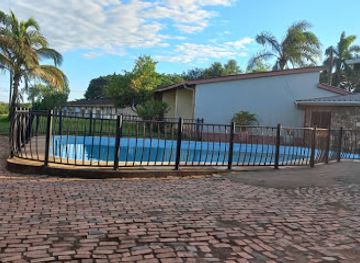
Discover comfort and adventure at Bend Inn Hotel, your perfect base in Big Bend, Eswatini, surrounded by natural beauty and cultural richness.
5 min drive · 1.7 km from city centre
-
Supermarket
Big Bend
Explore Big Bend: A Vibrant Supermarket Experience in Eswatini, Offering Fresh Produce and Local Crafts.
11 min walk · 0.8 km from city centre
Best nightclubs in Big Bend
Big Bend has a restrained evening scene suited to a small rural service centre rather than a dedicated nightlife destination. Informal local bars, hotel-based lounges and social venues provide places to meet residents, listen to music and enjoy a drink, while evening activity often centres on community and family gatherings rather than large clubs. There is little reason to expect the concentration of late-night venues found in Mbabane or Manzini, and entertainment can vary with local events and business schedules. Visitors should travel back to their accommodation by reliable transport, avoid walking unfamiliar roads late at night and remember that rural areas can become quiet soon after dark. Cultural performances, music and community occasions may offer a more representative evening experience than club-oriented tourism, but arrangements should be made locally and respectfully.
-
Golf course
Ubombo Country Club
Experience the beauty of golf at Ubombo Country Club in Big Bend, Eswatini, where nature meets sport in a stunning setting.
8 min walk · 0.6 km from city centre
-
Night club
The Zoo
Discover the vibrant nightlife of Big Bend at The Zoo Nightclub, where music, dancing, and unforgettable experiences await.
5 min drive · 1.6 km from city centre

Best shops in Big Bend
Shopping in Big Bend is practical and local, with small shops and commercial services supplying residents, agricultural workers and travellers. Visitors can look for everyday groceries, drinks, basic travel provisions and locally used household goods rather than a large concentration of souvenir boutiques or designer retailers. Informal vendors and small market-style stalls may offer seasonal produce and simple prepared food, although the selection and location can change. Eswatini craft traditions are more visible in dedicated craft markets and tourist centres elsewhere in the country than in Big Bend’s compact commercial area, so distinctive woven goods, carvings and souvenirs may require planning a stop in a larger town or at a regional attraction. Cash remains useful for small purchases, and travellers should buy essential supplies before setting out on longer lowveld journeys.
-
Supermarket
Shoprite Big Bend
Discover the convenience and variety at Shoprite Big Bend, your essential shopping hub in Eswatini, featuring groceries, local delicacies, and travel services.
2 min walk · 0.1 km from city centre
-
Supermarket
Big Bend
Discover Big Bend: A Supermarket Experience Reflecting the Local Culture and Culinary Delights of Eswatini.
11 min walk · 0.8 km from city centre
-
Store
SPAR Fresh Big Bend
Experience the vibrant flavors of Eswatini at SPAR Fresh Big Bend, a local grocery store offering fresh produce and unique culinary delights.
10 min walk · 0.8 km from city centre
-
Outdoor sports store
MR MATATA
Discover the ultimate outdoor sports store in Big Bend, Eswatini, where adventure begins with quality gear and expert advice.
26 min drive · 8.6 km from city centre


Get your free copy of our complete guide to Big Bend, delivered straight to you.
Everything on this page, from attractions and restaurants to essentials and local phrases, in one PDF you can read offline, print or share.
Already have an account? Sign in
Your Big Bend guide is ready.
We'll send it to · Not you? Sign out

Getting your guide ready…
We are putting together a fresh copy of the Big Bend guide. This can take up to a minute.
This can take a few moments. If your browser asks, choose Allow so the download can start. You'll find the guide in your Downloads folder.
Nothing happened? Download it again
Sorry, the guide is taking longer than usual. Please try again in a minute, or get it by email instead.
Big Bend essentials
Currency and Payment
Safety
Emergency Situations
Do's and Don'ts
Local Tips
From Eve
Local phrases worth knowing
You don't need to get them perfect. A few words go a long way, and locals appreciate the effort.
Basics
| English | Local | Say it |
|---|---|---|
| Hello | Sawubona | [sah-woo-boh-nah] |
| Goodbye | Hamba kahle | [hahm-bah kah-hleh] |
| Yes | Yebo | [yeah-boh] |
| No | Cha | [chah] |
| Please/You're welcome | Ngiyacela | [in-ghee-yah-seh-lah] |
| Thank you | Ngiyabonga | [in-ghee-yah-bohn-gah] |
| Excuse me/Sorry | Uxolo | [oo-shoh-loh] |
| How are you? | Kunjani? | [koon-jah-nee] |
| Fine. And you? | Ngiyaphila. Wena? | [in-ghee-yah-pee-lah. way-nah] |
| Do you speak English? | Ukhuluma isiNgisi? | [oo-khoo-loo-mah ee-see-nghee-see] |
| I don't understand | Angazi | [ahng-gah-zee] |
Eating & Drinking
| English | Local | Say it |
|---|---|---|
| I'd like to see the menu, please | Ngicela ukubona imenyu, ngiyacela | [in-gee-seh-lah oo-koo-boh-nah ee-mehn-yoo, in-ghee-yah-seh-lah] |
| I don't eat meat | Angiyi kudla inyama | [ahng-yee-ee koo-dlah ee-nya-mah] |
| Cheers! | Ongakhokhobi! | [ohng-gah-koh-koh-bee] |
| I would like to pay, please | Ngicela ukudlala, ngiyacela | [in-gee-seh-lah oo-koo-dlah-lah, in-ghee-yah-seh-lah] |
Emergencies
| English | Local | Say it |
|---|---|---|
| Help! | Usizo! | [oo-see-zoh] |
| Go away! | Hamba! | [hahm-bah] |
| Call the Police! | Vuma amaphoyisa! | [voo-mah ah-mah-poh-yee-sah] |
| Call a doctor! | Vuma umdokotela! | [voo-mah oom-doh-koh-teh-lah] |
| I'm lost | Ngikhathalelwa | [in-gee-khah-tah-lehl-wah] |
| I'm ill | Ngisengulile | [in-gee-sehn-goo-lee-leh] |
Shopping
| English | Local | Say it |
|---|---|---|
| I'd like to buy... | Ngicela ukuthenga... | [in-gee-seh-lah oo-koo-teh-ngah] |
| I'm just looking | Ngicela ukubuka kuphela | [in-gee-seh-lah oo-koo-boo-kah koo-peh-lah] |
| How much is it? | Kuyabani? | [koo-yah-bah-nee] |
| That's too expensive | Lokhu kungakabi kahle | [loh-khoo koo-nga-kah-bee kah-hleh] |
| Can you lower the price? | Unikeza kanjani isilinganiso? | [oo-nee-keh-zah kahn-jah-nee ee-see-ling-gah-nee-so] |
Time & Numbers
| English | Local | Say it |
|---|---|---|
| What time is it? | Ngubani usuku? | [in-goo-bah-nee oo-soo-koo] |
| It's one o'clock | Kuyashintsha elinesihlanu | [koo-yah-shint-shah eh-lee-neh-see-hlah-noo] |
| Half past (10) | Eliyashintsha elinesihlanu | [eh-lee-yah-shint-shah eh-lee-neh-see-hlah-noo] |
| Morning | Ekuseni | [eh-koo-seh-nee] |
| Afternoon | Emini | [eh-mee-nee] |
| Evening | Kusasa | [koo-sah-sah] |
| Yesterday | Izolo | [ee-zoh-loh] |
| Today | Namhlanje | [nahm-hlahn-jeh] |
| Tomorrow | Kusasa | [koo-sah-sah] |
| 1 | Kunye | [koo-nyeh] |
| 2 | Kubili | [koo-bee-lee] |
| 3 | Kuthathu | [koo-tah-too] |
| 4 | Kune | [koo-neh] |
| 5 | Kuhlanu | [koo-hlah-noo] |
| 6 | Isithupha | [ee-see-too-pah] |
| 7 | Isikhombisa | [ee-see-khom-bee-sah] |
| 8 | Isishiyagalombili | [ee-see-shee-yah-gah-lohm-bee-lee] |
| 9 | Isishiyagalolunye | [ee-see-shee-yah-gah-loh-loo-nyeh] |
| 10 | Kumi | [koo-mee] |
Transport & Directions
| English | Local | Say it |
|---|---|---|
| Where's a/the...? | Kwaphi... | [kwah-pee] |
| What's the address? | Lokhu lusemaneni? | [loh-khoo loo-seh-mah-neh-nee] |
| Can you show me (on the map)? | Unikeza kanjani? | [oo-nee-keh-zah kahn-jah-nee] |
| When's the next (bus)? | Ngubani ophela? | [in-goo-bah-nee oh-pheh-lah] |
| A ticket (to ....) | Itikithi (ku ....) | [ee-tee-kee-tee (koo)] |
History of Big Bend
Swazi Lowveld Before the Town
The area around present-day Big Bend forms part of Eswatini’s eastern lowveld, a region long inhabited and used by Swazi communities. Settlement and livelihoods were influenced by the Usutu River, seasonal water availability, grazing, cultivation and movement through the broad lowland corridor. As elsewhere in the kingdom, political authority developed through the Swazi nation under successive rulers, while local homesteads remained central to social and economic life. The landscape was not an empty frontier awaiting modern development: it was a lived rural environment whose rivers, grazing areas and agricultural knowledge later shaped the expansion of commercial farming.
Colonial Rule and Lowveld Administration
During the period of British colonial administration in Swaziland, the eastern lowveld was increasingly mapped, regulated and connected to wider systems of land administration and commerce. Roads and administrative structures strengthened links between rural communities, inland towns and neighbouring territories. Commercial agriculture expanded in areas where irrigation and land tenure made estate production possible, altering patterns of employment and access to land. Big Bend emerged within this changing lowveld economy, with its name referring to the pronounced turn of the Usutu River rather than to a single monumental foundation event.
The Rise of Irrigated Sugar
Modern Big Bend grew with the development of irrigated sugar cultivation in the Usutu valley. Sugar cane required substantial investment in water control, processing and transport, leading to an estate-based economy and the growth of a service settlement for workers, businesses and surrounding communities. The industry brought employment and infrastructure but also created a landscape organised around large-scale agricultural production. Cane fields, factory activity and river management became defining features of the district, linking Big Bend to the wider transformation of Eswatini’s lowveld into one of the kingdom’s principal agricultural regions.
Independence and National Development
Swaziland became independent from British rule in 1968, and the area around Big Bend subsequently developed within an independent kingdom increasingly focused on agricultural production, infrastructure and rural services. Sugar remained strategically important to the national economy, while estate companies, smallholder farmers and local communities interacted within a changing land and labour system. The town’s practical character reflects this history: its streets and facilities serve an agricultural district rather than a large urban population, and its identity continues to be shaped by the relationship between the Usutu, commercial farming and nearby rural settlements.
Big Bend in Contemporary Eswatini
Today Big Bend remains associated with sugar cultivation and the lowveld economy, while its location gives it a role as a gateway to eastern Eswatini. The town sits within a region of agricultural estates, community lands, wildlife areas and routes leading towards the Lubombo borderlands. Contemporary life combines the routines of a small service centre with the seasonal rhythms of cane farming and the continuing importance of Swazi rural society. Its historical significance is therefore most visible not in a concentration of preserved monuments, but in the working landscape, settlement pattern and economic structures that have developed around the Usutu River.
Big Bend in Photos
Browse through our photo collection highlighting the charm and character of the destination.
Cities near Big Bend
The closest cities to Big Bend, if you have time for more than one stop.
-

-

-

-


Swipe for more cities
Explore more

Explore more of Eswatini
Discover the vibrant culture and stunning landscapes of Eswatini, a hidden gem in Africa offering rich traditions, diverse wildlife, and adventure-filled outdoor activities.
Explore Eswatini