

Free Malkerns Travel Guide & Mobile App
Plan your Malkerns trip with Evendo. Get free guides to top attractions, restaurants, hotels, and bars. Web access or download the mobile app.


Malkerns, Eswatini, links craft markets, wildlife, Swazi culture and the green Malkerns Valley with easy access to Lobamba and Mlilwane nearby.
A Green Valley in Eswatini’s Middleveld
Malkerns lies in Eswatini’s fertile Middleveld, a gently undulating landscape of fields, woodland and mountain views between Manzini and the Lobamba–Ezulwini area. Rather than a compact urban centre, it is a spread-out valley settlement whose appeal comes from its rural setting, creative enterprises and easy access to some of the country’s most rewarding cultural and wildlife experiences. Roads wind past homesteads, small farms and craft workshops, while the surrounding hills provide a constantly changing backdrop.Read more about Malkerns
Craft, Music and Contemporary Swazi Culture
Wildlife and the Lobamba Heritage Belt
When is the best time to visit Malkerns?
Best: May, July–August · 22–25°C| Month | High (°C) | Rainfall (mm) |
|---|---|---|
| January | 28 | 110 |
| February | 30 | 101 |
| March | 29 | 91 |
| April | 28 | 81 |
| May (best) | 24 | 71 |
| June | 22 | 61 |
| July (best) | 22 | 50 |
| August (best) | 25 | 61 |
| September | 28 | 71 |
| October | 30 | 80 |
| November | 32 | 91 |
| December | 29 | 100 |
Getting to and around Malkerns
How to get there
Transportation
Best attractions in Malkerns
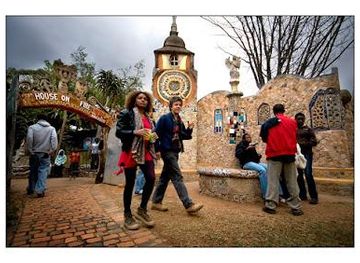
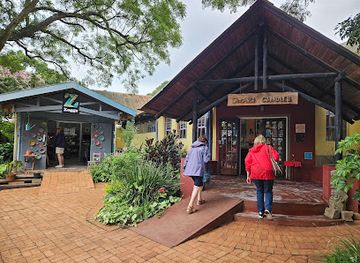
Malkerns’ attractions are spread through a green agricultural valley rather than concentrated in a central district. The Swazi Candles Centre is the best-known stop, combining a workshop setting with distinctive hand-shaped candles, craft shops and visitor facilities. Malandela’s, home to the House on Fire arts and events venue, adds music, performance and contemporary cultural energy to the area, with programmes varying over time. Nearby Mlilwane Wildlife Sanctuary offers a contrasting experience of open grassland, wooded hills and wildlife such as zebra and antelope, while Mantenga Cultural Village and Mantenga Falls near Lobamba introduce Swazi homestead architecture, music, dance and local history. Small craft enterprises and design workshops around the valley provide a closer look at basketry, textiles and handmade goods. Together these places make Malkerns a useful base for exploring the relationship between rural landscapes, artistic production, conservation and Eswatini’s living cultural traditions.
-
Nature preserve
Mlilwane Game Sanctuary
Explore Mlilwane Game Sanctuary: A natural paradise in Eswatini, offering wildlife encounters, stunning landscapes, and authentic cultural experiences.
17 min drive · 5.5 km from city centre
-
Tourist attraction
Mantenga Nature Reserve and Cultural Village
Experience the breathtaking beauty and rich culture at Mantenga Nature Reserve and Cultural Village in Eswatini, a must-visit for every traveler.
29 min drive · 9.7 km from city centre
-
Performing arts theater
House On Fire / Malandelas Restaurant
Discover the vibrant culture, delicious cuisine, and artistic spirit of Eswatini at Malandela's Farm, a unique destination for travelers.
14 min drive · 4.6 km from city centre
-
Memorial park
King Sobhuza II Park
Explore King Sobhuza II Park, a serene memorial park in Lobamba, Eswatini, rich with cultural significance and natural beauty for all visitors.
28 min drive · 9.2 km from city centre



Best landmarks in Malkerns
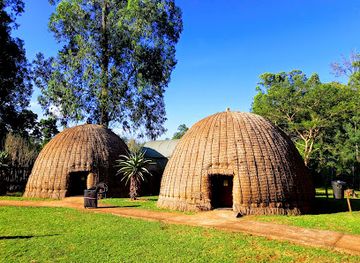
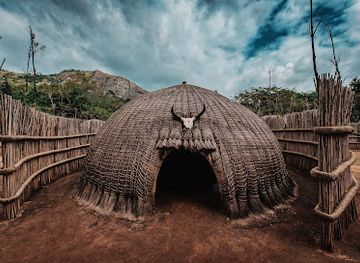
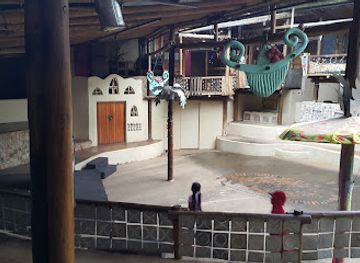
Malkerns’ most recognisable landmarks are connected with craft, culture and the surrounding landscape. The Swazi Candles Centre is distinguished by its workshop-based character and colourful handmade forms, representing the valley’s importance as a centre for creative enterprise. House on Fire at Malandela’s is a notable contemporary cultural landmark, its artistic setting and performance programme giving Malkerns a role in Eswatini’s music and festival life. In the nearby Lobamba area, Mantenga Cultural Village presents traditional Swazi homestead design and cultural interpretation, while Mantenga Falls provides a natural landmark among forested hills. Mlilwane Wildlife Sanctuary is significant as a conservation landscape rather than a built monument, with open plains and mountain scenery that reflect the region’s environmental identity. The broader royal landscape around Lobamba adds historical and symbolic depth to the valley’s rural setting.
-
Nature preserve
Mlilwane Game Sanctuary
Explore the breathtaking Mlilwane Game Sanctuary, a nature preserve in Eswatini offering wildlife encounters, scenic trails, and unforgettable experiences.
13 min drive · 4.3 km from city centre
-
 Lodging
Summerfield Botanical Garden & Exclusive Resort
Experience the serene beauty of Summerfield Botanical Garden & Exclusive Resort in Eswatini, where nature meets luxury in a tranquil paradise.
26 min drive · 8.8 km from city centre
-
Candle store
Swazi Candles
Explore the vibrant artistry of Swazi Candles in Malkerns, Eswatini. A unique treasure trove of handcrafted candles and local crafts await your discovery.
14 min walk · 1.1 km from city centre
-
Tourist attraction
Mantenga Cultural Village
Discover the vibrant culture and stunning landscapes of Mantenga Cultural Village in Eswatini, where tradition meets breathtaking natural beauty.
29 min drive · 9.7 km from city centre
Explore Malkerns on the map
Plan your Malkerns trip on one map. See where the top attractions, landmarks, restaurants, bars and hotels are, find what's near where you're staying, and book hotels and experiences in a few clicks.
Best hotels in Malkerns
Best restaurants in Malkerns
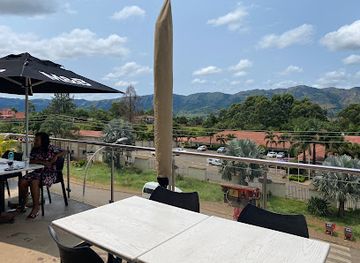
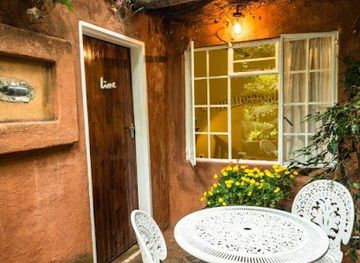
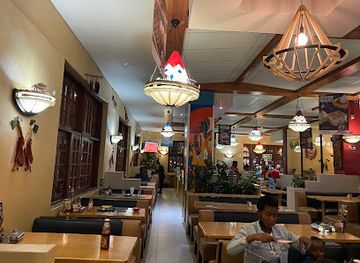
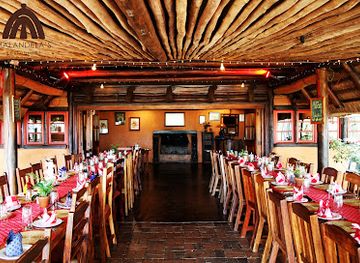
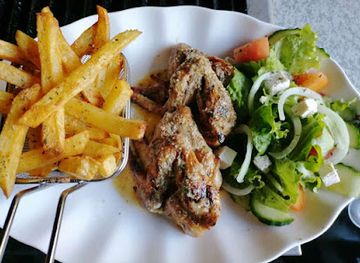
Malkerns’ dining scene is modest and closely linked to craft centres, lodges, farms and event venues rather than a dense restaurant quarter. Visitors can find café-style refreshments and casual meals around established attractions such as the Swazi Candles area and Malandela’s, while accommodation providers commonly serve dishes influenced by Eswatini’s home cooking and southern African ingredients. Local food may include maize-based staples, stews, grilled meat, vegetables and seasonal produce, with South African culinary influences also evident. In the wider Manzini, Lobamba and Ezulwini areas, the choice broadens to include hotel restaurants, cafés and informal food outlets. Markets and roadside sellers offer a more everyday perspective, though availability can be seasonal and hygiene standards vary. The best dining arrangements for a rural itinerary are usually made in advance, particularly outside the main tourist centres and after evening events.
-
Restaurant
Mugg & Bean Swaziland
Experience delightful dining at Mugg & Bean Swaziland, where comfort food meets local flavors in a warm and inviting atmosphere.
30 min drive · 10.0 km from city centre
-
Restaurant
Malandela's Guest House
Experience comfort and tranquility at Malandela's Guest House amidst stunning botanical gardens in Malkerns, Eswatini.
14 min drive · 4.7 km from city centre
-
Restaurant
Shebas Rock Spur
Discover the flavors of Eswatini at Shebas Rock Spur – where delicious meals meet family-friendly fun in Ezulwini.
30 min drive · 10 km from city centre
-
Restaurant
Malandela's Lifestyle Centre
Discover the essence of Eswatini at Malandela's Lifestyle Centre—where culinary delights meet local craftsmanship in a vibrant atmosphere.
14 min drive · 4.6 km from city centre
Best bars in Malkerns
Evenings in Malkerns are generally relaxed and venue-based rather than centred on a large club scene. House on Fire at Malandela’s is the area’s best-known cultural meeting point, presenting music, festivals and performance when scheduled, while nearby lodges and restaurants provide quieter spaces for drinks and conversation. The wider Ezulwini and Lobamba corridor offers more hotel bars and occasional live entertainment, and Manzini has the broadest urban choice within practical reach. Nightlife may be particularly active around major concerts or cultural events, but programmes are not constant and should be checked before travelling. Rural darkness and limited late transport make it sensible to arrange a return journey in advance. Evening experiences may also include storytelling, traditional music or cultural performances rather than nightclubs.
-
Guest house
Malandela's Guest House
Experience the charm of Malandela's Guest House in Malkerns, where comfort meets local culture in beautiful Eswatini.
14 min drive · 4.7 km from city centre
-
Restaurant
Malandela's Lifestyle Centre
Experience local culture and culinary delights at Malandela's Lifestyle Centre, a vibrant hub in Malkerns, Eswatini.
14 min drive · 4.6 km from city centre
-
Bed & breakfast
Malandelas Complex
Experience tranquility and charm at the Malandelas Complex, a perfect blend of bed & breakfast, botanical gardens, and local cuisine in Malkerns.
14 min drive · 4.6 km from city centre
-
Lodging
Sundowners Restaurant and Lodge
Discover the charm of Eswatini at Sundowners Restaurant and Lodge, where comfort meets local culture in a stunning natural setting.
20 min drive · 6.6 km from city centre
Best nightclubs in Malkerns
Evenings in Malkerns are generally relaxed and venue-based rather than centred on a large club scene. House on Fire at Malandela’s is the area’s best-known cultural meeting point, presenting music, festivals and performance when scheduled, while nearby lodges and restaurants provide quieter spaces for drinks and conversation. The wider Ezulwini and Lobamba corridor offers more hotel bars and occasional live entertainment, and Manzini has the broadest urban choice within practical reach. Nightlife may be particularly active around major concerts or cultural events, but programmes are not constant and should be checked before travelling. Rural darkness and limited late transport make it sensible to arrange a return journey in advance. Evening experiences may also include storytelling, traditional music or cultural performances rather than nightclubs.
-
Restaurant
Malkerns Country Club
Discover the flavors of Eswatini at Malkerns Country Club, where exquisite dining meets stunning natural beauty.
13 min walk · 1.0 km from city centre
-
Night club
Princes Pholile Hall
Discover the vibrant nightlife at Princes Pholile Hall, a top night club in Malkerns, Eswatini, perfect for dancing and socializing.
14 min walk · 1.1 km from city centre
-
Lounge
The Sprout Restuarant & Lounge
Discover The Sprout Restaurant & Lounge in Malkerns, Eswatini, where local flavors meet a vibrant atmosphere for an unforgettable dining experience.
14 min walk · 1.1 km from city centre

Best shops in Malkerns
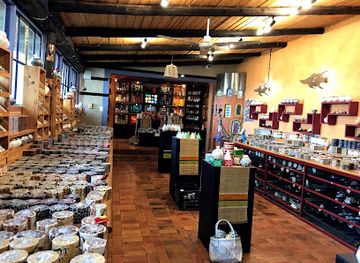
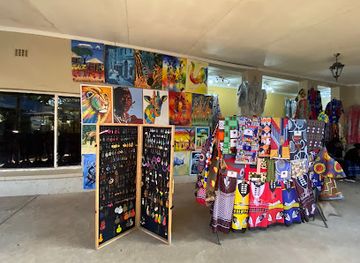
Shopping in Malkerns is centred on locally made goods rather than conventional high-street retail. The Swazi Candles Centre is the principal stop for hand-shaped candles, decorative pieces and gifts, while surrounding craft enterprises offer opportunities to see or buy items associated with Eswatini’s creative production. Depending on the outlet and season, visitors may encounter woven baskets, textiles, beadwork, carvings and homewares made by local artisans or community-based workshops. The nearby Mantenga craft area and markets around the Lobamba–Ezulwini corridor broaden the selection, while Manzini provides a more substantial town-market experience. Bargaining is not appropriate everywhere, particularly in established shops with marked prices, so ask politely when unsure. Check that natural materials and cultural objects have been obtained and exported legally before purchasing, especially when crossing an international border.
-
Candle store
Swazi Candles
Explore the vibrant world of Swazi Candles, where artistry meets tradition in handcrafted wax creations, perfect for unique souvenirs and gifts.
14 min walk · 1.1 km from city centre
-
Shopping mall
Mantenga Lifestyle & Craft Centre
Explore the Mantenga Lifestyle & Craft Centre for a unique blend of shopping, local crafts, adventure sports, and culinary delights in Eswatini.
30 min drive · 10 km from city centre
-
Shopping mall
Malandela's Lifestyle Centre
Explore Malandela's Lifestyle Centre in Eswatini for unique crafts, delicious local cuisine, and a vibrant cultural experience.
14 min drive · 4.6 km from city centre
-
Garden center
Vickery Seedlings
Explore the lush landscapes of Eswatini at Vickery Seedlings, a premier garden center offering a vibrant selection of plants and gardening supplies.
8 min drive · 2.5 km from city centre
Get your free copy of our complete guide to Malkerns, delivered straight to you.
Everything on this page, from attractions and restaurants to essentials and local phrases, in one PDF you can read offline, print or share.
Already have an account? Sign in
Your Malkerns guide is ready.
We'll send it to · Not you? Sign out

Getting your guide ready…
We are putting together a fresh copy of the Malkerns guide. This can take up to a minute.
This can take a few moments. If your browser asks, choose Allow so the download can start. You'll find the guide in your Downloads folder.
Nothing happened? Download it again
Sorry, the guide is taking longer than usual. Please try again in a minute, or get it by email instead.
Malkerns essentials
Currency and Payment
Safety
Emergency Situations
Do's and Don'ts
Local Tips
From Eve
Local phrases worth knowing
You don't need to get them perfect. A few words go a long way, and locals appreciate the effort.
Basics
| English | Local | Say it |
|---|---|---|
| Hello | Sawubona | [Sawu-boh-nah] |
| Goodbye | Hamba kahle | [Ham-bah kah-leh] |
| Yes | Yebo | [Yeh-boh] |
| No | Cha | [Chah] |
| Please/You're welcome | Ngiyacela | [Ngee-ya-ceh-lah] |
| Thank you | Ngiyabonga | [Ngee-ya-bohn-gah] |
| Excuse me/Sorry | Uxolo | [Oo-choh-loh] |
| How are you? | Unjani? | [Oon-jah-nee] |
| Fine. And you? | Ngiyaphila. Wena? | [Ngee-ya-pee-lah. Weh-nah] |
| Do you speak English? | Ukhuluma isiNgisi? | [Oo-koo-loo-mah iss-ee-ngi-see] |
| I don't understand | Angifuni | [Ah-ngi-foo-nee] |
Eating & Drinking
| English | Local | Say it |
|---|---|---|
| I'd like to see the menu, please | Ngicela ukubona imenyu, Ngiyacela | [Ngee-ceh-lah oo-koo-boh-nah ee-men-yoo, Ngee-ya-ceh-lah] |
| I don't eat meat | Angiyi kudla inkomo | [Ah-ngi-yee koo-dlah een-koh-moh] |
| Cheers! | Ongakhale | [Ohn-gah-kah-leh] |
| I would like to pay, please | Ngicela ukufaka, Ngiyacela | [Ngee-ceh-lah oo-koo-fah-kah, Ngee-ya-ceh-lah] |
Emergencies
| English | Local | Say it |
|---|---|---|
| Help! | Usizo! | [Oo-see-zoh] |
| Go away! | Hamba! | [Ham-bah] |
| Call the Police! | Vula amaphoyisa! | [Voo-lah ah-mah-poh-yee-sah] |
| Call a doctor! | Vula umdokotela! | [Voo-lah oom-doh-koh-teh-lah] |
| I'm lost | Ngishoda | [Ngee-shoh-dah] |
| I'm ill | Ngizwa | [Ngee-zwah] |
Shopping
| English | Local | Say it |
|---|---|---|
| I'd like to buy... | Ngicela ukuthenga... | [Ngee-ceh-lah oo-koo-teh-ngah] |
| I'm just looking | Ngicela ukubuka kuphela | [Ngee-ceh-lah oo-koo-boo-kah koo-peh-lah] |
| How much is it? | Kuyini lokhu? | [Koo-yee-nee loh-koo] |
| That's too expensive | Lokhu kungakhihlani | [Loh-koo koo-nga-khee-lah-nee] |
| Can you lower the price? | Ungasusa imali? | [Oo-nga-soo-sah ee-mah-lee] |
Time & Numbers
| English | Local | Say it |
|---|---|---|
| What time is it? | Ngubani usuku lwesikhathi? | [Ngoo-bah-nee oo-soo-koo lwe-see-kah-tee] |
| It's one o'clock | Kuyisikhombisa esisodwa | [Koo-yee-see-khohm-bee-sah eh-see-sohd-wah] |
| Half past (10) | Kwesikhathi sangasese (10) | [Kwe-see-kah-tee sah-nga-seh-seh (10)] |
| Morning | Emini | [Eh-mee-nee] |
| Afternoon | Ntambama | [Ntahm-bah-mah] |
| Evening | Siswati | [See-swah-tee] |
| Yesterday | Ntfo | [Ntfoh] |
| Today | Namuhla | [Nah-moo-hlah] |
| Tomorrow | Kusasa | [Koo-sah-sah] |
| 1 | Kunye | [Koo-nyeh] |
| 2 | Kubili | [Koo-bee-lee] |
| 3 | Kuthathu | [Koo-tah-thoo] |
| 4 | Kune | [Koo-neh] |
| 5 | Kuhlanu | [Koo-hlah-noo] |
| 6 | Kusihlanu | [Koo-see-hlah-noo] |
| 7 | Kusisibhozo | [Koo-see-see-boh-zoh] |
| 8 | Kusisombili | [Koo-see-som-bee-lee] |
| 9 | Kusitfupha | [Koo-see-tfoo-pah] |
| 10 | Kusipha | [Koo-see-pah] |
Transport & Directions
| English | Local | Say it |
|---|---|---|
| Where's a/the...? | Kuphi... | [Koo-pee] |
| What's the address? | Leli bhalo kuyini? | [Leh-lee bah-loh koo-yee-nee] |
| Can you show me (on the map)? | Ungangibonisa (emaphini)? | [Oo-ngah-ngi-boh-nee-sah (eh-mah-pee-nee)] |
| When's the next (bus)? | Kuphi isithutha esilandelayo? | [Koo-pee ee-see-too-thah eh-see-lahn-deh-yoh] |
| A ticket (to ....) | Ithikithi (ku....) | [Ee-tee-kee-thee (koo)] |
History of Malkerns
Settlement in the Middleveld
The landscape around present-day Malkerns formed part of the wider Middleveld inhabited by Swazi communities and shaped by seasonal cultivation, cattle keeping and movement between homesteads. The area’s fertile soils and moderate climate helped sustain rural settlement, while its position between the highveld and lowveld connected communities moving through central Eswatini. As elsewhere in the kingdom, social organisation centred on chiefdoms, kinship and the authority of the Swazi monarchy. The valley visible today is therefore not an empty agricultural setting but a cultural landscape shaped by generations of settlement, land use and customary relationships.
The Swazi Kingdom Takes Shape
During the nineteenth century, the Swazi kingdom consolidated its political influence under successive rulers, including Sobhuza I and Mswati II. Warfare, alliance-building and migration altered the distribution of communities across what is now Eswatini, while royal institutions and customary law provided a framework for social and political life. The central region around Lobamba became especially important to the monarchy, and the Malkerns area developed within that wider royal and agricultural landscape. Many contemporary cultural experiences in the region, including explanations of royal tradition and community life, are best understood against this history rather than as isolated performances created solely for visitors.
Colonial Rule and Changing Land Use
From the late nineteenth century, Swaziland came under increasing British influence and was administered as a protected territory after 1906. Colonial rule introduced new systems of land administration, taxation and commercial agriculture, changing how rural communities interacted with land and markets. Mission activity, roads and farming enterprises also contributed to the gradual development of settlements and services in the Middleveld. Malkerns’ modern identity as an agricultural and craft-oriented valley reflects this longer process of rural economic change, although customary land, community authority and Swazi cultural institutions remained important alongside colonial structures.
Independence and a Modernising Kingdom
Swaziland became independent from Britain in 1968, retaining its monarchy and developing a political and economic system shaped by both customary institutions and modern state administration. Improved roads and investment in agriculture, tourism and small enterprise strengthened connections between Malkerns, Manzini, Lobamba and the Ezulwini Valley. Wildlife conservation also became increasingly significant as protected areas were developed and promoted as part of the country’s tourism economy. In this period, rural locations such as Malkerns gained a wider public identity through craft production, cultural events and hospitality rather than through large-scale urban development.
Eswatini and Contemporary Cultural Identity
In 2018, the country adopted the name Eswatini, a change that reaffirmed Swazi-language identity and marked the fiftieth anniversary of independence. Malkerns today sits within a regional network linking craft producers, cultural venues, conservation areas and the royal centres around Lobamba. Its history is encountered less through a dense collection of monumental buildings than through the continuing relationship between land, community, monarchy, artistic enterprise and rural livelihoods. Places such as craft centres, cultural villages and wildlife reserves interpret different parts of that story, while the valley’s farms and homesteads preserve its everyday setting.
Malkerns in Photos
Browse through our photo collection highlighting the charm and character of the destination.
Cities near Malkerns
The closest cities to Malkerns, if you have time for more than one stop.
-

-

-

-


Swipe for more cities
Explore more

Explore more of Eswatini
Discover the vibrant culture and stunning landscapes of Eswatini, a hidden gem in Africa offering rich traditions, diverse wildlife, and adventure-filled outdoor activities.
Explore Eswatini