Kurjenrahka National Park: A Natural Tapestry of Bogs and Forests
Explore Southwest Finland's natural beauty: bogs, forests, diverse wildlife, and historical trails await at Kurjenrahka National Park.
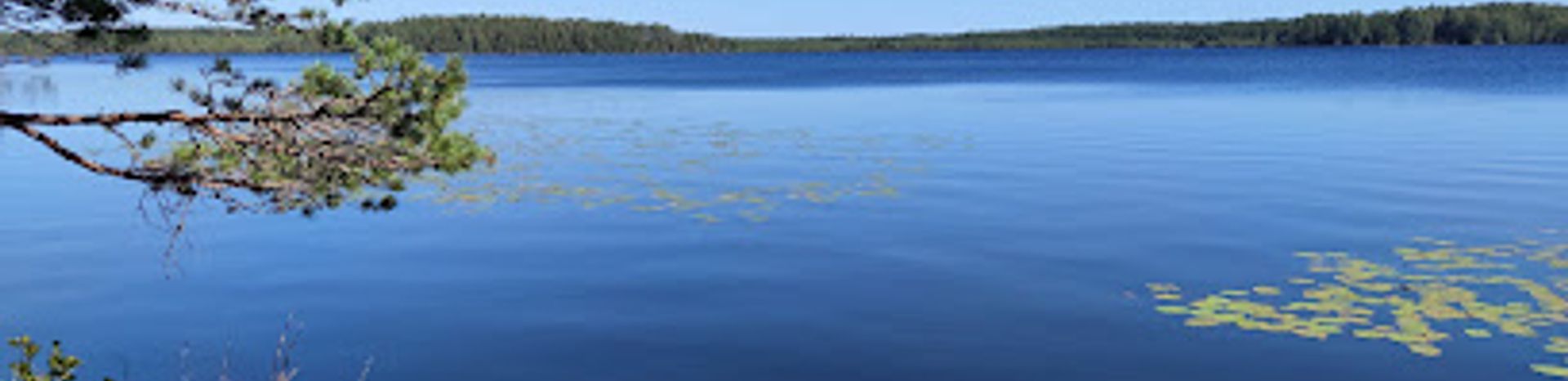
Kurjenrahka National Park, established in 1998, is a protected area in Southwest Finland showcasing diverse bog and forest ecosystems. The park offers marked trails for hiking and is known for its birdlife, especially cranes. Visitors can explore the natural landscapes and enjoy the peaceful atmosphere.
A brief summary to Kurjenrahka National Park
- Kuhankuonontie 67, Pöytyä, 21930, FI
- +358401636200
- Visit website
- Monday 12 am-12 am
- Tuesday 12 am-12 am
- Wednesday 12 am-12 am
- Thursday 12 am-12 am
- Friday 12 am-12 am
- Saturday 12 am-12 am
- Sunday 12 am-12 am
Local tips
- Wear appropriate footwear for hiking, as trails can be wet, especially in bog areas.
- Bring binoculars for birdwatching, especially during migratory seasons.
- Check the weather forecast and wildfire warnings before your visit.
- Bring your own water and snacks, as there are no shops or cafes within the park.
- Plan your visit during the spring or summer to experience the park's vibrant colors and wildlife activity.

Getting There
-
Public Transport
To reach Kurjenrahka National Park via public transport, start by taking a bus from Turku to Pöytyä. Föli operates the bus service several times a day. From Linnankatu (bus stop E3 Market Square) in Turku, take lines 21 or 23. The bus ride takes approximately 1 hour. The final stop in Kuhankuono is by the gate of the national park (the name of the stop is '8850 Kuhankuonon P-alue'). From Pöytyä, you can take a taxi to the park entrance, which is about 10 km away. A single-trip bus ticket from Turku costs approximately €3-4. A taxi from Pöytyä to the park entrance will cost approximately €45-60. Check the bus schedule in advance, as services may vary depending on the day.
-
Car
To reach Kurjenrahka National Park by car, drive from Turku towards Pöytyä. Take Route 9 (E63) towards Pöytyä. After approximately 40 km, take the exit for Kuhankuonontie (Route 220). Continue on Kuhankuonontie for about 10 km until you reach the entrance of Kurjenrahka National Park, located at Kuhankuonontie 67, 21930 Pöytyä. Parking is free at the park entrance. Several parking areas are available, including Kurjenpesä, Pukkipalo, Rantapiha, Töykkälä and Vajosuo. Be aware that there may be delays in ploughing the parking areas in winter.
Discover more about Kurjenrahka National Park
Iconic landmarks you can’t miss

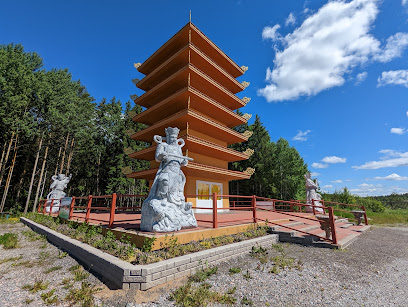
Liên Tâm buddhalaisluostari
22.9 km
Experience tranquility and spirituality at Liên Tâm Buddhist Temple in Turku, a serene escape for meditation and cultural exploration.
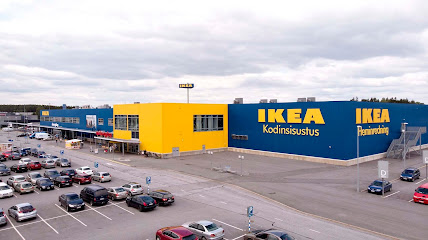
IKEA Raisio
29.0 km
Discover stylish and affordable home furnishings at IKEA Raisio, the ultimate destination for home enthusiasts in Finland.
Nummenranta | Nummisstranden
31.3 km
Discover the serene beauty of Nummenranta in Turku, Finland - a tranquil park perfect for relaxation and outdoor activities.
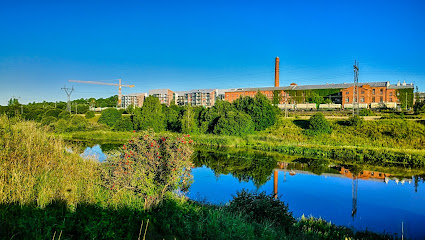
Kuuvuori / Månberget
31.9 km
Experience breathtaking views and serene nature at Kuuvuori / Månberget, Turku's top observation deck, perfect for tourists seeking scenic beauty.
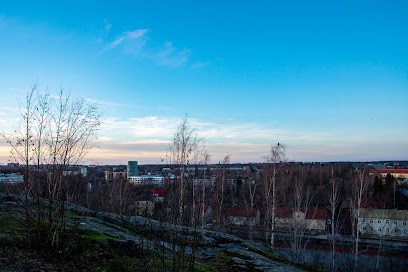
Nummen Sauna
32.1 km
Experience the tranquil essence of Finnish sauna culture at Nummen Sauna in Turku, a perfect sanctuary for relaxation and rejuvenation.
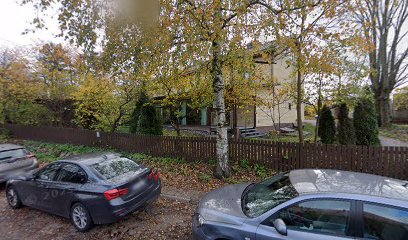
National Archives of Finland, Turku
32.5 km
Discover the National Archives of Finland in Turku, where history comes alive through extensive collections and engaging exhibitions.
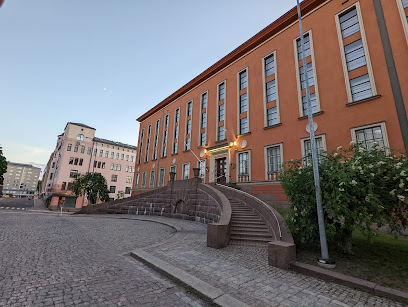
Turku Concert Hall
32.6 km
Explore the Turku Concert Hall, where music comes alive in a stunning venue, offering a rich array of performances in the heart of Finland.
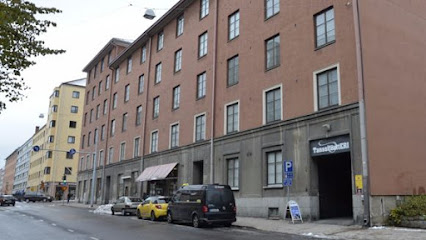
Tanssiteatteri Erin Kannatusyhdistys R.Y.
32.7 km
Experience the heart of Finnish culture at Tanssiteatteri Erin, where performing arts come alive in the vibrant city of Turku.
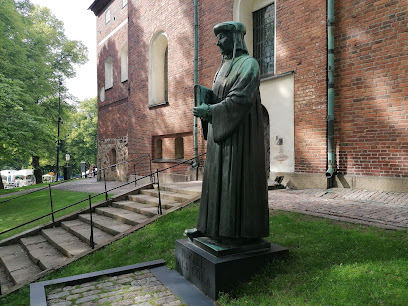
Mikael Agricola Statue
32.8 km
Explore the Mikael Agricola Statue in Turku, a cultural landmark celebrating Finnish language and heritage in a historic city setting.
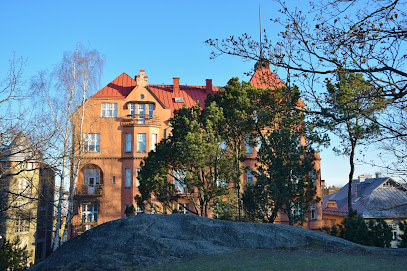
Puolalanmäki
32.9 km
Experience the natural beauty and tranquility of Puolalanmäki in Turku, a perfect retreat for nature lovers and adventure seekers.
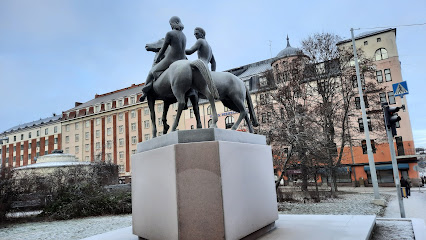
The Per Brahe statue
32.9 km
Discover the Per Brahe Statue in Turku, a stunning tribute to Finnish history and culture, surrounded by beautiful landscapes and local charm.
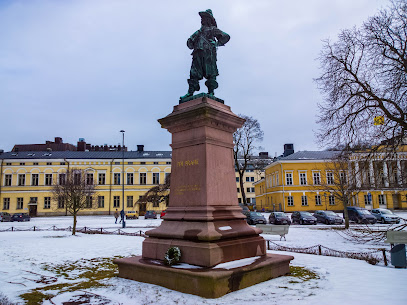
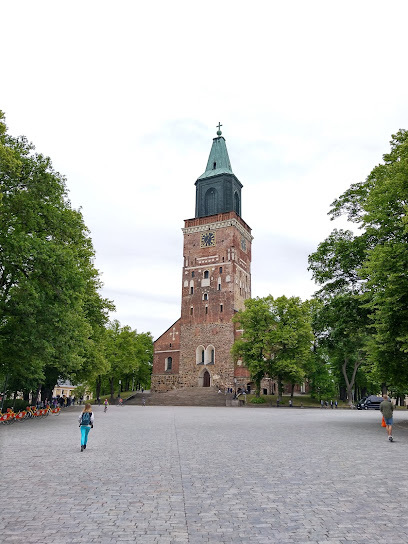
The Turku Cathedral Block in 1756
32.9 km
Explore the Turku Cathedral Block, a historic site featuring exquisite sculptures and rich Finnish cultural heritage in the heart of Turku.
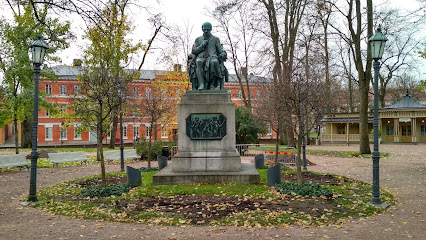
The statue of H. G. Porthan
33.0 km
Explore the Statue of H. G. Porthan in Turku, a serene tribute to Finnish literary heritage surrounded by tranquil gardens, perfect for contemplation and relaxation.
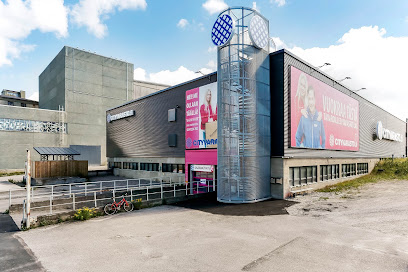
Cityvarasto Pitkämäki
33.0 km
Discover Cityvarasto Pitkämaki in Turku: Your trusted self-storage facility ensuring security and convenience for all travelers.
Bibliotheca
33.0 km
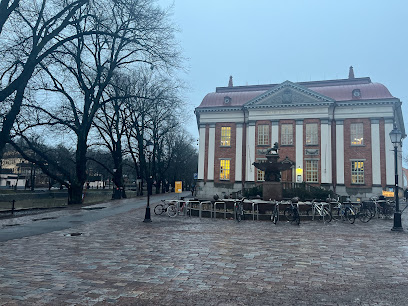
Discover the essence of Turku at Bibliotheca, a cultural landmark inviting you to explore literature, history, and community events in a stunning architectural gem.
Unmissable attractions to see

Angel Park
2.9 km
Explore the natural beauty and tranquility of Angel Park in Riihikoski, a perfect destination for families and nature lovers alike.
Vaskijärvi Strict Nature Preserve
14.5 km
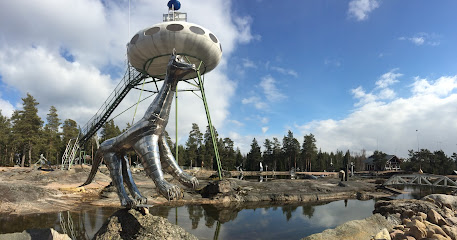
Explore the untouched beauty of Vaskijärvi Strict Nature Preserve, Finland's serene escape into nature's wonders.
Zoolandia
19.2 km
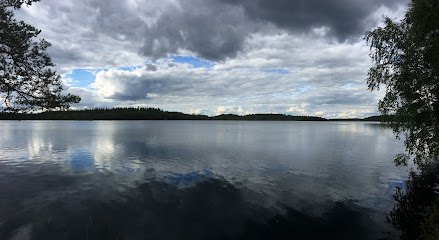
Experience the thrill of rides and the joy of wildlife at Zoolandia, a top amusement park and zoo destination in Lieto, Finland.
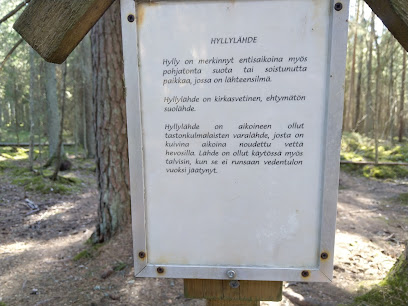
Hyllylähde Spring
24.5 km
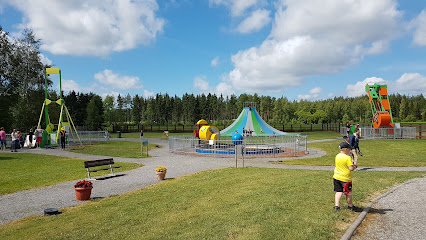
Explore Hyllylähtde Spring in Turku: A tranquil retreat showcasing Finland's natural beauty and peaceful landscapes, perfect for relaxation and photography.
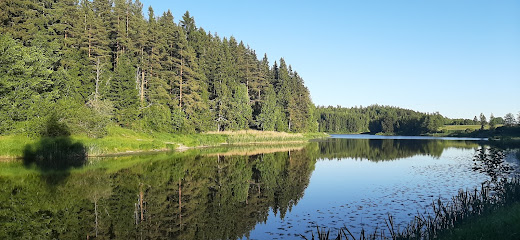
Sankt Marie bassäng
24.7 km
Discover the breathtaking landscapes of Sankt Marie Bassäng, a hiking paradise and national reserve near Turku, Finland, perfect for nature lovers and adventure seekers.
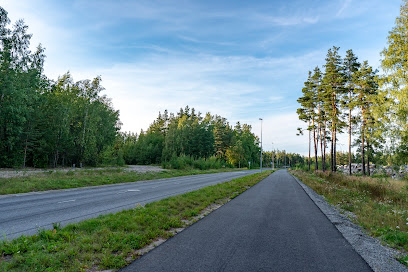
Djävulsnästet
27.6 km
Discover the mystical allure of Djävulsnästet, a captivating tourist attraction in Turku, Finland, rich in folklore and natural beauty.
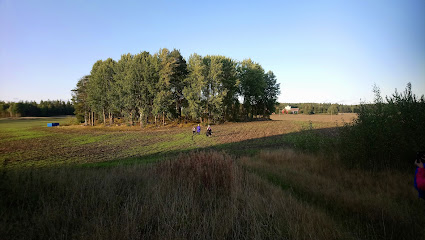
Ristimäki in Ravattula – Finland's oldest known remains of the church
30.2 km
Explore Ristimäki in Ravattula, where Finland's oldest church remains invite you to experience rich history and serene beauty.
Jukupark
30.3 km
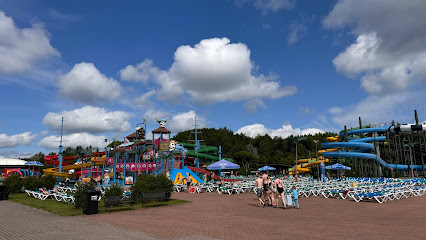
Experience the thrill of Jukupark in Turku, a water park filled with fun slides and attractions for all ages, perfect for a family day out.
Mälikkälä Forest
30.6 km
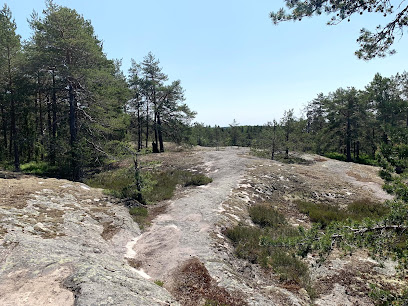
Explore Mälikkälä Forest, a tranquil haven between Turku and Raisio, perfect for nature lovers seeking scenic trails and abundant wildlife.
Virnamäki Archaeological Site
31.0 km
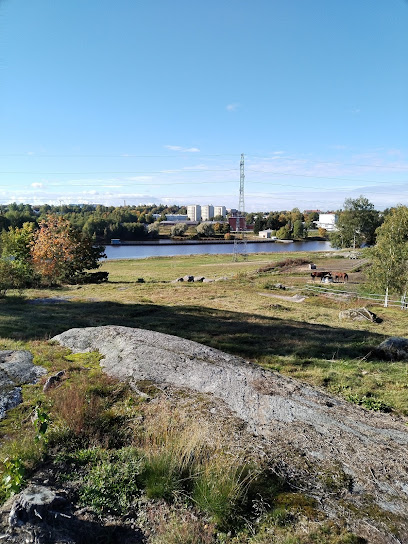
Discover the ancient heritage of Finland at Virnamäki Archaeological Site in Turku, a must-visit destination for history enthusiasts.
Kuralan Kylämäki
31.2 km
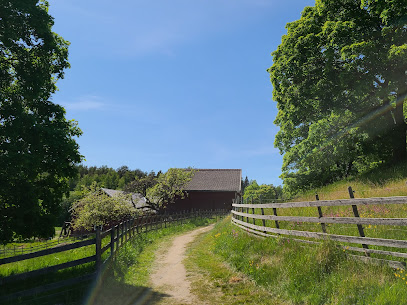
Experience the rich history of Finnish rural life at Kuralan Kylämäki, an open-air museum in Turku that delights visitors with its authentic atmosphere.
Korois udde
31.2 km
Explore Korois Udde: A serene blend of nature and heritage in the heart of Koroinen, Finland.
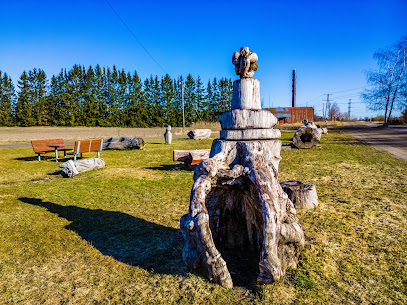
Park of Finland Proper
31.3 km
Experience the serene beauty of the Park of Finland Proper, a charming city park in Turku that offers nature, recreation, and relaxation for all visitors.
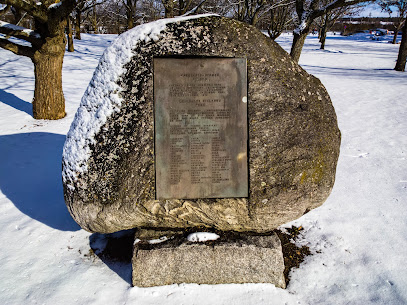
Turku Waterworks Museum
31.3 km
Explore the Turku Waterworks Museum and learn about the evolution of water supply technology in Finland's historic city of Turku.
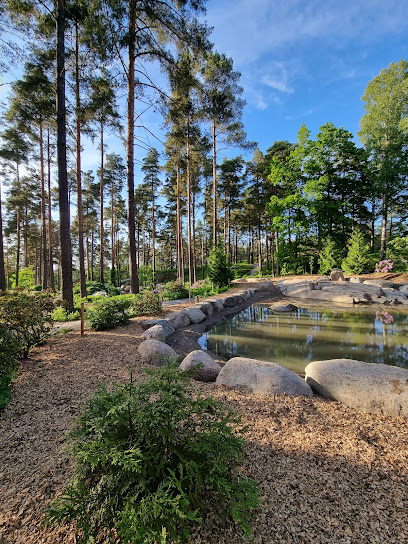
Rhododendron Park
31.8 km
Explore the enchanting Rhododendron Park in Raisio, Finland, a floral paradise brimming with vibrant rhododendrons and serene landscapes.
Essential places to dine

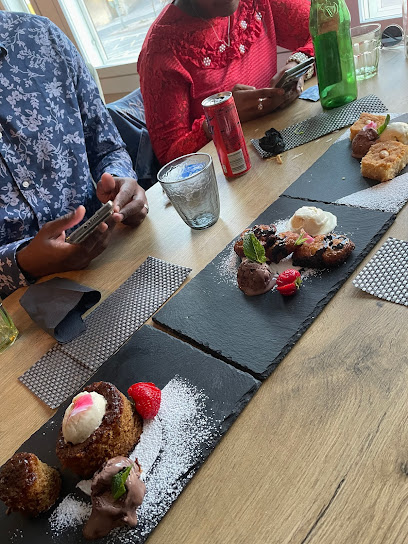
Timbuktu African Restaurant
32.6 km
Discover authentic African flavors at Timbuktu African Restaurant in Turku – where every dish tells a story.
Lilla Neapolitan
32.7 km
Experience authentic Neapolitan pizza at Lilla Neapolitan, where tradition meets flavor in the heart of Turku.
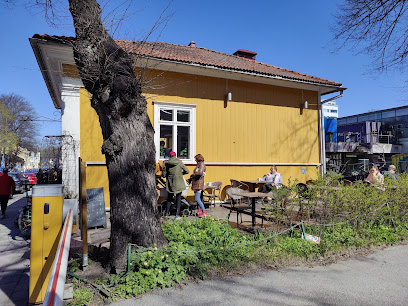
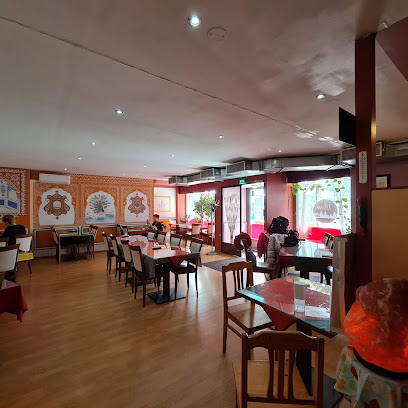
Intian Helmi Restaurant Turku
32.7 km
Experience the authentic taste of India at Intian Helmi Restaurant in Turku – where every dish tells a story.
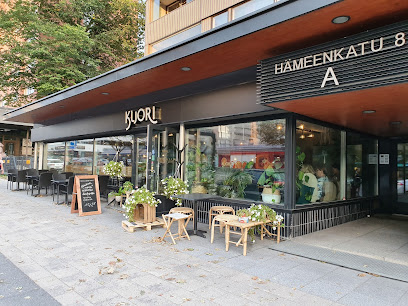
Restaurant Kuori
32.8 km
Discover the vibrant flavors of vegetarian cuisine at Restaurant Kuori in Turku – where every dish tells a story of freshness and creativity.
Restaurant Roster
32.8 km
Experience exquisite Finnish cuisine at Restaurant Roster in Turku – where local flavors meet culinary innovation.
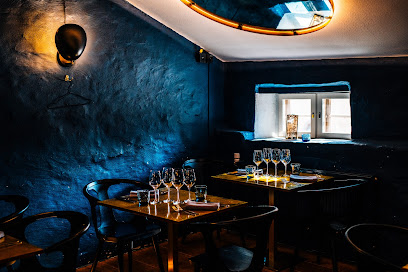
Ravintola Baan Thai
32.8 km
Experience authentic Thai flavors at Ravintola Baan Thai in Turku – where every dish tells a story.
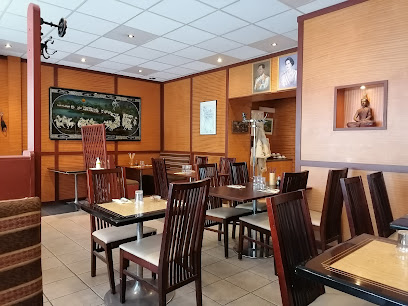
Afrodite Greek Tavern
32.8 km
Experience the essence of Greece with authentic dishes at Afrodite Greek Tavern in Turku – a culinary haven for every food lover.
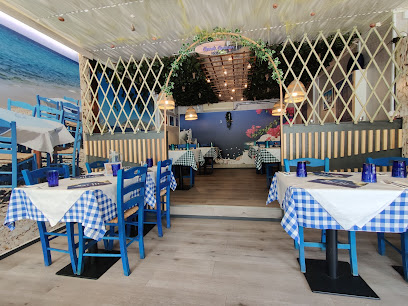
Trattoria Romana
32.8 km
Experience authentic Italian dining at Trattoria Romana in Turku - where every dish tells a story.
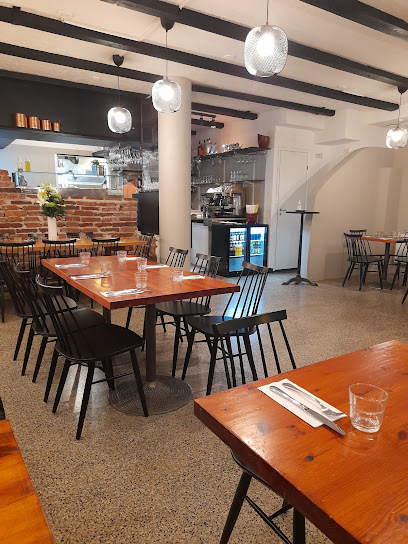
Restaurant Gustavo
32.9 km
Experience exquisite Mediterranean dining at Restaurant Gustavo in Turku – where authentic flavors meet elegance.
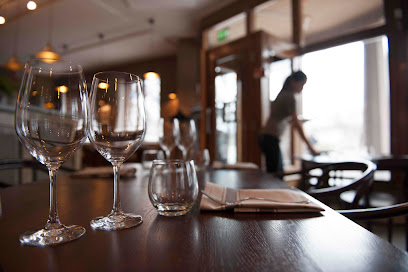
Tiirikkala
32.9 km
Discover Tiirikkala in Turku: Your go-to spot for delightful breakfasts, fresh pastries, and vibrant live music experiences.
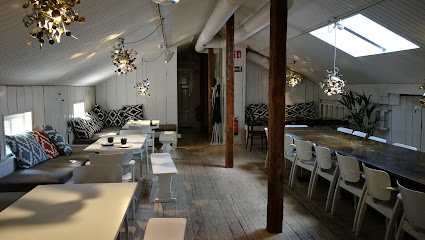
Kortteliravintola Kerttu
32.9 km
Discover authentic Finnish flavors at Kortteliravintola Kerttu in Turku - where local ingredients meet innovative cuisine.
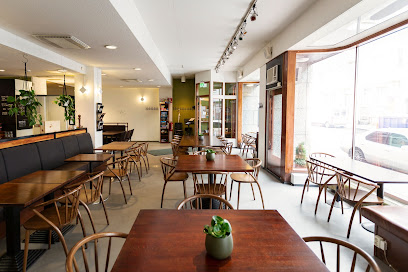
Mami
32.9 km
Discover the essence of Finnish cuisine at Mami in Turku - where local flavors meet European elegance.
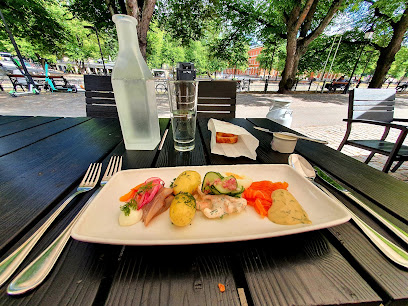
Pizzeria Via Tribunali Turku
33.0 km
Experience authentic Italian cuisine at Pizzeria Via Tribunali in Turku - where every slice tells a story.
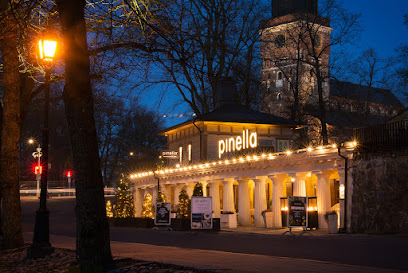
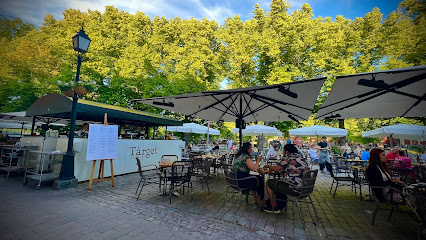
Tårget
33.0 km
Experience the essence of Italy at Tårget in Turku—where delicious food meets vibrant cocktails in an inviting atmosphere.
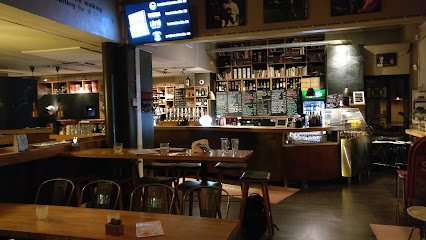
Cup & Pint
33.0 km
Discover Cup & Pint in Turku - where unique pizzas meet an inviting atmosphere for an unforgettable dining experience.
Markets, malls and hidden boutiques

Finnish Design Shop
27.8 km
Explore the finest in Finnish design at the Finnish Design Shop in Turku, a treasure trove of modern furniture and home decor.
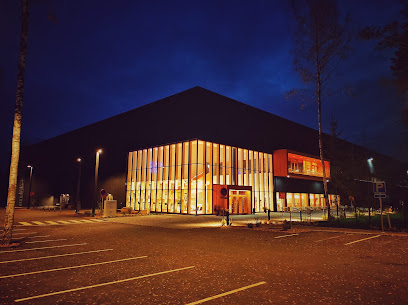
Shopping Centre Mylly
30.0 km
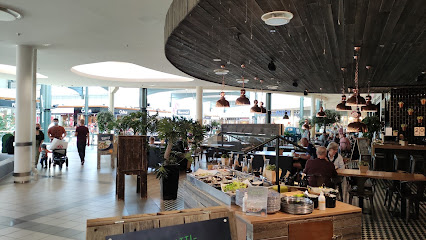
Explore the vibrant Shopping Centre Mylly in Raisio, Finland, a perfect blend of shopping, dining, and local culture.
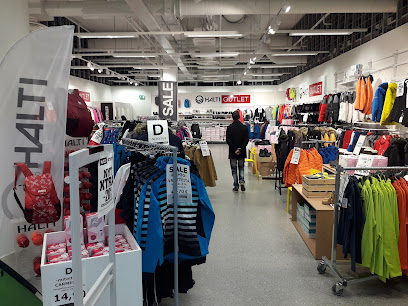
Halti Outlet Mylly
30.0 km
Discover top-quality sporting goods at Halti Outlet Mylly in Raisio, Finland, and gear up for your next outdoor adventure.
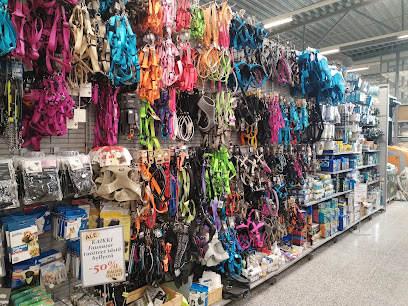
Raisio Outlet
30.0 km
Experience the best shopping in Raisio, Finland at Raisio Outlet, where you can find quality brands at unbeatable prices.
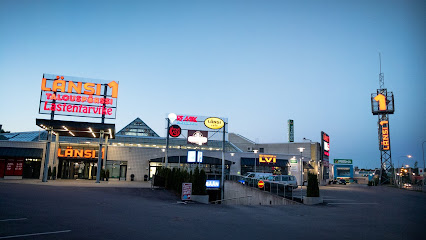
Shopping centre Länsi 1
31.4 km
Experience the best shopping and dining at Shopping Centre Länsi 1 in Turku, Finland - a vibrant hub for all your retail needs.
Pentik Outlet
31.4 km
Explore Pentik Outlet in Turku for unique Finnish home goods and pottery, embodying elegance and craftsmanship.
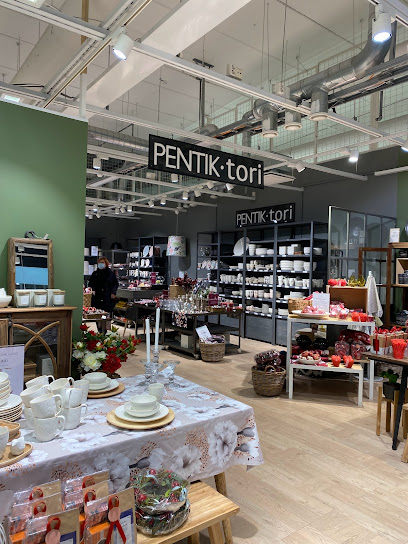
Leenaelina
32.8 km
Discover unique Finnish gifts and handcrafted treasures at Leenaelina, a charming gift shop in the heart of Turku.
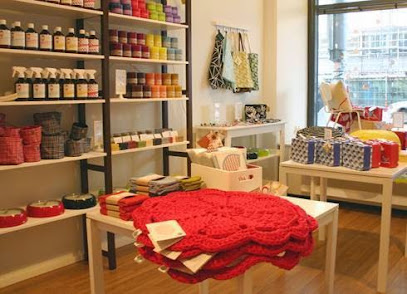
La Storia Turku
32.8 km
La Storia Turku: A Fashionable Shoe Store in the Heart of Turku Offering Stylish Footwear for Every Occasion.
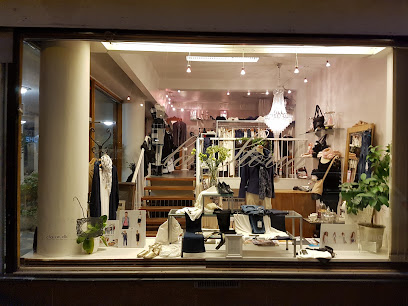
Butik Turku
33.0 km
Discover Butik Turku, where beauty meets elegance in a charming setting, offering hair, nails, and unique gifts for a refreshing experience.
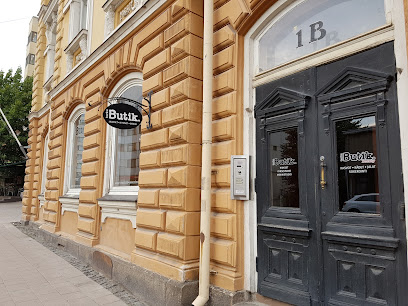
UFF Second Hand Turku
33.0 km
Explore UFF Second Hand Turku for unique pre-loved fashion pieces that promote sustainability and ethical shopping in a vibrant atmosphere.
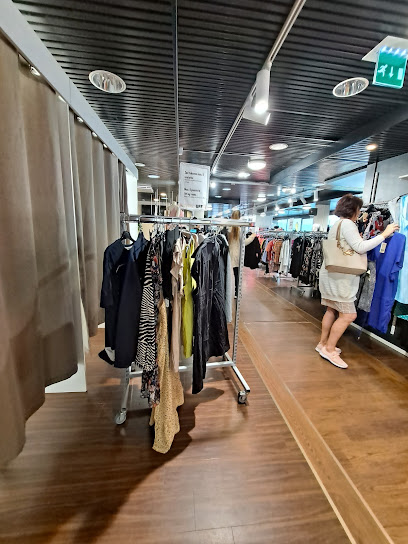
Sokos Wiklund
33.0 km
Explore Sokos Wiklund, Turku's premier department store for fashion, cosmetics, and unforgettable shopping experiences.
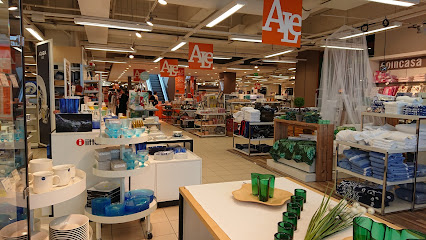
The Store
33.0 km
Explore unique Finnish products at The Store in Turku, a charming shop offering local crafts and friendly service for every traveler.
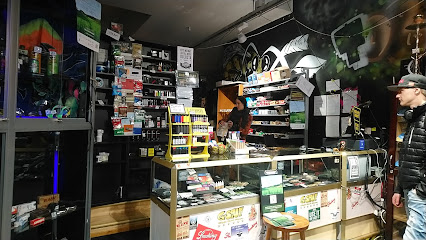
Cybershop
33.0 km
Explore Cybershop in Turku for an unforgettable mix of trendy gadgets, unique gifts, and a taste of Finnish culture.
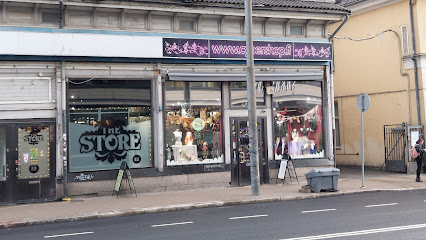
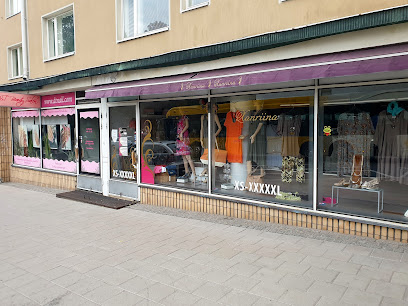
Xanriina Oy, vaateliike Turku
33.0 km
Explore the charm of Xanriina Oy, a unique clothing store in Turku, Finland, offering trendy and original fashion pieces for every style.
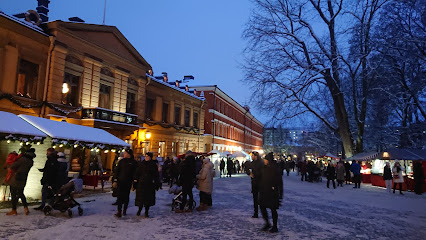
Taito Shop Turku & Taitokeskus Turku
33.0 km
Explore the rich tapestry of Finnish craftsmanship at Taito Shop Turku, where handmade artistry meets cultural heritage.
Essential bars & hidden hideouts

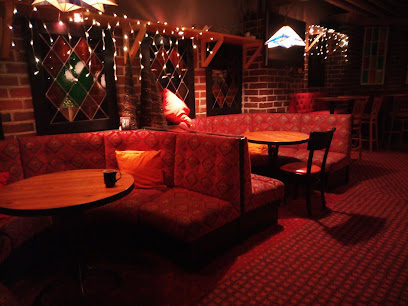
Runostuoppi
29.1 km
Discover the lively ambiance of Runostuoppi, a popular pub in Turku offering local drinks, delicious food, and a vibrant social scene.
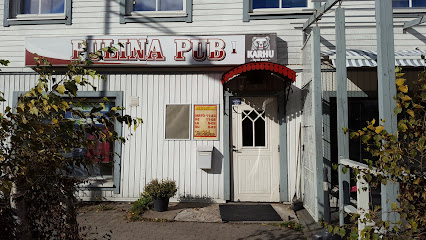
Pulina Pub
30.9 km
Experience the charm of Turku at Pulina Pub, where local flavors and a lively atmosphere await you.
Proffan Kellari
32.5 km
Experience the vibrant atmosphere of Proffan Kellari, a popular bar in Turku, where locals and tourists gather for drinks, games, and unforgettable moments.
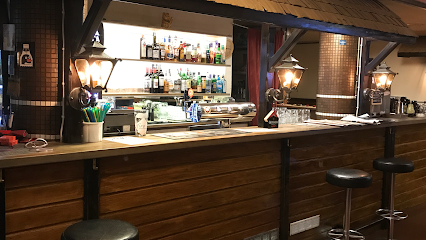
Bar Into
32.8 km
Experience the vibrant culture of Turku at Bar Into, a lively bar perfect for socializing and enjoying refreshing drinks with friends.
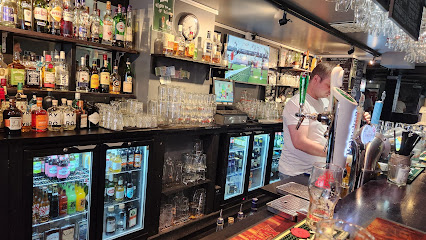
Bar Semafori
32.8 km
Experience the vibrant local culture at Bar Semafori, where delicious pizza meets a cozy pub atmosphere in the heart of Turku.
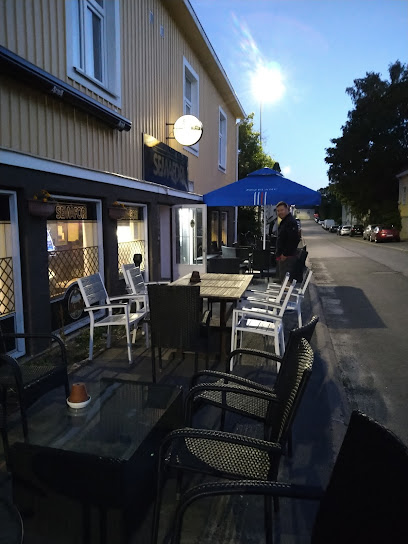
Hunter's Inn
32.9 km
Experience the vibrant local culture at Hunter's Inn, a cozy bar in Turku renowned for its welcoming atmosphere and diverse drink selection.
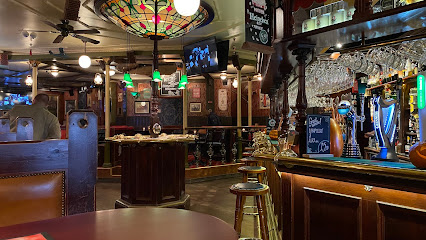
Whisky Bar
33.0 km
Discover the best whisky experience in Turku at Whisky Bar, where enthusiasts gather to enjoy a vast selection in a cozy atmosphere.
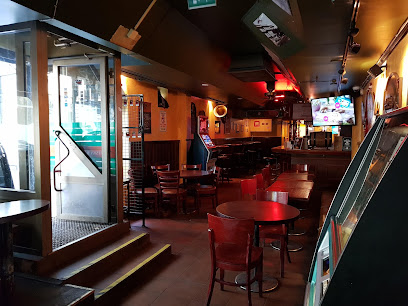
Pub Tinatuoppi
33.0 km
Experience the charm of Pub Tinatuoppi, where great drinks meet a friendly atmosphere in the heart of Turku.
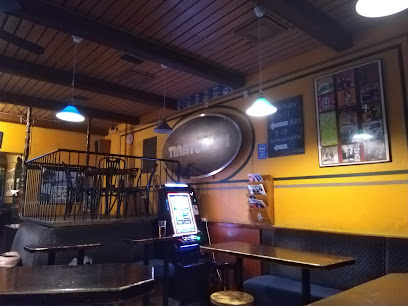
Walo Rooftop Bar
33.0 km
Discover the enchanting Walo Rooftop Bar in Turku, a perfect blend of breathtaking views, exquisite cocktails, and vibrant atmosphere.
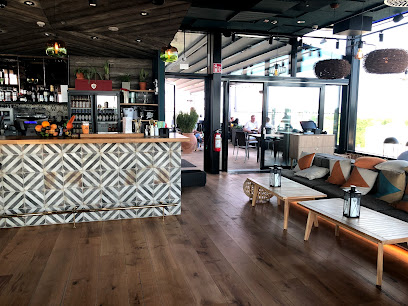
Bar Bristol
33.0 km
Discover the lively ambiance of Bar Bristol in Turku, where great drinks and a friendly atmosphere await you.
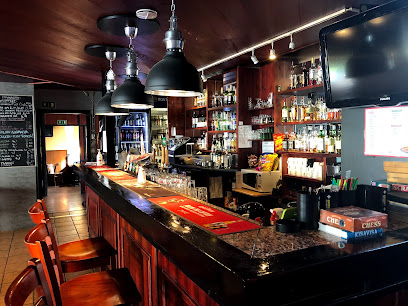
Ullakko
33.0 km
Experience the vibrant nightlife of Turku at Ullakko, where exceptional cocktails and a cozy atmosphere await you.
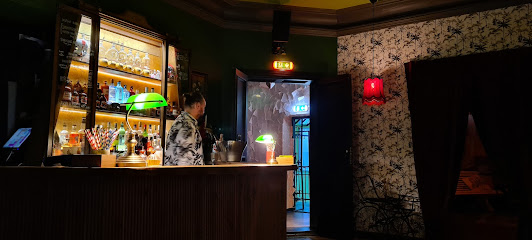
Skärgårdsbaren - Saaristobaari
33.0 km
Discover the lively atmosphere and local flavors at Skärgårdsbaren - Saaristobaari, a perfect spot for tourists in Turku.
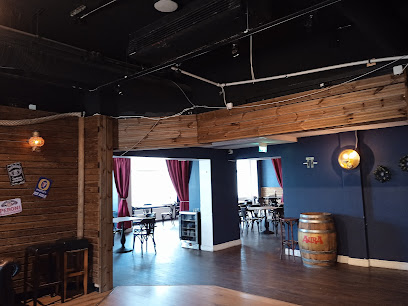
Heidi's Bier Bar
33.0 km
Discover the vibrant nightlife at Heidi's Bier Bar in Turku, offering a perfect blend of drinks, music, and lively atmosphere for an unforgettable night out.
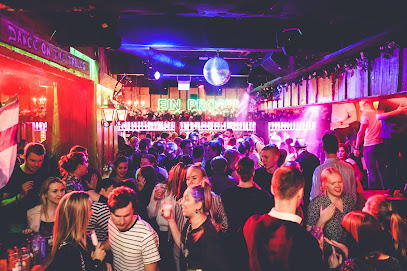
Rento
33.0 km
Discover the vibrant atmosphere of Rento, a must-visit bar in Turku offering a wide selection of drinks and a lively ambiance for socializing.
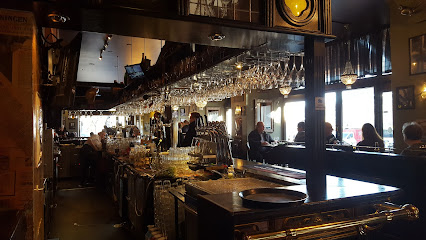
Rabalder Bar Turku
33.1 km
Experience the lively ambiance and local flavors at Rabalder Bar in Turku, the perfect destination for nightlife enthusiasts.
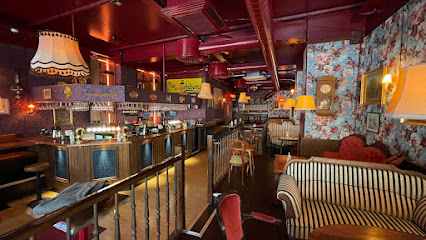
Nightclubs & after hour spots

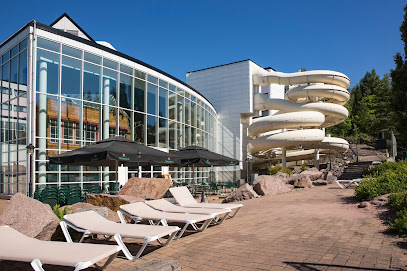
Holiday Club Turun Caribia
31.8 km
Experience the perfect blend of luxury and leisure at Holiday Club Turun Caribia, Turku's ultimate hotel and aquatic getaway.
Bar Suxes
32.7 km
Experience the pulsating nightlife of Turku at Bar Suxes, a vibrant night club and karaoke bar celebrating inclusivity and fun.
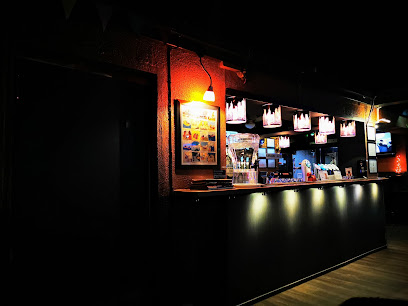
PRYZM Turku
33.0 km
Dive into the vibrant nightlife of Turku at PRYZM, where music and dance meet in an electrifying atmosphere for an unforgettable evening.
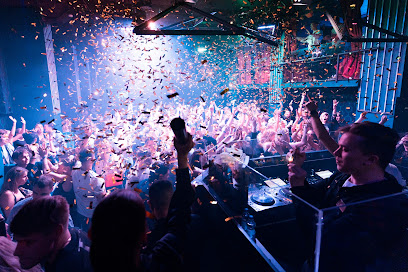
Dynamo
33.1 km
Experience the vibrant nightlife of Turku at Dynamo, a premier night club with two dance floors and an energetic atmosphere, perfect for unforgettable nights out.
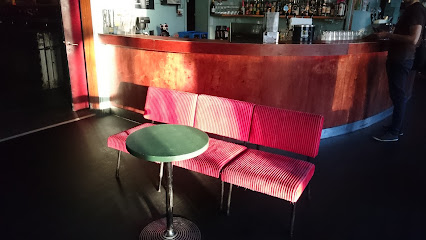
Utopia Club
33.2 km
Discover the vibrant nightlife of Turku at Utopia Club, where electrifying music and an energetic atmosphere await every night.
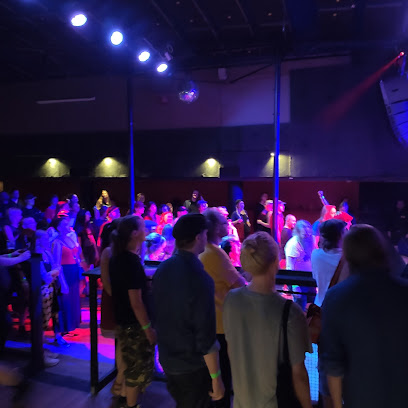
UG klubi
33.3 km
Explore the vibrant nightlife of Turku at UG Klubi, where music meets style in a unique clubbing experience.
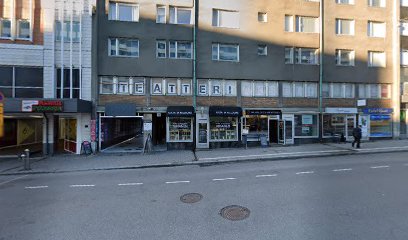
Forte Nightclub
33.3 km
Discover the vibrant nightlife of Turku at Forte Nightclub, where music, dancing, and unforgettable experiences await you.
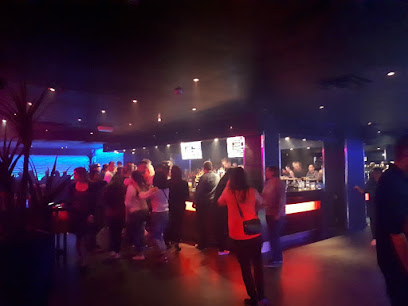
Nirvana Bar & Live Club
33.3 km
Discover the heart of Turku's rock scene at Nirvana Bar & Live Club, where live music meets an electrifying atmosphere.
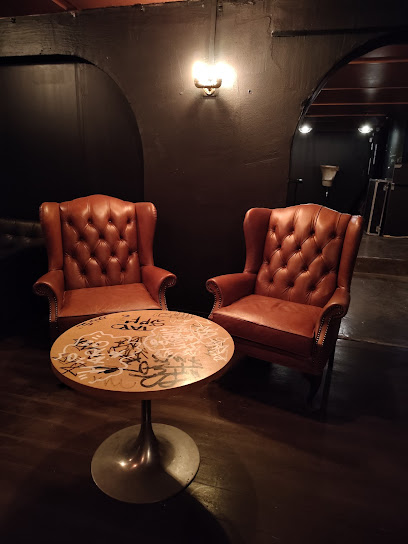
Soittojuomala Armas
33.3 km
Soittojuomala Armas: Unleash your party spirit at Turku's hottest night club, where vibrant music and electrifying energy await you all night long.
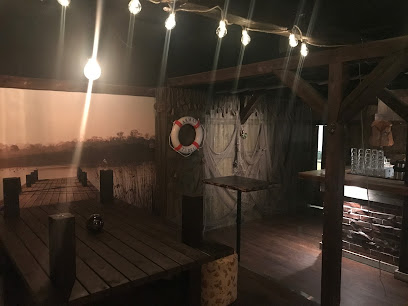
Apollo A Live Club
33.3 km
Discover the pulsating nightlife at Apollo A Live Club in Turku, where live music and vibrant energy create unforgettable nights.
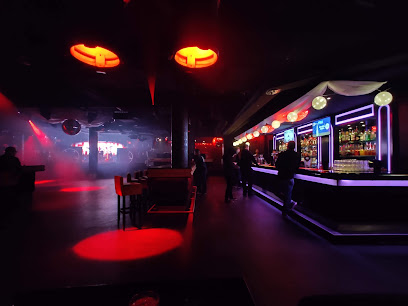
High Position Oy
33.3 km
Experience the vibrant nightlife of Turku at High Position Oy, where music, dance, and unforgettable moments come together.
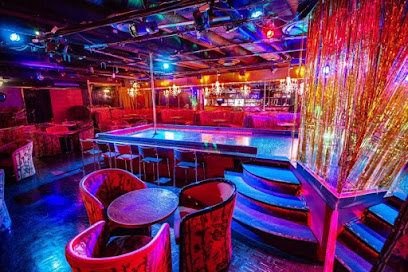
Cigges Club
35.4 km
Experience the vibrant nightlife at Cigges Club, a must-visit bar in the heart of Turku, Finland, offering a variety of drinks and a lively atmosphere.
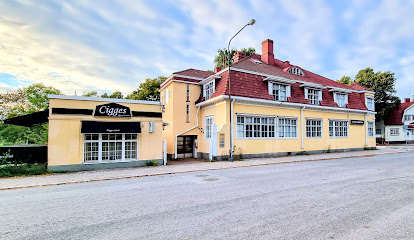
SunTown Oy
36.9 km
Discover the lively nightlife and local culture at SunTown Oy, a must-visit night club and market in Naantali, Finland.
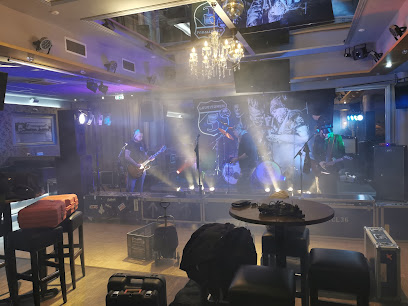
Frendi Live Night Club
49.2 km
Discover the pulse of Pargas nightlife at Frendi Live Night Club, where every weekend is a celebration of music and dance.
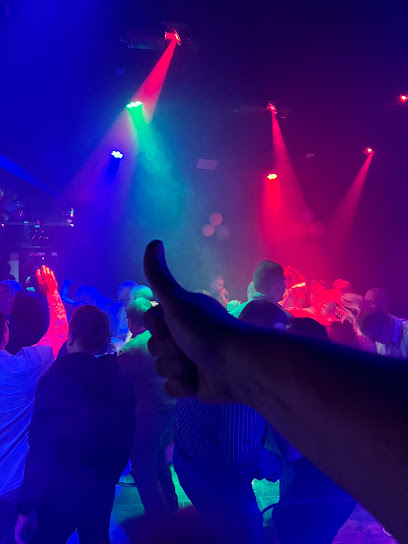
Yökerho Domino
65.6 km
Discover the heart of Rauma's nightlife at Yökerho Domino, where music meets energy for an unforgettable night out.