Fort Mose Historic State Park, St Augustine Travel Guide
Explore the historic Fort Mose Historic State Park, a unique blend of history and nature celebrating the first free African settlement in America.
Fort Mose Historic State Park offers an immersive experience into the rich history of early African American freedom seekers, scenic landscapes, and educational opportunities. A perfect destination for history enthusiasts and nature lovers alike.
A brief summary to Fort Mose Historic State Park
- 15 Fort Mose Trail, St. Augustine, Florida, 32084, US
- Click to display
- Click to display
- Monday 9 am-5 pm
- Thursday 9 am-5 pm
- Friday 9 am-5 pm
- Saturday 9 am-5 pm
- Sunday 9 am-5 pm

Know before you go
Hi, I'm Eve. Here are a few practical things to know before exploring Fort Mose Historic State Park.
- Visit during the early morning or late afternoon for cooler temperatures and fewer crowds.
- Don’t miss the interpretive programs offered at the visitor center for deeper insights into the history.
- Bring binoculars for birdwatching; the park is home to a variety of local bird species.
- Pack a picnic to enjoy at one of the scenic spots within the park.
- Wear comfortable shoes suitable for walking on trails and exploring the park.
Do you manage this location?
Take control to get all the benefits, like improved information, better appearance, and stronger visibility across AI-powered discovery. Learn more about listing your business on Evendo
Activate your presenceOther nearby places you may find interesting
The closest places of the same kind, if this one is not quite what you had in mind.
Explore Fort Mose Historic State Park on the Map
A handpicked selection of must-see spots near Fort Mose Historic State Park, mapped for you.
Getting There
-
Walking
From the heart of St. Augustine, start at the historic Plaza de la Constitución. Head northeast on Cathedral Place toward Saint George Street. Continue on Saint George Street until you reach the intersection with King Street. Turn left onto King Street and walk for about 1 mile. You will pass several shops and restaurants along the way. As you approach the intersection with US-1, continue straight, and King Street will become Florida Avenue. Stay on Florida Avenue for another half mile until you reach the intersection with Fort Mose Trail. Turn right onto Fort Mose Trail, and the park entrance will be on your left after a short walk.
-
Biking
If you have access to a bike, start at the St. Augustine Lighthouse & Maritime Museum located at 81 Lighthouse Ave. Pedal north on A1A Beach Blvd until you reach the intersection with US-1. Turn left on US-1 and ride for approximately 2 miles. After passing the intersection with King Street, continue straight for another half mile. Turn right onto Fort Mose Trail, and the park will be on your left. This route offers scenic views along the coast and through the local neighborhoods.
-
Public Transport
To reach Fort Mose Historic State Park using public transportation, start at the nearest bus stop in downtown St. Augustine. Take the 'Old Town Trolley' or the local bus service heading north toward the park. Inform the driver you wish to get off at the stop nearest to Fort Mose Trail. Once you disembark, walk approximately 0.5 miles south on Fort Mose Trail until you reach the park entrance. Be sure to check the bus schedule in advance for times and availability.
Discover more about Fort Mose Historic State Park
More to explore near Fort Mose Historic State Park













Your all‑in‑one travel companion app
Explore expert travel guides, compare and book tours, experiences, hotels, and more—all from the palm of your hand. Download now for seamless trip planning wherever your wanderlust takes you.


Explore More of St Augustine
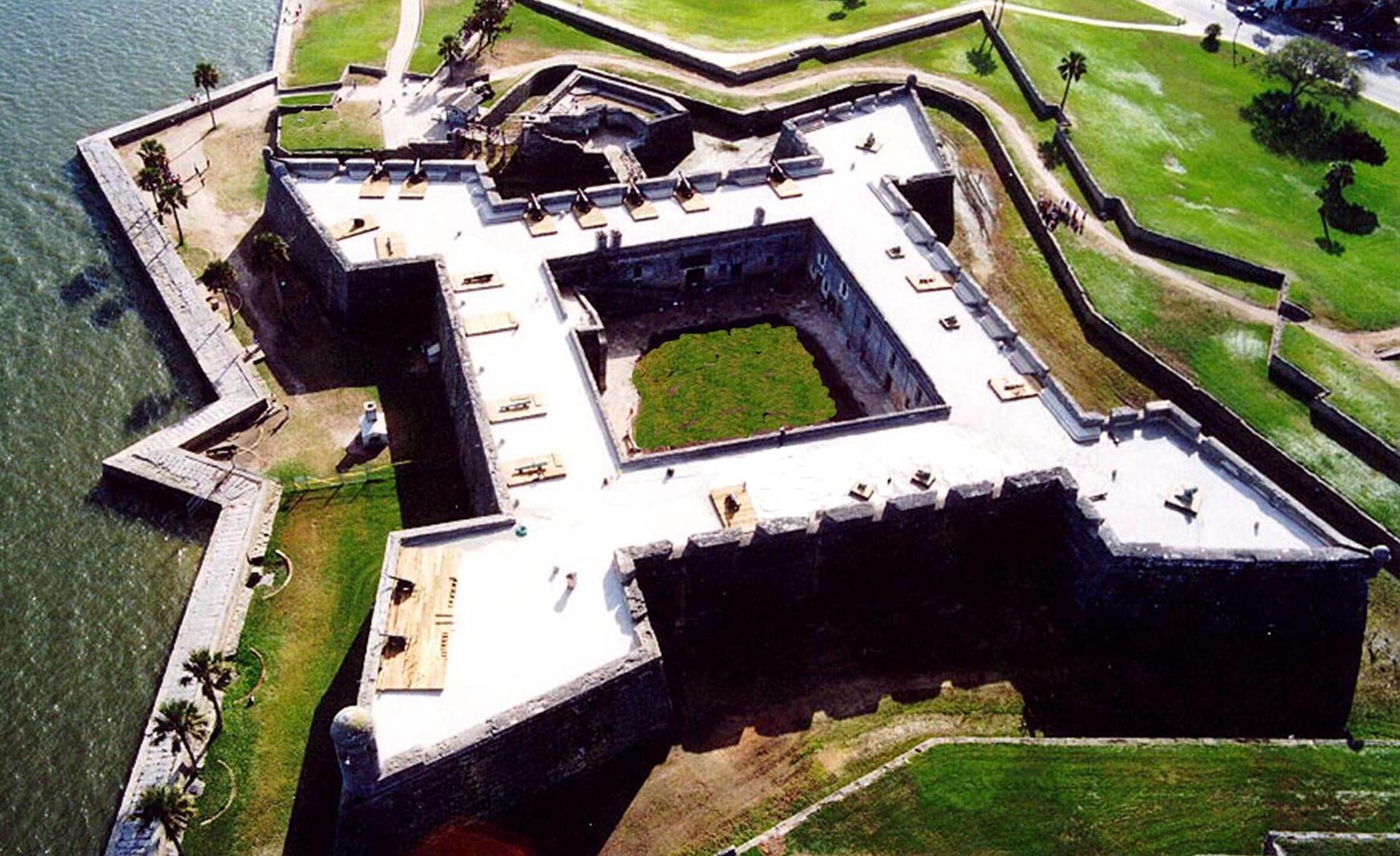
Looking beyond Fort Mose Historic State Park? Discover St Augustine for broader travel guides, local hot-spots, and regional highlights.
Explore St Augustine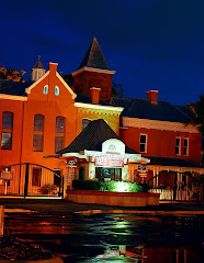
Discover the haunted past of St. Augustine with the Ghosts & Gravestones Tour, where every shadow holds a story waiting to be told.

Explore the historic 167 San Marco Ave in St. Augustine, a stunning testament to the city’s rich architectural heritage and cultural diversity.