Mines de Bruoux: A Subterranean Journey Through Ochre History
Explore the depths of ochre history at the Mines de Bruoux in Gargas, a unique subterranean world showcasing the legacy of ochre mining in the Luberon region of Provence.
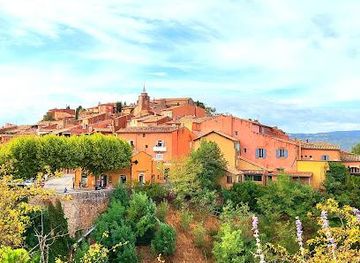
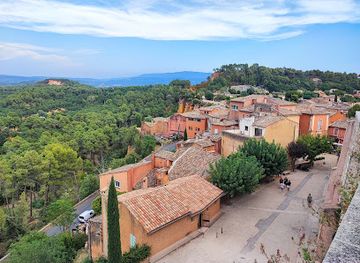
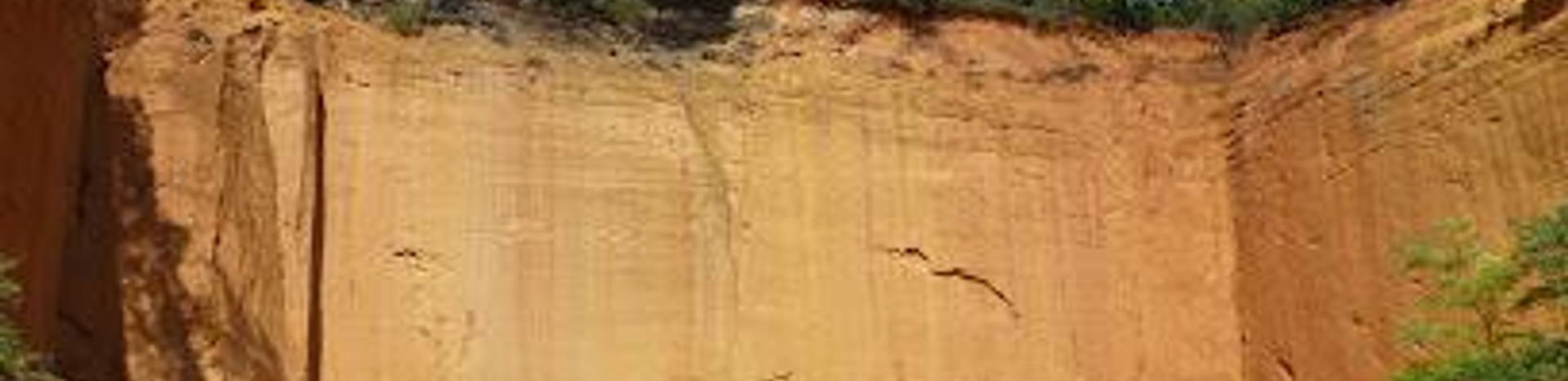
The Mines de Bruoux, nestled in the commune of Gargas within the Luberon Regional Natural Park, present a captivating journey into the world of ochre. These former ochre quarries, active primarily in the 19th and early 20th centuries, have been transformed into a unique tourist site that blends history, geology, and industrial heritage. Gargas itself is a village deeply intertwined with ochre mining, an economic activity that has shaped its culture and history. Step back in time as you explore the underground galleries of the Mines de Bruoux, a testament to the arduous labor of generations of miners. From 1848 to 1950, these men toiled with pickaxes and carbide lamps, carving out over 40 kilometers of tunnels to extract the valuable ochre sands. These galleries, some reaching heights of up to 15 meters and spanning several meters in width, create a labyrinthine underground world. Today, a carefully constructed 650-meter course allows visitors to safely explore a portion of this majestic site. The guided tour, lasting approximately one hour, provides an immersive experience into the daily lives of the ochre miners. Knowledgeable guides bring the history of ochre mining to life, explaining the extraction techniques and discussing the challenging working conditions. Equipped with a safety helmet, you'll traverse the underground galleries, marveling at the scale of the excavations and the colorful ochre formations. The temperature within the mines remains a constant 10°C, offering a cool respite from the warm Provençal climate – warm clothing is recommended! The ochre formations themselves are a result of the alteration of sands rich in kaolinite and iron, creating a spectrum of colorful sediments. The Gargas region, situated between Provence and the Luberon, rests on a limestone bedrock dating back to the Tertiary era, shaped by erosion and marine sediment deposits. This geological process has given rise to the famous ochres of the Luberon, painting the landscape with vibrant hues ranging from pale yellow to deep red. Ochre was once a thriving industry in the Luberon, with 80% of production exported via the port of Marseille to international destinations. Primarily used as a thickener in rubber manufacturing, ochre also found applications in paint, coatings, and lime washes. However, the advent of synthetic paints and petrochemical products in the mid-20th century gradually led to the decline of this industrial activity. Today, only one ochre extraction site remains in operation in Gargas, one of the last in Europe, operated by the Société des Ocres de France. The Mines de Bruoux offer more than just a glimpse into the past; they provide a unique perspective on the relationship between humans and the environment. The intensive mining operations required significant modifications that impacted the landscape, including deforestation and the creation of steep cliffs. However, with the end of industrial extraction, the site has been able to regenerate, and the tourism development of the Mines de Bruoux is now part of a broader effort to preserve and pass on this unique heritage. Beyond the underground galleries, the Mines de Bruoux offer a range of amenities for visitors. A large esplanade, a garden, and walking trails provide opportunities to explore the surrounding landscape. An open-air theater, set against the backdrop of the ochre cliffs, hosts summer events in an exceptional environment. A reception building integrates harmoniously with the site, and a shop offers a variety of local crafts and souvenirs. To extend your ochre experience, consider visiting other iconic sites in the region, such as the Sentier des Ocres in Roussillon, the Colorado Provençal in Rustrel, and the Ocre Mathieu Factory and Ôkhra Ecomuseum in Roussillon. Each site offers a unique perspective on the history, geology, and cultural significance of ochre in the Luberon. The Mines de Bruoux are accessible to people with reduced mobility, with an accompanying person. However, due to the nature of the terrain, the tour is not recommended for individuals with severe mobility issues. Two parking areas are available near the site, and pets are allowed on the site but not during the guided tour (except for guide dogs). A visit to the Mines de Bruoux is a journey through time, a celebration of human ingenuity, and an immersion into the colorful heart of the Luberon. It's an experience that will leave you with a deeper appreciation for the region's rich history, its unique geological landscape, and the enduring legacy of the ochre miners.
Local tips
- Book your guided tour in advance, especially during peak season, as tours are limited to 30 people and take place at fixed times. Call +33 (0)4 90 06 22 59 to reserve your spot.
- Wear warm clothing and comfortable shoes, as the temperature inside the mines is a constant 10°C (50°F) year-round, and the tour involves walking about 650 meters.
- Arrive at least 20 minutes before your scheduled tour time to allow for check-in and to secure your spot, as tours start promptly.
- Combine your visit with other ochre sites in the area, such as the Sentier des Ocres in Roussillon or the Colorado Provençal in Rustrel, for a comprehensive ochre experience.
- Note that photos are not allowed inside the galleries to preserve the site's integrity and ensure visitor safety.
A brief summary to Mines Bruoux
- 1434 Rte de Croagne, Gargas, 84400, FR
- +33490062259
- Visit website
Getting There
-
Driving
If driving from Apt, follow the D900 towards Gargas. As you approach Gargas, look for signs directing you to the Mines de Bruoux. The site is located on the Route de Croagne (D62). There is free parking available on-site, including car, coach, and camper van parking areas. Parking is free.
-
Public Transport
From Apt, take bus line 917, 989, or 9904 towards Gargas. Get off at the 'Les 4 Chemins' bus stop, which is approximately a 7-minute walk (489 meters) from the Mines de Bruoux. From the bus stop, follow the signs to the mines. A single bus fare within the Vaucluse region typically costs around €2.
-
Taxi/Ride-Share
A taxi or ride-share from Apt to the Mines de Bruoux will take approximately 10-15 minutes, depending on traffic. The estimated cost is between €20-€30. Be sure to confirm the fare with the driver before starting your journey.