

Chapelle du Carmel Travel Guide
Free Guide: Discover contemporary art in a beautifully preserved 19th-century chapel, a unique cultural experience in the heart of Libourne, near Bordeaux's famed wine region.


A brief summary of Chapelle du Carmel
Discover contemporary art in a beautifully preserved 19th-century chapel, a unique cultural experience in the heart of Libourne, near Bordeaux's famed wine region.
The Chapelle du Carmel, a former Carmelite convent chapel founded in 1838, has been transformed into a contemporary art space in Libourne. After the nuns departed in 1972, the municipality repurposed the chapel into a cultural center, showcasing national and international contemporary art exhibitions. The chapel's architecture, including its two exceptional rose windows, has been carefully preserved and enhanced, creating a unique backdrop for modern art. Open only during exhibition periods, the Chapelle du Carmel offers visitors a chance to experience art in a serene and historically rich setting. The building provides a unique juxtaposition of sacred architecture and modern artistic expression, making it a must-see for art enthusiasts and history buffs alike. Its location in the heart of Libourne makes it easily accessible and a central point for exploring the town's cultural offerings.
Opening hours
- Every day10 am–1 pm, 2 pm–6 pm
Opening hours as listed on the venue’s Google Business Profile. Hours can change for services and special events, so check with the venue before you go.
- Address
- 45 All. Robert Boulin, 33500 Libourne
- Phone
- Website
Getting there
Walking
Public Transport
Taxi/Ride-Share
Driving
Discover more about Chapelle du Carmel
Overview
The Chapelle du Carmel in Libourne stands as a testament to the town's commitment to preserving its heritage while embracing contemporary culture. Originally a chapel within a Carmelite convent founded in 1838 by Abbé Charriez, it served as a place of worship for the Carmelite nuns until their departure in 1972. Following their departure, the municipality recognized the potential of the space and transformed it into a cultural center dedicated to contemporary art. The chapel's architectural features have been meticulously maintained, offering visitors a glimpse into its religious past. The most striking elements are the two exceptional rose windows, which filter light into the interior, creating a contemplative atmosphere. The building itself is a single-nave structure, with a faux ceiling and an apse at the northeastern end. These architectural details provide a unique contrast to the modern artworks displayed within. The Chapelle du Carmel hosts temporary exhibitions that explore various themes, often drawing connections between the permanent collections of the Musée des Beaux-Arts and loaned works. These exhibitions provide a platform for both established and emerging artists, showcasing a diverse range of artistic styles and mediums. The exhibitions often aim to study and highlight the permanent collections, enriched by loans around a specific theme. Past exhibitions have included "ConfidentiElles," which focused on the role of women in the art world, featuring works from the 16th century to the present day. Another notable exhibition, "Libourne, toute une histoire! De l'Antiquité à nos jours," explored the city's history and urban development through a selection of artworks and historical artifacts. In late 2025, the chapel will host "D'un quai à l'autre. Regards d'artistes sur les paysages industriels à l'aube du XXe siècle", featuring a painting by Lionel Walden on loan from the Musée d'Orsay, alongside other works depicting industrial landscapes. The Chapelle du Carmel is closely linked to the Musée des Beaux-Arts de Libourne, serving as its annex for temporary exhibitions. The Musée des Beaux-Arts, located in the Town Hall, was established in 1818 and houses a collection of European art from the 14th to the 20th centuries. The museum's collection includes works by Henri de Toulouse-Lautrec, Albrecht Dürer and Auguste Rodin. The transformation of the Chapelle du Carmel into an art space reflects a broader trend of repurposing religious buildings for cultural use. This adaptive reuse not only preserves historical structures but also provides new spaces for artistic expression and community engagement. The chapel's serene atmosphere and architectural beauty make it an ideal setting for experiencing contemporary art. Visiting the Chapelle du Carmel offers a unique opportunity to engage with art in a historically significant setting. The combination of sacred architecture and modern artistic expression creates a thought-provoking and visually stimulating experience. The chapel's location in Libourne, a town with a rich history and cultural heritage, makes it a worthwhile destination for travelers interested in art, history, and architecture. Libourne itself is a charming town located at the confluence of the Isle and Dordogne rivers. Founded in 1270, it has a long history as a trading port and a strategic location in the Aquitaine region. The town's historical monuments, including the Tower of the Grand Port and the Town Hall, reflect its rich past. Libourne is also known for its proximity to the vineyards of Saint-Émilion and Pomerol, making it a gateway to the world-renowned wine region. The Chapelle du Carmel is more than just an art space; it is a symbol of Libourne's commitment to preserving its heritage while embracing contemporary culture. Its transformation from a religious building to a cultural center reflects the town's dynamic spirit and its dedication to providing enriching experiences for residents and visitors alike. Whether you are an art enthusiast, a history buff, or simply looking for a unique cultural experience, the Chapelle du Carmel is a must-see destination in Libourne.
Evendo Review Centre
 Google
Guest reviews
Explore Chapelle du Carmel on the map
A handpicked selection of must-see spots near Chapelle du Carmel, mapped for you.
Get your free copy of our complete guide to Chapelle du Carmel, delivered straight to you.
Everything on this page, from opening hours and how to get there to Eve’s tips and the best time to go, in one PDF you can read offline, print or share.
Already have an account? Sign in
Your Chapelle du Carmel guide is ready.
We'll send it to · Not you? Sign out

Getting your guide ready…
We are putting together a fresh copy of the Chapelle du Carmel guide. This can take up to a minute.
This can take a few moments. If your browser asks, choose Allow so the download can start. You'll find the guide in your Downloads folder.
Nothing happened? Download it again
Sorry, the guide is taking longer than usual. Please try again in a minute, or get it by email instead.
Other nearby places you may find interesting
The closest places of the same kind, if this one is not quite what you had in mind.
-
-
-
-
-


Swipe for more places
More to explore near Chapelle du Carmel

 Best experiences near Chapelle du Carmel
 Best hotels near Chapelle du Carmel
 Best landmarks near Chapelle du Carmel
 Best attractions near Chapelle du Carmel
 Best shops near Chapelle du Carmel
 Best restaurants near Chapelle du Carmel
 Best bars near Chapelle du Carmel
Do you manage this location?
Take control to get all the benefits, like improved information, better appearance, and stronger visibility across AI-powered discovery.
Explore more
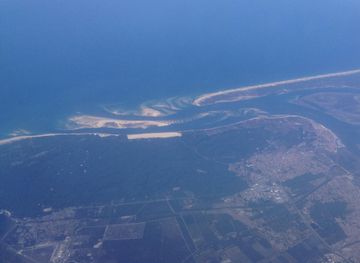
Explore more of Aquitaine
Discover Aquitaine, a stunning region in southwestern France known for its beautiful beaches, historic towns, and world-famous Bordeaux wines.
Explore Aquitaine
Explore more of France
Explore France: A land of romance, history, and unparalleled beauty, from the iconic streets of Paris to the serene landscapes of Provence and the luxury of the French Riviera.
Explore France
