Grande-Sauve Abbey: A Journey Through Time
Explore the majestic ruins of Grande-Sauve Abbey, a UNESCO World Heritage site, and discover centuries of history, Romanesque architecture, and serene landscapes in the heart of Entre-Deux-Mers.
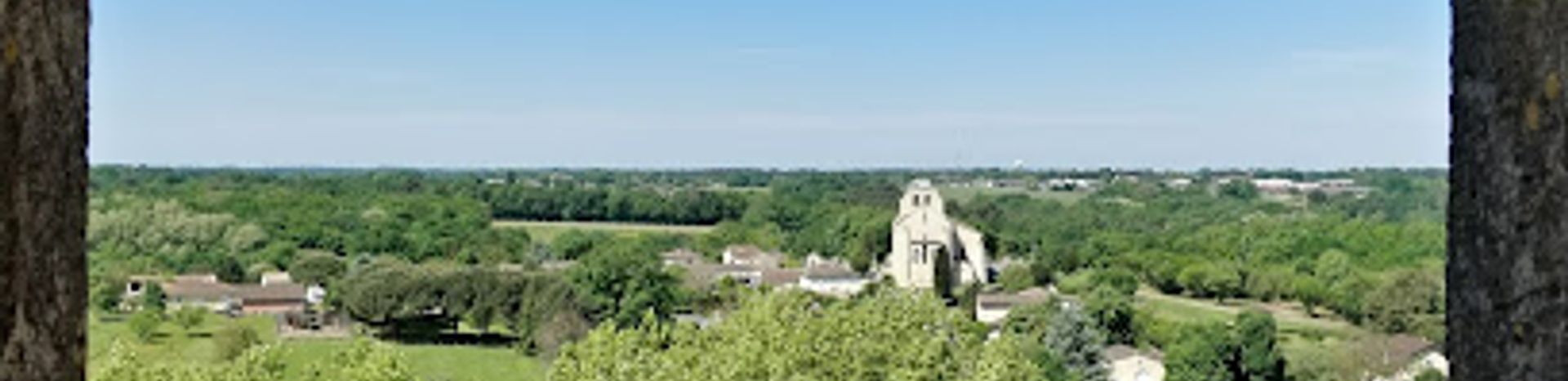
Nestled in the heart of the Entre-Deux-Mers region, a short distance from Bordeaux, the Grande-Sauve Abbey presents a captivating blend of history and architectural grandeur. Founded in 1079, this former Benedictine monastery, now a UNESCO World Heritage site, invites visitors to explore its Romanesque ruins and imagine its medieval splendor. Wander through the remnants of the abbey church, admire the intricate carvings on the surviving capitals, and climb the bell tower for panoramic views of the surrounding countryside. The abbey's serene atmosphere and historical significance make it a compelling destination for history buffs, architecture enthusiasts, and anyone seeking a peaceful escape. Discover the stories etched in stone and experience the echoes of a vibrant monastic past. The site offers a museum displaying recovered artifacts and a well-curated booklet to guide you through the grounds, enriching your understanding of this historically significant location. Don't miss the nearby village of La Sauve, with its charming church and tiny former prison.
A brief summary to Grande-Sauve Abbey
- 14 Rue de l'Abbaye, La Sauve, 33670, FR
- +33556230155
- Visit website
- Monday 10 am-1:15 pm
- Tuesday 10 am-1:15 pm
- Wednesday 10 am-1:15 pm
- Thursday 10 am-1:15 pm
- Friday 10 am-1:15 pm
- Saturday 10 am-1:15 pm
- Sunday 10 am-1:15 pm
Local tips
- Climb the bell tower for panoramic views of the abbey grounds and the surrounding Entre-Deux-Mers countryside; the 157-step ascent is worth the effort.
- Visit the on-site museum to view artifacts recovered from the abbey and gain a deeper understanding of its history and significance.
- Check the abbey's event calendar for concerts, exhibitions, and guided tours that may enhance your visit.
- Combine your visit with a wine tasting at a local vineyard in the Entre-Deux-Mers region, known for its excellent white wines.
- Explore the nearby village of La Sauve, including the Saint-Pierre de La Sauve parish church and the historic, tiny former prison.

Getting There
-
Public Transport
From Bordeaux, take the Citram Aquitaine bus line 473 towards Sauveterre-de-Guyenne. The bus departs from Place Stalingrad in Bordeaux and stops at 'Bourg' in La Sauve. The journey takes approximately 45 minutes, and the bus stop is a 7-minute walk (430 meters) from the abbey. From the 'Bourg' bus stop, walk north along the D671, then turn left onto Rue de l'Abbaye. The abbey will be on your right. A single bus fare costs approximately €3.
-
Taxi/Ride-Share
From Bordeaux city center, a taxi or ride-share to Grande-Sauve Abbey takes approximately 30 minutes, depending on traffic. The ride will cost approximately €55-€70. Provide the driver with the address: 14 Rue de l'Abbaye, 33670 La Sauve. Note that ride-sharing services may have limited availability in this rural area.
-
Driving
From Bordeaux, take the D936 east towards Créon. Continue on the D936, passing through Créon, then follow signs for La Sauve-Majeure. In La Sauve, turn onto Rue de l'Abbaye. The abbey will be on your left. Parking is available near the abbey, but spaces may be limited, especially during peak season. Parking is free.
Discover more about Grande-Sauve Abbey
Iconic landmarks you can’t miss

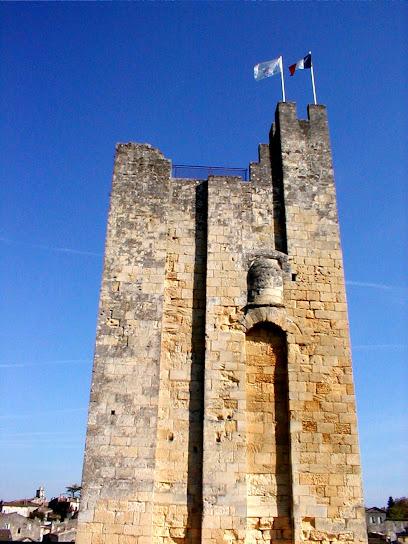
King's Tower
18.4 km
Explore the King's Tower in Saint-Émilion: a medieval landmark with panoramic views of vineyards and a rich history.
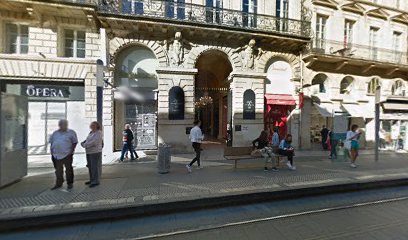
Free Walking Tours Bordeaux (english/español)
18.6 km
Experience the charm and history of Bordeaux through engaging walking tours in English and Spanish with Free Walking Tours Bordeaux.
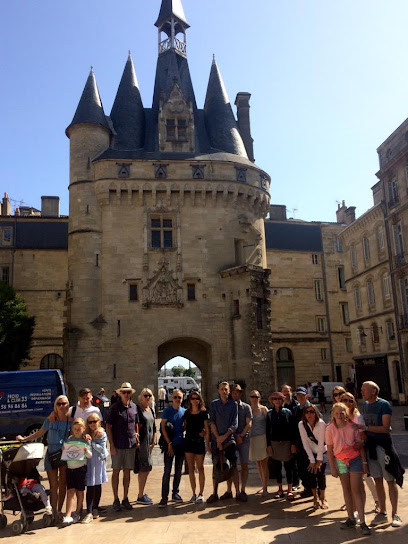
Porte de la Cadène
18.7 km
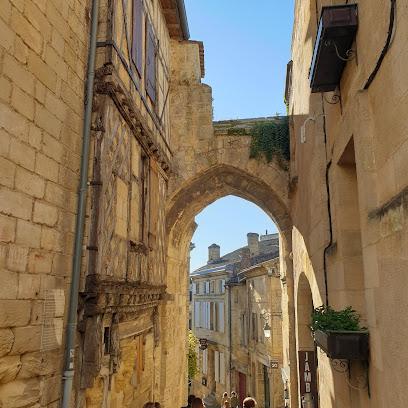
Step back in time at Porte de la Cadène, a medieval gateway in Saint-Émilion, and explore the town's rich history, architecture, and wine heritage.
Château Troplong Mondot
19.0 km
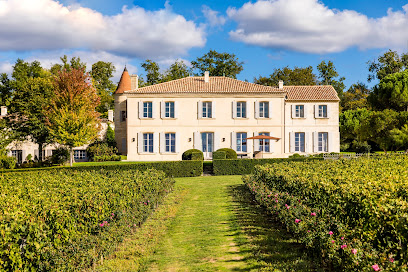
Discover the legacy of Château Troplong Mondot, a Premier Grand Cru Classé in Saint-Émilion, offering exceptional wines and stunning vineyard views.
B for Bordeaux
19.3 km
Discover the charm of Bordeaux with B for Bordeaux's expert-led sightseeing tours that unveil the city's rich history and exquisite wine culture.
Bordeaux Elite
19.3 km
Experience Bordeaux like never before with Bordeaux Elite, your trusted partner for personalized tours and unforgettable adventures in the wine capital of France.
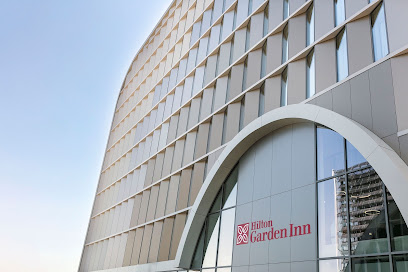
Hilton Garden Inn Bordeaux Centre
19.8 km
Modern comfort and convenience in the heart of Bordeaux, near the train station and city's top attractions.
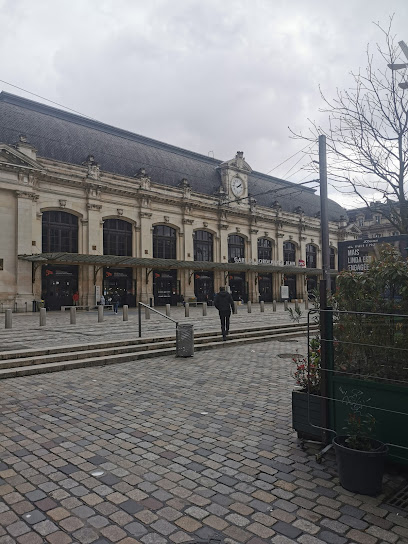
Bordeaux Saint-Jean Terres de Borde
20.1 km
Explore the charm of Bordeaux starting from the practical yet essential Bordeaux Saint-Jean Terres de Borde bus stop, your gateway to the region's wonders.
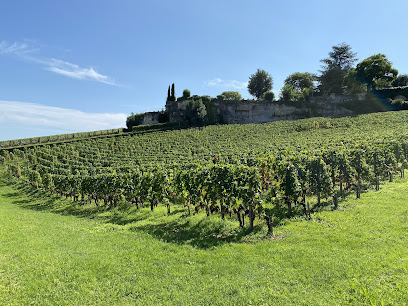
Bordeaux So You - Wine Tours
20.4 km
Explore Bordeaux's vineyards with Bordeaux So You, where wine tours offer an unforgettable journey through the heart of France's renowned wine region.
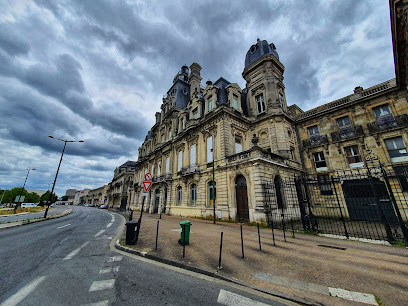
Descas Palace
20.6 km
Explore Château Descas, a historic Bordeaux palace turned cultural venue, showcasing stunning architecture and a rich past on the Quai de Paludate.
Bordeaux Châteaux - Circuits œnologiques
20.7 km
Explore the enchanting vineyards of Bordeaux with guided tours that reveal the art of winemaking and the region's rich heritage.
Square Dom Bedos
20.8 km
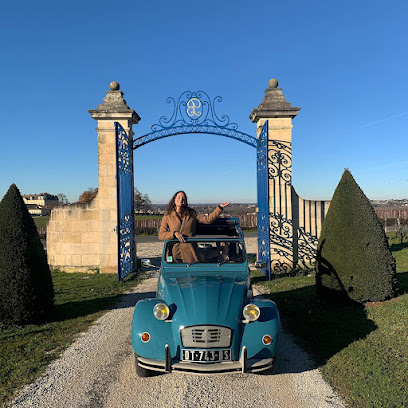
A peaceful park in Bordeaux blending nature and culture, named after the famous organ builder Dom Bédos de Celles.
Église Sainte-Croix de Bordeaux
20.9 km
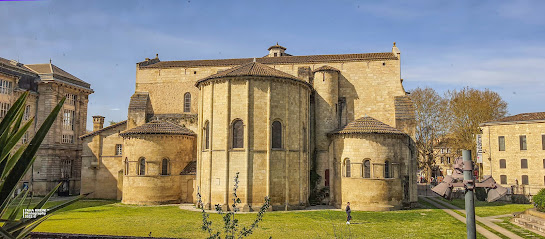
Explore Bordeaux's oldest church, a Romanesque abbey with a stunning facade and rich history in the heart of the Sainte-Croix district.

Door of the Mint
21.0 km
Discover the Door of the Mint in Bordeaux, a neoclassical monument that echoes the city's rich history and architectural beauty.

1 Pl. de Stalingrad
21.1 km
Discover Place de Stalingrad in Bordeaux: where history meets modern art at the gateway to the vibrant Bastide district.
Unmissable attractions to see

Château de Castelneau
2.6 km
Discover the charm of Château de Castelneau, a historic Bordeaux vineyard offering exquisite wines, guided tours, and a tranquil escape in the heart of Entre-deux-Mers.
Château Lamothe de Haux
6.4 km
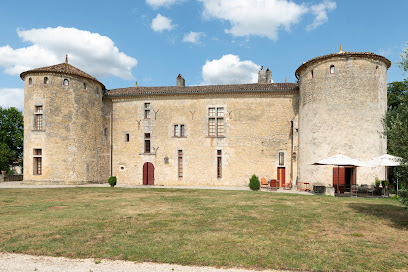
Discover the charm of Bordeaux at Château Lamothe de Haux, a family-run vineyard offering tours, tastings, and a glimpse into centuries of winemaking tradition in the heart of Entre-Deux-Mers.
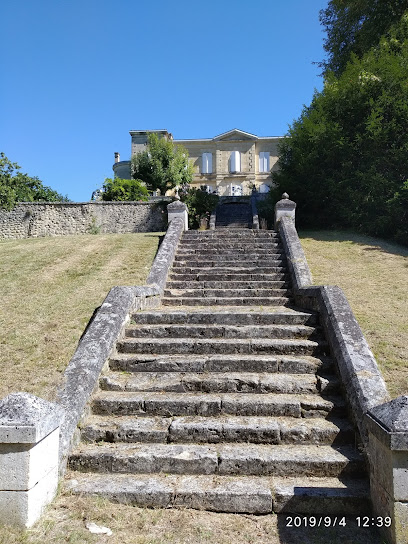
Chateau Grand Verdus
7.2 km
Discover the art of winemaking at Château Grand Verdus, a family-run estate blending tradition and innovation in the heart of Bordeaux's Entre-Deux-Mers region since 1810.
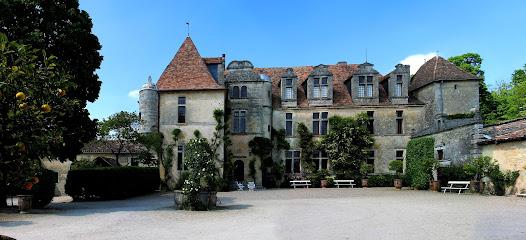
Castle Camarsac
8.1 km
Discover the legacy of Château de Camarsac, a historic Bordeaux estate blending centuries of tradition with modern winemaking in the heart of Entre-Deux-Mers.
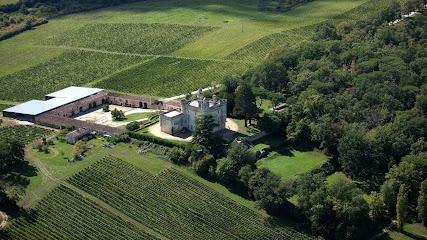
Lac de Laubesc
10.3 km
Discover the serene beauty of Lac de Laubesc in Entre-Deux-Mers: a tranquil nature preserve offering walking trails, fishing, and picnic spots amidst picturesque lakes and lush greenery.
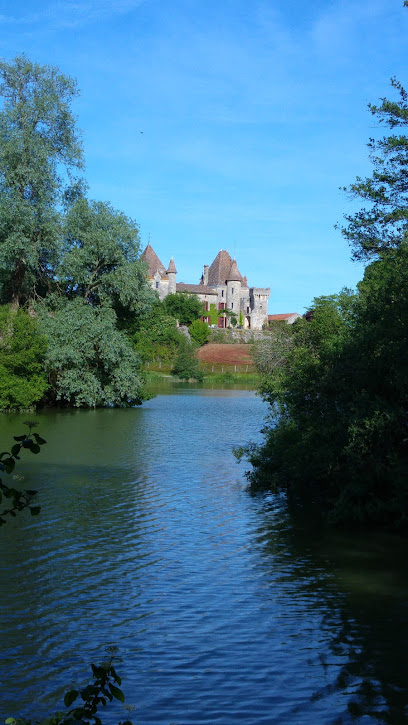
Château Réaut Tourism & Event
10.4 km
Discover a modern Bordeaux vineyard blending tradition with innovation. Explore cutting-edge winemaking, savor exceptional wines, and enjoy panoramic views at Château Réaut in Rions.
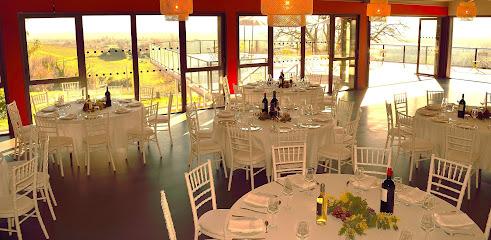
Le Lac aux Branches
11.8 km
Experience high-flying thrills at Le Lac aux Branches, a premier treetop adventure park in Laroque, offering exhilarating courses and stunning lakeside views for all ages and skill levels.

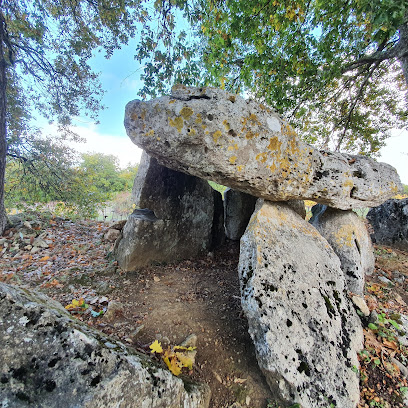
Curton dolmen
12.2 km
Explore the ancient Curton Dolmen in Jugazan, a rare Neolithic burial site amidst picturesque vineyards, offering a glimpse into the region's rich history and cultural heritage.
Cascade laroque
12.5 km
Discover the serene beauty of Cascade Laroque, a hidden waterfall in southern France, offering a tranquil escape and stunning natural scenery for an unforgettable experience.

Château de Lisennes
13.9 km
Discover the charm of Château de Lisennes, a family-run Bordeaux vineyard offering wine tastings, historical tours, and a glimpse into sustainable winemaking practices near Tresses.
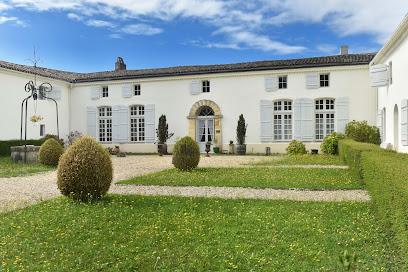
Cadillac Ducal Castle
14.5 km
Explore the enchanting Cadillac Ducal Castle, a historical gem nestled in Cadillac-sur-Garonne, showcasing 15th-century architecture and beautiful gardens.
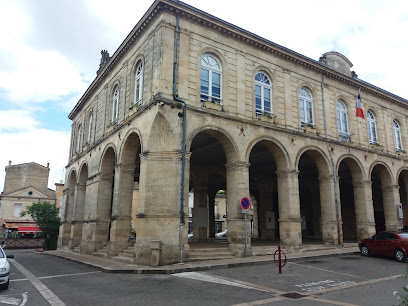
Château de Vayres
14.7 km
Discover centuries of French history and architectural splendor at Château de Vayres, a majestic fortress on the Dordogne River near Bordeaux, featuring elegant gardens and historical treasures.
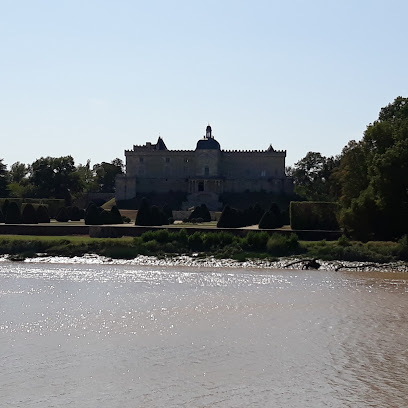
Château Rauzan
14.7 km
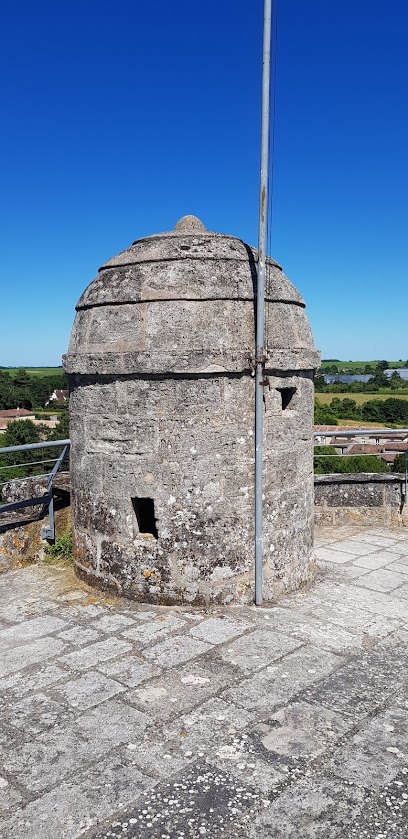
Discover Château Rauzan, a captivating medieval castle in the heart of the Gironde, offering a journey through centuries of history and architectural splendor.
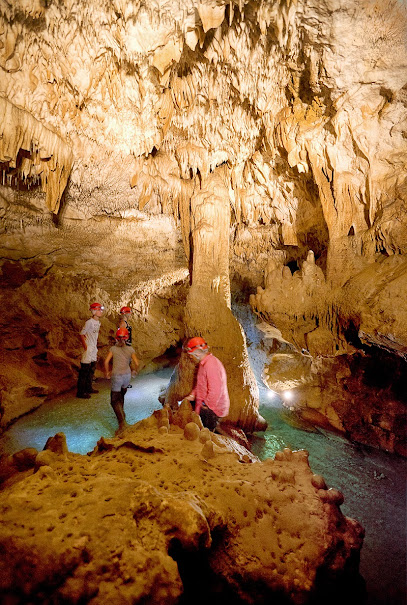
Grotte Célestine
14.8 km
Explore the depths of the Grotte Célestine in Rauzan, the only underground river in Gironde open to the public, for a unique speleo-style adventure filled with stunning rock formations and fascinating history.
Château de Cérons
14.9 km
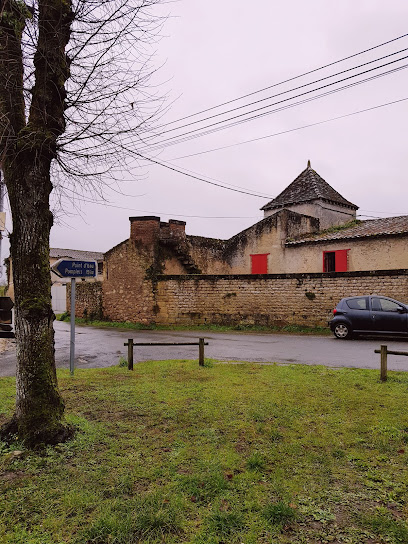
Discover the charm of Château de Cérons, a historic Bordeaux wine estate offering exquisite red, white, and rare sweet wines in the heart of the Graves region, easily accessible from Bordeaux.
Essential places to dine

The Gourmet Baron
6.0 km
Experience exquisite traditional French cuisine at The Gourmet Baron in the charming village of Baron.
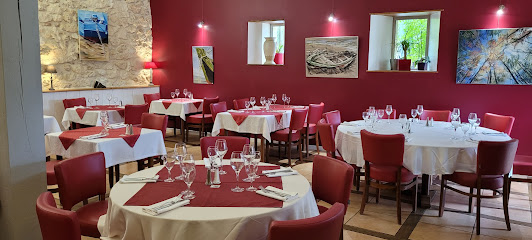
Auberge Saint Jean
14.6 km
Experience exquisite French cuisine at Auberge Saint Jean in Saint-Jean-de-Blaignac - where tradition meets culinary artistry.
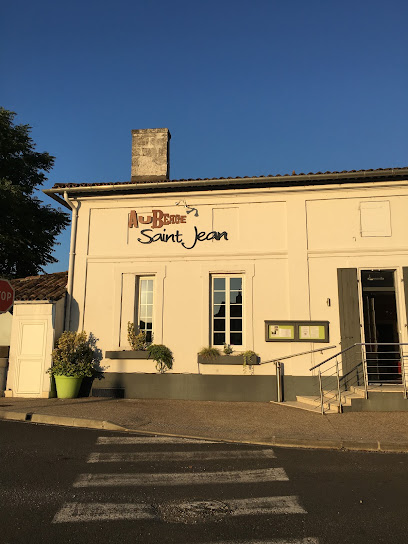
L'Entrée Jardin
14.7 km
Experience exquisite French and Mediterranean cuisine at L'Entrée Jardin in Cadillac-sur-Garonne—where every meal is a celebration of flavor.
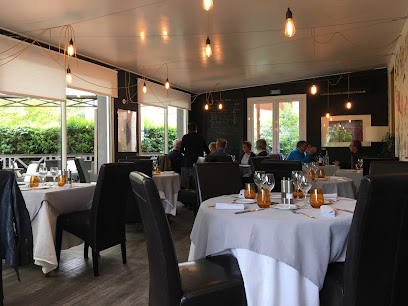
Restaurant du Grand Barrail
18.4 km
Experience exquisite French cuisine at Restaurant du Grand Barrail, set amidst the stunning vineyards of Saint-Émilion.
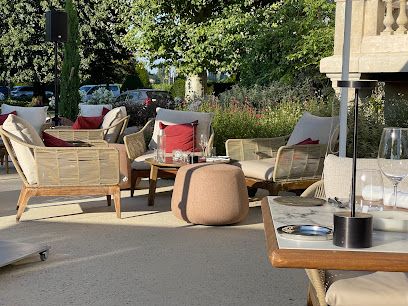
La table de Catusseau
19.2 km
Experience exquisite French cuisine at La Table de Catusseau in Pomerol – where every dish tells a story.
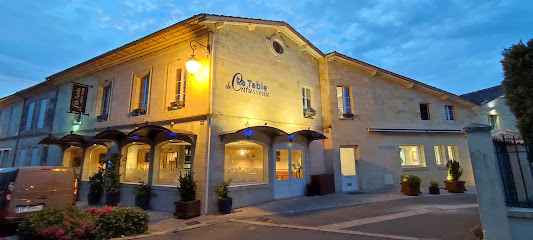
Restaurant La Table du Lavoir - Les Sources de Caudalie
19.8 km
Experience exquisite French cuisine in a charming bistro setting at La Table du Lavoir in Martillac.
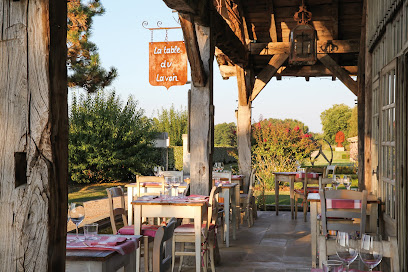
Restaurant La Grand'Vigne - Les Sources de Caudalie
19.8 km
Experience unparalleled French haute cuisine amidst the breathtaking vineyards of Bordeaux at Restaurant La Grand'Vigne.
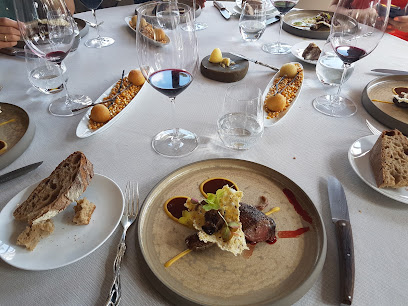
L'Oiseau Bleu
20.8 km
Discover exquisite haute French cuisine at L'Oiseau Bleu in Bordeaux, where every dish tells a story of culinary excellence and local flavors.
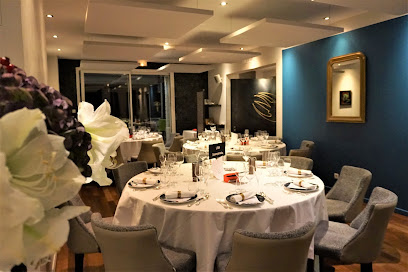
La Tupina
21.0 km
Experience authentic French cuisine at La Tupina in Bordeaux - where rustic charm meets culinary excellence.
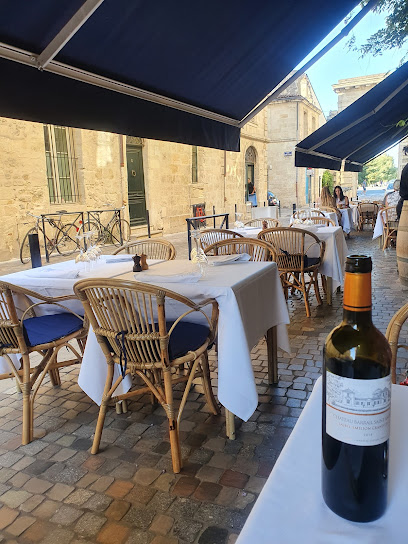
restaurant Le Prince Noir par vivien durand
21.0 km
Discover culinary excellence at Le Prince Noir, where French fine dining meets elegance and unforgettable flavors in Lormont.
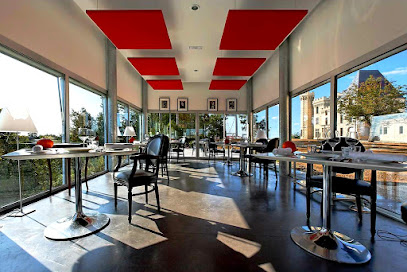
L'appart 18
21.2 km
Discover the perfect blend of local flavors and vibrant bar culture at L'appart 18 in Bordeaux.
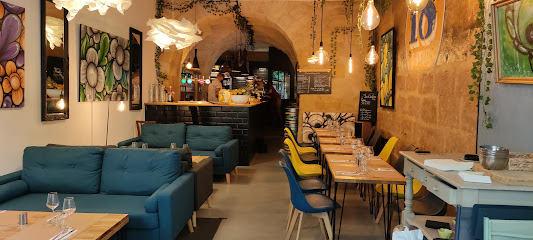
Le Passage Saint Michel
21.3 km
Discover authentic French cuisine at Le Passage Saint Michel in Bordeaux - where tradition meets modern flair.
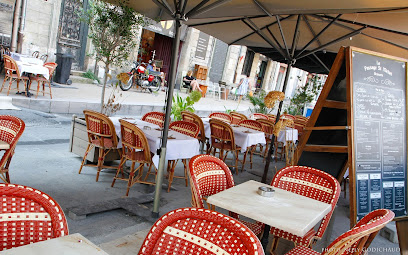
Bistro Poulette
21.3 km
Experience authentic French cuisine at Bistro Poulette in Bordeaux – where tradition meets modern culinary artistry.
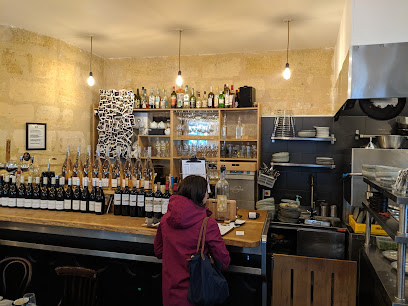
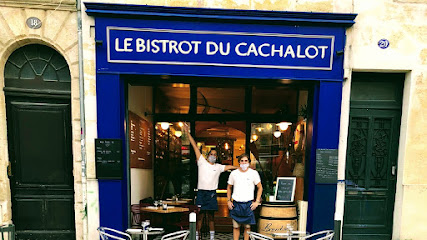
Le Bistrot du Cachalot
21.3 km
Experience authentic French cuisine at Le Bistrot du Cachalot in Bordeaux – where tradition meets taste in every dish.
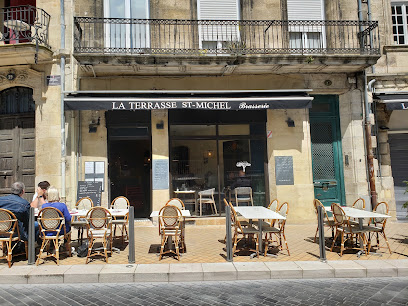
La Terrasse Saint-Michel
21.3 km
Experience the essence of French gastronomy at La Terrasse Saint-Michel in Bordeaux—where tradition meets modernity in every bite.
Markets, malls and hidden boutiques

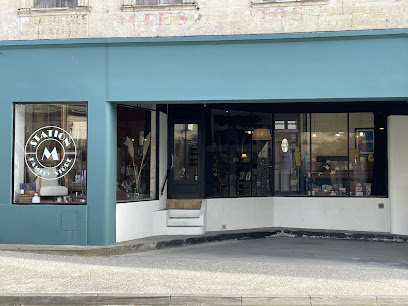
Station M family store
12.1 km
Explore unique gifts, antiques, and the cozy atmosphere of Station M Family Store in Branne, a perfect stop for every traveler.
Boutique Cadeaux
14.6 km
Explore handcrafted treasures and unique gifts at Boutique Cadeaux, a delightful shop in Cadillac-sur-Garonne filled with local artistry.

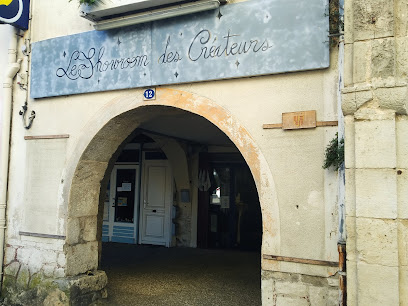
Le showroom des créateurs
14.6 km
Explore Le Showroom des Créateurs for unique handcrafted gifts and local artisan treasures in the heart of Cadillac-sur-Garonne.
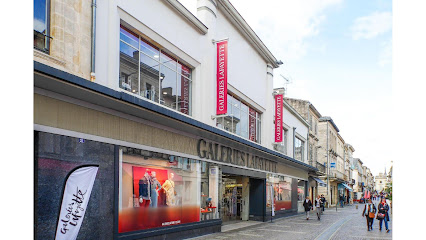
Galeries Lafayette Libourne
17.3 km
Explore Galeries Lafayette Libourne: A premier department store offering a curated mix of fashion, beauty, and lifestyle items in a stunning setting.
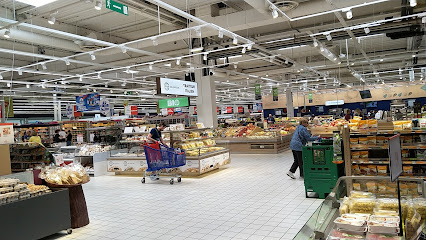
Centre commercial Rives d'Arcins
17.5 km
Explore the vibrant Centre Commercial Rives d'Arcins, a shopping paradise in Bègles, France, featuring diverse stores, dining, and entertainment options.
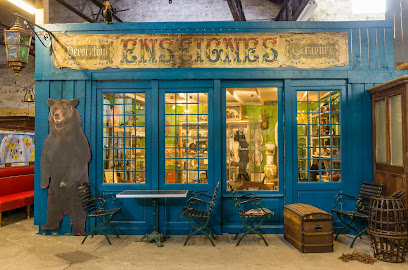
Warehouse Saint Germain
20.6 km
Explore the charm of Warehouse Saint Germain in Bordeaux, your go-to destination for vintage treasures and unique home goods.
MCV My Wine Cellar
21.1 km
Explore MCV My Wine Cellar, a premier wine store in Bordeaux offering a rich selection of local and international wines for every palate.
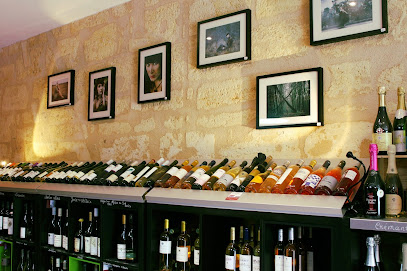
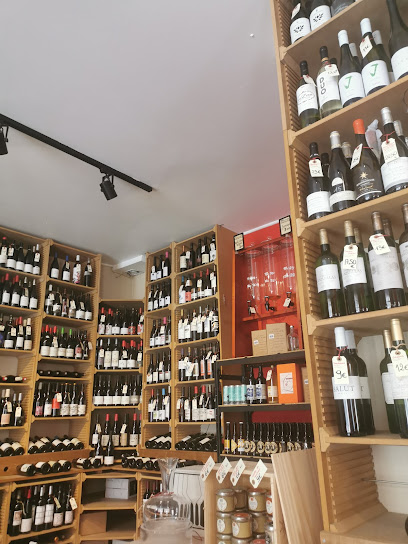
La CUV Saint-Michel : Vins, bières et spiritueux
21.3 km
Explore the finest selection of wines, beers, and spirits at La CUV Saint-Michel in Bordeaux, a must-visit for all beverage enthusiasts.
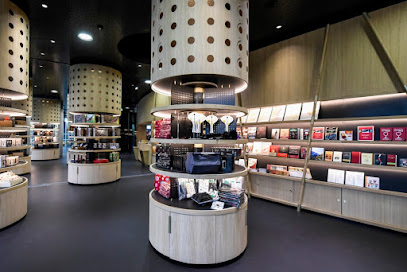
La Boutique de La Cité du Vin
21.5 km
Explore La Boutique de La Cité du Vin in Bordeaux for unique wine souvenirs and gifts celebrating the region's rich viticulture.
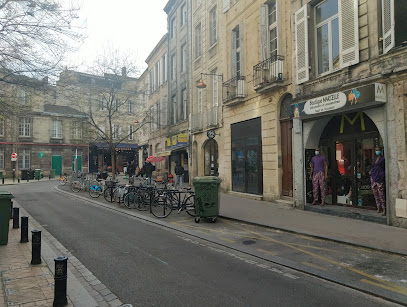
Boutique Marcelle
21.7 km
Discover fashionable treasures and sustainable style at Boutique Marcelle, Bordeaux's premier used clothing store and consignment shop.
The House of Two Fairies
21.7 km
Discover the magic of crystals and minerals at The House of Two Fairies in Bordeaux, a unique rock shop brimming with nature's treasures.
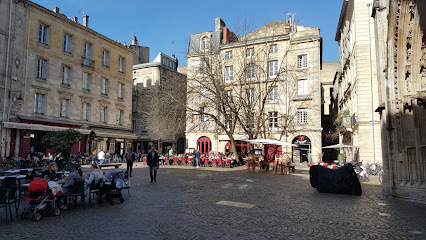
Art and Wine
21.7 km
Discover the essence of Bordeaux at 'Art and Wine' – a delightful fusion of exquisite wines and gourmet delicacies in a charming setting.
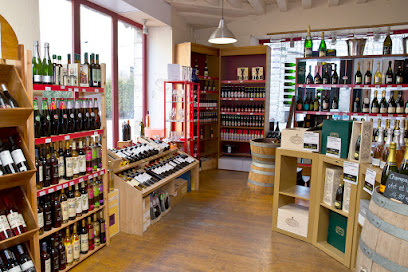
Feral - Art & Vin
21.7 km
Explore the perfect blend of fine wines and captivating art at Feral - Art & Vin in Bordeaux, where culture and taste come together.
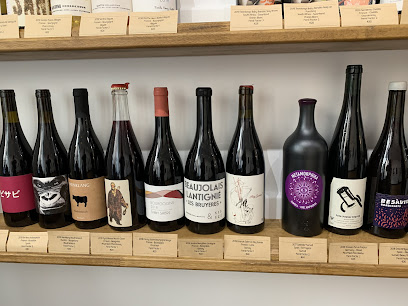
Mieux Boutique
21.8 km
Explore the elegance of French fashion at Mieux Boutique in Bordeaux, offering unique clothing and accessories for every fashion lover.
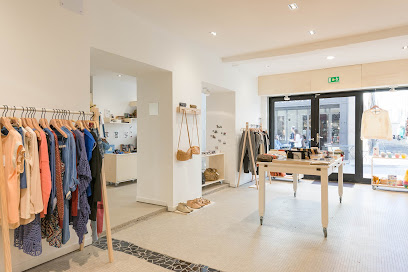
Autour de Bordeaux
21.8 km
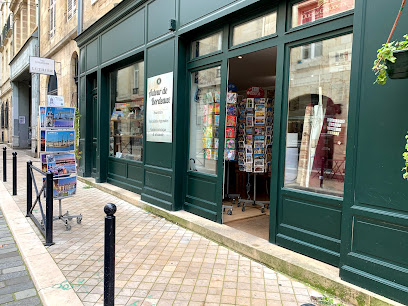
Explore Autour de Bordeaux, the ultimate gift basket store offering local delicacies and wines for the perfect souvenir experience.
Essential bars & hidden hideouts

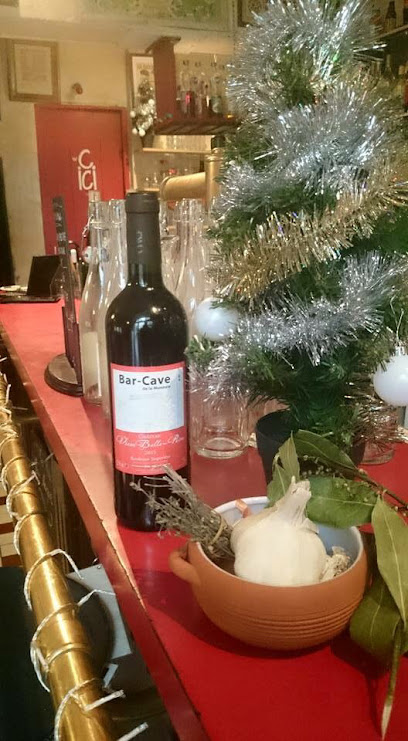
Bar Cave de la Monnaie
21.0 km
Experience the best of Bordeaux's wine and French cuisine at Bar Cave de la Monnaie, a cozy wine bar perfect for every palate.
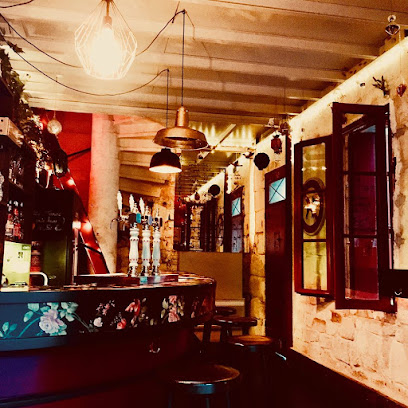
Les Furies Bergères
21.1 km
Discover the vibrant atmosphere and unique drink offerings at Les Furies Bergères, a must-visit bar in the heart of Bordeaux.
LE SINGE VERT - Maison de qualité
21.1 km
Discover the vibrant atmosphere and exquisite drinks at Le Singe Vert, a must-visit bar by the Garonne River in Bordeaux.
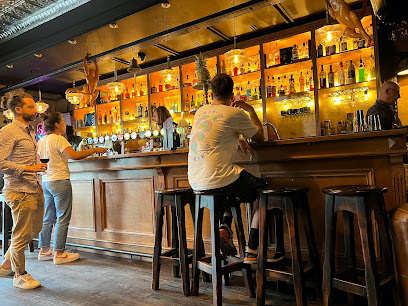
Les Marquises
21.1 km
Experience the vibrant nightlife of Bordeaux at Les Marquises, where exquisite cocktails and delicious tapas await in a charming waterfront setting.
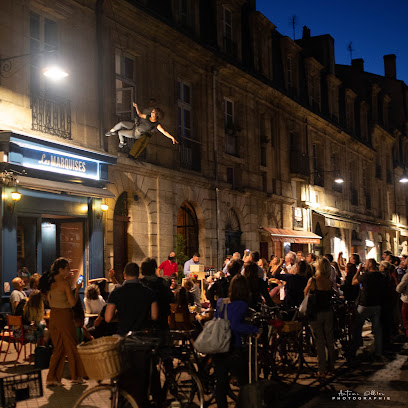
BLUE LETCHI
21.2 km
Discover Blue Letchi, Bordeaux's premier cocktail bar, where innovative drinks meet a lively ambiance along the picturesque Garonne River.
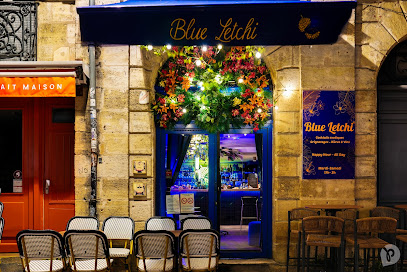
Le JAX
21.2 km
Experience the vibrant nightlife of Bordeaux at Le JAX, a trendy riverside bar offering exquisite cocktails and a lively atmosphere.
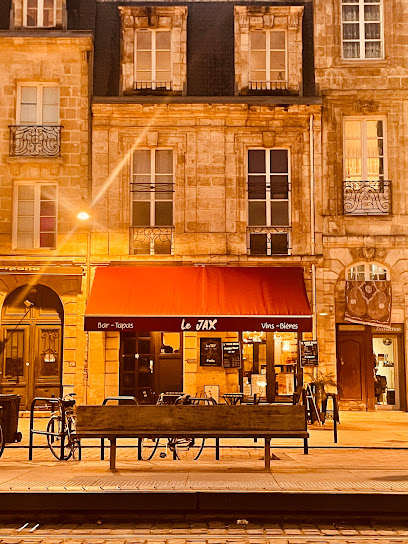
Couleurs du Vin : Bar à Vin Bio
21.3 km
Explore the essence of Bordeaux at Couleurs du Vin, a premier organic wine bar offering biodynamic wines in a welcoming atmosphere.
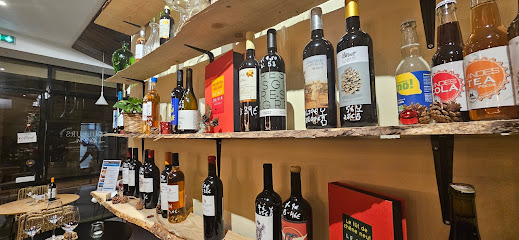
Beerbox
21.3 km
Discover the best of Bordeaux's craft beer scene at Beerbox, a lively bar offering an extensive selection of local brews and a warm atmosphere.
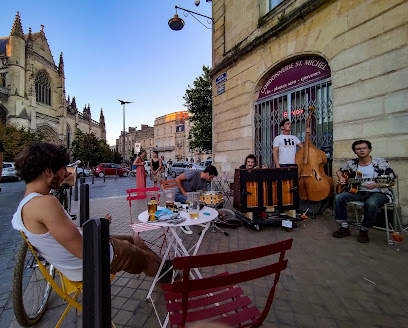
LOLA Hôtel & Bar
21.3 km
Discover the charm of Bordeaux at LOLA Hôtel & Bar, where stylish accommodations meet a vibrant cocktail experience in the heart of the city.
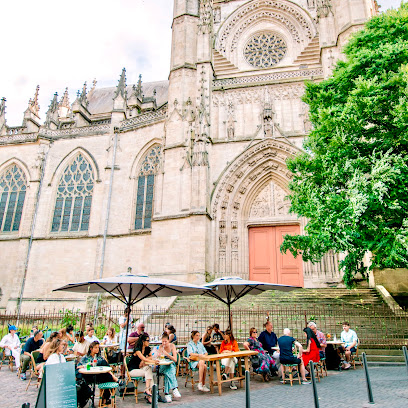
Bar l'Avant-scène
21.3 km
Experience the heart of Bordeaux's nightlife at Bar l'Avant-scène, a cozy bar with a vibrant atmosphere and an extensive drink selection.
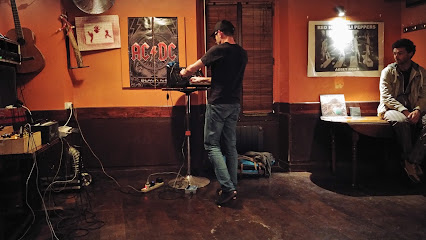
Bar Saint Michel
21.4 km
Discover the lively charm of Bar Saint Michel in Bordeaux, where flavorful drinks and delicious cuisine meet a vibrant atmosphere.
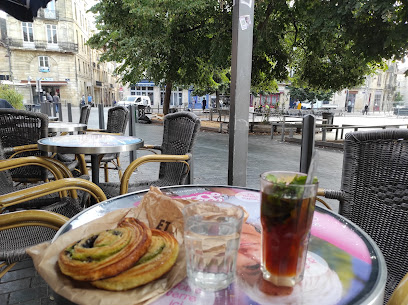
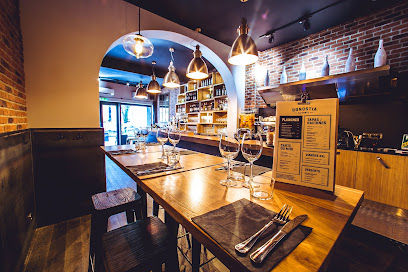
Donostia Saint Michel
21.4 km
Experience the vibrant culinary scene of Bordeaux at Donostia Saint Michel, where authentic Spanish tapas and a lively atmosphere await you.
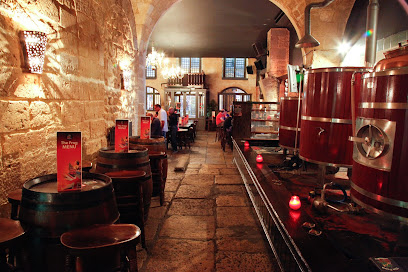
The Frog & Rosbif
21.6 km
Experience the fusion of British pub culture and French cuisine at The Frog & Rosbif in Bordeaux, a must-visit for all food lovers.
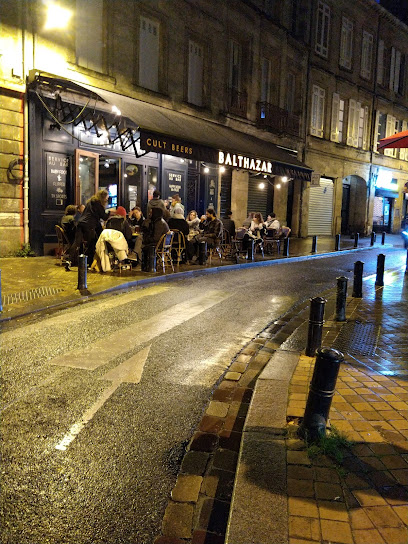
BALTHAZAR - Cult beers & Nice drinks
21.6 km
Discover Balthazar in Bordeaux: A top bar for craft beer enthusiasts with a vibrant ambiance and extensive drink selections.
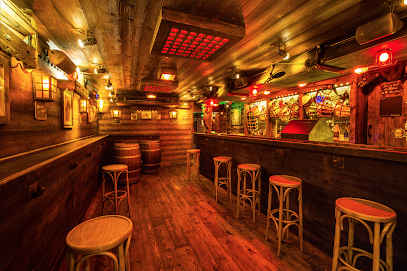
Barracuda Bordeaux
21.7 km
Experience the vibrant nightlife at Barracuda Bordeaux, where innovative cocktails and a lively atmosphere await every visitor.
Nightclubs & after hour spots

L'Éclypse Discothèque
19.1 km
Experience the electrifying nightlife at L'Éclypse Discothèque, Bordeaux's premier disco club with thrilling entertainment and delectable dining options.
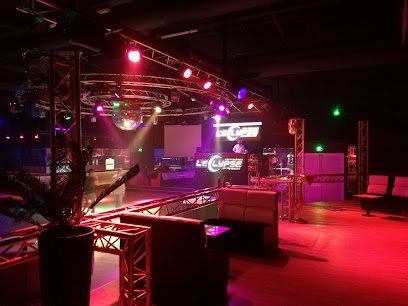
Bora Club Bordeaux
19.2 km
Bora Club Bordeaux: Your ultimate destination for an unforgettable disco experience in the heart of Bordeaux's vibrant nightlife!
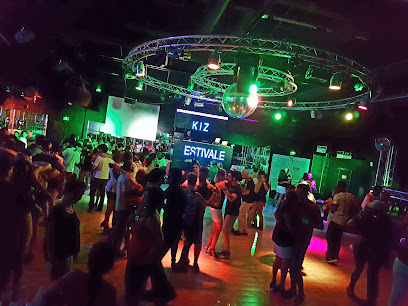
BT Club - Bègles
19.6 km
Dive into the vibrant nightlife of Bègles at BT Club - a lively disco club with electrifying music and unforgettable live performances.
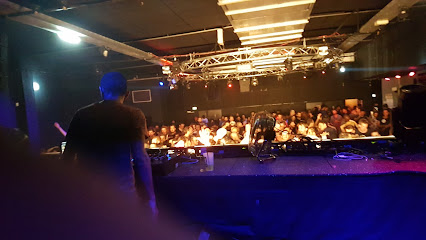
Discothèque La Plage - Bordeaux
20.2 km
Discover Bordeaux's nightlife at Discothèque La Plage, a vibrant club on the riverside offering unforgettable dance and music experiences.
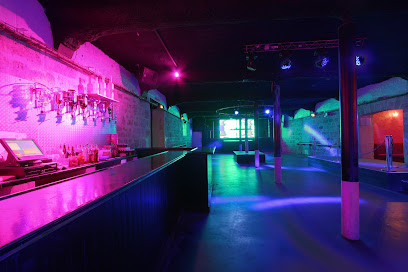
Pachanga Club Bordeaux
20.2 km
Dive into the vibrant nightlife of Bordeaux at Pachanga Club, where music, dance, and fun come together for an unforgettable experience.
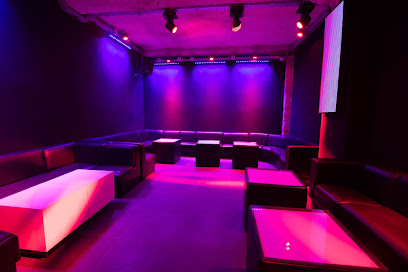
Light Club de Bordeaux - Bordeaux
20.2 km
Discover the electric atmosphere of Light Club de Bordeaux, a must-visit destination for nightlife lovers in the heart of Bordeaux.
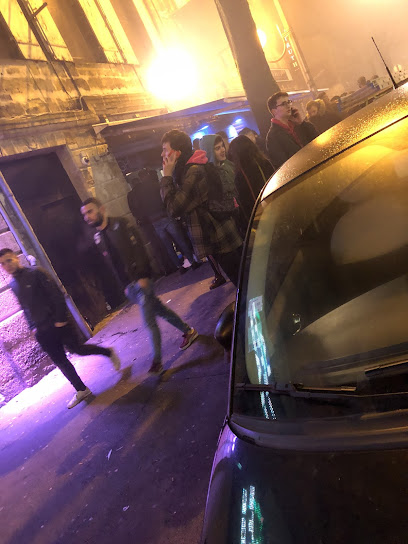
Ultra Klubs
20.9 km
Experience the pulsating nightlife at Ultra Klubs, Bordeaux's premier night club featuring electrifying music and an energetic crowd.
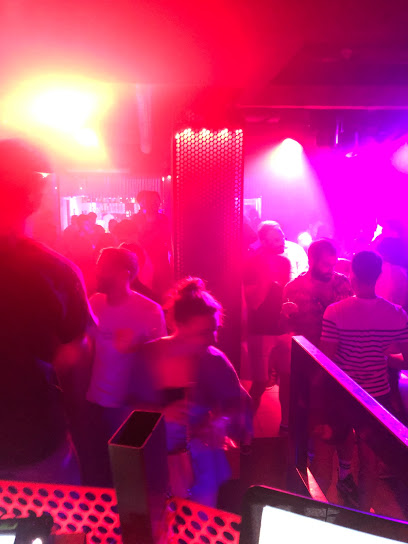
Le Society
21.7 km
Discover the vibrant blend of dining and nightlife at Le Society, Bordeaux's premier restaurant and club along the scenic Quai de Bacalan.
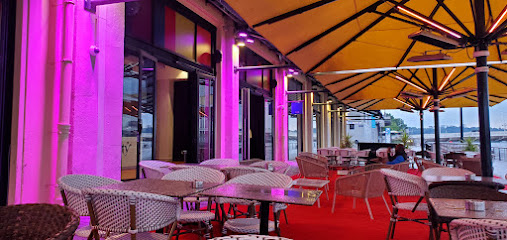
Le Theatro
21.8 km
Discover the pulse of Bordeaux's nightlife at Le Theatro, a premier night club filled with music, dance, and unforgettable moments.
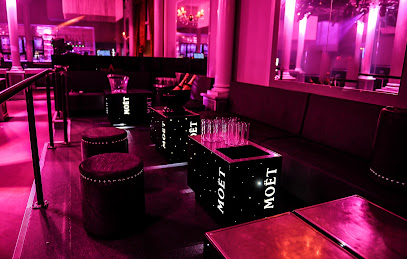
LA DAME Club
22.0 km
Dive into the nightlife of Bordeaux at LA DAME Club, where vibrant music and an electrifying atmosphere create unforgettable evenings.
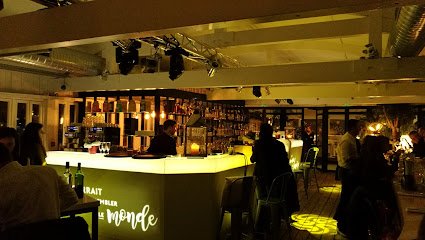
L'orangeade
22.0 km
Experience the vibrant nightlife of Bordeaux at L'orangeade, where music, dance, and fun converge in a lively disco atmosphere.
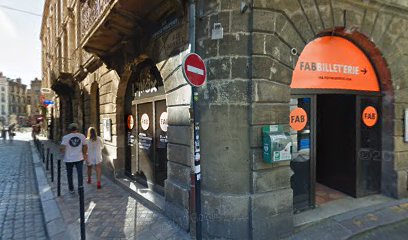
Traxx Cruising Club Bordeaux
22.0 km
Discover the electric atmosphere of Traxx Cruising Club in Bordeaux, a must-visit gay bar and nightclub for an unforgettable night out.
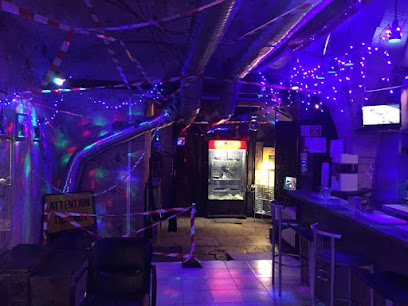
Le Cercle - Boite de nuit à Bordeaux
22.3 km
Discover the electrifying nightlife of Bordeaux at Le Cercle, a premier night club offering unforgettable music and vibrant dance experiences.
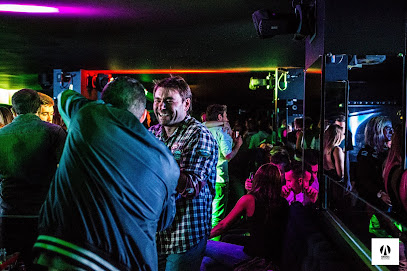
Le Monseigneur
22.3 km
Discover the heart of Bordeaux's nightlife at Le Monseigneur, where vibrant music and an energetic ambiance await you.
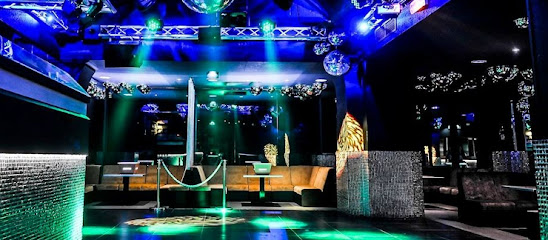
Boom Boom Club Bordeaux
22.3 km
Dive into the nightlife at Boom Boom Club Bordeaux, where electrifying beats and vibrant energy create unforgettable memories in the heart of the city.