

Grosse Cloche Travel Guide
Free Guide: Discover Bordeaux's iconic Grosse Cloche: a historic bell tower offering panoramic city views and a glimpse into the city's rich past, from medieval gate to civic symbol.


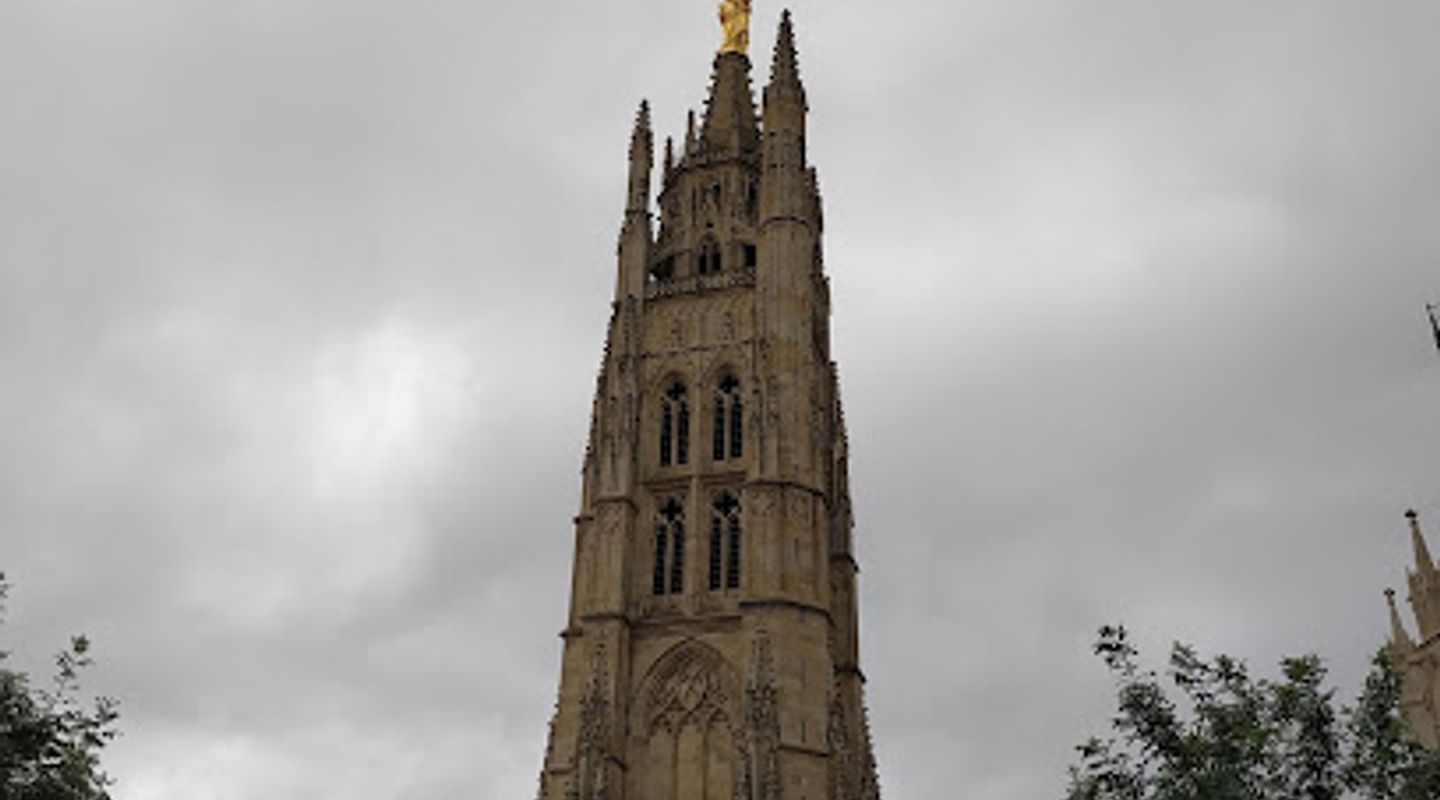
A brief summary of Grosse Cloche
Discover Bordeaux's iconic Grosse Cloche: a historic bell tower offering panoramic city views and a glimpse into the city's rich past, from medieval gate to civic symbol.
The Grosse Cloche, or Great Bell, is one of Bordeaux's most iconic landmarks, steeped in history and civic significance. Originally part of the city's defensive walls in the 13th century, it evolved into a symbol of Bordeaux's identity, witnessing revolts, celebrations, and everyday life. The current structure, featuring two imposing towers, dates back to the 15th century, with the bell itself, named Armande-Louise, cast in 1775. More than just a historical monument, the Grosse Cloche offers a glimpse into Bordeaux's past, its struggles, and its triumphs. Visitors can explore the former prison within its walls and admire the panoramic views of the city from its heights. The bell still rings on special occasions, connecting the present to centuries of Bordeaux's rich heritage. Its location in the heart of the old town makes it easily accessible and a must-see for any visitor seeking to understand the spirit of Bordeaux.
Opening hours
- Mon3:15 pm–3:45 pm, 4 pm–4:30 pm
- TueClosed
- WedClosed
- ThuClosed
- FriClosed
- Sat10:30 am–11 am, 11:15 am–11:45 am, 12 pm–12:30 pm
- SunClosed
Opening hours as listed on the venue’s Google Business Profile. Hours can change for services and special events, so check with the venue before you go.
- Address
- Rue Saint-James, 33000 Bordeaux
- Phone
- Website
Getting there
Walking
Public Transport
Taxi/Ride-Share
Driving
Discover more about Grosse Cloche
Overview
The Grosse Cloche, also known as the Porte Saint-Éloi, stands as a proud emblem of Bordeaux, its history etched into every stone and echoing in the resonant peals of its great bell. More than just a monument, it's a living testament to the city's enduring spirit, a silent observer of centuries of Bordeaux's evolution. Originally constructed in the 13th century as part of Bordeaux's defensive fortifications, the gate served a practical purpose, controlling access to the city and protecting its inhabitants. Over time, however, its significance transcended its military function, becoming intertwined with the civic identity of Bordeaux. The gate witnessed pivotal moments in the city's history, from popular revolts against royal authority to joyous celebrations of peace and prosperity. The structure we see today largely dates back to the 15th century, featuring two imposing octagonal towers connected by a central arch. Above the arch, the city's coat of arms proudly proclaims Bordeaux's heritage. The towers, once part of a larger defensive complex, now stand as solitary sentinels, guarding the entrance to the historic Saint-Éloi district. The bell itself, christened Armande-Louise, was cast in 1775, replacing earlier versions that had served the city for centuries. Weighing in at a hefty 7,750 kilograms, its deep, sonorous tones have marked the rhythm of Bordeaux life for generations, signaling important events, warning of danger, and announcing times of celebration. The Latin inscription on the bell encapsulates its role: "I ring the hours and my voice is a call to arms, I sing for happy events and weep for the dead." Beyond its symbolic importance, the Grosse Cloche also served a more practical, if less glamorous, function: as a prison. Wayward youths and those who нарушили public order were confined within its walls, a stark reminder of the city's commitment to law and order. Locals joked that these temporary residents were staying at the "Hotel du Lion d'Or," a reference to the lion-shaped weather vane atop the central dome, a symbol of the English kings who once ruled Bordeaux. Today, the Grosse Cloche is open to visitors, offering a unique glimpse into Bordeaux's past. Guided tours lead visitors through the former prison cells, where the echoes of past transgressions still linger. A climb to the top of the tower rewards visitors with panoramic views of the city, a sweeping vista that encompasses the quays, the river, and the rooftops of the old town. The Grosse Cloche is more than just a historical curiosity; it's a vital part of Bordeaux's cultural fabric. The bell still rings six times a year for major celebrations, including Bastille Day and Remembrance Day, as well as on the first Sunday of each month, connecting the present to the city's rich and storied past. Standing beneath its towering presence, one can't help but feel a sense of awe and reverence for the generations of Bordelais who have lived and died under its watchful gaze. Located in the heart of Bordeaux's old town, a UNESCO World Heritage Site, the Grosse Cloche is easily accessible and surrounded by other historical landmarks, shops, restaurants, and art galleries. Its proximity to the City Hall, Saint-André Cathedral, and the Palais Rohan makes it an essential stop on any visitor's itinerary. A visit to the Grosse Cloche is an opportunity to step back in time and experience the soul of Bordeaux. It's a chance to connect with the city's history, to appreciate its architectural beauty, and to understand the enduring spirit of its people. Whether you're a history buff, an architecture enthusiast, or simply a curious traveler, the Grosse Cloche is sure to leave a lasting impression.
Evendo Review Centre
 Google
Guest reviews
Explore Grosse Cloche on the map
A handpicked selection of must-see spots near Grosse Cloche, mapped for you.
Get your free copy of our complete guide to Grosse Cloche, delivered straight to you.
Everything on this page, from opening hours and how to get there to Eve’s tips and the best time to go, in one PDF you can read offline, print or share.
Already have an account? Sign in
Your Grosse Cloche guide is ready.
We'll send it to · Not you? Sign out

Getting your guide ready…
We are putting together a fresh copy of the Grosse Cloche guide. This can take up to a minute.
This can take a few moments. If your browser asks, choose Allow so the download can start. You'll find the guide in your Downloads folder.
Nothing happened? Download it again
Sorry, the guide is taking longer than usual. Please try again in a minute, or get it by email instead.
Unlock the best of Grosse Cloche
Skip-the-line tickets, guided tours with entry, and walking tours of the area, booked in a few clicks.


Other nearby places you may find interesting
The closest places of the same kind, if this one is not quite what you had in mind.
-
-
-
-
-


Swipe for more places
More to explore near Grosse Cloche

 Best experiences near Grosse Cloche
 Best hotels near Grosse Cloche
 Best landmarks near Grosse Cloche
 Best attractions near Grosse Cloche
 Best shops near Grosse Cloche
 Best restaurants near Grosse Cloche
 Best bars near Grosse Cloche
Do you manage this location?
Take control to get all the benefits, like improved information, better appearance, and stronger visibility across AI-powered discovery.
Explore more
Explore more of Aquitaine
Discover Aquitaine, a stunning region in southwestern France known for its beautiful beaches, historic towns, and world-famous Bordeaux wines.
Explore Aquitaine
Explore more of France
Explore France: A land of romance, history, and unparalleled beauty, from the iconic streets of Paris to the serene landscapes of Provence and the luxury of the French Riviera.
Explore France
