

Huitres Fossiles, Aquitaine Travel Guide
Explore the ancient fossilized oyster cliffs of Sainte-Croix-du-Mont, offering breathtaking views of the Garonne Valley and a taste of the region's renowned sweet white wines, a journey through time.
Venture to Sainte-Croix-du-Mont and discover a truly unique geological site: the Huitres Fossiles, or fossilized oyster cliffs. These cliffs, dating back approximately 22 million years, offer a glimpse into a prehistoric past when the area was a warm, shallow sea teeming with life. The sheer concentration of oyster fossils, known as a lumachelle, is a rare phenomenon, creating a spectacular natural wonder. Beyond the geological significance, the site provides stunning panoramic views of the Garonne Valley and the surrounding vineyards of the Sauternes region. The village itself, perched on a rocky escarpment, adds to the charm, offering a peaceful retreat and a chance to explore the local sweet white wines that have made the area famous. A visit to the Huitres Fossiles is a journey through time and a feast for the eyes, combining natural history with breathtaking scenery.
A brief summary to Huitres Fossiles
- Sainte-Croix-du-Mont, 33410, FR
- Click to display
- Click to display

Know before you go
Hi, I'm Eve. Here are a few practical things to know before exploring Huitres Fossiles.
- Wear comfortable shoes for walking on the sometimes uneven terrain of the fossil cliffs and surrounding areas.
- Combine your visit with a wine tasting at a local château to experience the region's famous sweet white wines.
- Visit on a clear day to fully appreciate the panoramic views of the Garonne Valley and, if possible, the Pyrenees.
- Follow the interpretive trail to learn about the geological history and significance of the fossil oyster cliffs.
- Check the opening hours of Château de Taste and other nearby attractions in advance to plan your visit effectively.
Do you manage this location?
Take control to get all the benefits, like improved information, better appearance, and stronger visibility across AI-powered discovery. Learn more about listing your business on Evendo
Activate your presenceOther nearby places you may find interesting
The closest places of the same kind, if this one is not quite what you had in mind.

Explore Huitres Fossiles on the Map
A handpicked selection of must-see spots near Huitres Fossiles, mapped for you.
Getting There
-
Driving
From the D10 towards Sainte-Croix-du-Mont, follow signs for the village center ('Centre Ville'). Once in the village, follow the signs directing you towards 'Église - château - grottes'. Parking is available near the church at the entrance of the village. From the parking, the oyster cliffs are a short walk following the marked path. Parking is free.
-
Public Transport
From Bordeaux, take the Citram Aquitaine bus line 403 to Le Peyrat in Sainte-Croix-du-Mont (€3). From Le Peyrat, it's approximately a 15-20 minute walk to the village center. Follow the D116E1 towards the village, then follow signs for 'Église - château - grottes'. Once in the village, follow the marked path to the oyster cliffs. Check bus schedules in advance as services may be limited.
Discover more about Huitres Fossiles













Your all‑in‑one travel companion app
Explore expert travel guides, compare and book tours, experiences, hotels, and more—all from the palm of your hand. Download now for seamless trip planning wherever your wanderlust takes you.


Explore More of Aquitaine
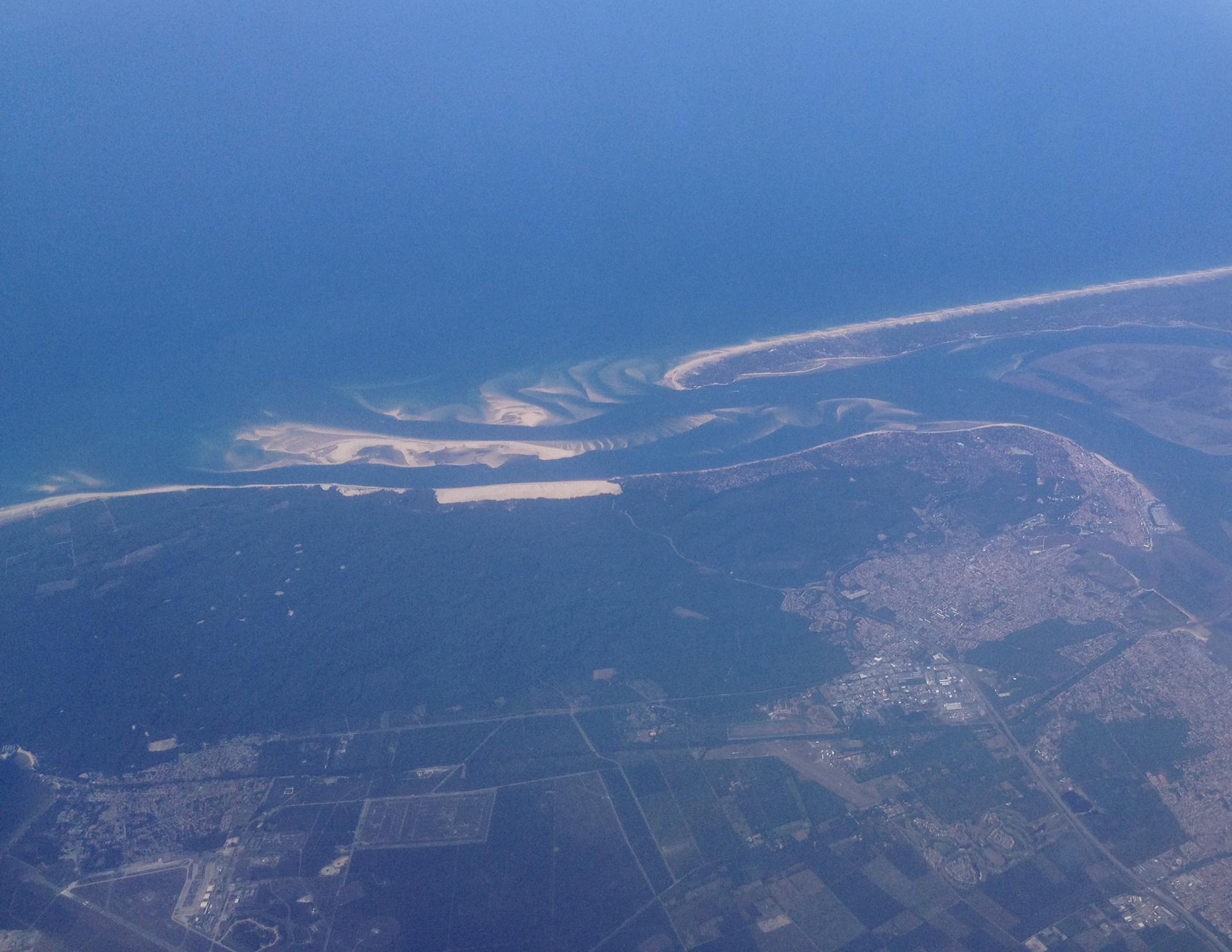
Looking beyond Huitres Fossiles? Discover Aquitaine for broader travel guides, local hot-spots, and regional highlights.
Explore Aquitaine
Discover the charm of Bordeaux at Château Lamothe de Haux, a family-run vineyard offering tours, tastings, and a glimpse into centuries of winemaking tradition in the heart of Entre-Deux-Mers.
Discover the sweet secrets of Bordeaux at Château du Cros, a historic Loupiac estate offering exquisite wine tastings and stunning views of the Garonne Valley.
