

Chanet dolmen Travel Guide
Free Guide: Explore the ancient Chanet Dolmen in Ardèche, France, a captivating window into Neolithic life with stunning views of the Gorges de l'Ardèche, offering a unique historical and natural experience.


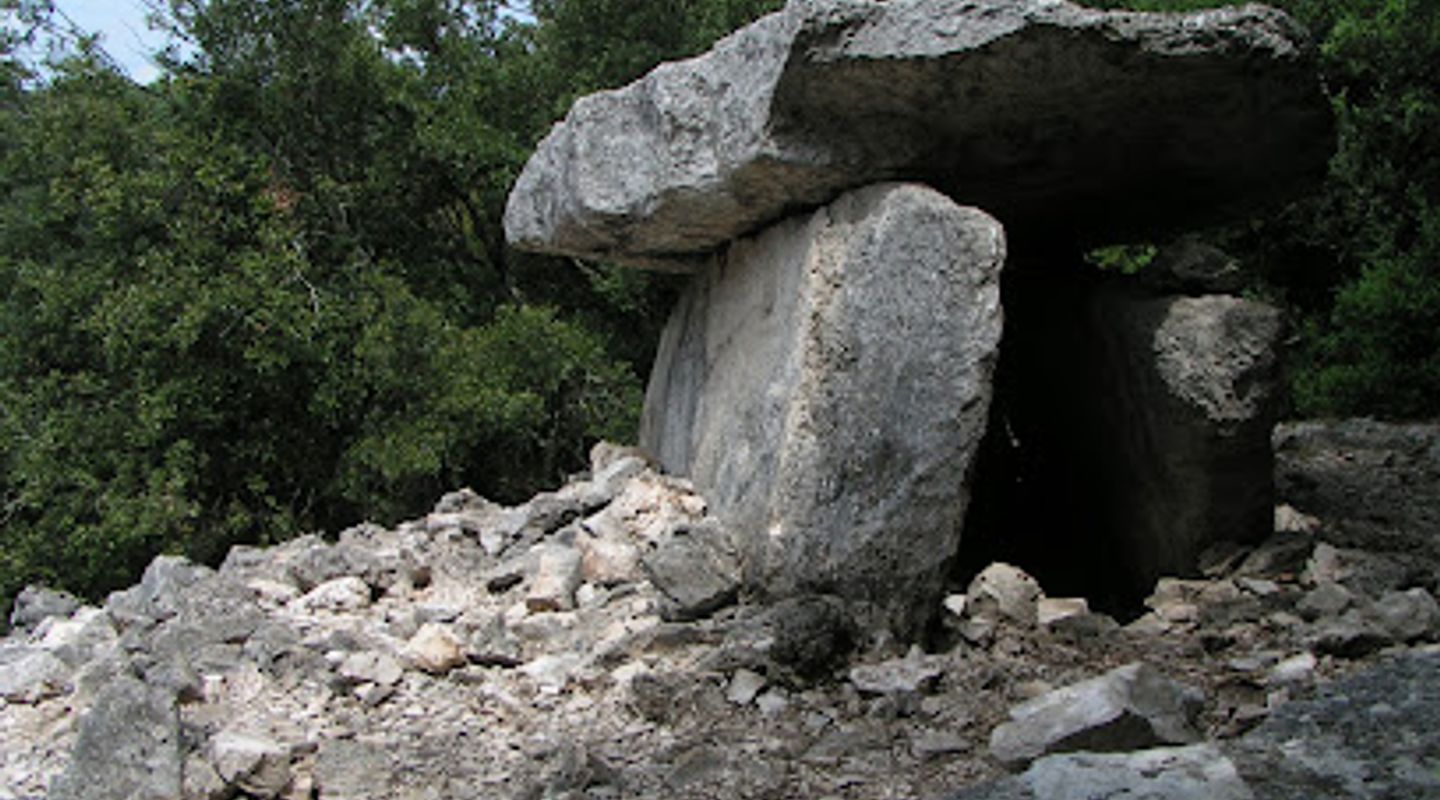
A brief summary of Chanet dolmen
Explore the ancient Chanet Dolmen in Ardèche, France, a captivating window into Neolithic life with stunning views of the Gorges de l'Ardèche, offering a unique historical and natural experience.
The Chanet Dolmen, nestled in the Ardèche region of France, offers a captivating glimpse into Neolithic life. Dating back thousands of years, this megalithic tomb stands as a testament to the area's rich prehistoric heritage. Located near Saint-Remèze, the dolmen is accessible via a scenic hike through the Gorges de l'Ardèche, rewarding visitors with stunning panoramic views. The dolmen itself, constructed from massive stone slabs, served as a communal burial chamber, reflecting the social structures and funerary practices of early agricultural communities. Exploring the Chanet Dolmen provides a unique opportunity to connect with the distant past and appreciate the enduring legacy of human civilization in this beautiful corner of France. The site is a reminder that the Ardèche is not only about dramatic landscapes but also about a deep and fascinating history waiting to be uncovered. It's a rewarding experience for history enthusiasts and nature lovers alike.
- Address
- 07700 Saint-Remèze
Getting there
Driving
Walking
Discover more about Chanet dolmen
Overview
The Chanet Dolmen, a remarkable historical landmark near Saint-Remèze in the Ardèche region of France, invites travelers to step back in time and explore the mysteries of the Neolithic era. This ancient megalithic tomb, dating back thousands of years, offers a tangible connection to the lives and beliefs of the early inhabitants of this land. Ardèche, known for its stunning gorges and picturesque villages, also holds a significant place in prehistoric history. The region boasts one of the highest concentrations of dolmens in France, with nearly 900 scattered across its varied terrain. These dolmens, silent witnesses to the past, provide invaluable insights into the social structures, burial practices, and spiritual beliefs of Neolithic communities. The Chanet Dolmen, listed as a historical monument since 1889, is a particularly compelling example of these ancient structures. Perched on the slopes of the Gorges de l'Ardèche, it offers not only a glimpse into the past but also breathtaking panoramic views of the surrounding landscape. The dolmen's location, overlooking the dramatic cliffs and winding river, adds to its mystique and allure. Constructed from massive limestone slabs, the Chanet Dolmen exemplifies the ingenuity and engineering skills of Neolithic people. These early builders, using only rudimentary tools and techniques, managed to transport and assemble these enormous stones to create a lasting monument to their dead. The dolmen's structure typically consists of a large capstone supported by several upright stones, forming a chamber that served as a communal burial site. Dolmens were not merely tombs; they were also places of ritual and remembrance. Archaeological evidence suggests that these sites were used for ceremonies and gatherings, where the living honored their ancestors and maintained a connection with the spirit world. The placement of offerings and the careful arrangement of the deceased within the dolmen reflect the complex beliefs and social hierarchies of Neolithic society. Visiting the Chanet Dolmen is an immersive experience that engages the senses and sparks the imagination. As you approach the site, you'll be struck by the sheer scale and permanence of the structure. The weathered stones, bearing the marks of time and the elements, evoke a sense of awe and wonder. Standing within the dolmen's chamber, you can almost feel the presence of those who came before, their stories etched into the very stones. The hike to the Chanet Dolmen is an integral part of the experience. The trail winds through the rugged landscape of the Gorges de l'Ardèche, offering stunning views of the cliffs, forests, and river below. The path is well-marked and relatively easy to navigate, making it accessible to a wide range of visitors. Along the way, you'll encounter diverse flora and fauna, adding to the natural beauty of the surroundings. The area around Saint-Remèze is rich in other attractions, making it an ideal base for exploring the Ardèche region. The nearby Aven d'Orgnac, a spectacular cave system, offers a fascinating glimpse into the subterranean world. The Grotte de la Madeleine, another impressive cave, is known for its stunning rock formations and underground river. For those interested in local culture, the village of Saint-Remèze itself is worth a visit, with its charming streets, historic church, and traditional architecture. The Chanet Dolmen is more than just an ancient monument; it's a gateway to understanding the lives and beliefs of our ancestors. It's a place where history and nature intertwine, creating a unique and unforgettable experience. Whether you're a history enthusiast, a nature lover, or simply seeking a moment of reflection, the Chanet Dolmen is sure to leave a lasting impression. To fully appreciate the significance of the Chanet Dolmen, it's helpful to understand the broader context of megalithic culture in Europe. During the Neolithic period, which began around 10,000 BCE, agricultural communities emerged across the continent, leading to significant changes in social organization, technology, and belief systems. The construction of megalithic monuments, such as dolmens, was a widespread phenomenon during this era, reflecting the growing importance of ancestor worship, communal identity, and territorial claims. While the exact purpose and meaning of dolmens may vary from region to region, they generally served as communal burial sites, where the remains of multiple individuals were interred over time. These tombs were often located in prominent locations, such as hilltops or along trade routes, serving as visible markers of the community's presence and power. The construction of dolmens required significant labor and coordination, suggesting a high degree of social organization and cooperation. The Ardèche region, with its abundance of dolmens, provides a unique opportunity to study the diversity and complexity of megalithic culture. The dolmens in this area vary in size, shape, and construction techniques, reflecting the evolving traditions and influences of different communities. Some dolmens are simple, single-chambered structures, while others are more elaborate, with multiple chambers and surrounding enclosures. The preservation and study of dolmens are essential for understanding the history and prehistory of the Ardèche region. Archaeological excavations and surveys have revealed valuable information about the people who built and used these monuments, including their diet, health, and social customs. By protecting these sites and promoting responsible tourism, we can ensure that future generations have the opportunity to learn from and appreciate this rich cultural heritage. The Chanet Dolmen stands as a powerful symbol of the enduring connection between humans and the land. It's a reminder that the Ardèche is not only a place of natural beauty but also a place of deep historical significance. By visiting this ancient monument, you can gain a new appreciation for the ingenuity, resilience, and spiritual beliefs of the people who shaped this landscape thousands of years ago.
Evendo Review Centre
 Google
Guest reviews
Explore Chanet dolmen on the map
A handpicked selection of must-see spots near Chanet dolmen, mapped for you.
Get your free copy of our complete guide to Chanet dolmen, delivered straight to you.
Everything on this page, from opening hours and how to get there to Eve’s tips and the best time to go, in one PDF you can read offline, print or share.
Already have an account? Sign in
Your Chanet dolmen guide is ready.
We'll send it to · Not you? Sign out

Getting your guide ready…
We are putting together a fresh copy of the Chanet dolmen guide. This can take up to a minute.
This can take a few moments. If your browser asks, choose Allow so the download can start. You'll find the guide in your Downloads folder.
Nothing happened? Download it again
Sorry, the guide is taking longer than usual. Please try again in a minute, or get it by email instead.
Other nearby places you may find interesting
The closest places of the same kind, if this one is not quite what you had in mind.
-
-
-
-
-


Swipe for more places
More to explore near Chanet dolmen

 Best experiences near Chanet dolmen
 Best hotels near Chanet dolmen
 Best landmarks near Chanet dolmen
 Best attractions near Chanet dolmen
 Best shops near Chanet dolmen
 Best restaurants near Chanet dolmen
 Best bars near Chanet dolmen
Do you manage this location?
Take control to get all the benefits, like improved information, better appearance, and stronger visibility across AI-powered discovery.
Explore more
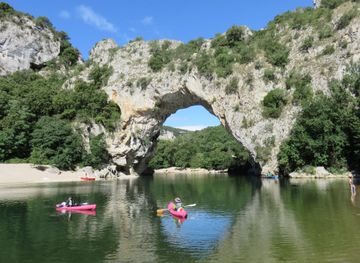
Explore more of Ardèche Gorges
Discover the Ardèche Gorges in France, a stunning natural wonder with dramatic cliffs, serene rivers, and ancient history, perfect for adventurers and nature lovers.
Explore Ardèche Gorges
Explore more of France
Explore France: A land of romance, history, and unparalleled beauty, from the iconic streets of Paris to the serene landscapes of Provence and the luxury of the French Riviera.
Explore France
