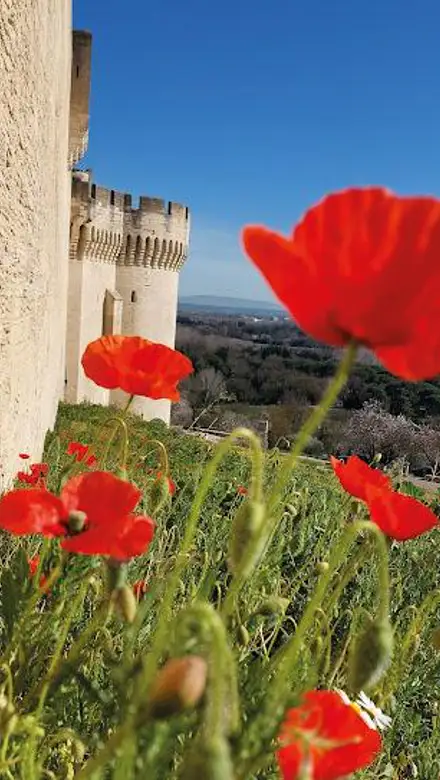
Fort Saint-André, Avignon Travel Guide
Free Guide: Explore Fort Saint-André in Villeneuve-lès-Avignon: a medieval fortress with panoramic views, rich history, and serene gardens, offering a unique Provençal experience.


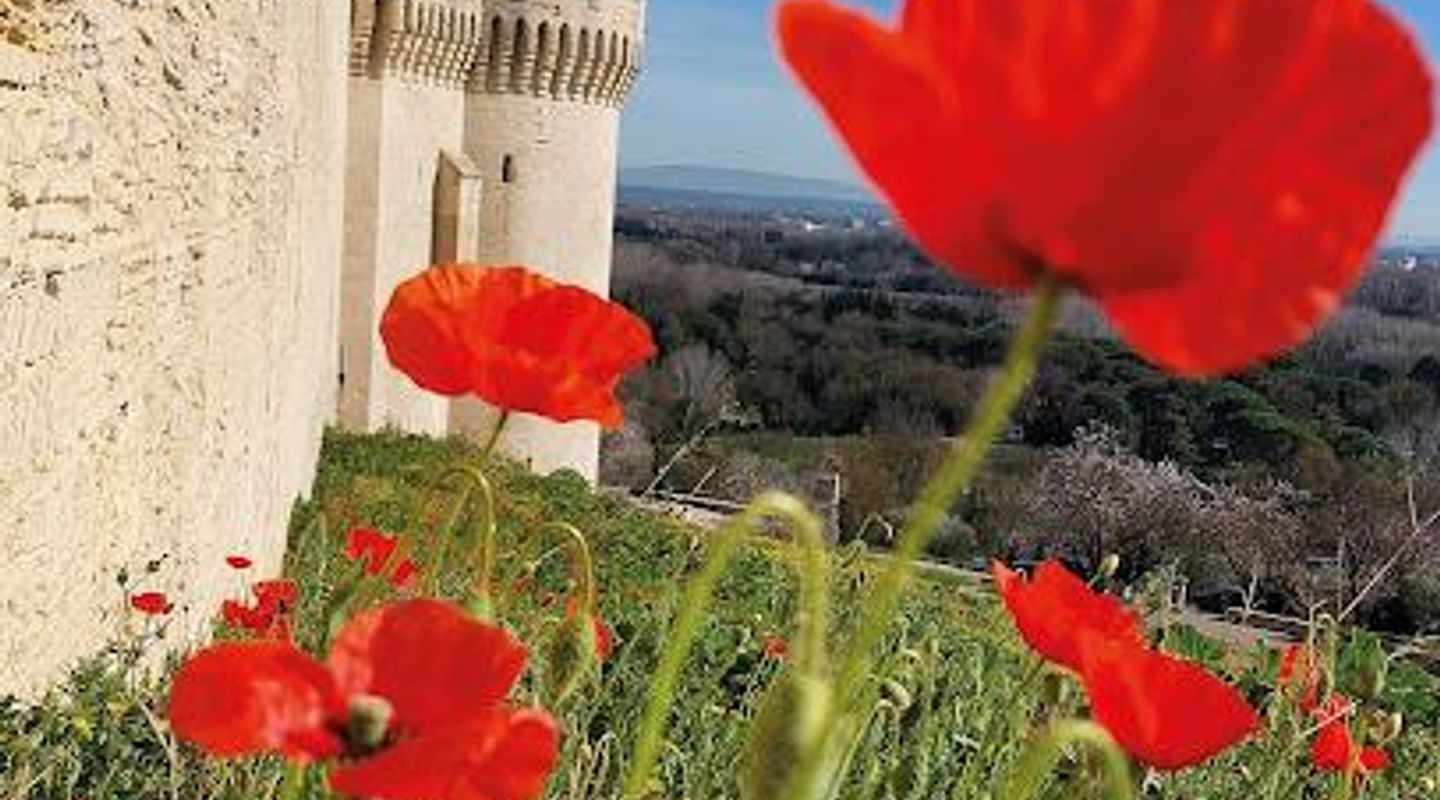
A brief summary of Fort Saint-André
Explore Fort Saint-André in Villeneuve-lès-Avignon: a medieval fortress with panoramic views, rich history, and serene gardens, offering a unique Provençal experience.
Fort Saint-André, a commanding medieval fortress in Villeneuve-lès-Avignon, stands as a testament to French royal power during the 14th century. Built by King Philip the Fair, it was strategically positioned to assert control over the papacy in Avignon and the vital Rhône trade route. The fort offers visitors a captivating journey through history, with well-preserved ramparts, towers, and the Romanesque Chapel of Notre-Dame de Belvezet. Explore the graffiti etched into the stones by past occupants, wander through the serene gardens, and soak in the breathtaking 360° panoramic views of the Rhône Valley, Mont Ventoux, Avignon, and the Alpilles. A visit to Fort Saint-André provides a unique blend of historical immersion and scenic beauty, making it a must-see destination for those exploring Provence.
Opening hours
- Every day10 am–1 pm, 2 pm–5 pm
Opening hours as listed on the venue’s Google Business Profile. Hours can change for services and special events, so check with the venue before you go.
- Address
- 57A Rue Mnt du Fort, 30400 Villeneuve-lès-Avignon
- Phone
- Website
Getting there
Public Transport
Taxi/Ride-Share
Driving
Walking
Discover more about Fort Saint-André
Overview
Perched atop Mont Andaon in Villeneuve-lès-Avignon, Fort Saint-André is a formidable medieval fortress with a rich and storied past. Constructed in the 14th century by King Philip the Fair of France, its primary purpose was to keep a watchful eye on the papacy residing in nearby Avignon and to control the critical Rhône River, a major trade artery. Today, the fort stands as a remarkable example of French military architecture and offers visitors a fascinating glimpse into the region's complex history. Originally, the site was home to the Benedictine Abbey of Saint-André, founded in the 10th century. Recognizing the strategic importance of the location, Philip the Fair negotiated an agreement with the abbey to build a fortress alongside it. Construction began in the early 1300s, resulting in the imposing structure that dominates the landscape today. The fort's design reflects the military engineering of the time, featuring a massive defensive enclosure, towering ramparts, machicolations, and sturdy gates. Throughout its history, Fort Saint-André served as a symbol of French royal authority, a counterpoint to the power of the Avignon papacy. The fort housed a permanent garrison, a court of justice, and even a prison, underscoring its role in maintaining order and asserting control over the region. Its strategic location provided unparalleled views of the Rhône Valley, allowing the French monarchy to monitor river traffic and movements in and out of Avignon. Visitors to Fort Saint-André can explore the well-preserved remains of this medieval fortress. Walking along the ramparts, one can imagine the soldiers who once stood guard, scanning the horizon for potential threats. The Tour des Masques, one of the fort's imposing towers, offers particularly stunning views of the surrounding landscape. Inside the fort, the Romanesque Chapel of Notre-Dame de Belvezet provides a serene space for reflection, its ancient stones whispering tales of centuries past. One of the unique aspects of Fort Saint-André is the graffiti etched into its walls by former prisoners and occupants. These carvings, ranging from religious symbols to maritime scenes, offer a fascinating glimpse into the lives and thoughts of those who once resided within the fort's walls. Exploring these hidden stories in stone adds another layer of intrigue to the visitor experience. The gardens within Fort Saint-André provide a tranquil oasis amidst the imposing architecture. These meticulously maintained gardens offer a variety of Mediterranean plants, sculptures, and water features, creating a peaceful setting for contemplation and relaxation. From the gardens, visitors can enjoy panoramic views of Avignon, the Rhône River, and the surrounding countryside. From the top of the parapet walk, the Palais des Papes across the way is clearly visible, as is the Philippe le Bel Tower, the Chartreuse monastery, and the Saint-André Abbey encompassed within the fort's defensive walls. The strategic position of the fort is evident from every vantage point. Allow ample time to explore the fort's various features, including the Romanesque chapel, the defensive enclosure, and the Tour des Masques. Comfortable shoes are recommended, as there are numerous steps and uneven surfaces to navigate. Consider visiting during the shoulder seasons (spring or fall) to avoid the summer crowds and enjoy pleasant weather. Fort Saint-André is more than just a historical monument; it is a living testament to the power struggles and cultural exchanges that shaped the region. Its imposing architecture, stunning views, and rich history make it a must-see destination for anyone exploring Provence. Whether you are a history buff, a nature lover, or simply seeking a unique and memorable experience, Fort Saint-André will leave a lasting impression. The fort's significance extends beyond its military role. It also played a part in the religious and cultural life of the region. The presence of the Benedictine abbey within the fort's walls created a unique blend of secular and spiritual influences. The abbey's monks contributed to the intellectual and artistic life of the area, while the fort provided a safe haven for religious pilgrims and travelers. Today, Fort Saint-André stands as a symbol of resilience, adaptation, and the enduring power of human ingenuity. Its stones have witnessed centuries of change, from the medieval era to the French Revolution and beyond. As visitors wander through its halls and gardens, they can connect with the past and gain a deeper appreciation for the rich tapestry of human history. Visiting Fort Saint-André is an immersive experience that engages all the senses. The scent of Mediterranean herbs fills the air, the sound of birdsong echoes through the gardens, and the touch of ancient stone connects visitors to the past. It is a place where history comes alive, where the beauty of nature intertwines with the grandeur of architecture, and where the spirit of Provence can be truly felt. Whether you are a seasoned traveler or a first-time visitor to France, Fort Saint-André offers an unforgettable experience that will stay with you long after you leave. Its unique blend of history, scenery, and cultural significance makes it a true gem of Provence and a must-see destination for anyone seeking to explore the region's rich heritage.
Evendo Review Centre
 Google
Guest reviews
Explore Fort Saint-André on the map
A handpicked selection of must-see spots near Fort Saint-André, mapped for you.
Get your free copy of our complete guide to Fort Saint-André, delivered straight to you.
Everything on this page, from opening hours and how to get there to Eve’s tips and the best time to go, in one PDF you can read offline, print or share.
Already have an account? Sign in
Your Fort Saint-André guide is ready.
We'll send it to · Not you? Sign out

Getting your guide ready…
We are putting together a fresh copy of the Fort Saint-André guide. This can take up to a minute.
This can take a few moments. If your browser asks, choose Allow so the download can start. You'll find the guide in your Downloads folder.
Nothing happened? Download it again
Sorry, the guide is taking longer than usual. Please try again in a minute, or get it by email instead.
Unlock the best of Fort Saint-André
Skip-the-line tickets, guided tours with entry, and walking tours of the area, booked in a few clicks.

Other nearby places you may find interesting
The closest places of the same kind, if this one is not quite what you had in mind.
-
-
-
-
-


Swipe for more places
More to explore near Fort Saint-André

 Best experiences near Fort Saint-André
 Best hotels near Fort Saint-André
 Best landmarks near Fort Saint-André
 Best attractions near Fort Saint-André
 Best shops near Fort Saint-André
 Best restaurants near Fort Saint-André
 Best bars near Fort Saint-André
Do you manage this location?
Take control to get all the benefits, like improved information, better appearance, and stronger visibility across AI-powered discovery.
Explore more
Explore more of Avignon
Discover the historic charm, cultural vibrancy, and culinary delights of Avignon, the heart of Provence and a UNESCO World Heritage site.
Explore Avignon
Explore more of France
Explore France: A land of romance, history, and unparalleled beauty, from the iconic streets of Paris to the serene landscapes of Provence and the luxury of the French Riviera.
Explore France