

Château du Hâ, Bordeaux Travel Guide
Free Guide: Explore Château du Hâ in Bordeaux, a historic fortress turned judicial center, offering a glimpse into the city's medieval past and architectural evolution, despite limited public access.


A brief summary of Château du Hâ
Explore Château du Hâ in Bordeaux, a historic fortress turned judicial center, offering a glimpse into the city's medieval past and architectural evolution, despite limited public access.
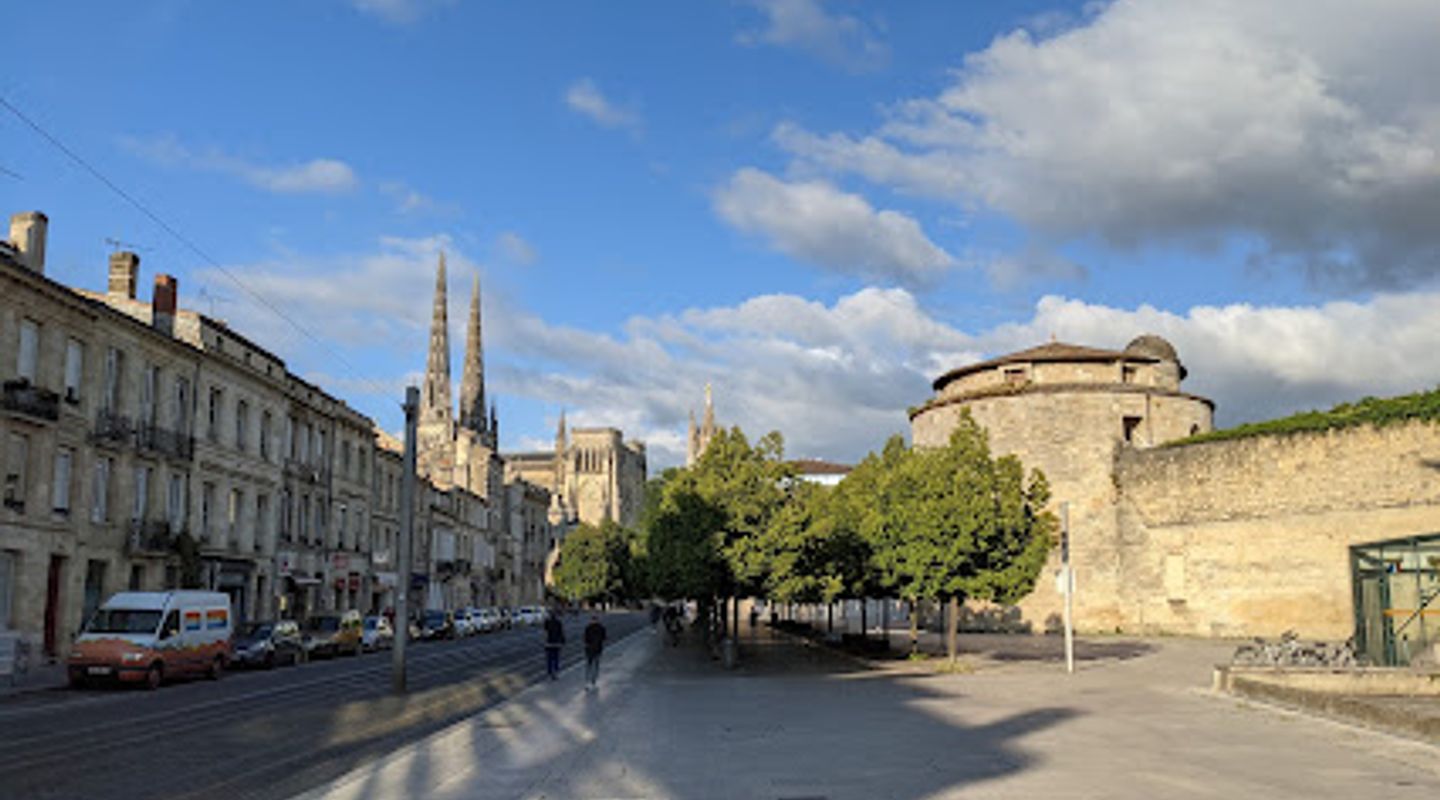
Château du Hâ, a historical landmark in Bordeaux, stands as a testament to the city's complex past. Originally built in the 15th century by Charles VII after the Hundred Years' War, it served as both a fortress to control the city and a residence for royal representatives. Over the centuries, it transformed from a military stronghold to a prison and eventually to its current function housing the École Nationale de la Magistrature and the Tribunal de Grande Instance. While only two towers remain of the original structure, they offer a glimpse into the medieval architecture and the strategic importance of the site. Although public access is limited, the exterior view provides a striking contrast between the ancient fortress and the modern city, making it a worthwhile stop for history enthusiasts exploring Bordeaux. The site is a reminder of the shifting powers and purposes that have shaped Bordeaux over the centuries.
- Address
- 10 Rue des Frères Bonie, 33000 Bordeaux
Getting there
Public Transport
Walking
Taxi/Ride-Share
Driving
Discover more about Château du Hâ
Overview
Château du Hâ, a name whispered with echoes of Bordeaux's tumultuous history, stands as a silent witness to centuries of change. Located in the heart of the city, at 10 Rue des Frères Bonie, this historical landmark offers a unique glimpse into the past, even as it functions as a modern center of justice. Originally conceived as a fortress, Château du Hâ was commissioned by King Charles VII in the aftermath of the Hundred Years' War in 1453. Following the final defeat of the English at the Battle of Castillon, Charles VII sought to secure his hold on Bordeaux, a city with a long history of English allegiance. The Château, along with its counterpart Château Trompette, was strategically built to both defend against potential English incursions and to keep the Bordelais population in check, ensuring their loyalty to the French crown. The name "Hâ" is believed to derive from the Gascon word "Far," meaning "phare" or "beacon," suggesting the presence of a signal light to guide travelers through the nearby marshes. The construction of the Château du Hâ began in 1456, with Jean des Vignes initially credited as the architect, though some evidence suggests Mathieu de Fortune may have played a more significant role. The fortress was designed to house the royal garrison, including men-at-arms, crossbowmen, and archers, solidifying royal power within the city. In 1470, it became the residence of the Duke of Guyenne, Charles de Valois, briefly transforming into a ducal palace of considerable beauty. However, this period of splendor was short-lived, ending with the Duke's death in 1472. Over the subsequent centuries, Château du Hâ played various roles in Bordeaux's history. During the religious conflicts of the 16th century, it served as a refuge for Protestants. In 1548, it was seized by insurgents during the Gabelle riots, a bloody episode in the city's past. Later, in 1650, it participated in the defense of Bordeaux against royal troops during the Fronde. King Henry IV initially ordered its demolition in 1604, fearing its strategic importance could be exploited by enemies, but he quickly reversed his decision. In 1731, the Château transitioned into a civil prison, a function it would serve for many years. During the French Revolution and the subsequent Reign of Terror, it became a state prison. The prison's grim history continued into the 20th century, serving as a site for executions during the interwar period and as a political prison during World War II. In 1835, a significant transformation began with the demolition of parts of the fortress to make way for the construction of the Palais de Justice (courthouse) and a modern prison. The architect Thiac completed the conversion into a prison in 1846. Executions by guillotine, previously held in public, were moved to the courtyard of the fort in 1918, witnessed by a select few. The prison operated until 1971 when the inmates were transferred to a new detention center in Gradignan. In 1972, the site was repurposed to house the École Nationale de la Magistrature (National School for the Judiciary), and it was designated as a historical monument. A modern building, designed by Richard Rogers, was added in 1998 to house the Tribunal de Grande Instance (High Court), creating a striking juxtaposition of medieval and contemporary architecture. Today, only two towers of the original Château du Hâ remain: the Tour des Minimes, also known as the Tour des Poudres (Powder Tower), and the Tour des Anglais, also known as the Tour du Peugue or Tour des Sorcières (Tower of the English, Tower of Peugue, or Witches' Tower). These towers, connected by a false raised bay constructed in the 18th century, offer a tangible link to the fortress's medieval past. While public access to the interior is limited due to its current function as a judicial center, the exterior can be admired from the surrounding streets, providing a compelling visual contrast between the ancient structure and the bustling modern city. Although the Château du Hâ is not freely accessible to the public, occasional tours are organized during events such as Heritage Days. Visitors can still appreciate the imposing architecture and imagine the historical events that unfolded within its walls by walking along the streets surrounding the site. The juxtaposition of the medieval towers with the modern courthouse creates a unique and thought-provoking experience, reminding us of the layers of history that have shaped Bordeaux into the vibrant city it is today. Exploring the area around Château du Hâ also offers opportunities to discover other nearby attractions. The Musée d'Aquitaine, located a short distance away, provides a comprehensive overview of the region's history. The Cathédrale Saint-André de Bordeaux, a magnificent Gothic cathedral, is also within walking distance. For those interested in wine, numerous wine bars and shops in the area offer a chance to sample the region's famous wines. Château du Hâ stands as a powerful symbol of Bordeaux's resilience and adaptability. From its origins as a royal fortress to its current role as a center of justice, it has witnessed centuries of change and transformation. While it may not be the most prominent tourist attraction in Bordeaux, it offers a unique and compelling glimpse into the city's rich and complex past, making it a worthwhile stop for history enthusiasts and anyone interested in the evolution of this remarkable city.
Evendo Review Centre
 Google
Guest reviews
Explore Château du Hâ on the map
A handpicked selection of must-see spots near Château du Hâ, mapped for you.
Get your free copy of our complete guide to Château du Hâ, delivered straight to you.
Everything on this page, from opening hours and how to get there to Eve’s tips and the best time to go, in one PDF you can read offline, print or share.
Already have an account? Sign in
Your Château du Hâ guide is ready.
We'll send it to · Not you? Sign out

Getting your guide ready…
We are putting together a fresh copy of the Château du Hâ guide. This can take up to a minute.
This can take a few moments. If your browser asks, choose Allow so the download can start. You'll find the guide in your Downloads folder.
Nothing happened? Download it again
Sorry, the guide is taking longer than usual. Please try again in a minute, or get it by email instead.
Unlock the best of Château du Hâ
Skip-the-line tickets, guided tours with entry, and walking tours of the area, booked in a few clicks.


Other nearby places you may find interesting
The closest places of the same kind, if this one is not quite what you had in mind.
-
-
-
-
-


Swipe for more places
More to explore near Château du Hâ

 Best experiences near Château du Hâ

 Best hotels near Château du Hâ

 Best landmarks near Château du Hâ

 Best attractions near Château du Hâ

 Best shops near Château du Hâ

 Best restaurants near Château du Hâ

 Best bars near Château du Hâ
Do you manage this location?
Take control to get all the benefits, like improved information, better appearance, and stronger visibility across AI-powered discovery.
Explore more

Explore more of Bordeaux
Discover Bordeaux: A blend of world-class wines, historic architecture, and vibrant culture in the heart of southwestern France.
Explore Bordeaux
Explore more of France
Explore France: A land of romance, history, and unparalleled beauty, from the iconic streets of Paris to the serene landscapes of Provence and the luxury of the French Riviera.
Explore France
