Grande-Sauve Abbey, Aquitaine Travel Guide
Explore the majestic ruins of Grande-Sauve Abbey, a UNESCO World Heritage site, and discover centuries of history, Romanesque architecture, and serene landscapes in the heart of Entre-Deux-Mers.
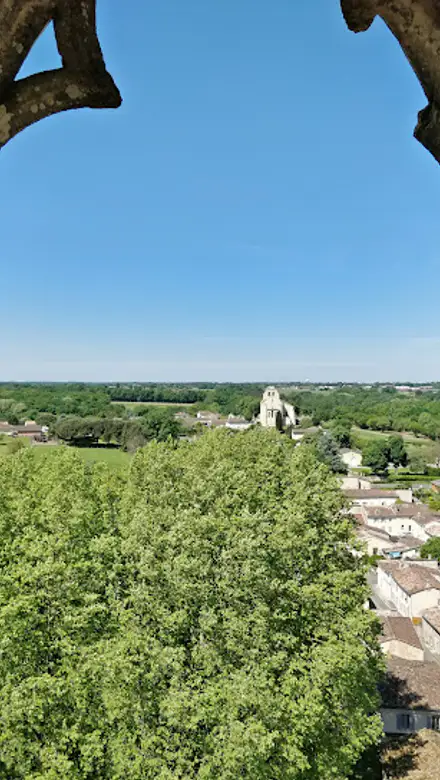
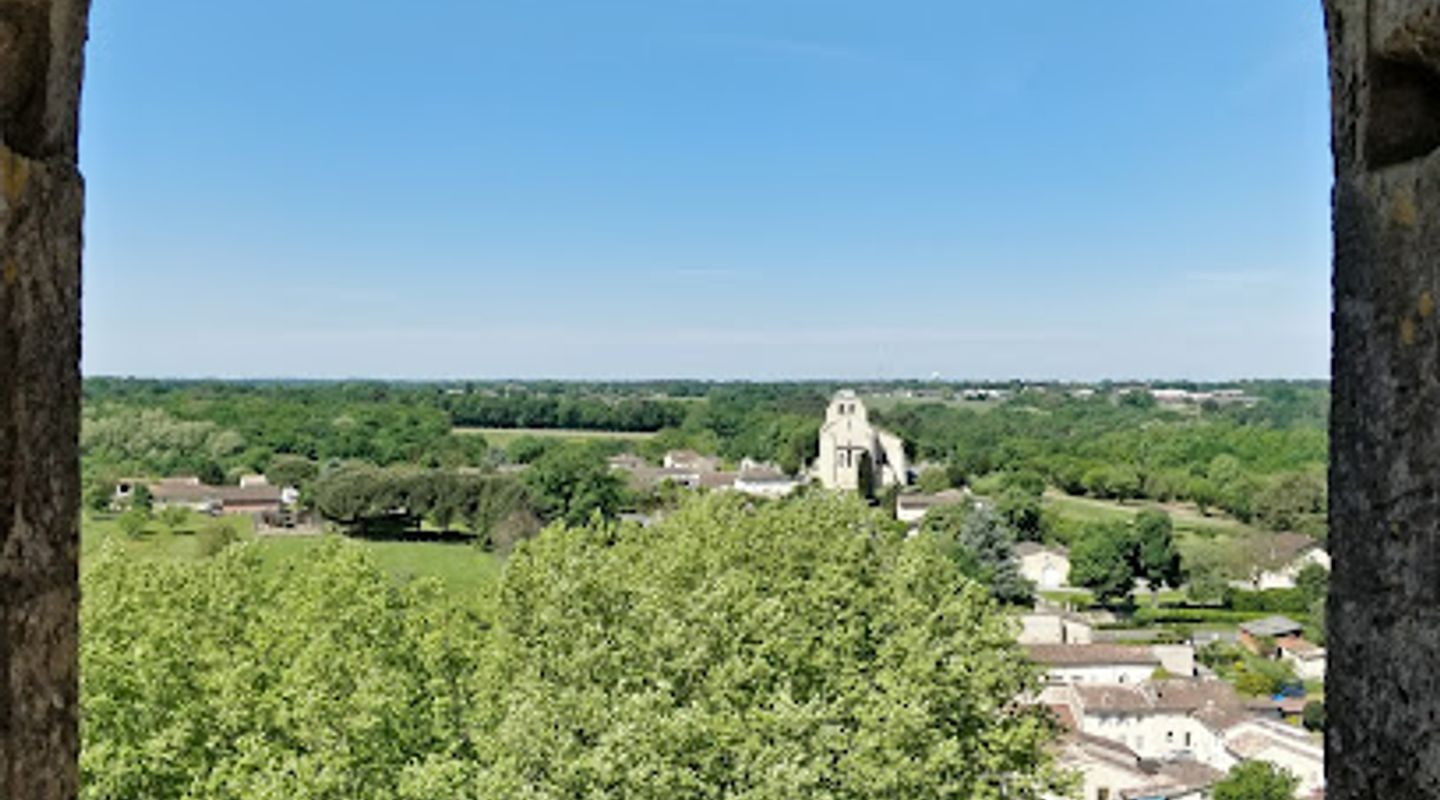
Nestled in the heart of the Entre-Deux-Mers region, a short distance from Bordeaux, the Grande-Sauve Abbey presents a captivating blend of history and architectural grandeur. Founded in 1079, this former Benedictine monastery, now a UNESCO World Heritage site, invites visitors to explore its Romanesque ruins and imagine its medieval splendor. Wander through the remnants of the abbey church, admire the intricate carvings on the surviving capitals, and climb the bell tower for panoramic views of the surrounding countryside. The abbey's serene atmosphere and historical significance make it a compelling destination for history buffs, architecture enthusiasts, and anyone seeking a peaceful escape. Discover the stories etched in stone and experience the echoes of a vibrant monastic past. The site offers a museum displaying recovered artifacts and a well-curated booklet to guide you through the grounds, enriching your understanding of this historically significant location. Don't miss the nearby village of La Sauve, with its charming church and tiny former prison.
A brief summary to Grande-Sauve Abbey
- 14 Rue de l'Abbaye, La Sauve, 33670, FR
- Click to display
- Click to display
- Monday 10 am-1:15 pm
- Tuesday 10 am-1:15 pm
- Wednesday 10 am-1:15 pm
- Thursday 10 am-1:15 pm
- Friday 10 am-1:15 pm
- Saturday 10 am-1:15 pm
- Sunday 10 am-1:15 pm

Know before you go
Hi, I'm Eve. Here are a few practical things to know before exploring Grande-Sauve Abbey.
- Climb the bell tower for panoramic views of the abbey grounds and the surrounding Entre-Deux-Mers countryside; the 157-step ascent is worth the effort.
- Visit the on-site museum to view artifacts recovered from the abbey and gain a deeper understanding of its history and significance.
- Check the abbey's event calendar for concerts, exhibitions, and guided tours that may enhance your visit.
- Combine your visit with a wine tasting at a local vineyard in the Entre-Deux-Mers region, known for its excellent white wines.
- Explore the nearby village of La Sauve, including the Saint-Pierre de La Sauve parish church and the historic, tiny former prison.
Do you manage this location?
Take control to get all the benefits, like improved information, better appearance, and stronger visibility across AI-powered discovery. Learn more about listing your business on Evendo
Activate your presenceOther nearby places you may find interesting
The closest places of the same kind, if this one is not quite what you had in mind.
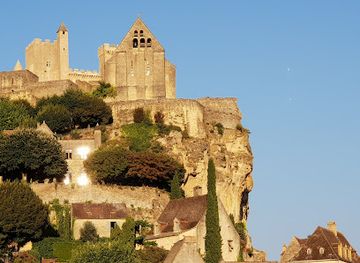
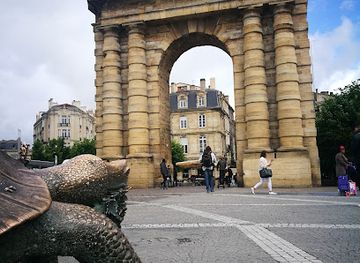
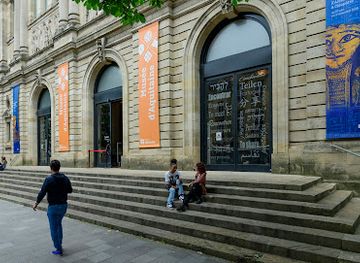
Explore Grande-Sauve Abbey on the Map
A handpicked selection of must-see spots near Grande-Sauve Abbey, mapped for you.
Unlock the Best of Grande-Sauve Abbey
Buy tickets
-
No tickets available
Book tours with entry

Book tours without entry
-
No tours available
Getting There
-
Public Transport
From Bordeaux, take the Citram Aquitaine bus line 473 towards Sauveterre-de-Guyenne. The bus departs from Place Stalingrad in Bordeaux and stops at 'Bourg' in La Sauve. The journey takes approximately 45 minutes, and the bus stop is a 7-minute walk (430 meters) from the abbey. From the 'Bourg' bus stop, walk north along the D671, then turn left onto Rue de l'Abbaye. The abbey will be on your right. A single bus fare costs approximately €3.
-
Taxi/Ride-Share
From Bordeaux city center, a taxi or ride-share to Grande-Sauve Abbey takes approximately 30 minutes, depending on traffic. The ride will cost approximately €55-€70. Provide the driver with the address: 14 Rue de l'Abbaye, 33670 La Sauve. Note that ride-sharing services may have limited availability in this rural area.
-
Driving
From Bordeaux, take the D936 east towards Créon. Continue on the D936, passing through Créon, then follow signs for La Sauve-Majeure. In La Sauve, turn onto Rue de l'Abbaye. The abbey will be on your left. Parking is available near the abbey, but spaces may be limited, especially during peak season. Parking is free.
Discover more about Grande-Sauve Abbey













Your all‑in‑one travel companion app
Explore expert travel guides, compare and book tours, experiences, hotels, and more—all from the palm of your hand. Download now for seamless trip planning wherever your wanderlust takes you.


Explore More of Aquitaine
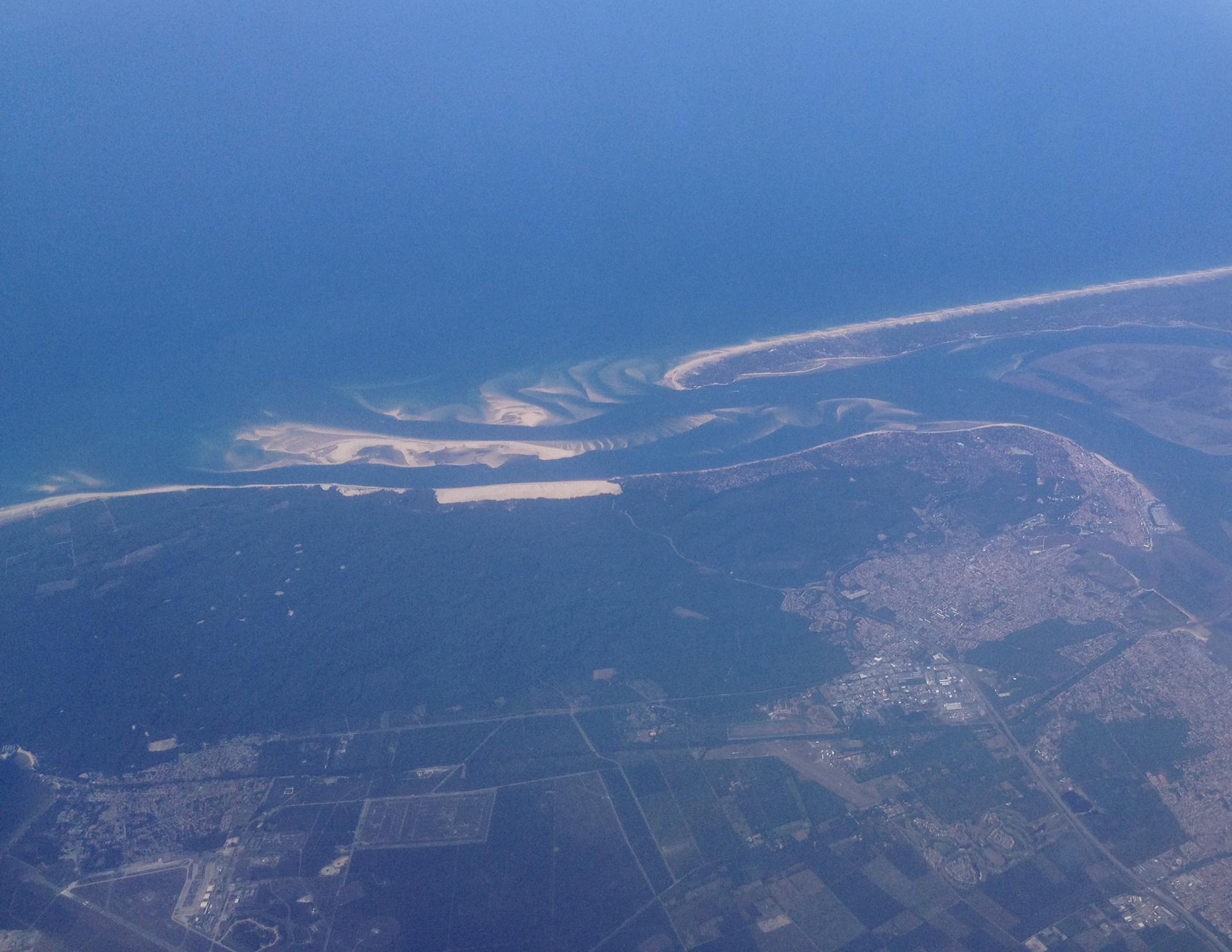
Looking beyond Grande-Sauve Abbey? Discover Aquitaine for broader travel guides, local hot-spots, and regional highlights.
Explore Aquitaine
Discover the charm of Bordeaux at Château Lamothe de Haux, a family-run vineyard offering tours, tastings, and a glimpse into centuries of winemaking tradition in the heart of Entre-Deux-Mers.

Discover the charm of Château de Castelneau, a historic Bordeaux vineyard offering exquisite wines, guided tours, and a tranquil escape in the heart of Entre-deux-Mers.