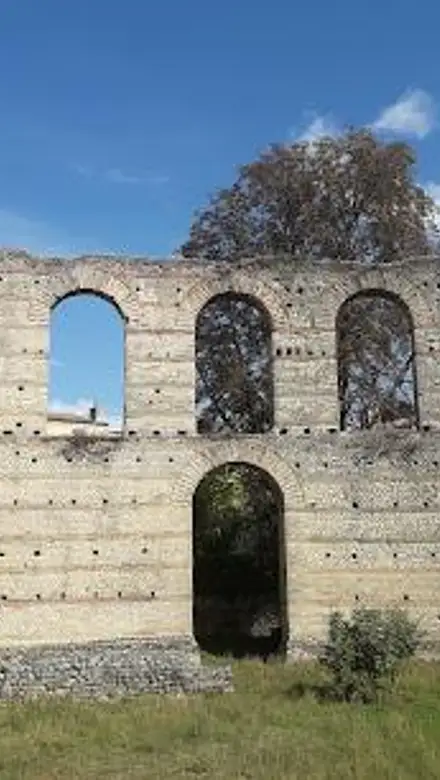
Palais Gallien, Bordeaux Travel Guide
Explore the captivating ruins of Bordeaux's Roman amphitheater, the Palais Gallien, and step back in time to discover the city's ancient past and enduring legacy.
Step back in time at the Palais Gallien, the evocative ruins of Bordeaux's Roman amphitheater. Built in the 2nd century AD, this once-grand structure hosted gladiatorial contests and public spectacles, accommodating up to 15,000 spectators. Though now partially enveloped by the city, the remaining arches and walls offer a tangible connection to Bordeaux's ancient past. Explore the site freely, imagining the vibrant atmosphere of Roman Burdigala. The Palais Gallien stands as a testament to the city's enduring history, a captivating blend of ancient grandeur and modern urban life. Wander through the grounds, discover the information panels detailing its history, and soak in the unique atmosphere where Roman history meets contemporary Bordeaux. It's a must-see for history buffs and anyone seeking a glimpse into the city's rich heritage.
A brief summary to Palais Gallien
- 126 Rue du Dr Albert Barraud, Bordeaux, 33000, FR
- Click to display
- Click to display

Know before you go
Hi, I'm Eve. Here are a few practical things to know before exploring Palais Gallien.
- Visit early in the morning or late afternoon to avoid crowds and enjoy a more tranquil experience of the ruins.
- Check the official Bordeaux tourism website for information on guided tours and special events held at the Palais Gallien.
- Combine your visit with a stroll through the nearby Jardin Public for a relaxing break.
- Take advantage of the free admission to explore the site and learn about its history through the information panels.
- Capture stunning photos of the ruins by framing them against the backdrop of the surrounding 18th-century houses.
Do you manage this location?
Take control to get all the benefits, like improved information, better appearance, and stronger visibility across AI-powered discovery. Learn more about listing your business on Evendo
Activate your presenceOther nearby places you may find interesting
The closest places of the same kind, if this one is not quite what you had in mind.
Explore Palais Gallien on the Map
A handpicked selection of must-see spots near Palais Gallien, mapped for you.
Unlock the Best of Palais Gallien
Buy tickets
-
No tickets available
Book tours with entry


Getting There
-
Public Transport
From Place des Quinconces, a central transport hub, take Tram Line B towards Pessac Centre. Disembark at the 'Gambetta' stop. From there, walk southwest along Rue de la Rousselle, then turn right onto Rue du Dr Albert Barraud. The Palais Gallien will be on your left. A single tram ticket costs €1.80 and is valid for one hour, allowing unlimited transfers.
-
Walking
From the Jardin Public, exit the park and walk north along Rue du Dr Albert Barraud. Continue for approximately 500 meters, and the Palais Gallien will be on your right. This is a straightforward walk of about 10-15 minutes. No costs are associated with walking.
-
Taxi/Ride-Share
From Gare de Bordeaux-Saint-Jean, a taxi or ride-share to Palais Gallien will take approximately 5-10 minutes, depending on traffic. Expect to pay between €11-€14. There are no tolls on this route.
-
Driving
If driving, be aware that parking near Palais Gallien is limited. Street parking is available, but can be difficult to find. Paid parking is available at Parking Fondaudège Palais Gallien (128 rue Fondaudège), which costs approximately €20 per day. Access to the parking is via Rue Albert Barraud. Consider using a park-and-ride facility on the outskirts of the city and taking the tram to avoid city center traffic and parking challenges. A park-and-ride ticket costs €5 (for 1 to 5 people) and includes a discount at selected park-and-ride facilities: 3.5 euros for 1 to 7 people.
Discover more about Palais Gallien













Your all‑in‑one travel companion app
Explore expert travel guides, compare and book tours, experiences, hotels, and more—all from the palm of your hand. Download now for seamless trip planning wherever your wanderlust takes you.


Explore More of Bordeaux
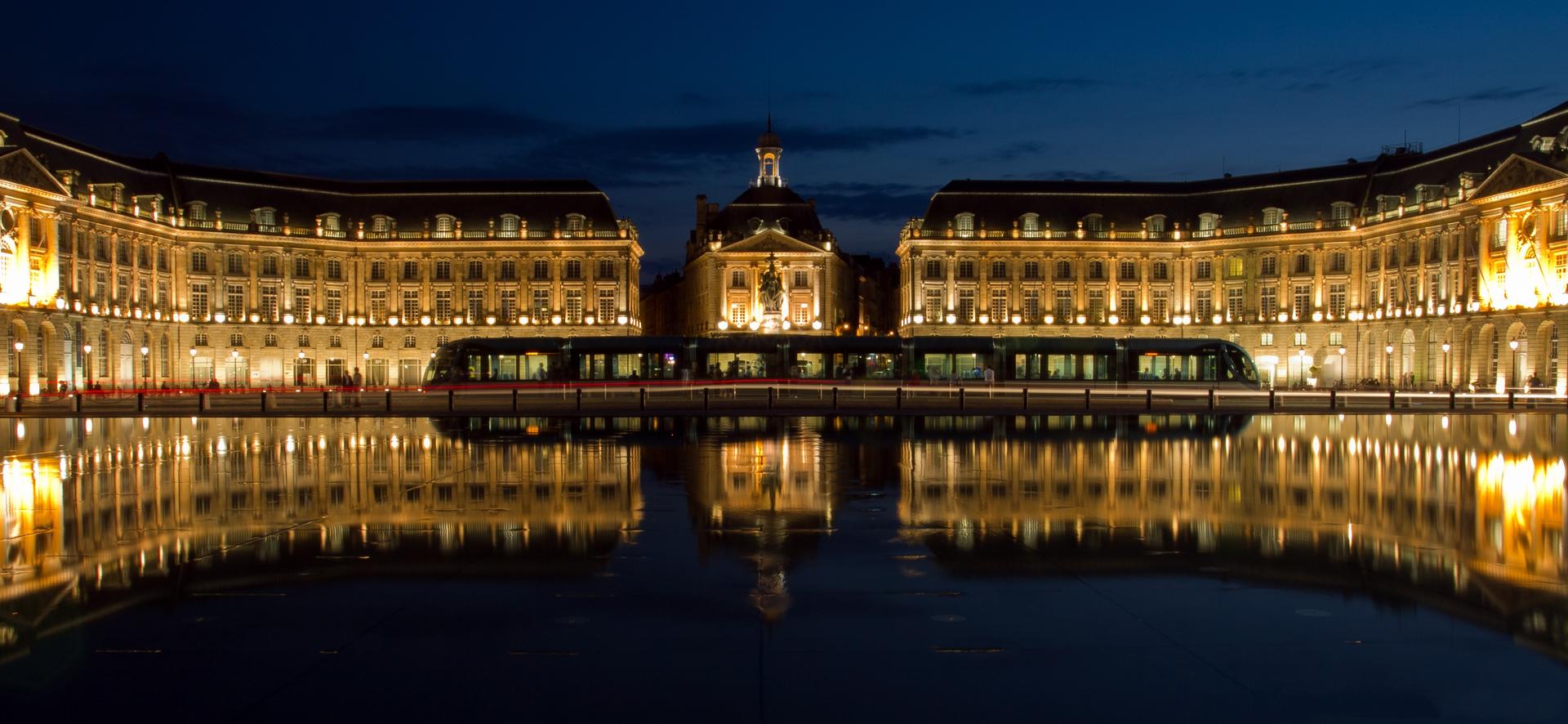
Looking beyond Palais Gallien? Discover Bordeaux for broader travel guides, local hot-spots, and regional highlights.
Explore Bordeaux
Discover the majestic Cyprès Chauve, a remarkable tree in Bordeaux, offering a tranquil escape and a connection to the city's natural heritage on Rue Camille Godard.
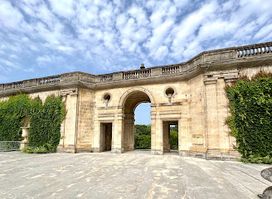
Discover a world of botanical wonders at Bordeaux's Jardin Botanique: explore diverse plant collections, engage in educational workshops, and escape to a tranquil oasis in the city center.