Grosse Cloche: Bordeaux's Enduring Symbol
Discover Bordeaux's iconic Grosse Cloche, a historic gate and belfry that has witnessed centuries of the city's evolution, offering panoramic views and a glimpse into its rich past.
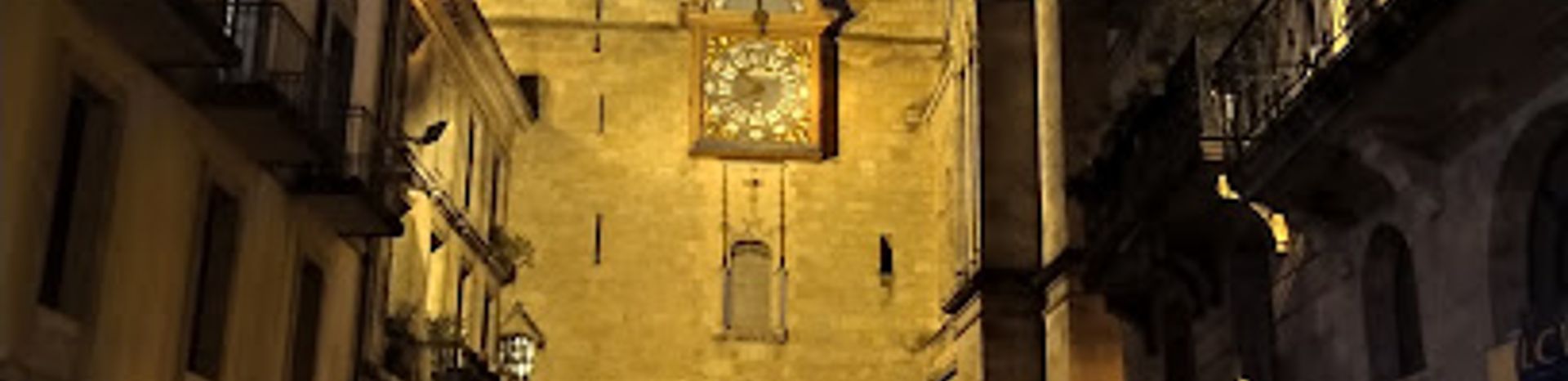
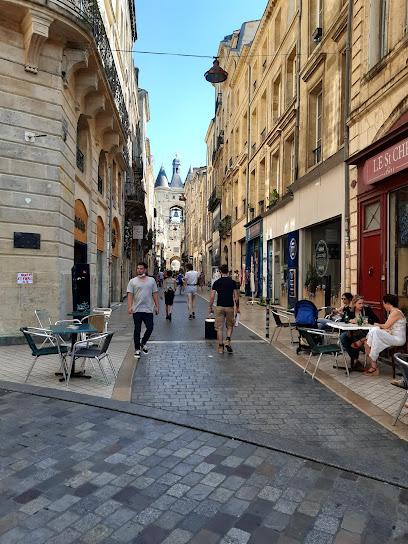
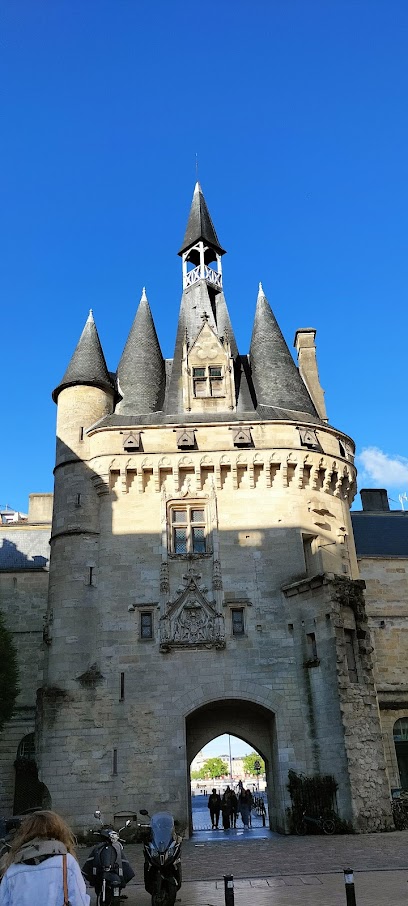
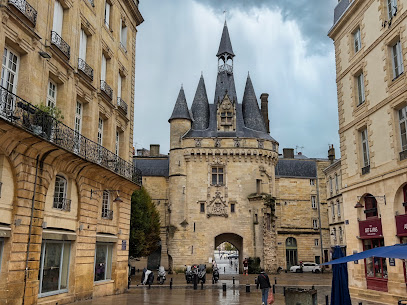
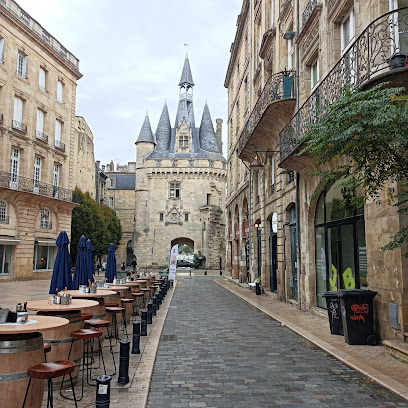
The Grosse Cloche, or Great Bell, is one of Bordeaux's most iconic landmarks, a vestige of the city's medieval defenses. Dating back to the 13th century, this historic gate and belfry has witnessed centuries of Bordeaux's evolution. Its two imposing towers, topped with conical roofs, house a massive bell, 'Armande-Louise,' which still tolls on special occasions. More than just a historical monument, the Grosse Cloche embodies the spirit of Bordeaux, its resilience, and its rich cultural heritage. A visit offers a glimpse into the city's past and a chance to admire its architectural grandeur. Wander through the nearby Saint-Éloi district, soak in the atmosphere, and capture memorable photos of this enduring symbol.
A brief summary to Grosse Cloche
- Rue Saint-James, Bordeaux, 33000, FR
- +33556006600
- Visit website
- Monday 3:15 pm-3:45 pm
- Saturday 10:30 am-11 am
Local tips
- Check the visiting schedule in advance, as guided tours are only available on Saturdays and during specific periods.
- Wear comfortable shoes for the climb to the top of the Grosse Cloche, as it involves navigating narrow staircases.
- Explore the surrounding Saint-Éloi district, known for its charming streets, boutiques, and restaurants.
- Listen for the bell 'Armande-Louise' to toll on special occasions, a reminder of Bordeaux's rich history and traditions.
- Book your guided tour in advance, as spots are limited to small groups.

Getting There
-
Walking
The Grosse Cloche is centrally located and easily accessible on foot from most points within Bordeaux's city center. From Place de la Bourse, walk southwest along Cours d'Alsace-et-Lorraine, then turn right onto Rue Saint-James. The Grosse Cloche will be on your left. The walk is approximately 15 minutes. From the Musée d'Aquitaine, walk north on Rue de Guienne, then turn left onto Rue Saint-James. The Grosse Cloche will be on your right. The walk is approximately 5 minutes.
-
Public Transport
The closest tram stop to the Grosse Cloche is Musée d'Aquitaine (Line B). From the tram stop, walk north on Rue de Guienne, then turn left onto Rue Saint-James. The Grosse Cloche will be on your right. A single tram ticket costs €1.80 and is valid for one hour, allowing transfers between trams and buses. Tickets can be purchased at tram stops or via the TBM app.
-
Taxi/Ride-Share
Taxis and ride-sharing services are readily available throughout Bordeaux. A taxi ride from the Gare de Bordeaux Saint-Jean (train station) to the Grosse Cloche typically costs between €12 and €18, depending on traffic. Ride-sharing services like Uber may offer slightly lower fares. Be sure to confirm the fare before starting your journey.
-
Driving
Driving directly to the Grosse Cloche is not recommended due to limited parking and pedestrianized streets in the immediate vicinity. If driving, consider parking at Parking Victor Hugo (Cours Victor Hugo) or another nearby parking garage and walking the remaining distance. Parking rates at Parking Victor Hugo are approximately €0.80 per 15 minutes for the first 3 hours, then €0.60 per 15 minutes, with a daily maximum of €24.
Discover more about Grosse Cloche
Iconic landmarks you can’t miss

Staycity Aparthotel Bordeaux City Centre
0.2 km
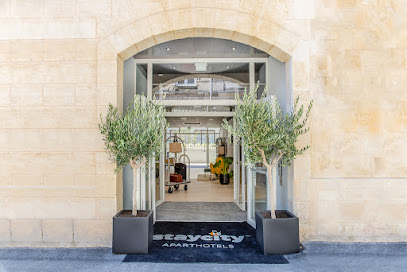
Modern aparthotel in Bordeaux's historic center, offering comfortable studios and easy access to top attractions and transport hubs.
Sites & Cités remarquables de France
0.3 km
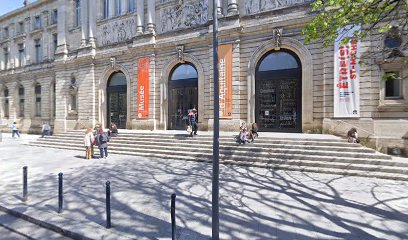
Experience the essence of Bordeaux through the Sites & Cités Remarquables de France, where history and culture intertwine in stunning architectural beauty.
Wine Ambassador
0.3 km
Explore Bordeaux's wine heritage with Wine Ambassador, offering immersive vineyard tours and tastings in the heart of France's premier wine region.
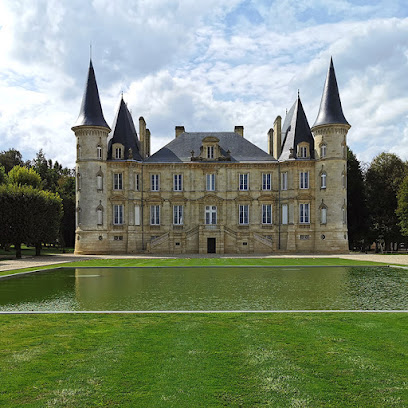
Pl. Général Sarrail
0.3 km
Experience the vibrant heart of Bordeaux at Place Général Sarrail, a lively square near the iconic Rue Sainte-Catherine.
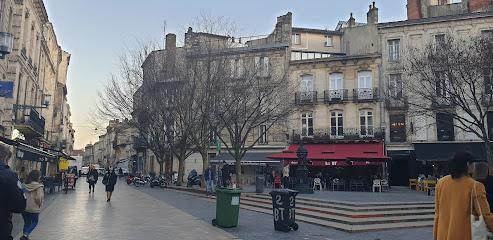
Bordeaux rue de l ombriére
0.4 km
Discover Place du Palais in Bordeaux, a historic square where medieval grandeur meets neoclassical elegance, offering a serene escape into the city's past.
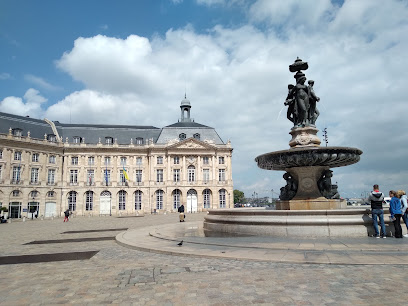
Pl. de la Victoire
0.5 km
Experience the vibrant heart of Bordeaux at Place de la Victoire, a historic square blending grand architecture with lively modern culture.
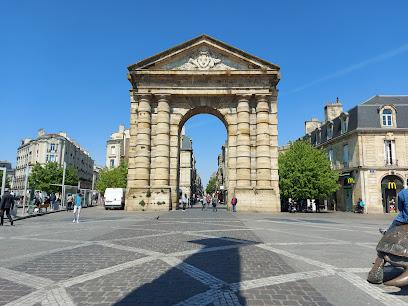
Saint Peter's Square
0.5 km
Discover the historical charm of Saint Peter's Square in Bordeaux, a vibrant hub with stunning architecture and a lively atmosphere.
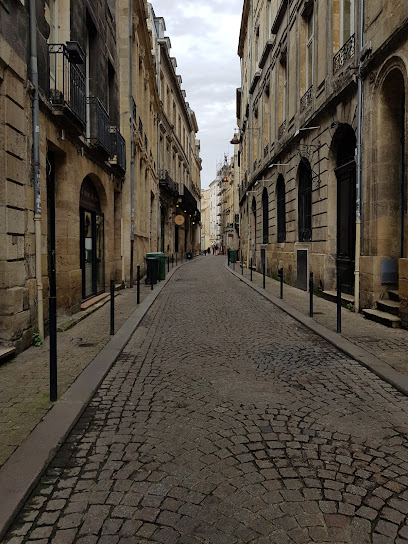
RUSTIC VINES - 33000
0.5 km
Experience the beauty of Bordeaux through tailored wine tours that immerse you in the region's rich culture and exquisite flavors.
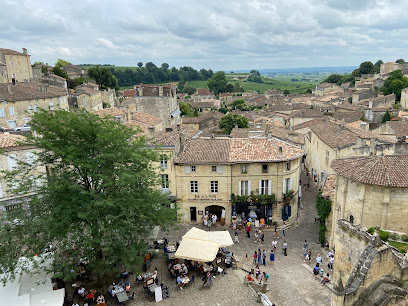
Statue of Jacques Chaban Delmas
0.5 km
A tribute to Jacques Chaban-Delmas, long-serving mayor and Prime Minister, in the heart of Bordeaux's historic Place Pey-Berland.
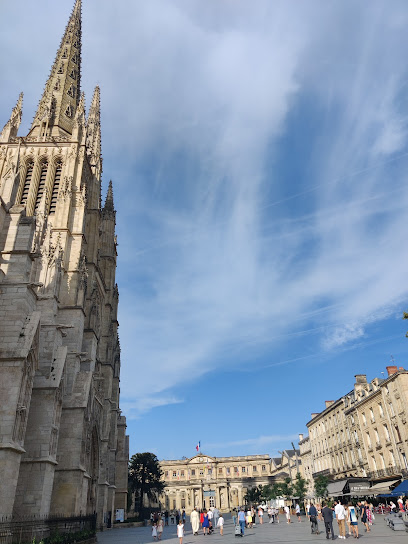
Saint-Michel
0.5 km
Explore Saint-Michel in Bordeaux: a vibrant district with a rich history, stunning basilica, and bustling markets.
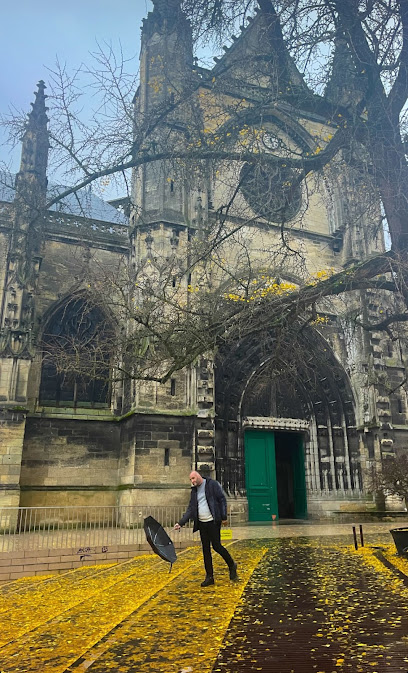
Place Duburg
0.6 km
Experience the vibrant atmosphere of Place Duburg in Bordeaux, a historic square filled with culture and charm, near the iconic Basilica of St. Michael.
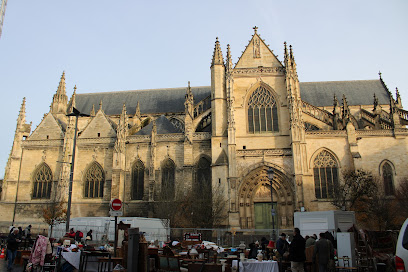
Cathédrale Saint-André de Bordeaux
0.6 km
Discover Bordeaux's Cathédrale Saint-André: a Gothic masterpiece with royal history, stunning architecture, and a vibrant cultural presence in the heart of the city.
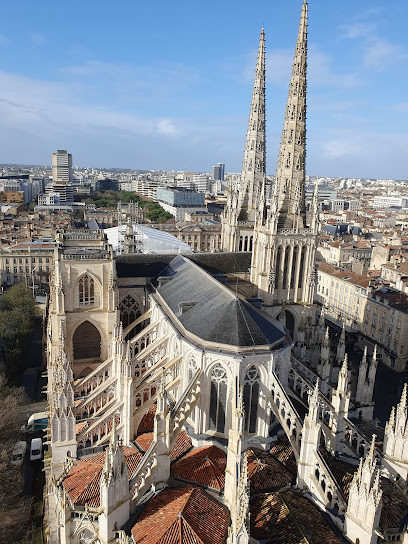
Fontaine de la Grave
0.6 km
Discover the Fontaine de la Grave in Bordeaux: a historic fountain symbolizing the city's connection to water and architectural beauty.
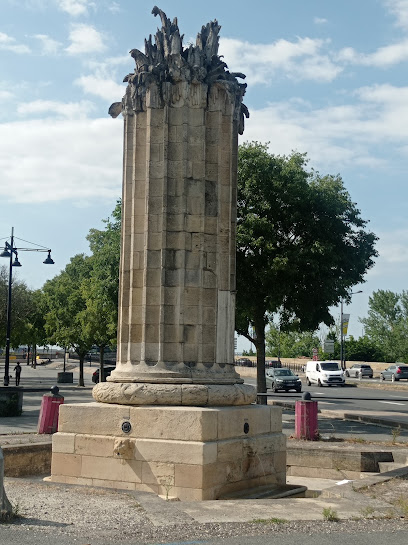
Pl. Pey Berland
0.6 km
Discover Bordeaux's central square: a vibrant hub of history, architecture, and culture, crowned by the iconic Pey Berland Tower.
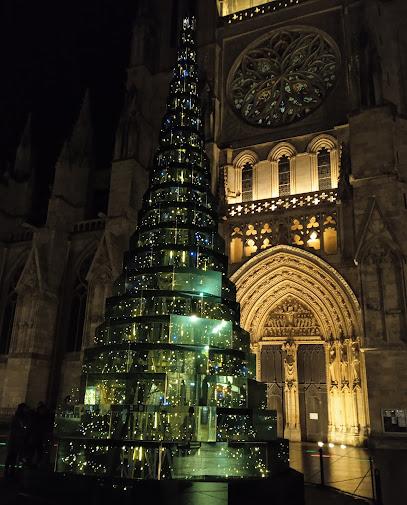
Fontaine du Parlement
0.6 km
A stunning neo-Baroque fountain in Bordeaux's Place du Parlement, designed by Louis-Michel Garros and adorned with sculptures by Edmond Prévot.
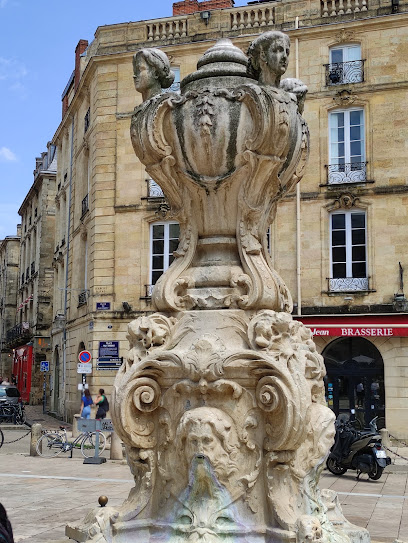
Unmissable attractions to see

Bordeaux
0.1 km
Explore the enchanting historical landmarks and vibrant culture of Bordeaux, a UNESCO World Heritage site known for its exquisite architecture and world-class wines.
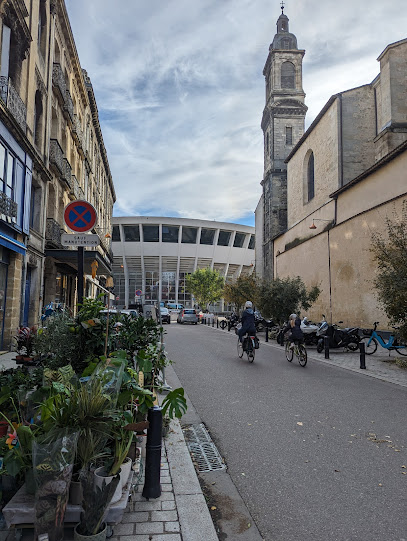
BAG_Bakery Art Gallery - La Galerie
0.2 km
Discover a unique Bordeaux experience where contemporary art meets delectable gluten-free pastries in the historic Hôtel de la Perle. A cultural and culinary delight!

Pl. Fernand Lafargue
0.2 km
Discover Place Fernand Lafargue in Bordeaux: a vibrant square blending medieval history with modern cafes, lively concerts, and a bustling atmosphere in the heart of the city.
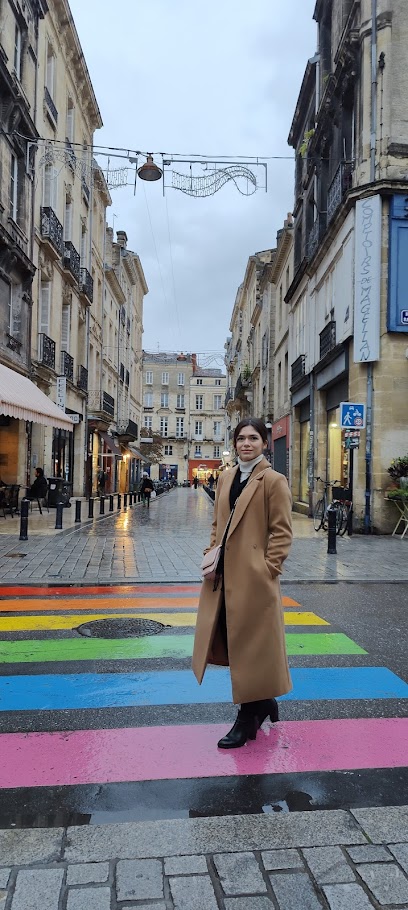
Rainbow Crosswalk
0.2 km
Discover the Rainbow Crosswalk in Bordeaux, a vibrant symbol of diversity and inclusion, perfect for memorable photo opportunities.
Couvent des Dominicains
0.2 km
Discover the serenity and historical charm of Couvent des Dominicains in Bordeaux, a tranquil retreat amidst the vibrant city life.
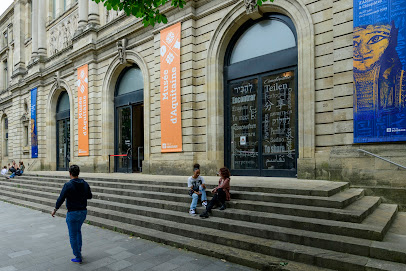
Musée d'Aquitaine
0.3 km
Explore the deep-rooted history and culture of Aquitaine at the Musée d'Aquitaine in Bordeaux, a must-visit for history enthusiasts and travelers alike.
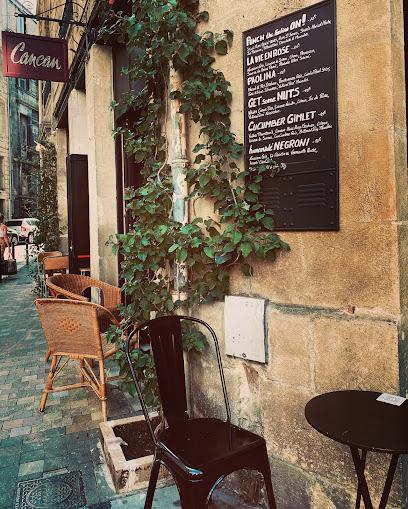
Cancan Bordeaux
0.3 km
Discover Bordeaux's best-kept secret: a 1930s-style speakeasy serving expertly crafted cocktails in an intimate, retro setting with eclectic music and a vibrant atmosphere.
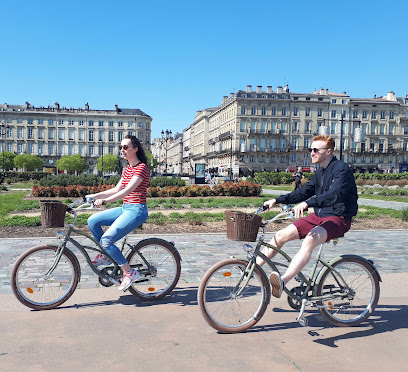
Bordeaux Bike Tour
0.3 km
Experience the beauty and culture of Bordeaux with an unforgettable bike tour through its historic streets and scenic vineyards.
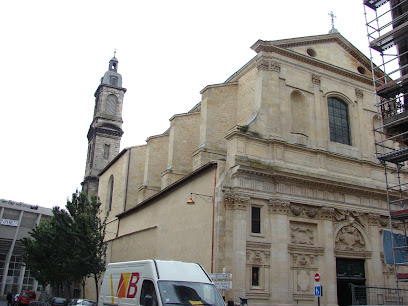
Théâtre de la Rousselle
0.4 km
Discover the charm of Théâtre de la Rousselle, Bordeaux's premier performing arts theater, where culture and creativity come to life through captivating performances.
Brunnen
0.4 km
Discover Place du Palais in Bordeaux: a historic square with stunning architecture, vibrant culture, and a perfect blend of old-world charm and modern art, offering a gateway to the city's rich heritage.
Place du Palais
0.4 km
Immerse yourself in the enchanting ambiance of Place du Palais, a historical landmark in Bordeaux, where architecture and culture converge beautifully.
Place Camille Jullian
0.4 km
Experience the heart of Bordeaux at Place Camille Jullian, a charming plaza filled with history, vibrant cafés, and stunning architecture.
Fontaine de la place Saint Projet
0.4 km
Discover the Fontaine de la place Saint Projet in Bordeaux: a historic square with an elegant fountain, offering a tranquil escape and a glimpse into the city's rich heritage.
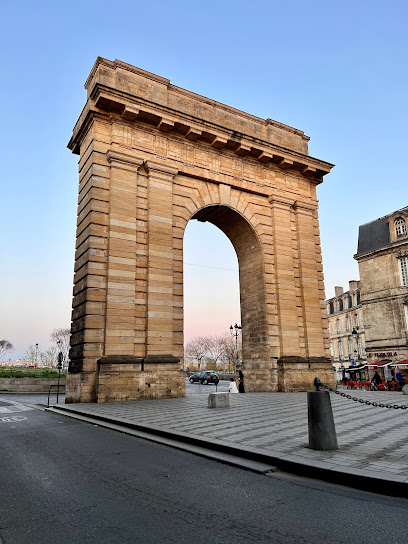
Porte de Bourgogne
0.4 km
Explore the grandeur of Porte de Bourgogne, a historic monument in Bordeaux that embodies the city’s rich cultural heritage and architectural beauty.
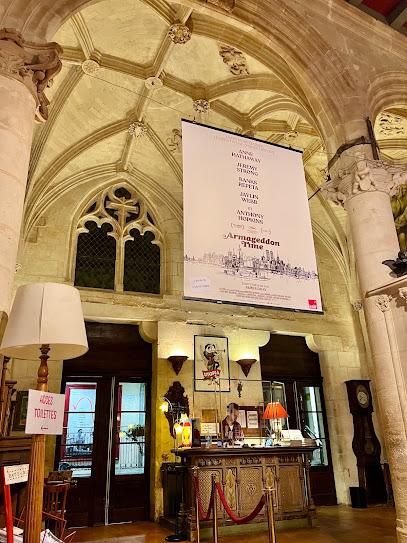
Cinéma Utopia
0.4 km
Experience independent and arthouse cinema in a historic church setting at Cinéma Utopia, Bordeaux. A cultural hub for film lovers, offering diverse screenings and engaging events.
Essential places to dine

L'Exquis
0.0 km
Experience exquisite French cuisine at L'Exquis in Bordeaux—where every dish tells a story.
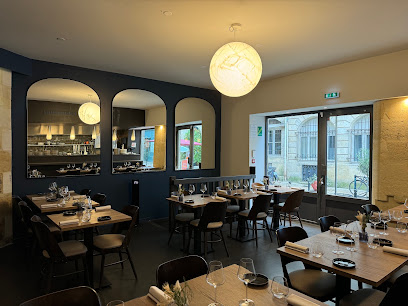
Restaurant
0.1 km
Experience authentic French cuisine in Bordeaux at this charming restaurant that highlights local flavors and exceptional service.
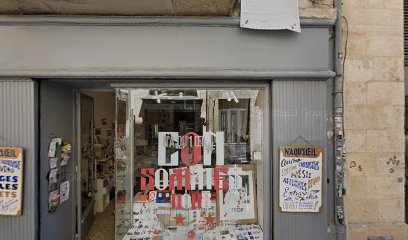
L'assiette musicale
0.1 km
Experience the harmonious blend of French and Mediterranean cuisine at L'assiette musicale in Bordeaux—an unforgettable culinary journey awaits.
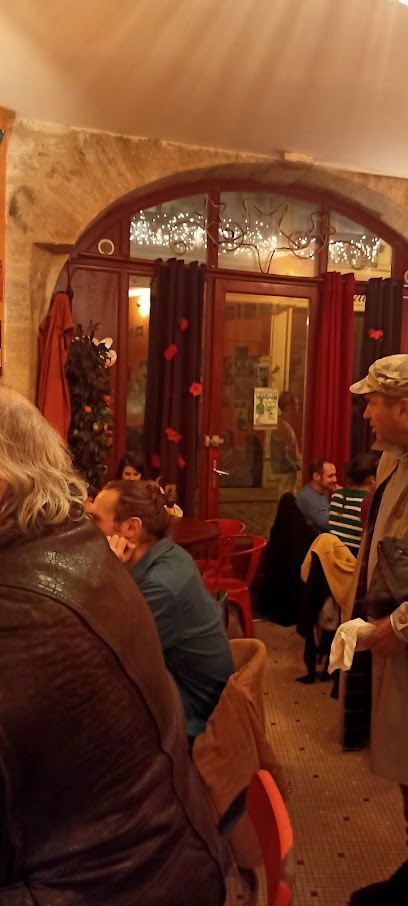
Modjo
0.2 km
Discover the art of fine dining at Modjo in Bordeaux – where modern French cuisine meets health-conscious delights in an inviting atmosphere.
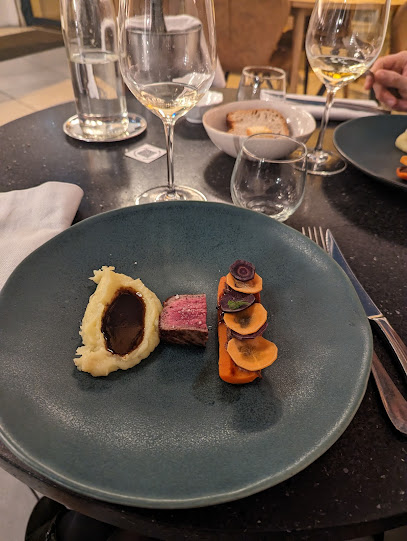
Arcada
0.3 km
Experience exquisite French cuisine at Arcada in Bordeaux – where every meal is a celebration of flavor and elegance.
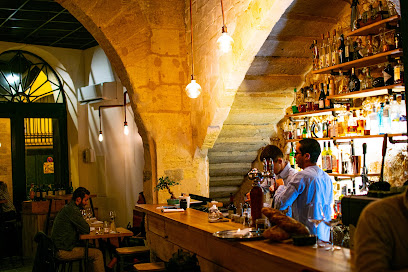
Restaurant Son'
0.3 km
Experience exquisite haute French cuisine at Restaurant Son' in Bordeaux – where tradition meets innovation in every dish.
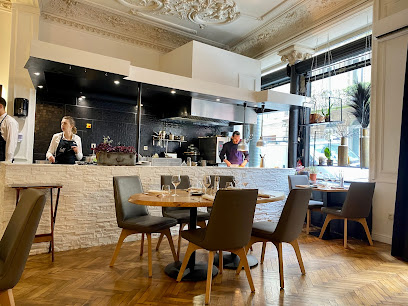
Le Petit Atelier des Faures
0.4 km
Experience the best of French and Mediterranean cuisine at Le Petit Atelier des Faures in Bordeaux - a true culinary haven.
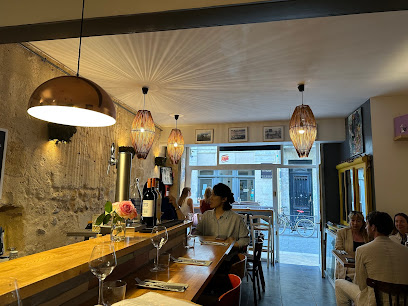
LE LOUP
0.4 km
Experience the finest French cuisine at Le Loup in Bordeaux, where culinary artistry meets local flavors.
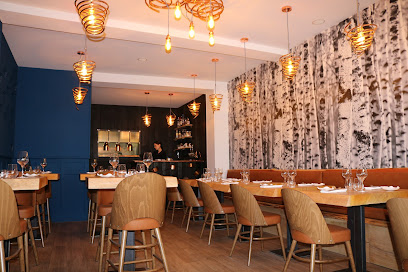
Le Ginkho
0.4 km
Experience authentic French cuisine at Le Ginkho in Bordeaux's lively Place Saint Michel – a perfect blend of tradition and innovation.
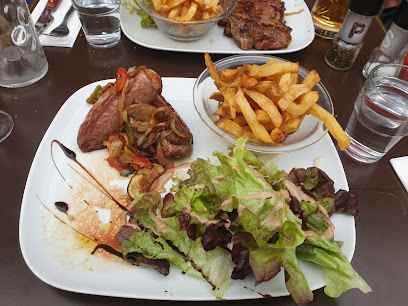
La Mère Michel
0.4 km
Discover the heart of French cuisine at La Mère Michel - indulge in delicious crêpes amidst the charm of Bordeaux.
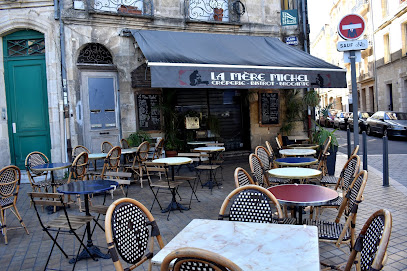
Lauza - Restaurant Bordeaux
0.4 km
Discover culinary delights at Lauza in Bordeaux – where traditional French cuisine meets modern flair in a family-friendly setting.
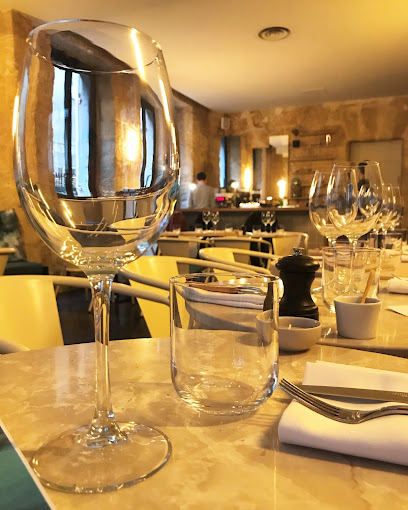
Restaurant C'yusha
0.4 km
Discover exquisite French cuisine with vegan options at Restaurant C'yusha in Bordeaux—an unforgettable fine dining experience awaits you.
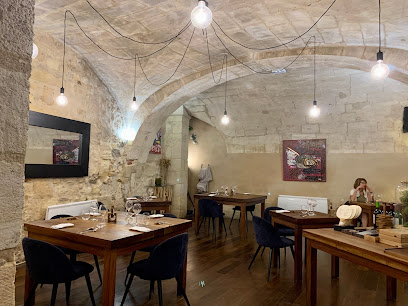
Bo-tannique
0.4 km
Experience the essence of French cuisine at Bo-tannique in Bordeaux – where bold flavors meet elegant dining.
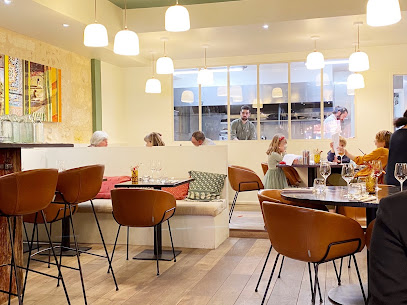
Ô Saint Michel
0.4 km
Experience authentic French cuisine at Ô Saint Michel, where every dish tells a story and every visit feels like home.
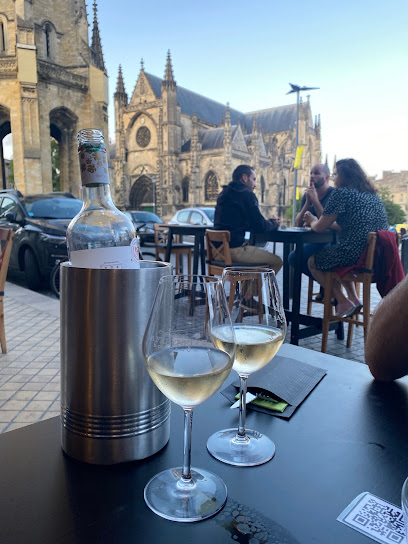
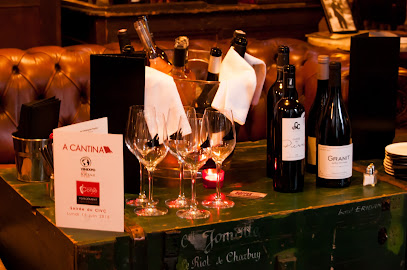
A Cantina Comptoir Corse
0.4 km
Experience authentic Corsican flavors at A Cantina Comptoir Corse in Bordeaux - where exquisite cuisine meets inviting ambiance.
Markets, malls and hidden boutiques

Autour de Bordeaux
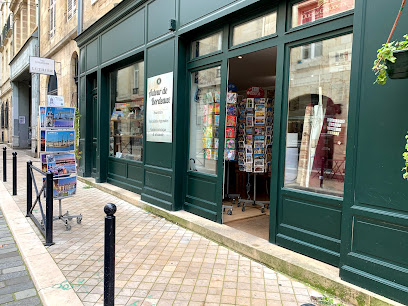
0.0 km
Explore Autour de Bordeaux, the ultimate gift basket store offering local delicacies and wines for the perfect souvenir experience.
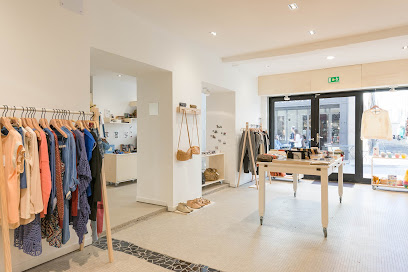
Mieux Boutique
0.1 km
Explore the elegance of French fashion at Mieux Boutique in Bordeaux, offering unique clothing and accessories for every fashion lover.
Feral - Art & Vin
0.1 km
Explore the perfect blend of fine wines and captivating art at Feral - Art & Vin in Bordeaux, where culture and taste come together.
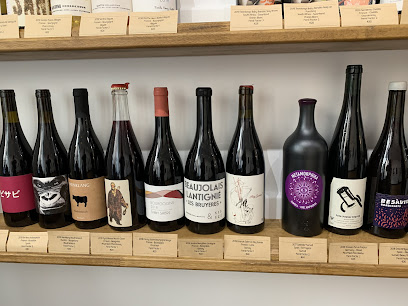
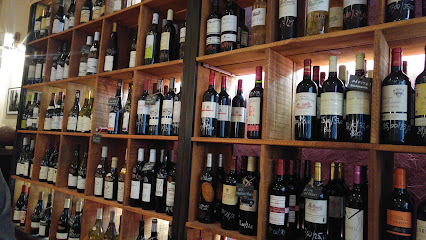
Wine More Time
0.1 km
Experience the finest wines of Bordeaux at Wine More Time, your go-to wine bar and store for tasting and discovery.
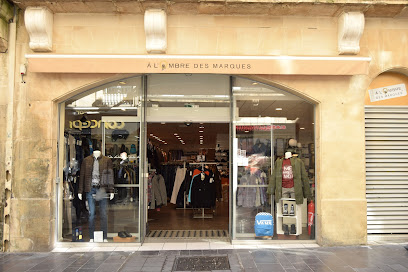
À l'Ombre des Marques | Bordeaux
0.2 km
Discover unique fashion treasures at À l'Ombre des Marques, Bordeaux's chic clothing store offering style and quality in a vibrant shopping atmosphere.
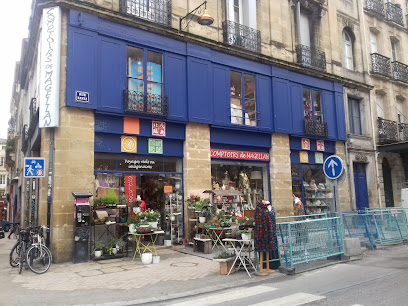
Les Comptoirs de Magellan
0.2 km
Explore the enchanting Les Comptoirs de Magellan, a gift shop in Bordeaux filled with unique artisanal treasures reflecting French culture and craftsmanship.
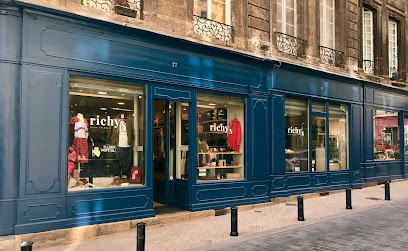
Richy’s
0.2 km
Discover Richy’s in Bordeaux for an exceptional selection of men's and women's clothing and stylish footwear that elevates your fashion game.
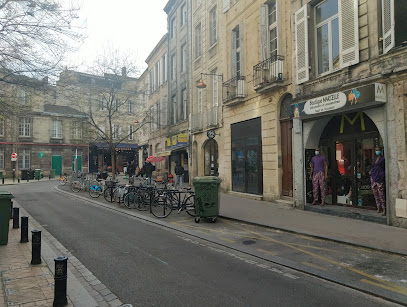
Boutique Marcelle
0.3 km
Discover fashionable treasures and sustainable style at Boutique Marcelle, Bordeaux's premier used clothing store and consignment shop.
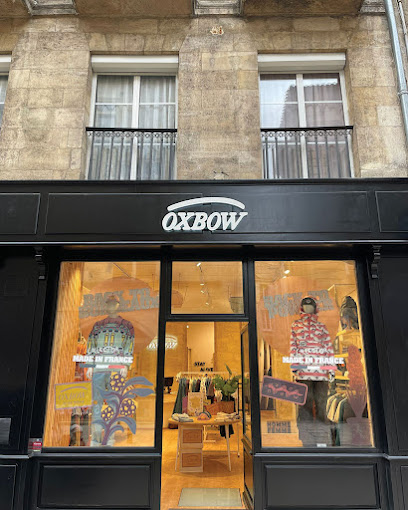
Oxbow Bordeaux
0.3 km
Discover surf-inspired fashion and beachwear at Oxbow Bordeaux—where style meets the spirit of the ocean.
The House of Two Fairies
0.3 km
Discover the magic of crystals and minerals at The House of Two Fairies in Bordeaux, a unique rock shop brimming with nature's treasures.
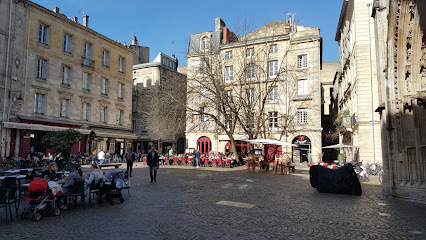
Art and Wine
0.4 km
Discover the essence of Bordeaux at 'Art and Wine' – a delightful fusion of exquisite wines and gourmet delicacies in a charming setting.
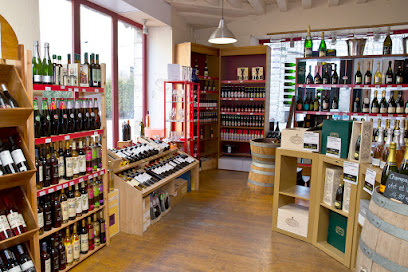
Le Cycle Du Vin
0.4 km
Explore Bordeaux's wine culture at Le Cycle Du Vin, where a world of exquisite flavors awaits every wine enthusiast.
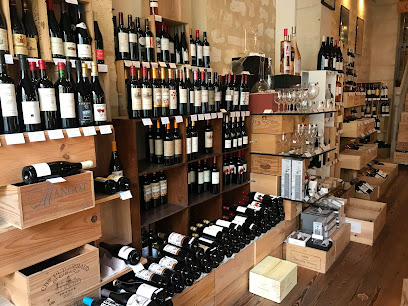
Ma Première Boutique
0.4 km
Explore the stylish offerings of Ma Première Boutique, a premier women's clothing store in Bordeaux, where fashion meets elegance in every piece.
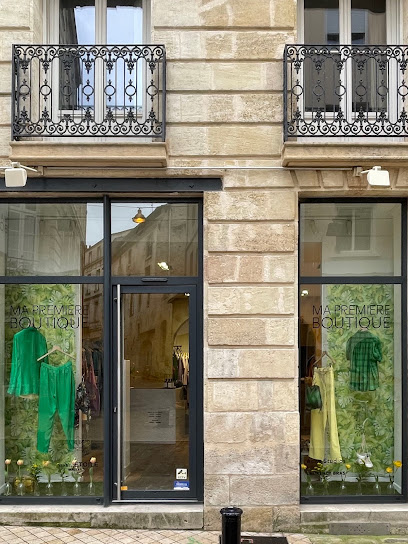
Wine Corner
0.4 km
Discover the essence of Bordeaux at Wine Corner, where expert guidance meets an exquisite selection of regional wines and gourmet delights.
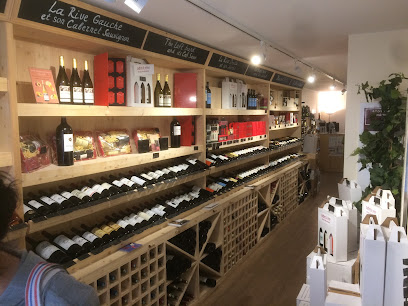
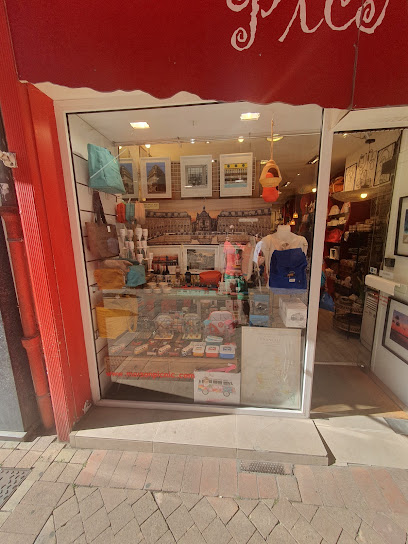
Picnic
0.5 km
Explore Picnic in Bordeaux for unique, locally-sourced gifts that capture the city's charm and culture, perfect for souvenirs and special finds.
Essential bars & hidden hideouts

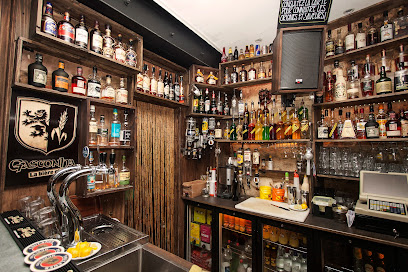
VINTAGE BAR - Rhumerie & Pub
0.0 km
Experience the vibrant nightlife of Bordeaux at Vintage Bar, a top rhumerie and pub with a fantastic selection of rums and cocktails.
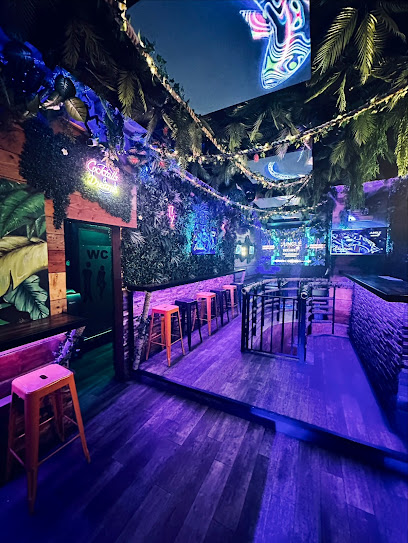
Jungle Dreams Bar
0.1 km
Discover the vibrant nightlife at Jungle Dreams Bar in Bordeaux, a must-visit spot for cocktails, dancing, and unforgettable experiences.
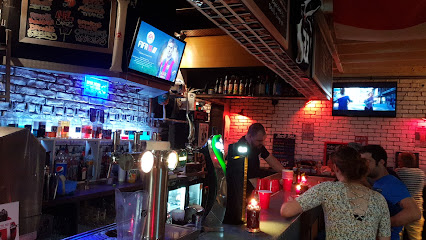
Very Bar Trip
0.1 km
Discover the lively atmosphere and exquisite cocktails at Very Bar Trip, a must-visit bar in the heart of Bordeaux's nightlife scene.
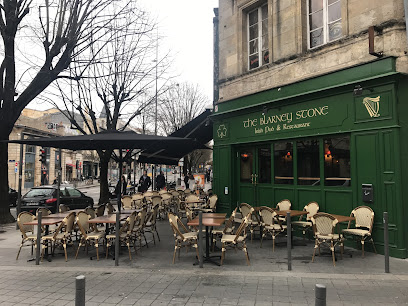
The Blarney Stone
0.2 km
Discover the unique blend of Irish pub culture and Bordeaux charm at The Blarney Stone, your go-to destination for drinks and live music.
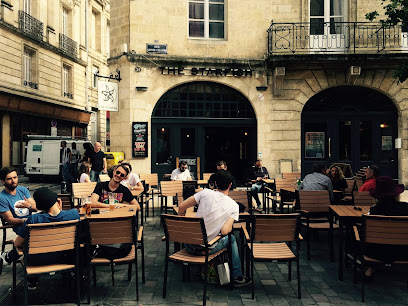
The Starfish
0.2 km
Experience the lively ambiance of The Starfish, a premier bar in Bordeaux offering a vibrant atmosphere and an extensive drink selection.
La Cueva
0.2 km
Experience Bordeaux's vibrant nightlife at La Cueva, where great drinks and a lively atmosphere await.
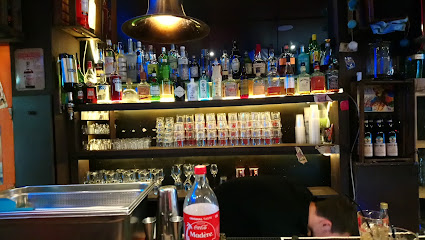
L'apollo bar
0.2 km
Experience the lively ambiance of L'apollo Bar in Bordeaux, where locals and tourists mingle over exquisite drinks in a charming setting.
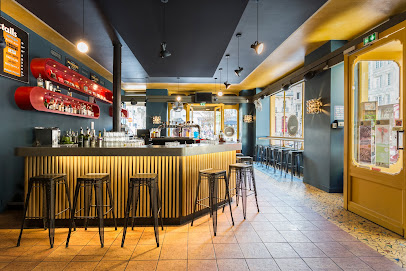
La Vie Moderne
0.2 km
Discover the lively ambiance and diverse drink offerings at La Vie Moderne, a must-visit bar in the heart of Bordeaux.
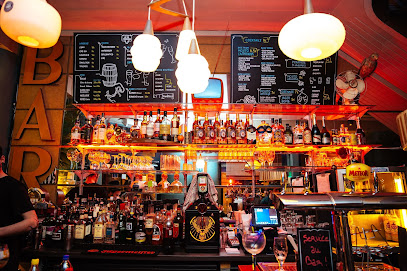
SPUTNIK BAR
0.3 km
Discover the vibrant nightlife of Bordeaux at Sputnik Bar, where creative cocktails and a lively atmosphere await every visitor.
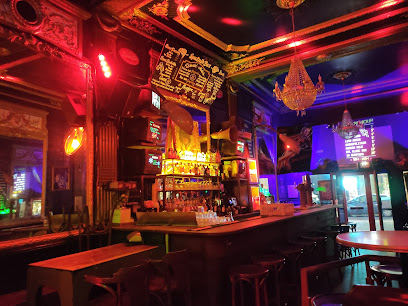
Les Berthom
0.3 km
Discover the vibrant nightlife at Les Berthom, a bar in Bordeaux offering exquisite drinks and a lively social atmosphere.
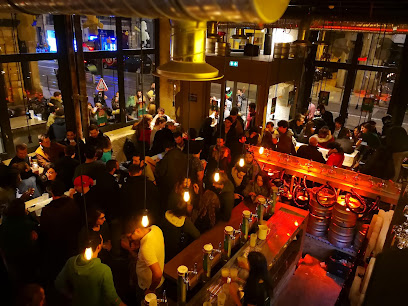
The Black Flag
0.3 km
Discover the vibrant nightlife at The Black Flag, a premier cocktail bar in Bordeaux known for its innovative drinks and lively atmosphere.
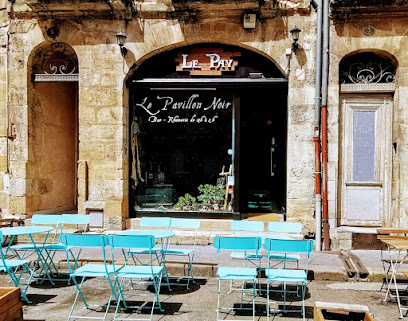
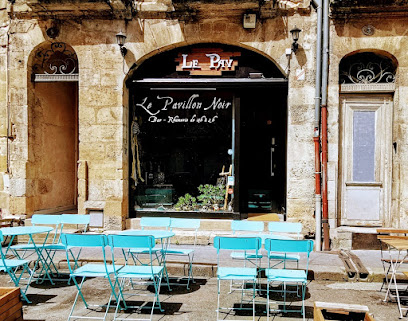
Le Pavillon Noir
0.3 km
Experience Bordeaux’s vibrant nightlife at Le Pavillon Noir, where innovative cocktails meet a lively atmosphere for an unforgettable night out.
Le Sur Mesure Bordeaux
0.3 km
Discover the elegance of Le Sur Mesure Bordeaux, a chic bar offering an exquisite selection of drinks in the heart of Bordeaux's vibrant nightlife.
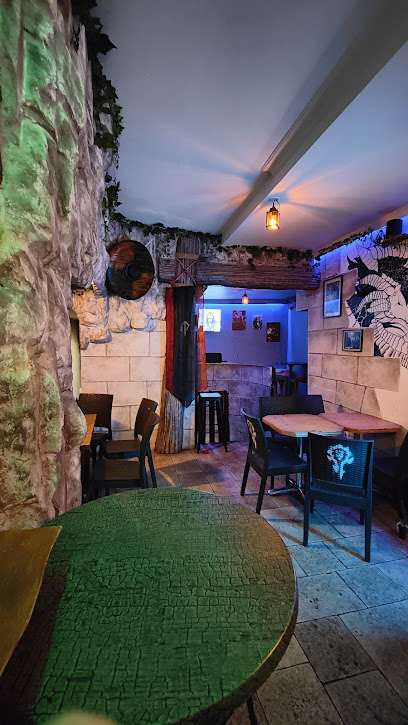
World Of Craft
0.3 km
Discover the vibrant nightlife at World Of Craft, a trendy bar in Bordeaux, known for its craft beers and artisan cocktails in a lively atmosphere.
The Frog & Rosbif
0.4 km
Experience the fusion of British pub culture and French cuisine at The Frog & Rosbif in Bordeaux, a must-visit for all food lovers.