MuMa: A Temple of Light and Impressionism
Discover masterpieces of Impressionism and modern art at Le Havre's MuMa, a stunning architectural gem offering breathtaking views of the Normandy coast and a unique cultural experience.
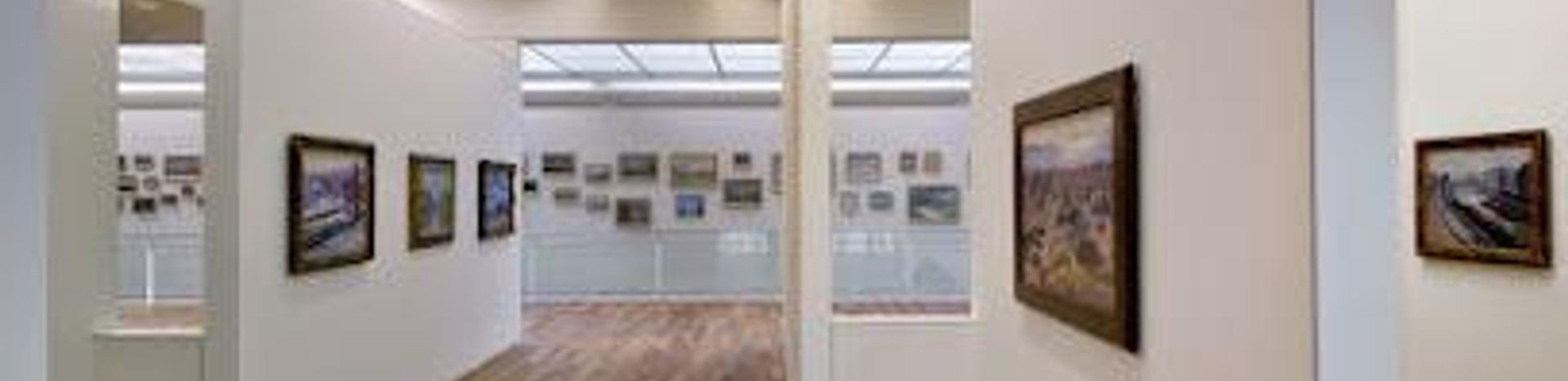
The Musée d'art moderne André Malraux (MuMa) in Le Havre stands as a beacon of modern architecture and a treasure trove of Impressionist art. Rebuilt after the devastation of WWII, it symbolizes the city's resilience and commitment to culture. Its stunning glass and steel structure, designed to maximize natural light, houses one of France's most significant collections of Impressionist paintings outside of Paris, including masterpieces by Monet, Boudin, Renoir, and Pissarro. Beyond Impressionism, MuMa also showcases Fauvist works and pieces from the 16th to 20th centuries, offering a comprehensive journey through European art history. With its breathtaking views of the Seine Estuary, MuMa provides a unique dialogue between art and the surrounding landscape, making it a must-visit destination for art lovers and those seeking a cultural escape.
A brief summary to Museum of Modern Art André Malraux
- 2 Bd Clemenceau, Le Havre, 76600, FR
- +33235196262
- Visit website
- Tuesday 11 am-6 pm
- Wednesday 11 am-6 pm
- Thursday 11 am-6 pm
- Friday 11 am-6 pm
- Saturday 11 am-7 pm
- Sunday 11 am-7 pm
Local tips
- Visit on a weekday morning to avoid crowds and have a more intimate experience with the art.
- Take advantage of the free parking available near the museum, especially if arriving by car.
- Check the museum's website for temporary exhibitions and special events to enhance your visit.
- Combine your visit with a walk along the Le Havre waterfront to appreciate the city's modern architecture and maritime heritage.
- Consider purchasing the Le Havre Etretat City Pass for unlimited access to public transport and other attractions in the area.

Getting There
-
Walking
From Le Havre's Town Hall (Hôtel de Ville), MuMa is approximately a 20-minute walk. Head south towards the waterfront, following Boulevard Clemenceau. The museum will be on your left, easily identifiable by its modern glass and steel structure and the monumental sculpture 'Le Signal' (often called 'the eye') in front. The walk is mostly flat and offers pleasant views of the city and the sea.
-
Public Transport
From Le Havre's train station (Gare SNCF), take Tram A or B to the Hôtel de Ville stop. From there, transfer to Bus Line 7 and ride to the MuMa stop, which is directly in front of the museum. Alternatively, from July 1st, you can take Bus Line 16 directly from the train station to the MuMa stop. A single bus or tram ticket costs €1.80. Consider the 'Pass Tourisme Le Havre Etretat' for unlimited public transport.
-
Taxi/Ride-Share
A taxi or ride-share from Le Havre's city center (e.g., the train station or Town Hall) to MuMa will take approximately 5-10 minutes, depending on traffic. Expect to pay around €10-€15 for the ride. Be sure to confirm the fare with the driver before starting your journey.
-
Driving
If driving, navigate to 2 Boulevard Clemenceau, 76600 Le Havre. Free parking is available opposite the museum on Benjamin Norman Street. Parking can be limited during peak season or on rainy days. As an alternative, there is free parking at 105 boulevard Clémenceau, 200 meters from the museum entrance.
Discover more about Museum of Modern Art André Malraux
Iconic landmarks you can’t miss

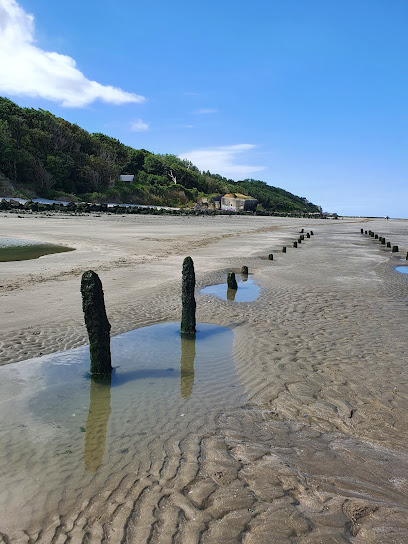
Plage de Criqueboeuf
9.2 km
Experience the tranquil charm of Plage de Criqueboeuf, a picturesque public beach in Normandy perfect for relaxation and exploration.
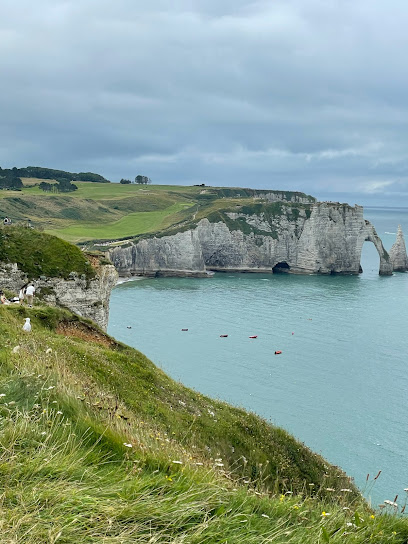
La Lieutenance
11.8 km
Discover the enchanting charm and picturesque views at La Lieutenance in Honfleur, a must-visit destination for any traveler exploring this beautiful French town.
Deauville Beach
14.1 km
Explore the sandy shores and vibrant atmosphere of Deauville Beach, Normandy's premier destination for sun, sea, and relaxation.
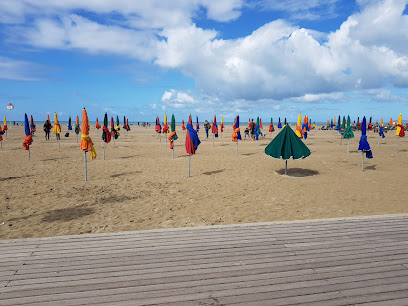
Beach Temple
24.5 km
Experience the tranquil beauty of Beach Temple in Houlgate, a serene public beach perfect for relaxation and coastal exploration in France.
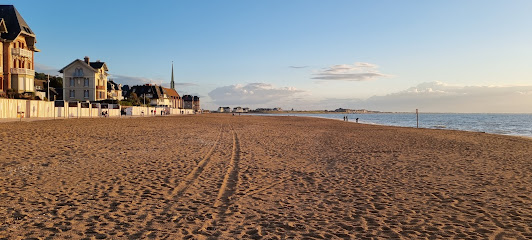
Lighthouse of Ouistreham
34.1 km
Explore the iconic Lighthouse of Ouistreham, where maritime history meets stunning coastal views in Normandy, France.
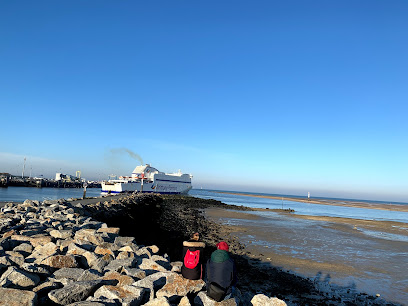
Plage de Ouistreham
34.3 km
Explore the stunning Plage de Ouistreham, a beautiful sandy beach in Normandy perfect for families, relaxation, and water sports enthusiasts.
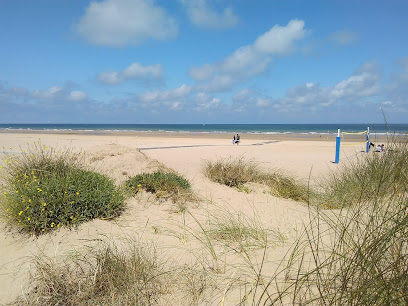
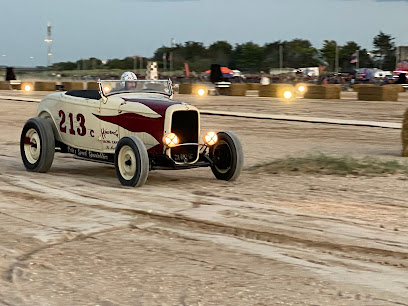
Normandy beach race
34.9 km
Discover the exhilarating blend of history and motorsport at the iconic Normandy Beach Race in Ouistreham, a must-visit for every traveler.
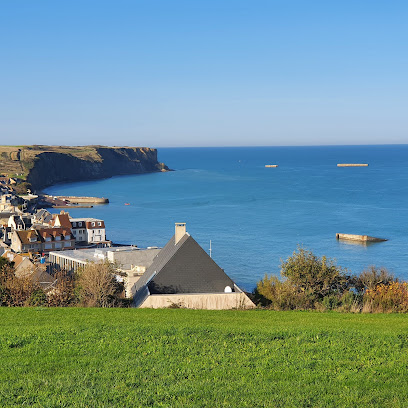
Sword Beach
36.8 km
Discover the tranquil beauty and historical significance of Sword Beach, a must-visit destination along Normandy's stunning coastline.
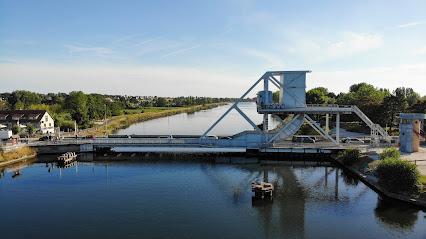
Pegasus Bridge
38.2 km
Visit Pegasus Bridge in Normandy: a historic D-Day site, captured by British airborne troops, symbolizing courage and liberation.
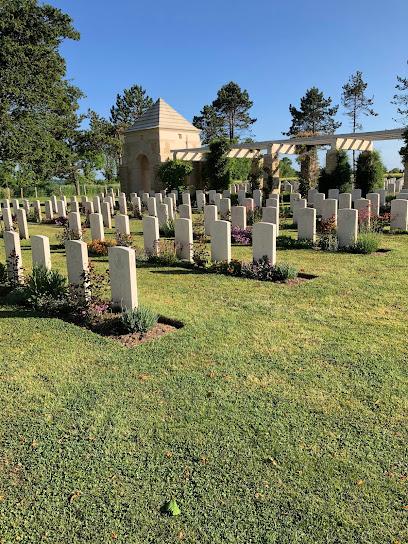
Ranville War Cemetery
38.4 km
Reflect on D-Day's cost at Ranville War Cemetery, the final resting place for British and German soldiers in Normandy, France.
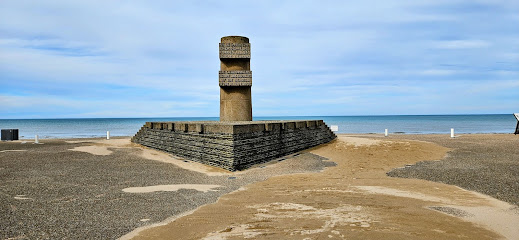
Monument Signal du D-day
41.5 km
Explore the powerful legacy of bravery at the Monument Signal du D-day in Bernières-sur-Mer, a historic tribute to the D-Day landings.
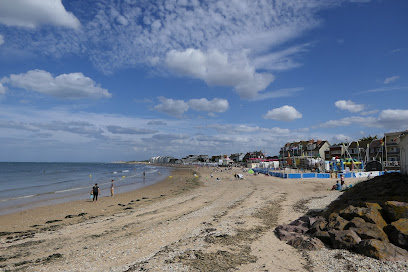
Plage de Courseulles sur Mer
43.3 km
Explore the tranquil beauty and rich history of Plage de Courseulles sur Mer, a perfect beach destination on the Normandy coast.
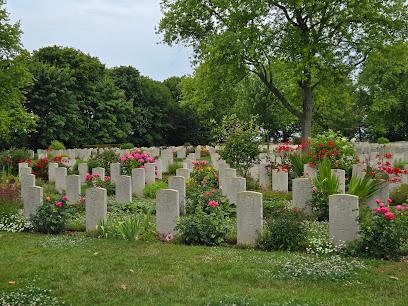
Bény-sur-Mer Canadian War Cemetery
44.8 km
A serene and poignant memorial in Normandy, honoring the Canadian soldiers who fought and died during the Battle of Normandy.
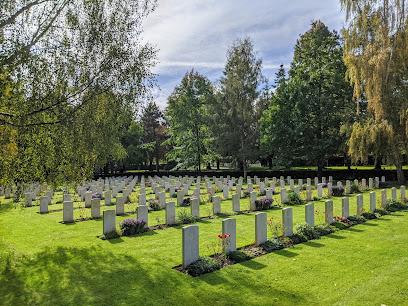
Cambes-en-Plaine War Cemetery
44.9 km
A serene and moving tribute to the Commonwealth soldiers who fell during the Battle of Normandy, located near Caen, France.
Caen Tourist Office
47.5 km
Your gateway to exploring Caen and Normandy: expert advice, maps, tours, and the Caen Pass for discounts on local attractions.
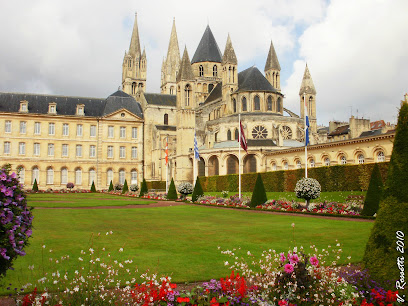
Unmissable attractions to see

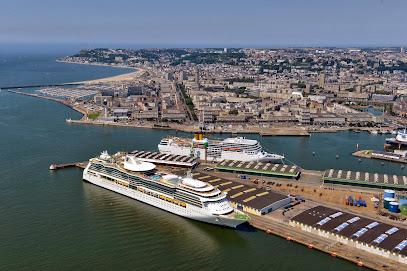
Cruise Terminal Le Havre
0.5 km
Discover the vibrant Cruise Terminal Le Havre, your gateway to exploring the stunning landscapes and rich history of Normandy, France.
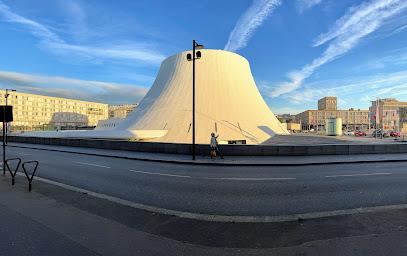
Le Volcan
0.7 km
Discover Le Volcan, an iconic cultural center in Le Havre designed by Oscar Niemeyer, offering a unique blend of architecture, performance arts, and literary exploration.
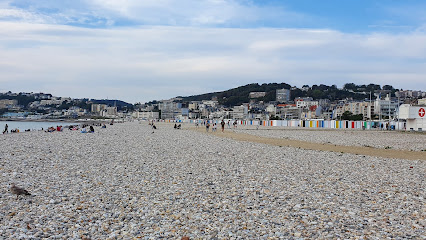
Plage du Havre
1.4 km
Experience the serene charm of Plage du Havre, a stunning beach destination in Sainte-Adresse, perfect for relaxation and adventure.
Villerville Beach
9.4 km
Experience the serene beauty and rich culture of Villerville Beach, a hidden gem on the Normandy coast perfect for relaxation and adventure.
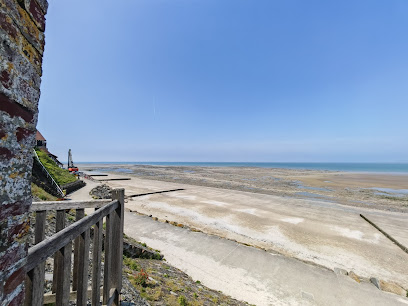
Plage de villerville
9.6 km
Discover Plage de Villerville, a charming Normandy beach with dramatic cliffs, a quaint village, and a rich cinematic history, offering a tranquil escape and stunning coastal views.
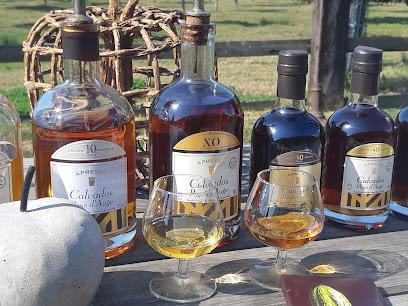
Manoir d'Apreval
10.2 km
Discover the authentic taste of Normandy at Manoir d'Apreval, a family-run estate crafting award-winning ciders, Calvados, and Pommeau in a picturesque setting near Honfleur.
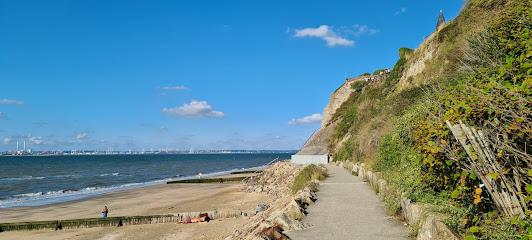
Plage du Butin
10.7 km
Experience the serene beauty of Plage du Butin, a tranquil beach in Honfleur, perfect for relaxation and exploration along the Seine.
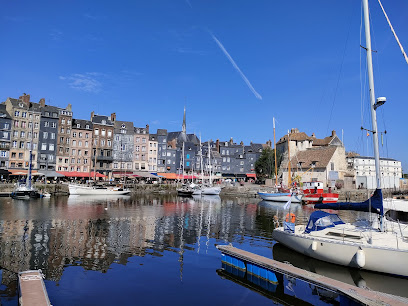
Beach
11.4 km
Discover the charm of Trouville-sur-Mer, a picturesque coastal town in Normandy, where stunning beaches meet vibrant cultural experiences.
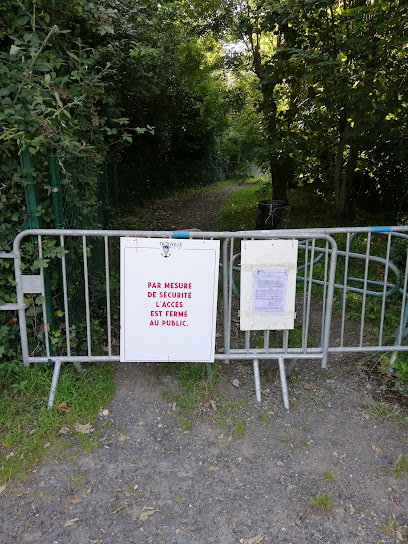
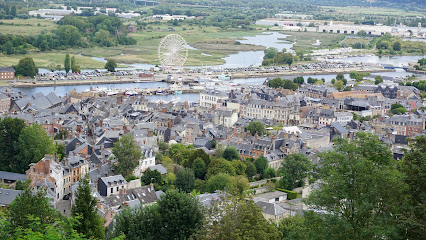
Panorama du Mont-Joli
11.4 km
Discover stunning panoramic views of the Seine and Honfleur at Panorama du Mont-Joli, a must-visit tourist attraction in Équemauville, Normandy.
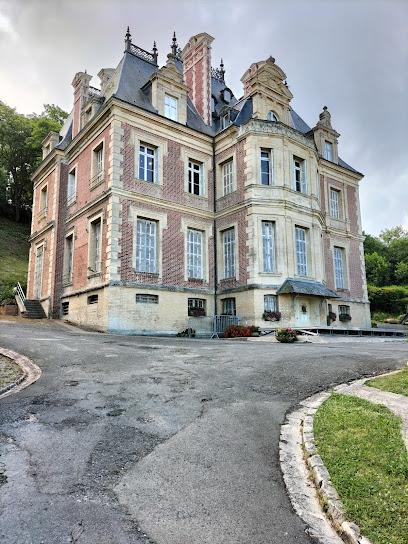
Museum of Villa Montebello
12.7 km
Discover the captivating history of seaside art and culture at Villa Montebello Museum in Trouville-sur-Mer, showcasing paintings, posters, and artifacts from the Côte Fleurie's golden age.
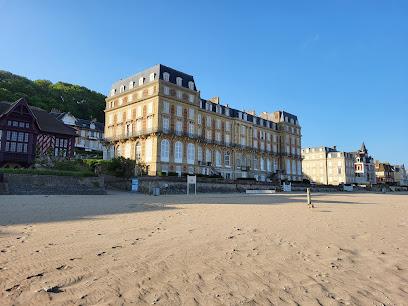
Grande Plage de Trouville
12.8 km
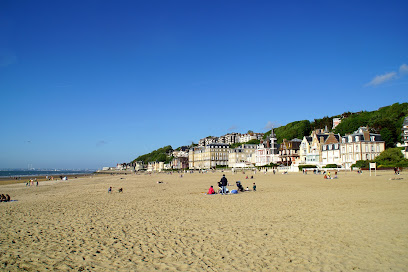
Experience the beauty and charm of Grande Plage de Trouville, a public beach paradise in Trouville-sur-Mer, perfect for relaxation and seaside fun.
Plage de Trouville
13.1 km
Discover the beauty of Plage de Trouville, a stunning public beach in Normandy that offers leisure, adventure, and vibrant seaside culture.
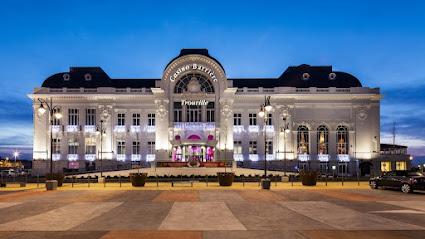
Casino Barrière Trouville
13.3 km
Experience the thrill of gaming and seaside elegance at Casino Barrière Trouville, offering a diverse range of games, dining, and entertainment in a historic Normandy setting.
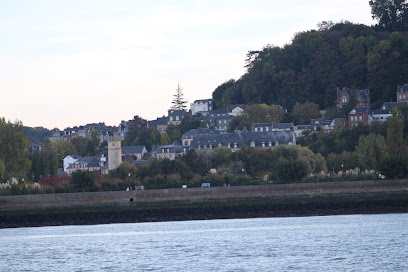
Pont de Normandie
13.8 km
Explore the breathtaking Pont de Normandie, a stunning bridge offering spectacular views and connecting the historic towns of Honfleur and Le Havre.
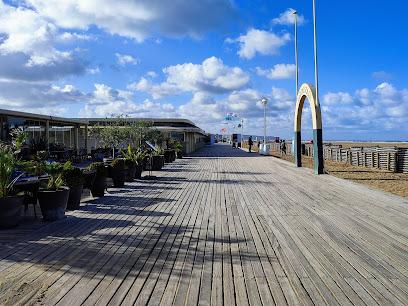
Les Planches de Deauville
14.1 km
Stroll along Deauville's iconic boardwalk, where history meets Hollywood glamour, offering stunning beach views and a taste of French seaside elegance.
Essential places to dine

Brasserie de Normandie
0.7 km
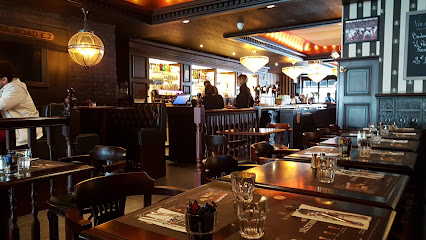
Experience authentic French cuisine at Brasserie de Normandie in Le Havre – where local flavors meet vibrant atmosphere.
Jean-Luc Tartarin
1.0 km
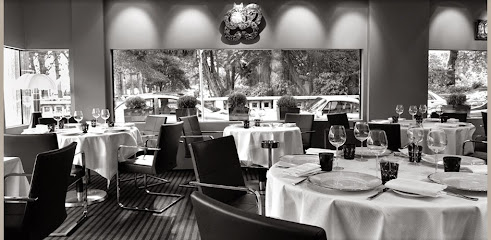
Experience exquisite French haute cuisine at Jean-Luc Tartarin in Le Havre – where tradition meets innovation in every dish.
La Ferme Saint Siméon - Relais & Châteaux
11.1 km
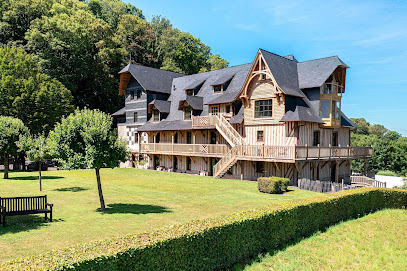
Experience luxury at La Ferme Saint Siméon: A charming hotel blending rustic elegance with fine dining and serene spa treatments in picturesque Honfleur.
Restaurant La Lieutenance
11.7 km
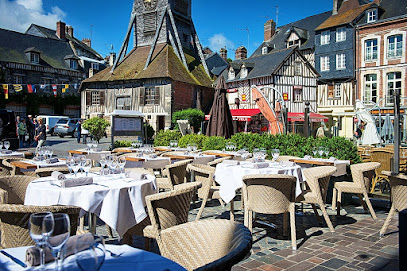
Experience exquisite French fine dining at Restaurant La Lieutenance in Honfleur - where culinary artistry meets fresh seafood delights.
L'Auberge de la Source - Hôtel de charme et restaurant - Honfleur
12.2 km
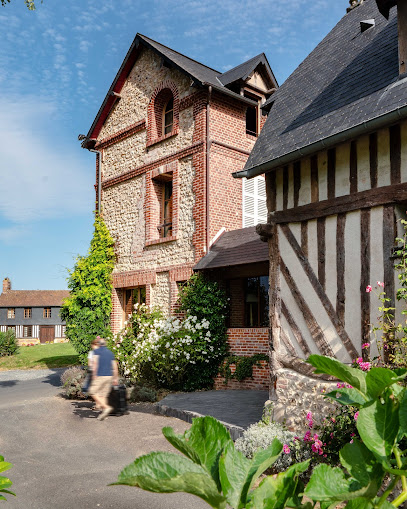
Experience exquisite French cuisine and charming accommodations at L'Auberge de la Source in beautiful Barneville-la-Bertran.
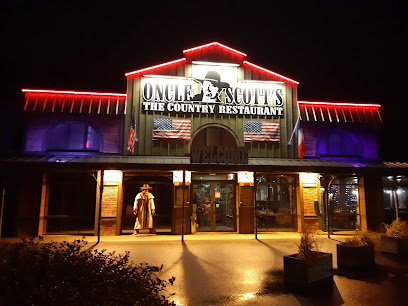
Oncle Scott's
13.0 km
Experience delightful dining at Oncle Scott's in Honfleur – where local ingredients meet culinary creativity.
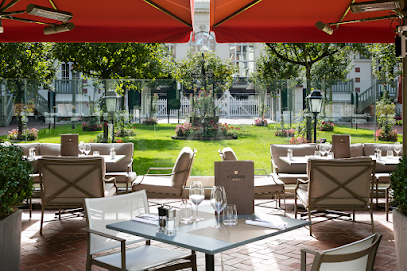
Belle Epoque
14.1 km
Discover culinary excellence at Belle Epoque in Deauville - where tradition meets innovation in every delicious dish.
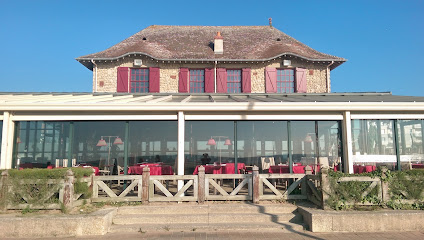
La Villa sur la Plage
14.8 km
Experience exquisite French cuisine with breathtaking seaside views at La Villa sur la Plage in Tourgéville.
Sunset Beach
15.5 km
Discover Sunset Beach: A culinary gem in Benerville-sur-Mer offering delicious tapas and vibrant bar experiences with breathtaking coastal views.
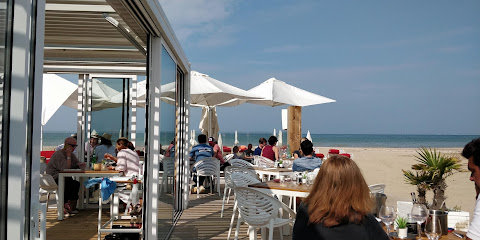
Le Normandie
22.9 km
Experience authentic French cuisine at Le Normandie in Pont-l'Évêque – where tradition meets culinary excellence.
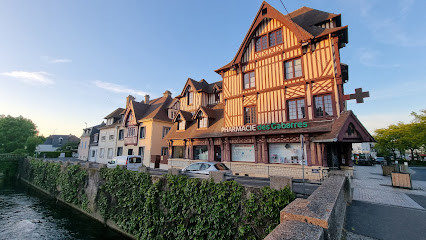
La Cle de Sole
22.9 km
Experience exquisite French cuisine at La Cle de Sole in Pont-l'Évêque – where local flavors meet culinary artistry.
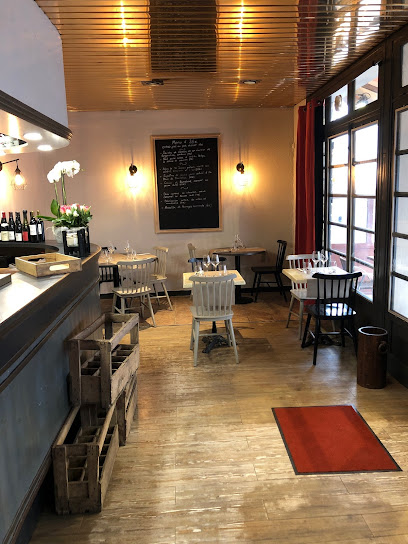
L'Arbre à Pin
24.2 km
Experience authentic Italian flavors at L'Arbre à Pin in Houlgate - where every meal is a journey to Italy.
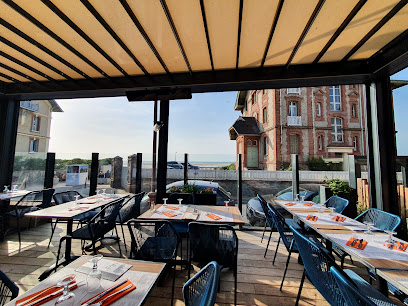
Restaurant Le Pot d'Étain
33.7 km
Experience authentic French cuisine at Restaurant Le Pot d'Étain in Manerbe—where tradition meets taste in a charming setting.
Restaurant la Voile Blanche - Ouistreham Riva Bella
34.0 km
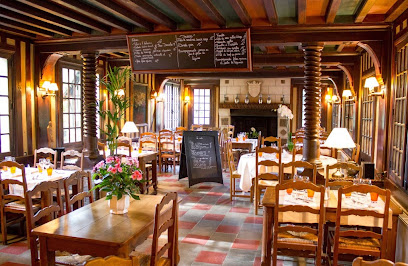
Discover exquisite French cuisine at Restaurant La Voile Blanche in Ouistreham – where every dish tells a story.
Casino Barrière Ouistreham
34.0 km
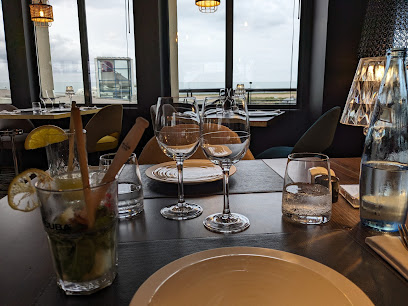
Experience thrilling gaming, exquisite dining, and vibrant nightlife at Casino Barrière Ouistreham – where every visit feels like a celebration.
Markets, malls and hidden boutiques

LoHo Le Local sHop
0.6 km
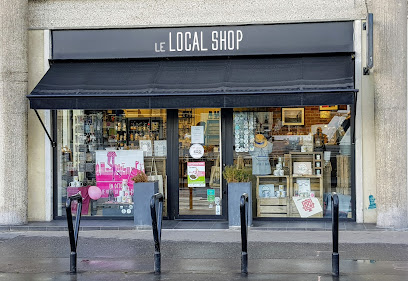
Explore the charm of LoHo Le Local sHop in Le Havre, where unique gifts and local specialties await every tourist.
Boutique Georgia
0.8 km
Explore Boutique Georgia in Le Havre for unique gifts and local treasures that embody the charm of French craftsmanship.
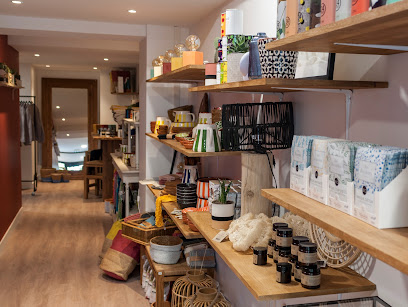
COTY
1.3 km
Discover the vibrant shopping haven of COTY in Le Havre, featuring clothing, beauty, and home essentials for the ultimate retail experience.
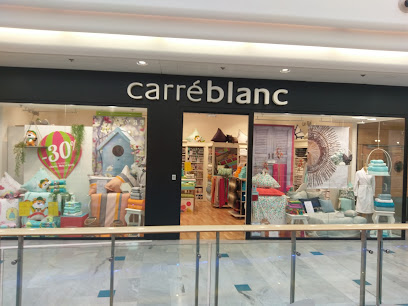
Carré Blanc
1.4 km
Explore Carré Blanc in Le Havre for exquisite linens, personalized embroidery services, and unique home goods that elevate your decor.
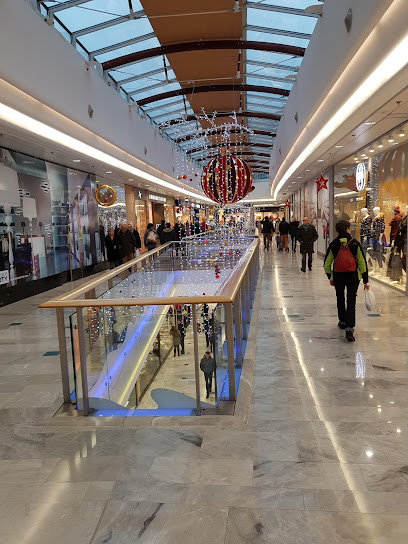
Printemps Le Havre
1.4 km
Discover the ultimate shopping experience at Printemps Le Havre, where fashion meets luxury in a vibrant retail paradise.
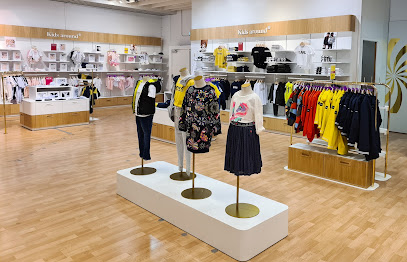
Primark
2.0 km
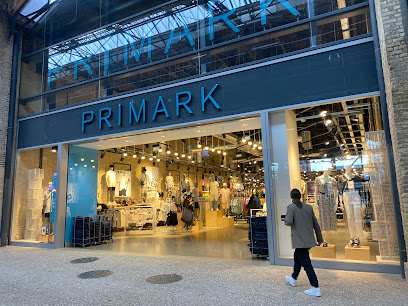
Explore Primark in Le Havre for stylish and affordable fashion options in the heart of Les Docks Vauban shopping center.
Docks Vauban
2.0 km
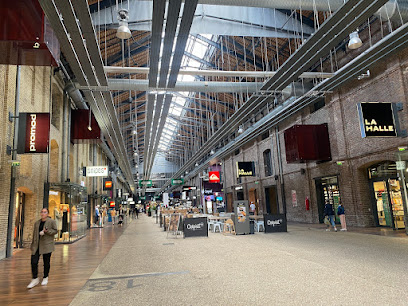
Experience the vibrant shopping scene at Docks Vauban, Le Havre's premier shopping mall with stunning waterfront views and diverse retail options.
Intersport Gonfreville-l'Orcher
8.8 km
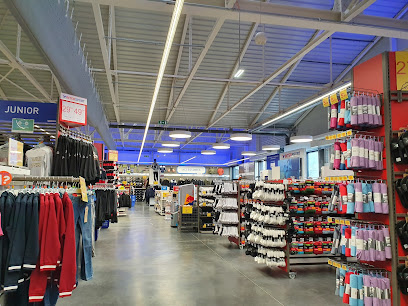
Explore top-notch sportswear and equipment at Intersport Gonfreville-l'Orcher, where quality meets style for every athlete.
LA QUINCAILLERIE D'ALBERTINE
13.2 km
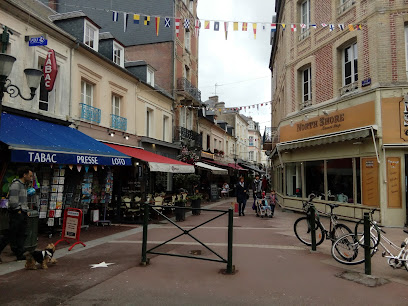
Experience the charm of Trouville-sur-Mer's fashion scene at La Quincaillerie d'Albertine, where unique accessories await every visitor.
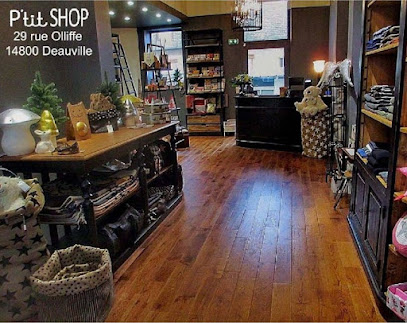
P'tit SHOP
14.0 km
Discover P'tit SHOP in Deauville, your go-to gift shop for children's clothing, toys, and unique home decor that spark joy and creativity.
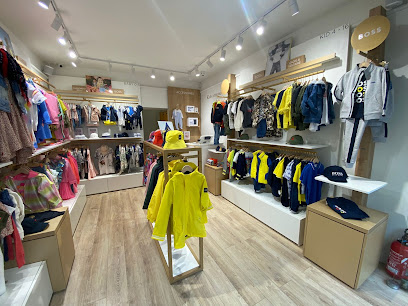
Kids around Deauville
14.1 km
Discover trendy children's clothing and accessories at Kids Around Deauville—where fashion meets fun for the little ones!
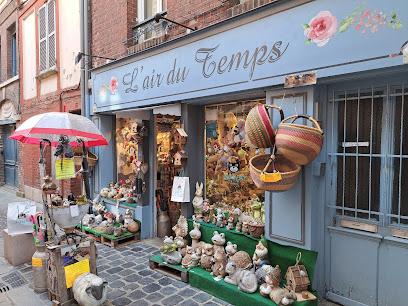
HONFLEUR NORMANDY OUTLET
14.2 km
Discover unique shopping experiences at Honfleur Normandy Outlet, surrounded by the beauty of Normandy's historic coastal town.
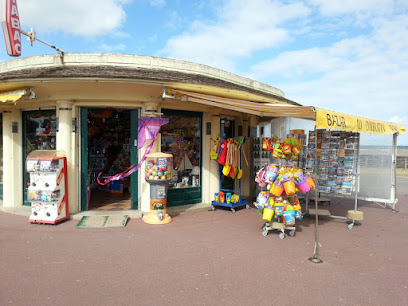
AU DIABLOTIN TABAC SOUVENIR
14.2 km
Explore AU DIABLOTIN TABAC SOUVENIR in Deauville for unique gifts, beach essentials, and local treats that capture the spirit of the French coast.
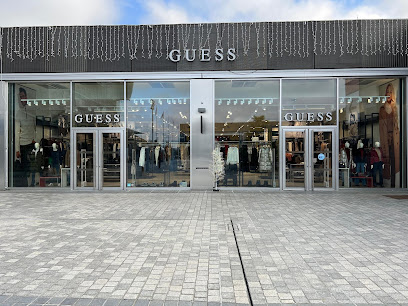
GUESS
14.3 km
Explore stylish clothing and accessories at GUESS in Honfleur's Normandy Outlet, where quality meets modern fashion at great prices.
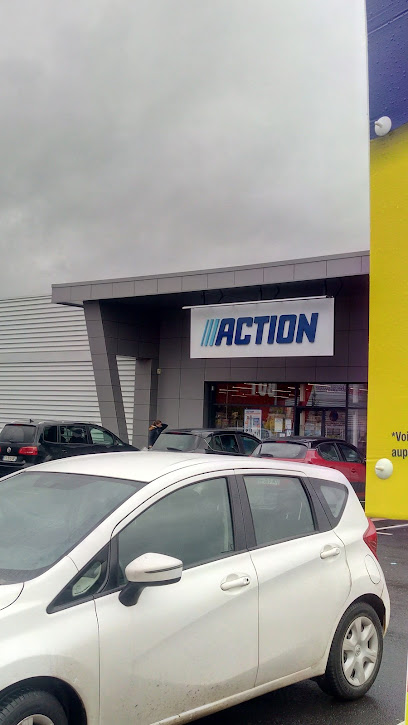
Action Pont L Eveque
23.5 km
Explore Action Pont L'Évêque for a unique shopping experience with a wide range of products from DIY supplies to home goods and more.
Essential bars & hidden hideouts

Au Fût et à mesure Le Havre
0.8 km
Discover a lively beer hall in Le Havre offering a vibrant mix of craft beers, live music, and a welcoming atmosphere.
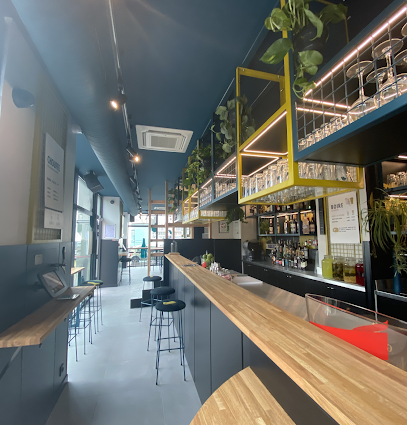
Le Bar du Soleil
14.0 km
Experience the elegance of French cuisine at Le Bar du Soleil, where every meal is enhanced by stunning coastal views and a vibrant atmosphere.
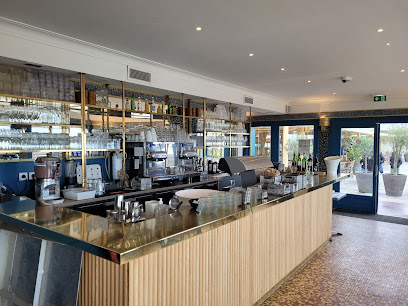
Le Bar du Normandy
14.1 km
Experience elegance and relaxation at Le Bar du Normandy in Deauville, where exquisite cocktails and a chic atmosphere await you.
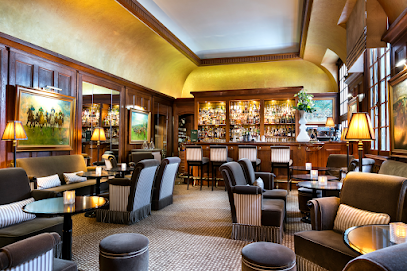
Le Manhattan
14.1 km
Experience the vibrant nightlife of Deauville at Le Manhattan, where exquisite cocktails meet chic ambiance in a stylish lounge setting.
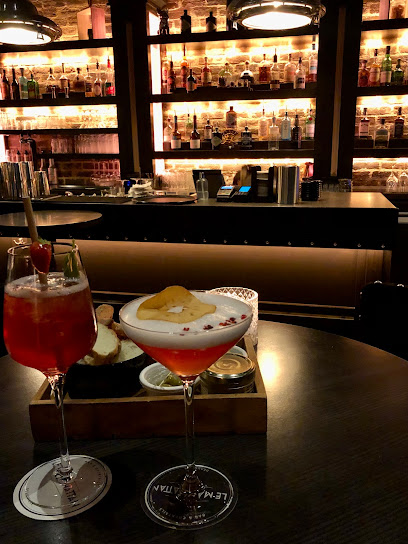
Hurricane Bar
19.7 km
Discover the vibrant atmosphere at Hurricane Bar, where cocktails, chocolates, and coastal charm come together in Villers-sur-Mer.
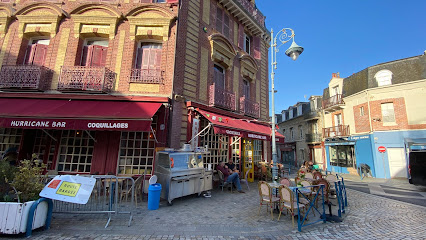
Bar à huîtres L'annexe
23.9 km
Experience the taste of the sea at Bar à huîtres L'annexe, Houlgate's premier spot for fresh oysters and local seafood delights.
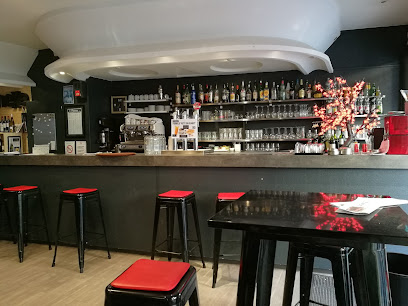
Le Yard
25.7 km
Experience the charm of Le Yard, a cozy pub in Étretat offering a wide selection of drinks and a warm atmosphere perfect for relaxation.
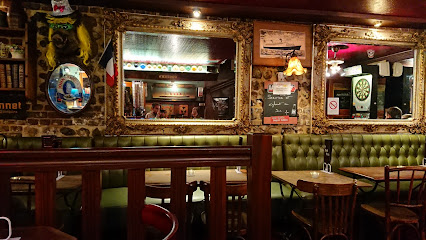
Le Pub
26.7 km
Discover the charm of Le Pub in Cabourg, where delicious cuisine meets a vibrant atmosphere, perfect for relaxation and socializing by the sea.
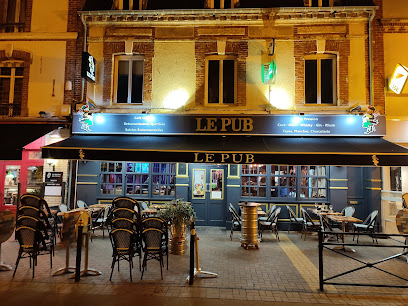
The Dad and Son
26.8 km
Discover the charm of Cabourg at The Dad and Son, a cozy bar known for its welcoming atmosphere and delightful drink selection.
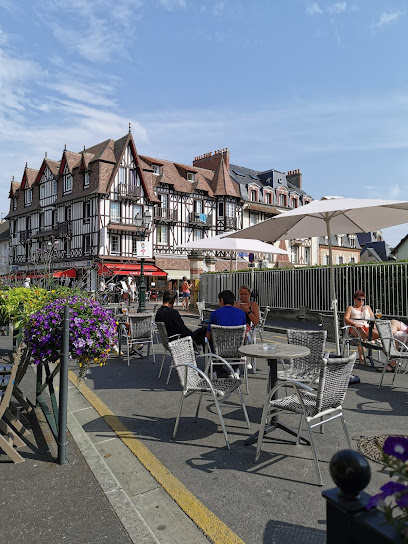
Carpedien Cabourg
27.0 km
Experience the best of French wine and cuisine at Carpedien Cabourg, a charming wine bar and restaurant overlooking the picturesque coast.
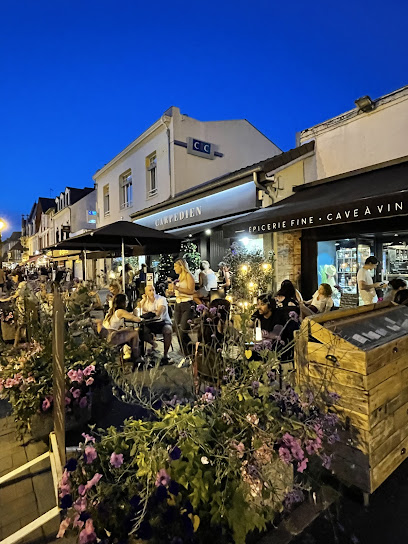
Surf BAR Franceville Beach
31.8 km
Discover Surf BAR Franceville Beach, a perfect seaside retreat for refreshing drinks and breathtaking views in the heart of Normandy.
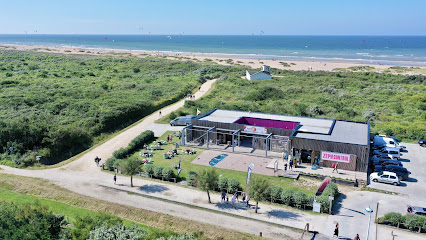
Bar des sports
37.3 km
Experience the vibrant atmosphere of Bar des Sports in Cambremer, where sports, camaraderie, and local culture blend seamlessly.
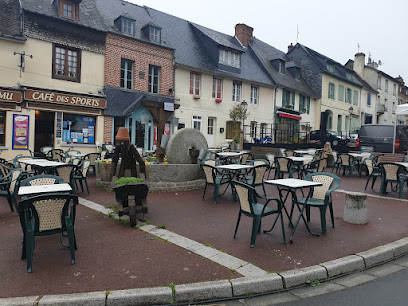
La Famille
38.9 km
Experience the warmth and charm of La Famille, a cozy bar and cafe in Lisieux with a delightful selection of beverages and a friendly atmosphere.
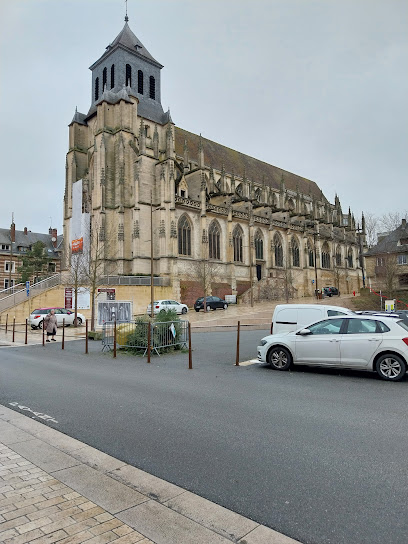
Le 33
39.0 km
Discover the vibrant atmosphere and exquisite cocktails at Le 33, the perfect lounge in Lisieux for relaxation and socializing.
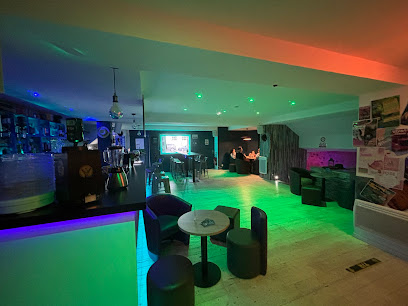
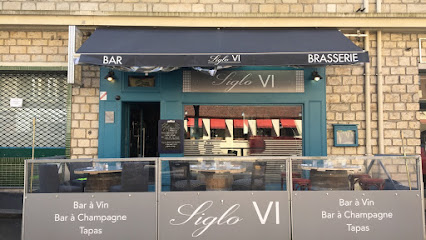
SIGLO VI
39.1 km
Experience the vibrant local culture at SIGLO VI, a charming bar in the heart of Lisieux, perfect for unwinding with friends.
Nightclubs & after hour spots

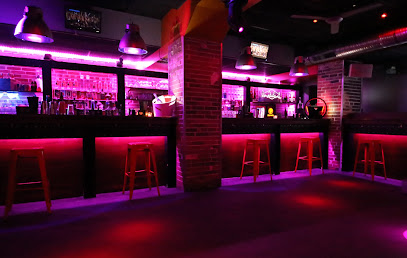
Le Dream
2.6 km
Experience the vibrant nightlife of Le Havre at Le Dream, where electrifying music, stylish ambiance, and unforgettable moments await.
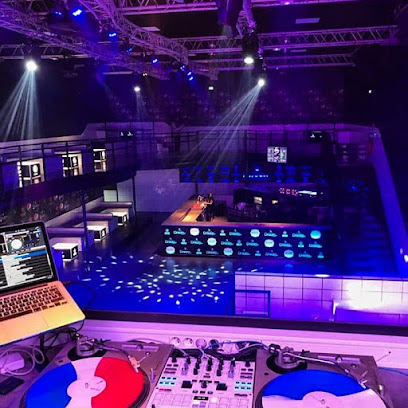
Le Zénith
13.2 km
Experience the electrifying nightlife at Le Zénith, Oudalle's premier night club offering music, dancing, and vibrant energy.
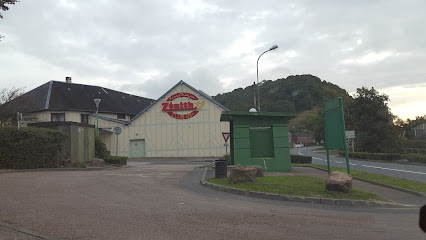
Le Chic
14.0 km
Le Chic: Deauville's premier night club, offering an unforgettable nightlife experience with electrifying music and exquisite cocktails.
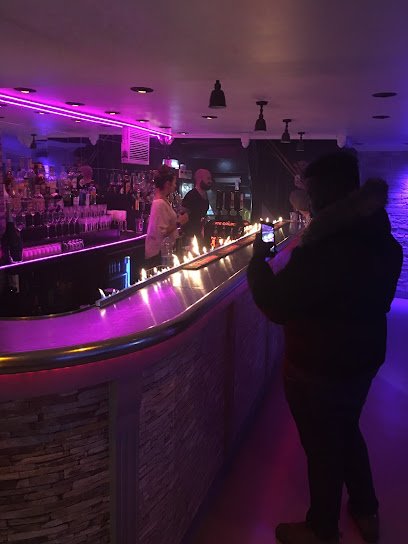
Y Club
14.0 km
Dive into Deauville's nightlife at Y Club, where electrifying music, stylish ambiance, and unforgettable moments await every visitor.
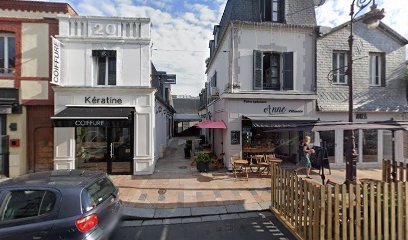
The Point Bar
14.1 km
Discover the vibrant nightlife at The Point Bar in Deauville, where dance, drinks, and unforgettable memories await.
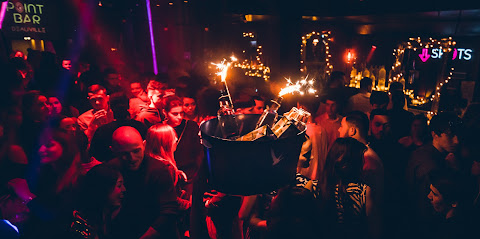
Le Club Deauville
14.1 km
Experience the electrifying nightlife of Deauville at Le Club Deauville, where music and dance come alive until dawn.
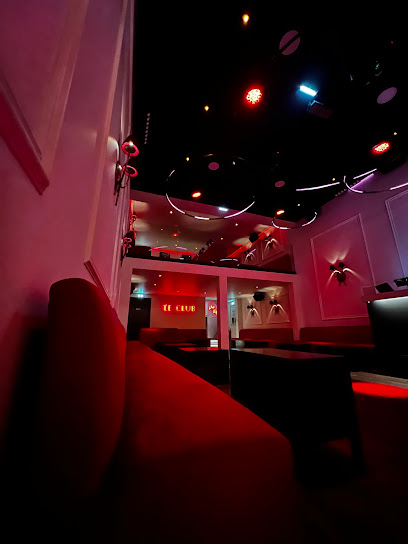
Privilège Club
22.4 km
Immerse yourself in the electric nightlife of Pont-l'Évêque at Privilège Club, where music and dance unite for an unforgettable experience.
Havana Club
31.3 km
Dive into the lively nightlife at Havana Club, where music, dance, and vibrant atmosphere come together for an unforgettable evening in Merville-Franceville-Plage.
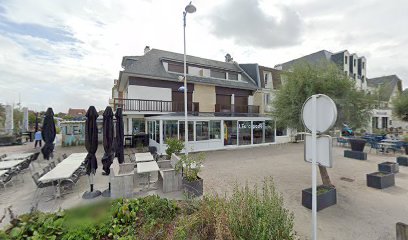
Le Cercle
34.1 km
Discover the vibrant nightlife at Le Cercle in Ouistreham, where music, dance, and excitement await every night.
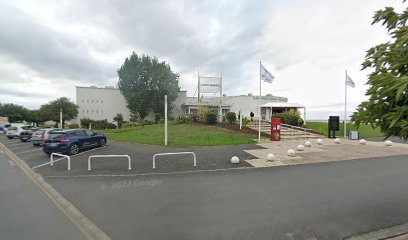
Millénium
39.0 km
Join the vibrant party scene at Millénium, Lisieux’s premier disco club, where electrifying music and a lively atmosphere await you.
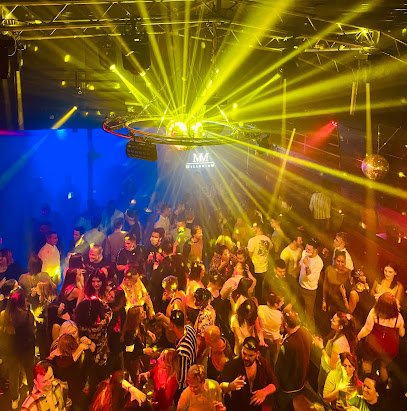
What’s
47.1 km
Discover the vibrant nightlife of Caen at What’s, the ultimate destination for music, dancing, and unforgettable experiences.
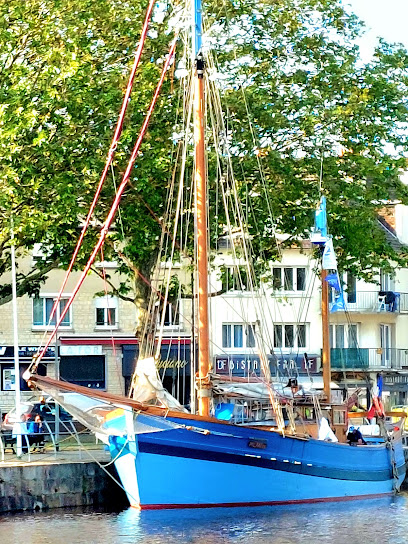
Olly's Caen
47.2 km
Discover the exhilarating nightlife at Olly's Caen, a top night club in Caen, where unforgettable moments and great music await.
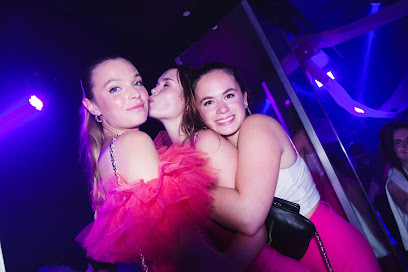
Le 32
47.2 km
Experience the heartbeat of Caen's nightlife at Le 32, a vibrant night club and bar that promises unforgettable evenings of music and dance.
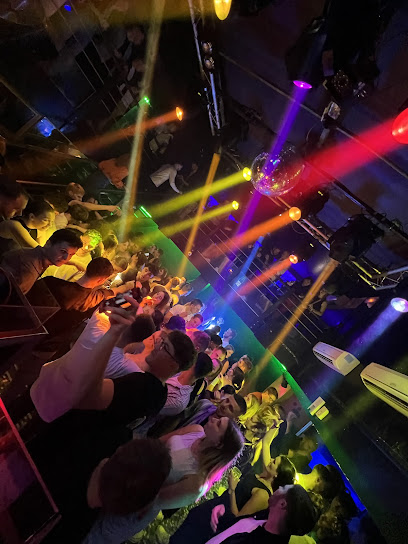
Nuit Blanche
47.2 km
Discover the electrifying nightlife of Caen at Nuit Blanche, a vibrant night club offering a mix of music and dance in a lively atmosphere.
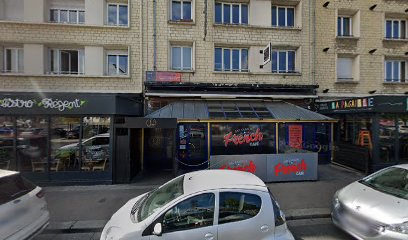
QG - Caen
47.3 km
Dive into the vibrant nightlife of Caen at QG, where music, dancing, and unforgettable experiences await you.