

St. Stephen's Church, Caen Travel Guide
Free Guide: Discover Caen's Église Saint-Étienne, a magnificent Norman church founded by William the Conqueror, blending Romanesque and Gothic styles with a rich history and serene atmosphere.


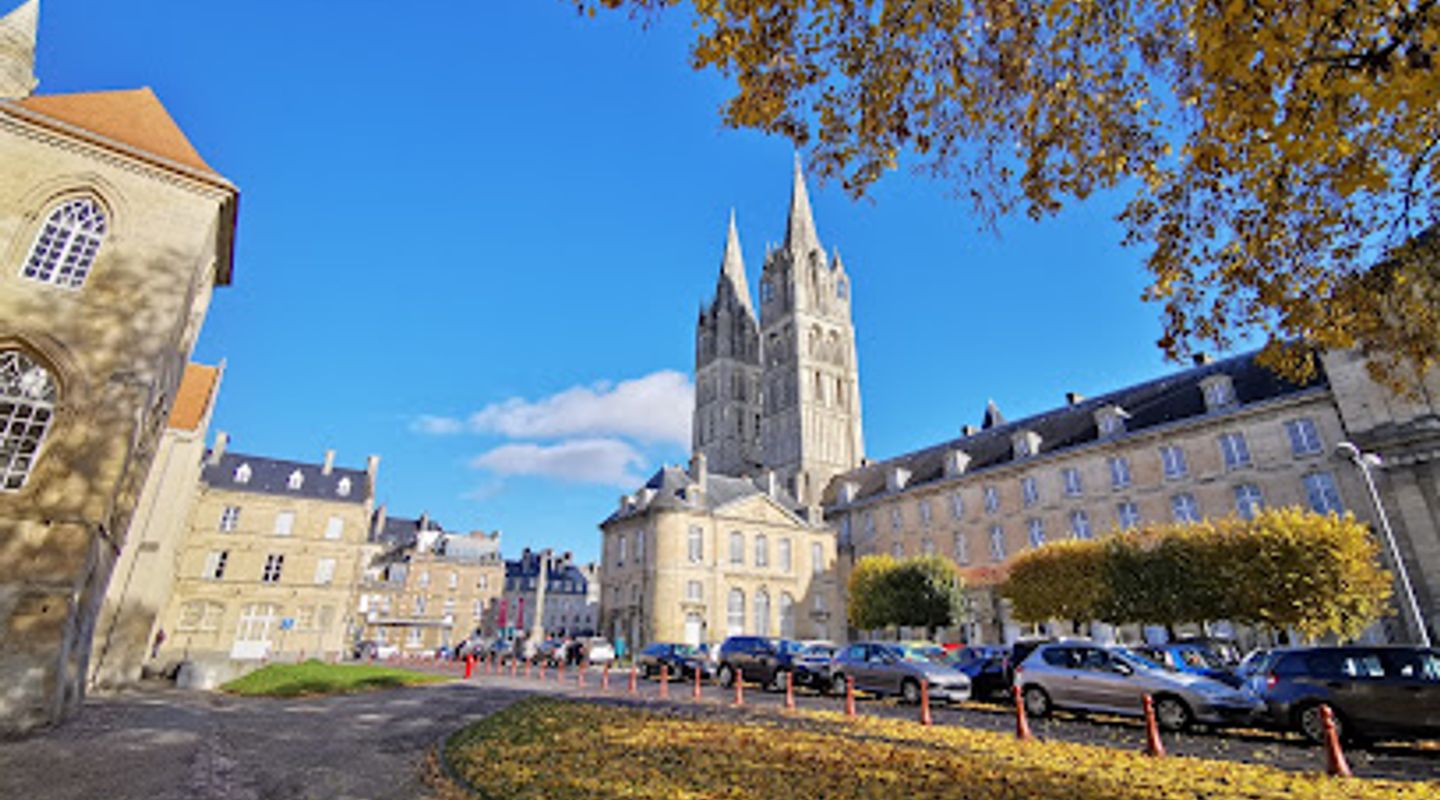
A brief summary of St. Stephen's Church
Discover Caen's Église Saint-Étienne, a magnificent Norman church founded by William the Conqueror, blending Romanesque and Gothic styles with a rich history and serene atmosphere.
St. Stephen's Church, or Église Saint-Étienne, in Caen, Normandy, is a captivating testament to Norman architecture and history. Founded by William the Conqueror in the 11th century as part of the Abbaye-aux-Hommes (Men's Abbey), the church showcases a blend of Romanesque and Gothic styles, reflecting centuries of expansion and restoration. Its imposing facade, featuring twin towers that reach towards the sky, draws visitors into a serene interior adorned with intricate stonework and stained glass windows. The church's historical significance is profound, having served as William's burial site and a refuge for Caen's inhabitants during World War II. Today, St. Stephen's continues to function as a place of worship and a venue for cultural events, offering a unique glimpse into Normandy's spiritual and artistic heritage. Exploring the church provides a tranquil escape and a chance to appreciate the enduring beauty and historical depth of this sacred space, making it a must-see destination in Caen.
Opening hours
- Mon9 am–7 pm
- Tue9 am–7 pm
- Wed9 am–7 pm
- Thu9 am–7 pm
- Fri9 am–7 pm
- Sat9 am–6 pm
- Sun9 am–8 pm
Opening hours as listed on the venue’s Google Business Profile. Hours can change for services and special events, so check with the venue before you go.
- Address
- Pl. Mgr des Hameaux, 14000 Caen
- Phone
- Website
Getting there
Walking
Public Transport
Taxi/Ride-Share
Driving
Discover more about St. Stephen's Church
Overview
St. Stephen's Church, or Église Saint-Étienne, stands as a magnificent symbol of Caen's rich history and architectural prowess. Conceived in the 11th century by William the Conqueror as the centerpiece of the Abbaye-aux-Hommes (Men's Abbey), this Benedictine monastery and church complex embodies the power and piety of the Norman era. The church's construction was initiated in 1063, with its consecration taking place in 1077, marking the beginning of its long and storied existence. Approaching St. Stephen's, one is immediately struck by its imposing western facade. The twin towers, added in the 13th century, exemplify the transition from Romanesque to Gothic architectural styles. These towers, rising majestically above the cityscape, create a visual harmony that has influenced countless churches across the region and beyond. The intricate stone carvings that adorn the entrance portals depict biblical stories and scenes from the lives of saints, offering a visual catechism for medieval worshippers and modern visitors alike. The facade presents a sober yet commanding presence, reflecting the Norman aesthetic of strength and simplicity. Stepping inside the church, visitors are enveloped in an atmosphere of reverent calm. The soaring nave, with its elegant pointed arches and slender columns, draws the gaze upward towards the vaulted ceiling. Sunlight filters through stained glass windows, casting colorful patterns across the stone floor and illuminating centuries-old sculptures and religious artifacts. The interior elevation, divided into three levels – the nave arcade, gallery, and clerestory – creates a sense of balance and harmony. The ribbed vaulting in the nave, introduced around 1120, is considered one of the earliest examples of this architectural innovation in France, influencing the design of numerous churches, including Durham Cathedral in England. The church's history is deeply intertwined with the life of William the Conqueror. He chose Caen as the site for his mausoleum, and St. Stephen's served as his final resting place. Although his original tombstone was destroyed during the French Revolution, the church remains an important pilgrimage site for those interested in Norman history and the legacy of the Conqueror. The abbey buildings, spared from destruction during the bombings of 1944 because they served as a refuge for the citizenry of Caen, further underscore the church's significance in the city's collective memory. Over the centuries, St. Stephen's has undergone numerous expansions, renovations, and restorations, resulting in a fascinating blend of architectural styles. The original Romanesque design was enhanced with Gothic elements, including interlocking chapels and flying buttresses added in the 12th century. These additions not only provided structural support but also allowed for larger windows, filling the interior with light and creating a sense of ethereal beauty. The church's evolution reflects the changing tastes and technologies of successive generations, making it a living testament to the enduring power of faith, art, and human aspiration. Today, St. Stephen's Church continues to serve as a place of worship, with regular services held that uphold centuries-old traditions. It also hosts concerts, exhibitions, and cultural events, embracing its role as a center for both spiritual and artistic expression in modern Caen. Visitors are encouraged to explore the church at their own pace, from the crypts below to the upper galleries, taking in the architectural features, historical events, and artistic treasures that make St. Stephen's such a unique and valuable part of Caen's heritage. Exploring the surrounding Abbaye-aux-Hommes offers further insights into the monastic life and historical context of St. Stephen's. The abbey buildings, now home to Caen's City Hall, feature a superb Tuscan-style cloister and halls adorned with paintings and wood-paneled rooms. Guided tours provide in-depth information about the abbey's history and architecture, enhancing the visitor experience. For those seeking to delve deeper into Caen's rich historical tapestry, a visit to the nearby Caen Castle is highly recommended. This formidable fortress, with its own fascinating stories to tell, offers a complementary perspective on the city's medieval past and architectural heritage. Additionally, the Musée des Beaux-Arts de Caen houses an impressive collection of art from the medieval period to the present day, providing further context for understanding the artistic and cultural significance of St. Stephen's Church. St. Stephen's Church stands not only as a masterpiece of medieval architecture but as a living monument to the enduring spirit of Caen and its people. Its serene atmosphere, historical significance, and architectural beauty make it an unmissable destination for tourists wishing to immerse themselves in the spiritual and historical fabric of Normandy. Whether you are a history buff, an architecture enthusiast, or simply seeking a moment of tranquility, St. Stephen's Church offers a profound and unforgettable experience. Visiting St. Stephen's Church is a journey through time, inviting contemplation of the artistry, faith, and historical significance that have shaped this corner of France. As the sun sets and the church is bathed in the warm glow of evening light, its enduring beauty and timeless appeal become even more apparent, leaving a lasting impression on all who visit.
Evendo Review Centre
 Google
Guest reviews
Explore St. Stephen's Church on the map
A handpicked selection of must-see spots near St. Stephen's Church, mapped for you.
Get your free copy of our complete guide to St. Stephen's Church, delivered straight to you.
Everything on this page, from opening hours and how to get there to Eve’s tips and the best time to go, in one PDF you can read offline, print or share.
Already have an account? Sign in
Your St. Stephen's Church guide is ready.
We'll send it to · Not you? Sign out

Getting your guide ready…
We are putting together a fresh copy of the St. Stephen's Church guide. This can take up to a minute.
This can take a few moments. If your browser asks, choose Allow so the download can start. You'll find the guide in your Downloads folder.
Nothing happened? Download it again
Sorry, the guide is taking longer than usual. Please try again in a minute, or get it by email instead.
Unlock the best of St. Stephen's Church
Skip-the-line tickets, guided tours with entry, and walking tours of the area, booked in a few clicks.

Other nearby places you may find interesting
The closest places of the same kind, if this one is not quite what you had in mind.
-
-
-
-
-


Swipe for more places
More to explore near St. Stephen's Church

 Best experiences near St. Stephen's Church
 Best hotels near St. Stephen's Church
 Best landmarks near St. Stephen's Church
 Best attractions near St. Stephen's Church
 Best shops near St. Stephen's Church
 Best restaurants near St. Stephen's Church
 Best bars near St. Stephen's Church
Do you manage this location?
Take control to get all the benefits, like improved information, better appearance, and stronger visibility across AI-powered discovery.
Explore more

Explore more of Caen
Discover Caen: A city where history meets modern vibrancy. From medieval abbeys to bustling markets, explore the rich heritage and vibrant culture of Normandy's hidden gem.
Explore Caen
Explore more of France
Explore France: A land of romance, history, and unparalleled beauty, from the iconic streets of Paris to the serene landscapes of Provence and the luxury of the French Riviera.
Explore France
