Background

The French Riviera: A Mediterranean Paradise

Experience the allure of the French Riviera: where azure waters meet glamorous cities, historic villages, and world-class culture along the sun-kissed Mediterranean coast.

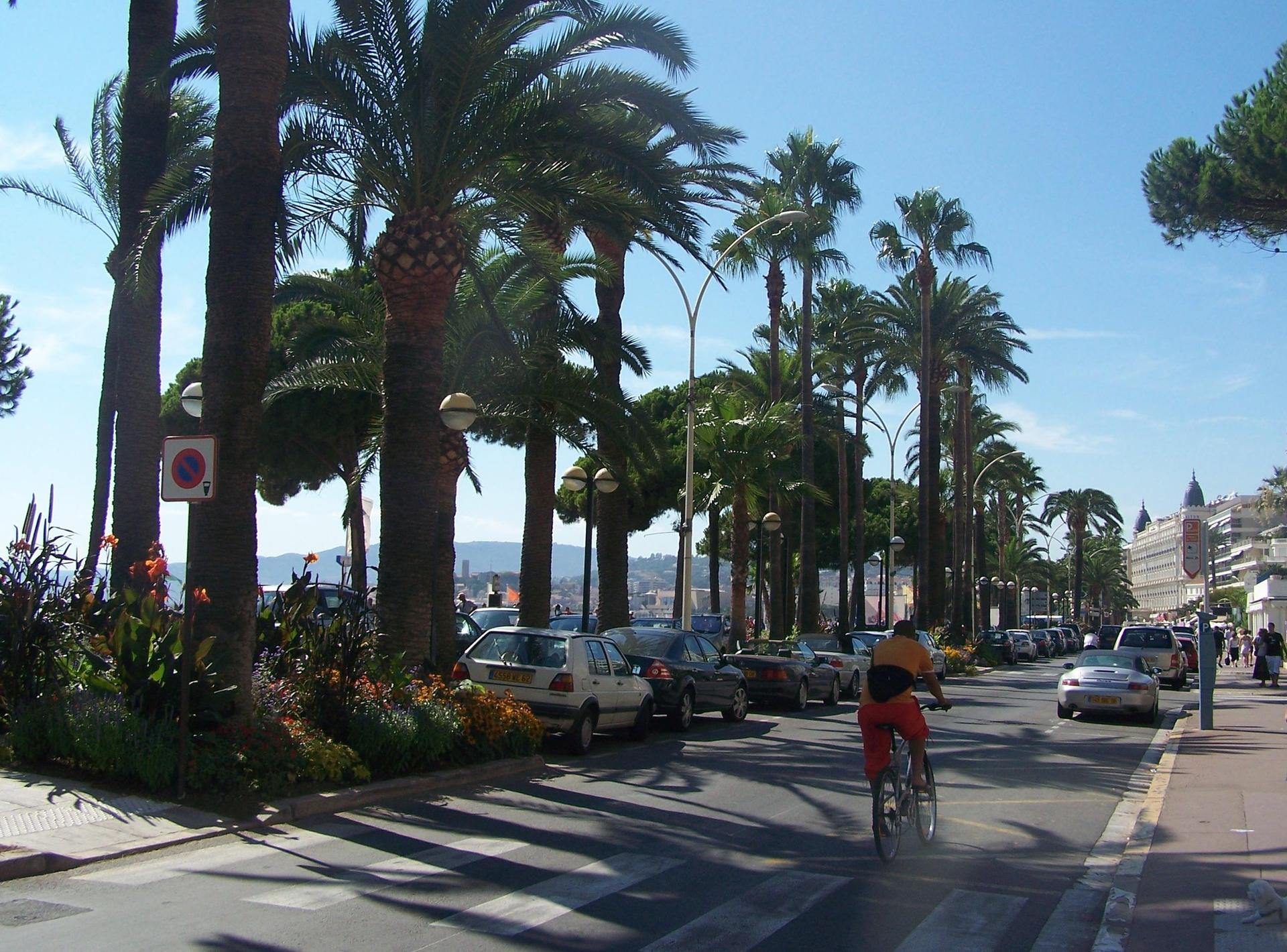
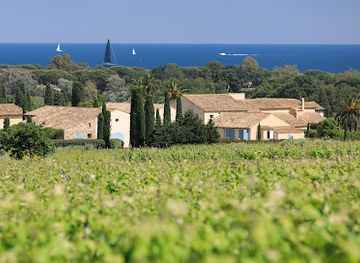
The French Riviera, also known as the Côte d'Azur, is a captivating stretch of coastline in the southeast corner of France, bordering the Mediterranean Sea. This glamorous destination is renowned for its stunning natural beauty, encompassing picturesque beaches, dramatic cliffs, and azure waters. The region boasts a rich history, having evolved from a winter health resort for the British upper class in the 18th century to a playground for aristocrats, artists, and celebrities. Today, the French Riviera continues to enchant visitors with its blend of luxury, culture, and breathtaking scenery, offering a diverse range of experiences from exploring charming villages to indulging in world-class cuisine and soaking up the sun on its iconic beaches. The area includes famous cities such as Nice, Cannes, and Monaco, as well as quieter spots such as Grasse and Menton.

A brief summary to French Riviera

  • FR

Local tips

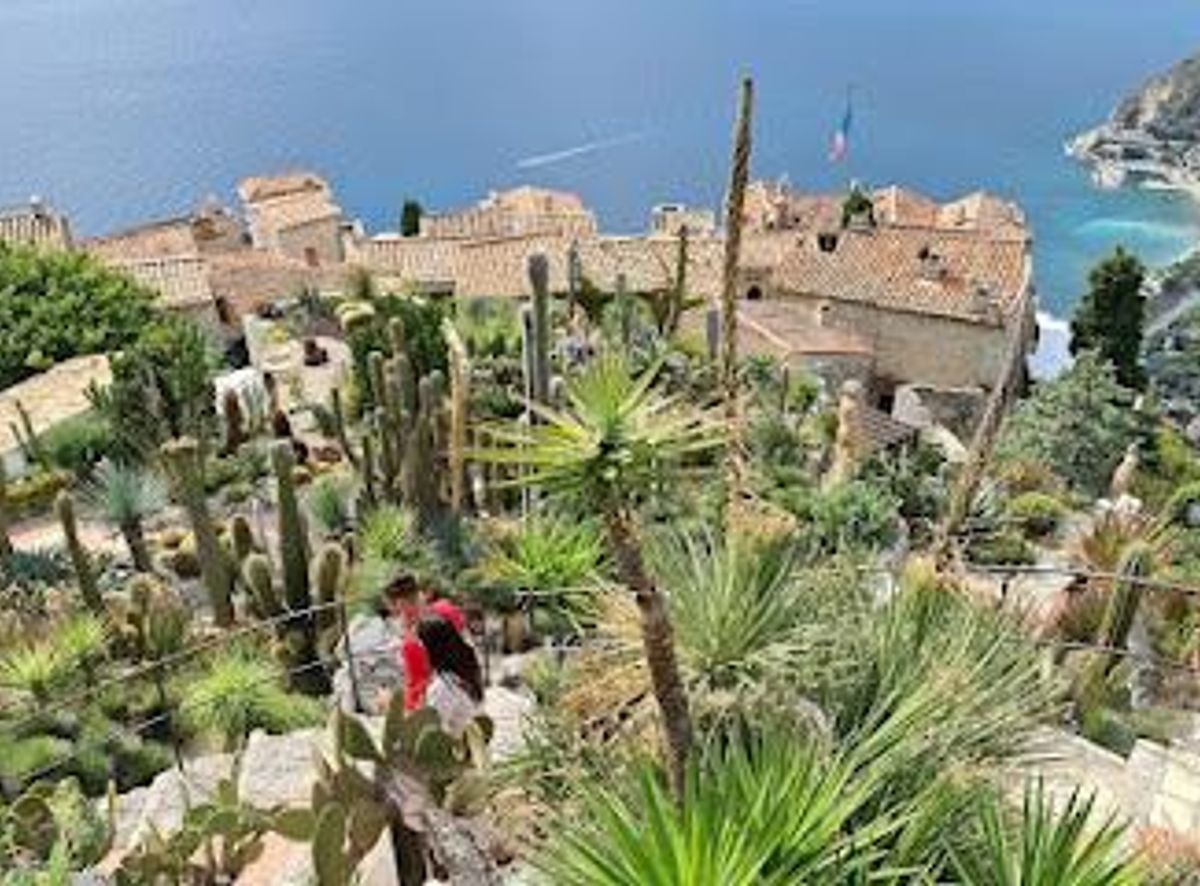
  • Explore beyond the famous cities: Discover the charm of hilltop villages like Èze and Saint-Paul-de-Vence for breathtaking views and a taste of local culture.
  • Utilize public transportation: The French Riviera has an excellent bus and train network, making it easy and affordable to explore the region without a car.
  • Visit during the shoulder season: Enjoy pleasant weather and fewer crowds by visiting in the spring or fall.
  • Indulge in local cuisine: Sample fresh seafood, Provençal specialties, and local wines at the region's diverse restaurants and bistros.
  • Pack for all occasions: Bring swimwear for the beaches, comfortable shoes for exploring villages, and elegant attire for evenings out.
widget icon

Getting There

  • Public Transport

    The French Riviera is well-served by an extensive network of buses and trains, connecting major cities and smaller towns. From Nice Airport (NCE), take Tram Line 2 into the city center (€1.50). From Nice-Ville train station, TER regional trains provide frequent and affordable access to coastal towns like Cannes (€7-10), Monaco (€4-5), and Menton (€5-6). Lignes d'Azur buses also operate throughout the region, with single tickets costing €1.50. Consider purchasing a day pass (€5) for unlimited travel within a specific zone. The 'Ticket Azur' (€1.50) allows transfers between Nice public transport and buses heading outside the city.

  • Taxi/Ride-Share

    Taxis and ride-sharing services like Uber are readily available in major cities like Nice, Cannes, and Monaco. However, they can be significantly more expensive than public transport, especially during peak season or events like the Cannes Film Festival. A short taxi ride within Nice or Cannes can cost between €15-€25. UberX is generally more affordable than traditional taxis, but surge pricing may apply during periods of high demand. Note that Uber is banned in Monaco, but you can take a quick walk over to the town of Beausoleil to catch your Uber.

  • Driving

    Driving offers flexibility to explore the French Riviera's scenic routes and hilltop villages, but it also presents challenges. Traffic congestion, especially during summer, can be heavy along coastal roads. Parking is limited and expensive in most towns. Paid street parking is indicated by broken white lines. Look for the nearest 'horodateur' (parking meter), pay for the desired time, and display the ticket on your windshield. Underground parking garages are available but can be costly (€2-€4 per hour). Consider renting a small car for easier maneuverability in narrow streets and tight parking spaces. Be aware of aggressive driving habits and prioritize public transport whenever possible.

  • Ferry

    Ferries offer a scenic alternative for traveling between some French Riviera towns, particularly during the tourist season. Trans Côte d'Azur and Riviera Lines operate seasonal ferry services from Nice, Cannes, and Juan-les-Pins to destinations like Monaco, St. Tropez, and the Lérins Islands. A ferry from Nice to Monaco takes approximately 45 minutes and costs around €30-€40 one way. A ferry from Cannes to St Tropez takes approximately 1 hour and 15 minutes. Check schedules and book tickets in advance, especially during peak season.

Unlock the Best of French Riviera

Buy tickets

    No tickets available

Book tours with entry

    No tours available

Book tours without entry

    No tours available

Discover more about French Riviera

The French Riviera, or Côte d'Azur, is more than just a destination; it's an experience, a lifestyle, and a dream woven into the fabric of the Mediterranean landscape. This sun-kissed coastline in southeastern France has captivated visitors for centuries, evolving from a remote and impoverished region to a world-renowned haven of luxury, culture, and natural beauty. The history of the French Riviera is as rich and layered as the landscape itself. In prehistoric times, the area was inhabited by primitive peoples, as evidenced by ancient tools and artifacts discovered in caves near Roquebrune-Cap-Martin and Nice. Tribal people known as “Ligurians” were the first known inhabitants of the French Riviera in historical times. The Romans left their mark, establishing settlements and trade routes that shaped the region's development. During the Middle Ages, small city-states like Nice, Grasse, and Sospel emerged, each with its own unique identity and alliances. The region was thrown into turmoil which ended with the Treaty of Villefranche in 1538. The transformation of the French Riviera into a fashionable destination began in the 18th century when English aristocrats discovered its mild winter climate and scenic beauty. They sought respite from the harsh northern winters, establishing the region as a winter health resort. This seasonal migration of the English upper classes was quickly copied by other European elites, all in search of a mild winter. The 18th century created the winter resort, and the 19th century sealed it. The arrival of the railway in the mid-19th century further fueled the Riviera's growth, making it more accessible to visitors from across Europe. Grand hotels, casinos, and villas sprung up along the coast, catering to the influx of wealthy tourists. The French Riviera became a playground for British, Russian, and other aristocrats, such as Queen Victoria, Tsar Alexander II and King Edward VII, when he was Prince of Wales. In the summer, it also played home to many members of the Rothschild family. The natural landscapes mixed with the luxurious infrastructure made the Riviera irresistible for kings, tzars, and nobles from all Europe. Artists and writers, drawn to the region's beauty and vibrant atmosphere, added to its allure. Pablo Picasso, Henri Matisse, Francis Bacon, Edith Wharton, Somerset Maugham and Aldous Huxley, as well as wealthy Americans and Europeans frequented the area. Today, the French Riviera continues to enchant visitors with its diverse offerings. Nice, the region's capital, boasts a vibrant atmosphere, a stunning promenade, and a charming old town. Cannes, famous for its annual film festival, exudes glamour and sophistication. Monaco, a sovereign city-state, is renowned for its opulent casinos, luxurious hotels, and the prestigious Monaco Grand Prix. Menton, with its colorful buildings and tranquil atmosphere, offers a taste of the Italian Riviera. Saint-Tropez, once a humble fishing village, is now a glamorous resort town known for its beaches and nightlife. Beyond the famous cities, the French Riviera is dotted with charming villages perched on hilltops, offering breathtaking views of the coastline. Èze, Saint-Paul-de-Vence, and Roquebrune-Cap-Martin are just a few examples of these picturesque villages, each with its own unique character and history. The French Riviera is also a haven for art lovers, with numerous museums and galleries showcasing the works of renowned artists who were inspired by the region's beauty. The Matisse Museum in Nice, the Picasso Museum in Antibes, and the Fondation Maeght in Saint-Paul-de-Vence are just a few of the cultural gems that await visitors. For those seeking outdoor adventures, the French Riviera offers a wealth of opportunities. Hiking trails wind through the hills, providing stunning views of the coastline. Water sports enthusiasts can enjoy swimming, sailing, windsurfing, and diving in the crystal-clear waters of the Mediterranean. The region is also home to numerous gardens and parks, offering a tranquil escape from the hustle and bustle of the cities. The French Riviera is a culinary paradise, with a wide range of restaurants serving fresh seafood, Provençal specialties, and international cuisine. From Michelin-starred restaurants to cozy bistros, there is something to satisfy every palate. The region is also known for its local wines, particularly the rosé wines of Provence. The French Riviera is more than just a destination; it's a place where dreams come alive, where history and culture blend seamlessly with natural beauty, and where every visitor can find something to cherish. Whether you're seeking luxury, adventure, or simply a moment of tranquility, the French Riviera will captivate your senses and leave you with memories that will last a lifetime.

Popular Experiences near French Riviera

Popular Hotels near French Riviera

Select Currency