
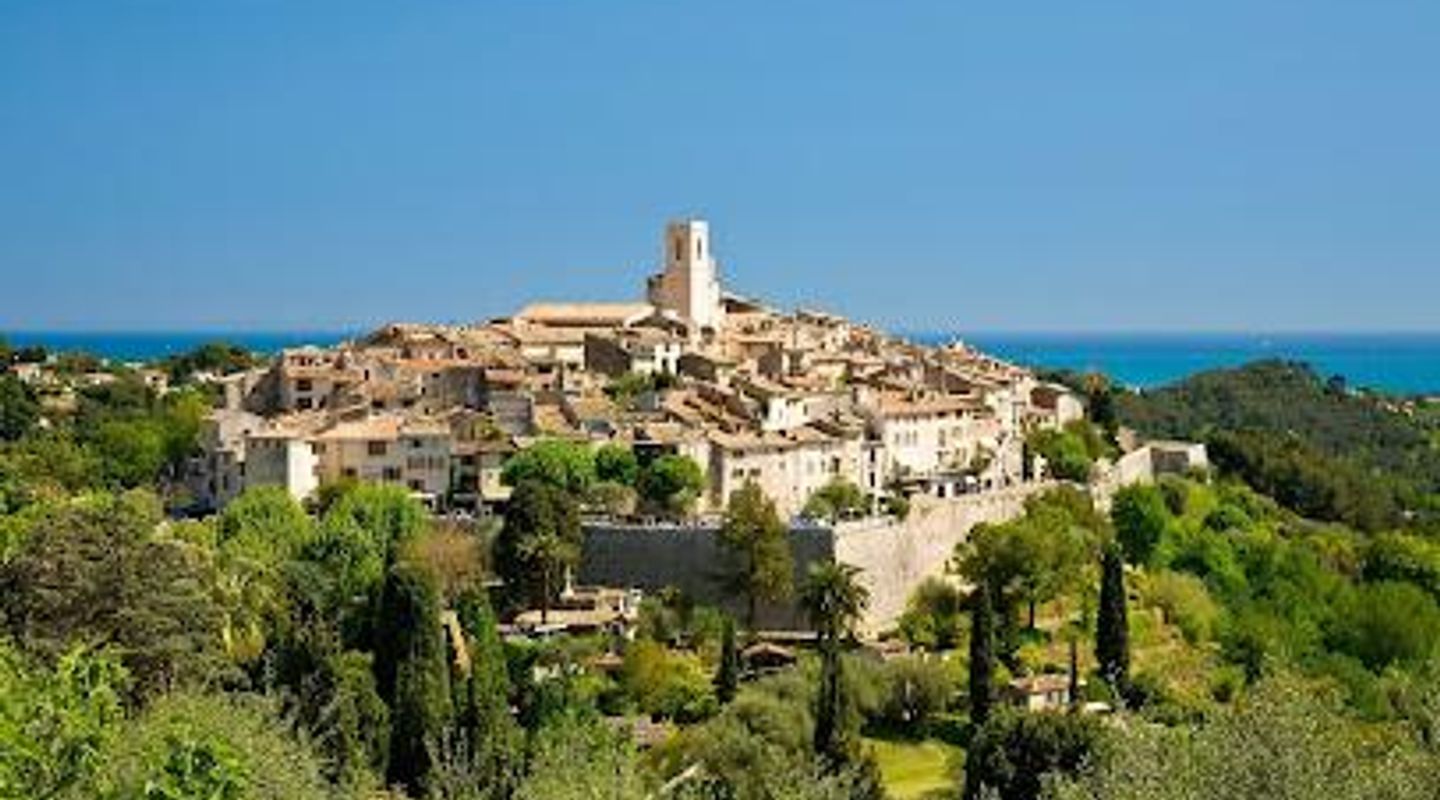
St Paul de Vence, Provence Travel Guide
Discover the enchanting medieval village of St Paul de Vence, a haven for artists and art lovers, offering breathtaking views and a taste of authentic Provençal charm on the French Riviera.
St Paul de Vence, a captivating medieval village perched high on a hilltop in the Alpes-Maritimes department of France, offers visitors a mesmerizing journey through history, art, and Provençal charm. Encircled by well-preserved 16th-century ramparts commissioned by François I, this enchanting village boasts panoramic views stretching to the Mediterranean Sea. Its narrow, cobblestone streets wind past centuries-old stone buildings, leading to art galleries, artisan shops, and inviting restaurants. The village's rich artistic heritage is palpable, with numerous galleries showcasing works inspired by the region's stunning landscapes and vibrant culture. St Paul de Vence is more than just a picturesque village; it's a living testament to the enduring allure of the French Riviera, where art, history, and natural beauty converge to create an unforgettable experience.
A brief summary to St Paul de Vence
- St Paul de Vence, FR

Know before you go
Hi, I'm Eve. Here are a few practical things to know before exploring St Paul de Vence.
- Visit early in the morning or late in the afternoon to avoid the crowds and experience a more peaceful atmosphere.
- Wear comfortable shoes as the village streets are cobblestone and can be uneven.
- Explore the ramparts for panoramic views of the surrounding countryside and the Mediterranean Sea.
- Visit the Fondation Maeght, a renowned modern art museum located just outside the village, showcasing works by famous 20th-century artists.
- Enjoy a meal at one of the village's many restaurants to savor authentic Provençal cuisine.
Do you manage this location?
Take control to get all the benefits, like improved information, better appearance, and stronger visibility across AI-powered discovery. Learn more about listing your business on Evendo
Activate your presenceOther nearby places you may find interesting
The closest places of the same kind, if this one is not quite what you had in mind.

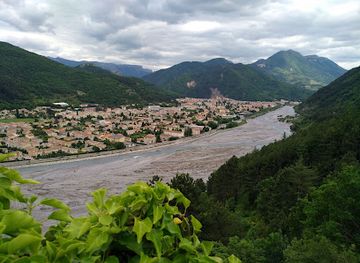
Explore St Paul de Vence on the Map
A handpicked selection of must-see spots near St Paul de Vence, mapped for you.
Unlock the Best of St Paul de Vence
Buy tickets
-
No tickets available
Book tours with entry


Getting There
-
Driving
If driving from Nice or other nearby towns, take the A8 motorway to either exit 47 (Villeneuve Loubet, Cagnes sur Mer, Vence) from Marseille or exit 48 (Cagnes sur Mer, Vence) from Nice/Italy. Follow signs for La Colle sur Loup/Vence on the RD 436. St Paul de Vence is situated between these two towns. Be aware that parking is available outside the village walls in several paid parking lots (e.g., Route des Serres, Montée des Trious, Chemin des Gardettes). Expect to pay around €2-€6 per hour, with daily rates varying. Indigo private underground parking is also available. Cars are not permitted inside the village itself, except for residents and hotel guests.
-
Public Transport
From Nice, take tram line 2 to the Parc Phoenix stop. Then, take bus #9 to Vence (Halte Routière de l'Ara stop). From Vence, take bus #655 to the 'Saint-Paul Village' stop. The 655 bus runs approximately every 30 minutes on weekdays and every 45 minutes on weekends. A single bus ticket costs €2.10. From the 'Saint-Paul Village' bus stop, it's about a 10-minute walk to the village entrance via Chemin de Sainte Claire.
-
Taxi/Ride-Share
From Nice Airport, a taxi or ride-share to St Paul de Vence will cost approximately €50-€65 and take around 22 minutes, depending on traffic. From Vence, a taxi to St Paul de Vence will cost approximately €15-€18.
Discover more about St Paul de Vence













Your all‑in‑one travel companion app
Explore expert travel guides, compare and book tours, experiences, hotels, and more—all from the palm of your hand. Download now for seamless trip planning wherever your wanderlust takes you.


Explore More of Provence
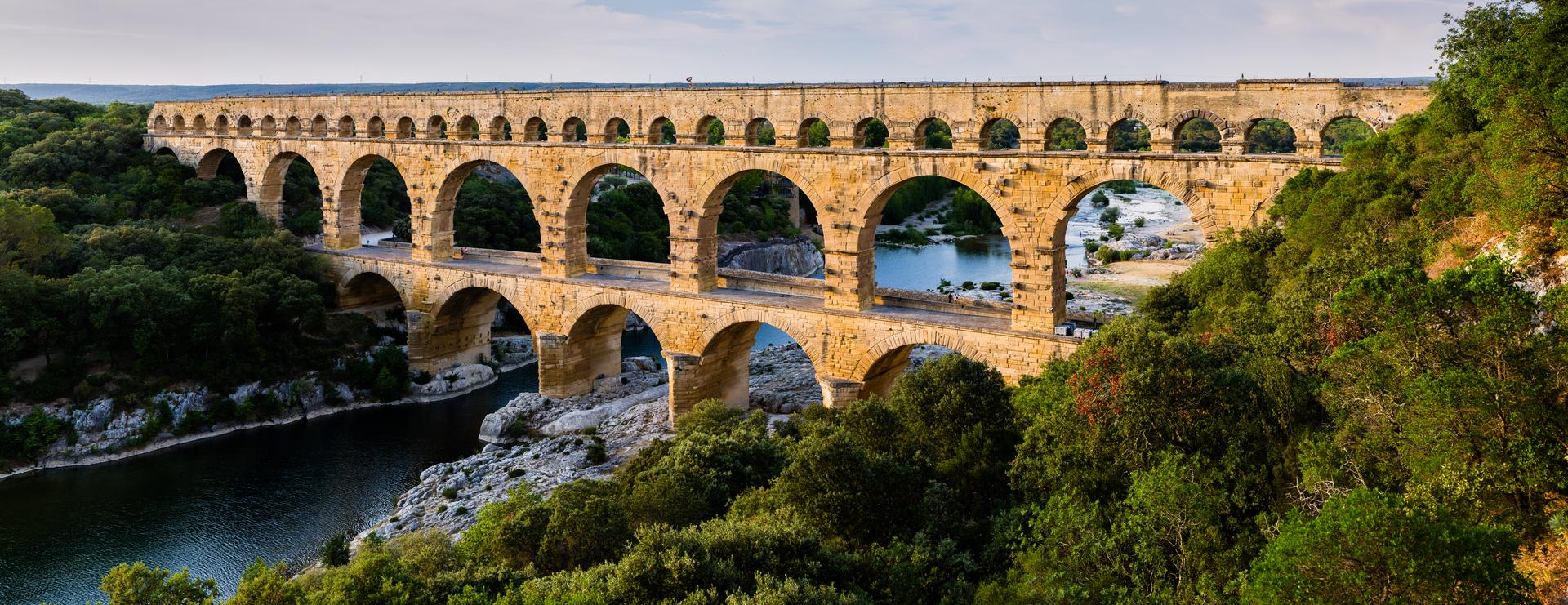
Looking beyond St Paul de Vence? Discover Provence for broader travel guides, local hot-spots, and regional highlights.
Explore Provence
Explore the enchanting Jardin Botanique de Nice, a lush botanical garden showcasing diverse plant species and serene landscapes in the heart of Nice, France.
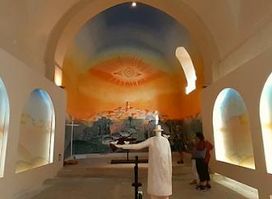
Discover the Chapelle des Pénitents Blancs in Saint-Paul-de-Vence, where the art of Jean-Michel Folon meets centuries of history in a serene and inspiring medieval setting.
