

Château de Villesavin Travel Guide
Free Guide: Discover the elegant Château de Villesavin, a Renaissance treasure in the Loire Valley, featuring a wedding museum, horse-drawn carriages, and beautiful gardens near Chambord and Cheverny.


A brief summary of Château de Villesavin
Discover the elegant Château de Villesavin, a Renaissance treasure in the Loire Valley, featuring a wedding museum, horse-drawn carriages, and beautiful gardens near Chambord and Cheverny.
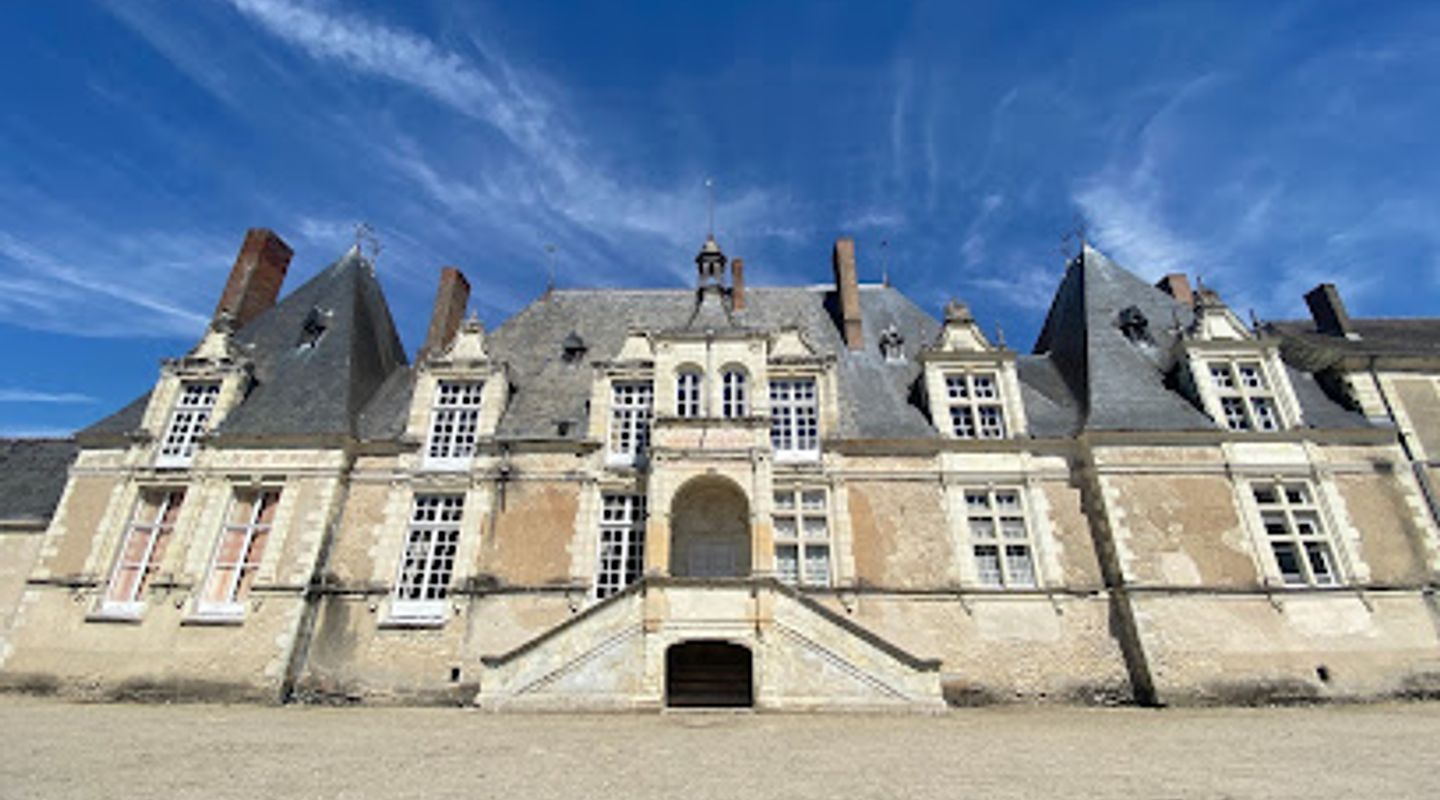
Château de Villesavin, often called the 'Chambord worksite cabin,' is a charming Renaissance castle built between 1527 and 1537 for Jean le Breton, secretary of finance to King Francis I. Though smaller than its famous neighbor, Chambord, Villesavin boasts elegant architecture, a painted chapel, and a delightful dovecote with a rotating ladder. Explore the Wedding Museum, showcasing wedding traditions since 1840, and the Horse-Drawn Carriage Museum, featuring 19th-century vehicles. Wander through the lovely grounds, complete with a mini-farm and a pollinator garden, making it a delightful visit for all ages. The chateau offers a glimpse into the lives of the French aristocracy and the rich history of the Loire Valley, providing a more intimate and personal experience than some of the larger, more crowded châteaux.
Opening hours
- Every day10 am–7 pm
Opening hours as listed on the venue’s Google Business Profile. Hours can change for services and special events, so check with the venue before you go.
- Address
- Château de, Villesavin, 41250 Tour-en-Sologne
- Phone
- Website
Getting there
Driving
Public Transport
Taxi/Ride-Share
Discover more about Château de Villesavin
Overview
Nestled in the heart of the Loire Valley, Château de Villesavin offers a captivating glimpse into the French Renaissance. Built in the early 16th century, this elegant château, constructed between 1527 and 1537, is often referred to as the 'Cabane de chantier de Chambord' or 'Chambord worksite cabin,' due to its connection to the construction of the nearby Château de Chambord. Jean le Breton, secretary of finance to King Francis I, oversaw the Chambord project and built Villesavin as his own residence. Though smaller in scale than Chambord, Villesavin exudes its own unique charm and elegance. Its architecture reflects the Italian Renaissance influence prevalent in the Loire Valley during this period. The château's symmetrical façade, harmonious proportions, and refined details showcase the skill of the French and Italian artisans who worked on both Villesavin and Chambord. The main building comprises a single floor, lending it an air of lightness and grace. Square pavilions replace the traditional round towers, adding a touch of modernity to the Renaissance design. Inside the château, visitors can explore richly decorated rooms furnished in the Renaissance and 19th-century styles. Guided tours, available primarily in French, offer insights into the history of the château and the families who have called it home. Informational texts are provided in multiple languages for international visitors. The tour guides share stories of the past, detailing the lives of the nobility and the significance of the various rooms and artifacts. One of the highlights of Château de Villesavin is its charming painted chapel. The chapel's walls are adorned with vibrant frescoes, depicting religious scenes and decorative motifs. The delicate brushwork and rich colors create a serene and spiritual atmosphere. The chapel stands as a testament to the artistic talent of the Renaissance period and the importance of religion in the lives of the château's inhabitants. Another notable feature of Villesavin is its dovecote, a symbol of wealth and status in the Renaissance era. This impressive structure houses over 1,500 nesting boxes, showcasing the scale of the château's agricultural operations and the importance of pigeons as a source of food and fertilizer. The dovecote's rotating ladder, a unique and ingenious design, allowed easy access to all the nesting boxes. The grounds of Château de Villesavin offer a delightful escape into nature. The English-style gardens feature manicured lawns, flower beds, and walking paths. Visitors can stroll through the gardens, admiring the beauty of the landscape and enjoying the tranquility of the surroundings. The estate also includes a mini-farm, home to various animals, including donkeys, providing entertainment for children and adults alike. Adding to the château's allure are its two unique museums. The Wedding Museum houses a fascinating collection of wedding costumes and accessories dating back to 1840. The exhibits showcase the evolution of wedding traditions and the changing styles of bridal attire. The Horse-Drawn Carriage Museum displays a collection of 19th-century carriages and children's vehicles, offering a glimpse into the history of transportation and leisure. In 2025, Château de Villesavin is set to open a new pollinator garden, dedicated to attracting and supporting bees and other pollinating insects. Located in the former vegetable garden, this space will feature a variety of flowering plants and a covered beehive, raising awareness about the importance of biodiversity and environmental conservation. Château de Villesavin is more than just a historical monument; it is a living testament to the past. The de Sparre family, who have owned the château for generations, continue to maintain and preserve its heritage. Their passion and dedication are evident in every detail, from the meticulously restored rooms to the beautifully landscaped gardens. A visit to Villesavin offers a personal and intimate experience, allowing visitors to connect with the history and culture of the Loire Valley in a meaningful way. Whether you are a history buff, an architecture enthusiast, or simply looking for a charming day trip, Château de Villesavin is sure to delight. Its elegant architecture, fascinating museums, and beautiful grounds offer something for everyone. Escape the crowds of the larger châteaux and discover the hidden gem that is Château de Villesavin.
Evendo Review Centre
 Google
Guest reviews
Explore Château de Villesavin on the map
A handpicked selection of must-see spots near Château de Villesavin, mapped for you.
Get your free copy of our complete guide to Château de Villesavin, delivered straight to you.
Everything on this page, from opening hours and how to get there to Eve’s tips and the best time to go, in one PDF you can read offline, print or share.
Already have an account? Sign in
Your Château de Villesavin guide is ready.
We'll send it to · Not you? Sign out

Getting your guide ready…
We are putting together a fresh copy of the Château de Villesavin guide. This can take up to a minute.
This can take a few moments. If your browser asks, choose Allow so the download can start. You'll find the guide in your Downloads folder.
Nothing happened? Download it again
Sorry, the guide is taking longer than usual. Please try again in a minute, or get it by email instead.
Unlock the best of Château de Villesavin
Skip-the-line tickets, guided tours with entry, and walking tours of the area, booked in a few clicks.


Other nearby places you may find interesting
The closest places of the same kind, if this one is not quite what you had in mind.
-
-
-
-
-


Swipe for more places
More to explore near Château de Villesavin

 Best experiences near Château de Villesavin
 Best hotels near Château de Villesavin
 Best landmarks near Château de Villesavin
 Best attractions near Château de Villesavin
 Best shops near Château de Villesavin
 Best restaurants near Château de Villesavin
 Best bars near Château de Villesavin
Do you manage this location?
Take control to get all the benefits, like improved information, better appearance, and stronger visibility across AI-powered discovery.
Explore more

Explore more of Centre-Val de Loire
Explore Centre-Val de Loire, the heart of French heritage, with its stunning châteaux, lush vineyards, and picturesque villages in the enchanting Loire Valley.
Explore Centre-Val de Loire
Explore more of France
Explore France: A land of romance, history, and unparalleled beauty, from the iconic streets of Paris to the serene landscapes of Provence and the luxury of the French Riviera.
Explore France
