Abbaye Saint-Pierre d'Hautvillers: The Cradle of Champagne
Discover the Abbaye Saint-Pierre d'Hautvillers, the spiritual home of champagne, where Dom Pérignon perfected his craft and shaped the world's most celebrated sparkling wine in the heart of the Champagne region.
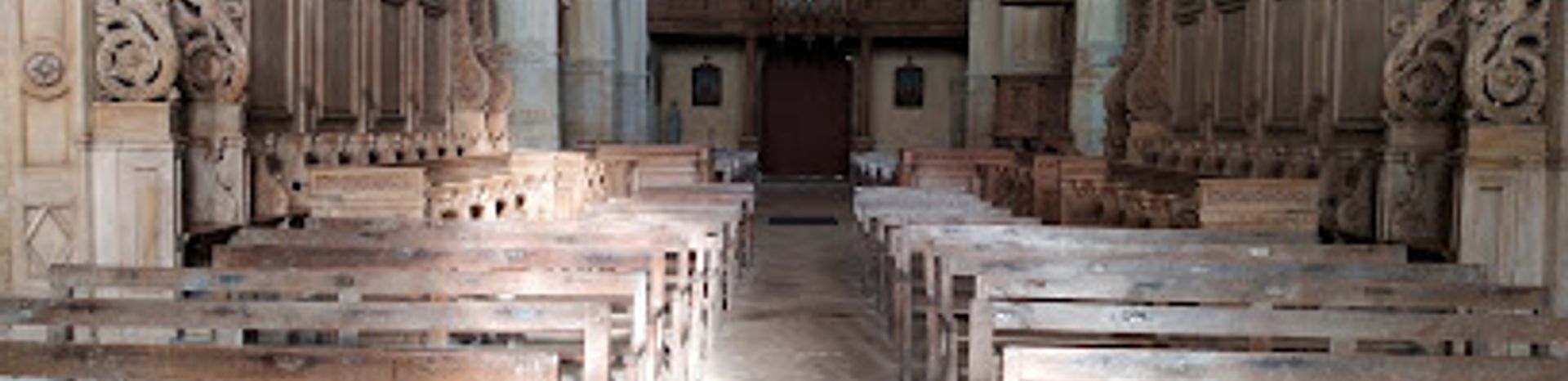
Nestled in the heart of the Champagne region, the Abbaye Saint-Pierre d'Hautvillers is a historic Benedictine abbey with strong ties to the creation of champagne. Founded in 650 by Saint Nivard, it gained prominence as the home of Dom Pérignon, the monk who significantly contributed to the development of sparkling wine. Although the abbey itself is not generally open to the public as it is owned by Moët & Chandon, its legacy permeates the charming village of Hautvillers. Visitors can explore the surrounding area, visit the Saint-Sindulphe church where Dom Pérignon is buried, and soak in the atmosphere of this iconic location. Hautvillers offers stunning views of the Marne Valley and the surrounding vineyards, making it a must-visit destination for champagne enthusiasts and history buffs alike. The village itself is a delight, with its flower-adorned houses and wrought-iron signs depicting the trades of yesteryear.
A brief summary to Abbaye Saint-Pierre d'Hautvillers
- 21 Rue de l'Abbaye, Hautvillers, 51160, FR
- Monday 9 am-6 pm
- Tuesday 9 am-6 pm
- Wednesday 9 am-4 pm
- Thursday 9 am-6 pm
- Friday 9 am-6 pm
- Saturday 9 am-6 pm
- Sunday 9 am-6 pm
Local tips
- Visit the Saint-Sindulphe church to see Dom Pérignon's tombstone and learn more about the abbey's history.
- Take advantage of the panoramic views of the Marne Valley from various points in Hautvillers.
- Explore the charming village of Hautvillers, admiring the flower-adorned houses and wrought-iron signs.
- Consider a wine-tasting tour at a local champagne house to experience the region's famous sparkling wine.
- Check the opening hours of the Saint-Sindulphe church in advance, as they may vary.

Getting There
-
Walking
From the center of Hautvillers, the Abbaye Saint-Pierre d'Hautvillers is easily accessible on foot. As the village is small, most points are within a short walking distance of each other. Orient yourself towards the Église Saint-Sindulphe; the abbey is located nearby. The walk offers views of the surrounding vineyards. Be mindful of the cobblestone streets.
-
Driving
If arriving by car, parking is available in Hautvillers, including the Jard Kiedrich car park at the bottom of the village. From the car park, it's a short walk uphill to the abbey. Be aware that parking can be limited, especially during peak season. Parking is generally free. From the parking area, follow the signs towards the center of the village and the Église Saint-Sindulphe. The abbey is located close to the church.
-
Taxi/Ride-Share
Taxis and ride-sharing services like Uber are available from nearby towns such as Épernay. A taxi ride from Épernay to Hautvillers typically costs between €18-€23 and takes approximately 7 minutes. From the drop-off point in Hautvillers, the abbey is a short walk away. Direct the driver to the center of Hautvillers near the Église Saint-Sindulphe.
Discover more about Abbaye Saint-Pierre d'Hautvillers
Iconic landmarks you can’t miss

Pl. de la Gare
4.2 km
Explore Épernay, the Champagne capital of France, where exquisite tastings, rich history, and stunning architecture await every visitor.

Statue de Dom Perignon
4.5 km
Honor the legacy of Dom Pierre Pérignon at this iconic statue on Épernay's Avenue de Champagne, a tribute to Champagne winemaking.
A. Bergère Champagne
4.7 km
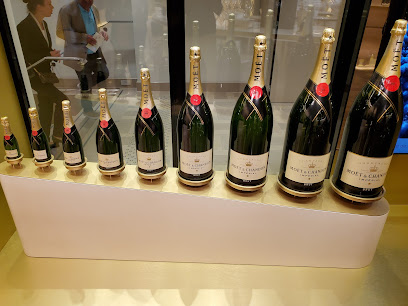
Experience the art of Champagne at A. Bergère, a family-run house on Épernay's Avenue de Champagne. Tours, tastings, and elegant guest rooms await.
Champagne et Villages
4.8 km
Discover the authentic taste of Champagne with a curated selection of boutique grower champagnes from family-owned domains in Épernay.
Église Saint-Brice
5.4 km
Discover the architectural beauty and tranquil atmosphere of Église Saint-Brice, a historic church in the heart of Aÿ-Champagne, France.
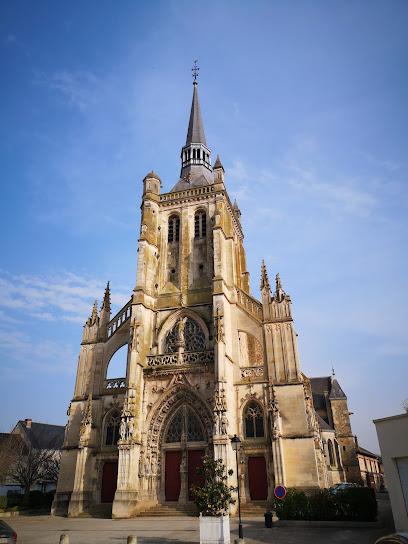
12 Rue du Pont
8.4 km
Discover the captivating history and exquisite Champagne of Ay-Champagne at the iconic building on Rue du Pont, a true gem in the heart of France.
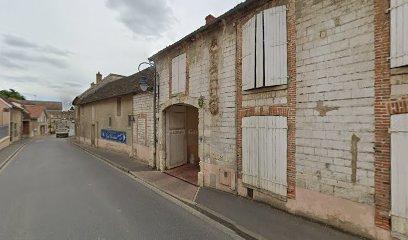
Sacré Wine Tour
9.5 km
Explore Sacré Wine Tour for an unforgettable journey through wine country, where adventure meets exquisite flavors in a stunning landscape.
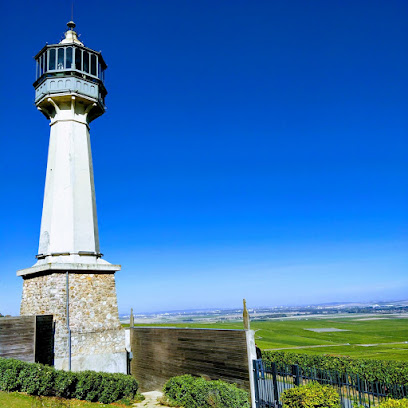
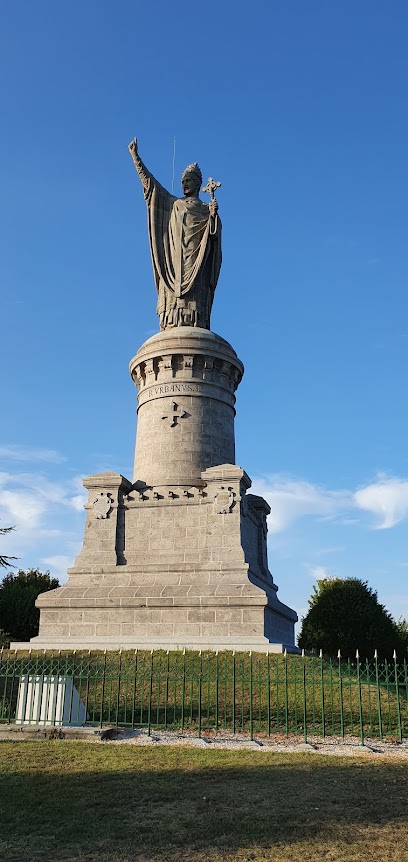
Statue of Pope Urban II
13.4 km
Discover the towering Statue of Pope Urban II in Champagne: history, panoramic views, and a tribute to a Crusades-era Pope.
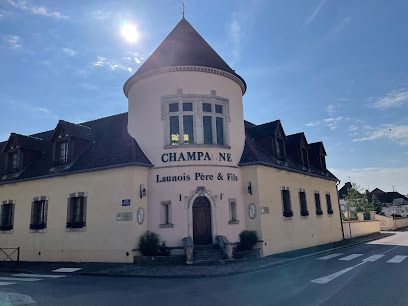
Champagne Launois Père et Fils
16.0 km
Experience the legacy of a Grand Cru Champagne house, where tradition meets exquisite taste in every bottle since 1872.
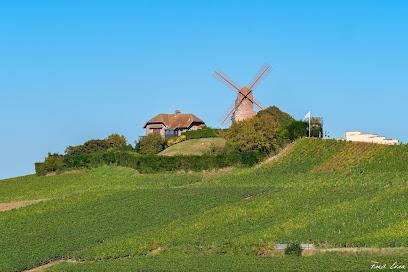
Moulin de Verzenay
16.8 km
Explore the historic Moulin de Verzenay, a charming windmill winery in the heart of Champagne, where beauty and tradition come together.
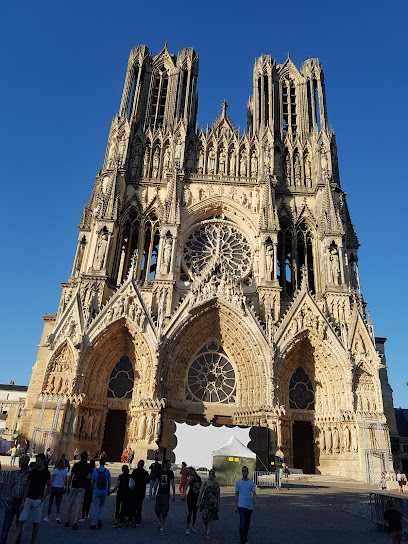
Tours in Champagne
18.7 km
Experience the enchanting world of Champagne at Tours in Champagne, where every sip tells a story of tradition and craftsmanship in a picturesque setting.
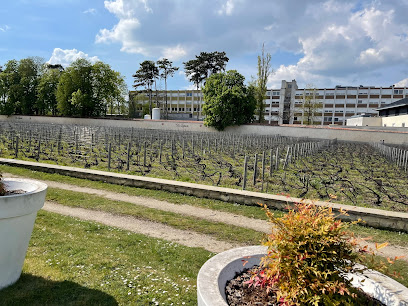
Champagne Lanson
18.8 km
Explore the exquisite heritage and flavors of Champagne Lanson in Reims, where wine lovers discover the artistry of fine champagne.
Tour de la Poudrière, vestiges de remparts médiévaux
19.6 km
Explore the Tour de la Poudrière, a medieval fortress in Reims, surrounded by beautiful parkland, and step into the rich history of this enchanting city.
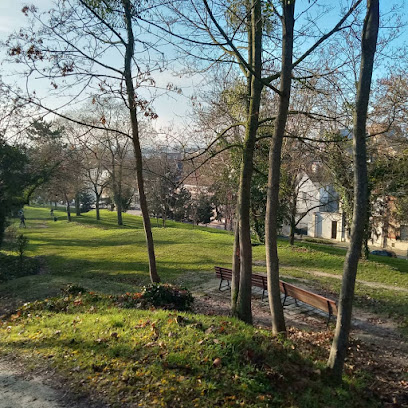
Place Museux
19.7 km
Explore the historical charm of Place Museux in Reims, a picturesque landmark perfect for relaxation and cultural immersion.
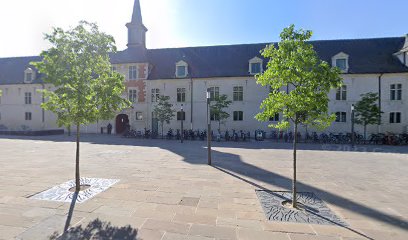
Jesuit College in Reims
19.7 km
Explore the Jesuit College in Reims, a stunning historical landmark reflecting France's architectural and educational heritage amid the charm of this vibrant city.
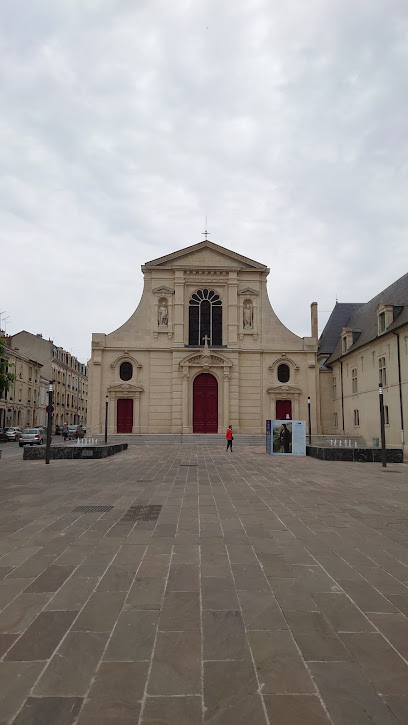
Unmissable attractions to see

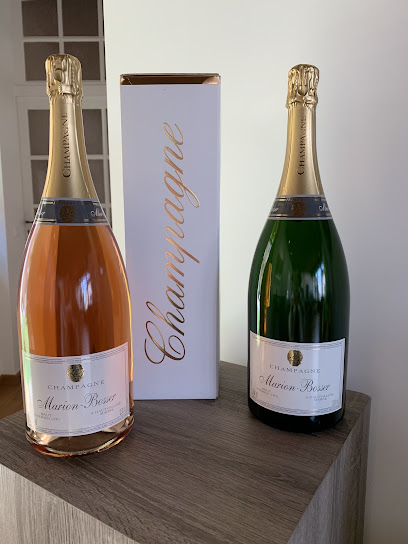
Champagne Marion-Bosser
0.1 km
Discover the authentic taste of Premier Cru Champagne at this family-run estate in Hautvillers, the birthplace of Dom Pérignon, where tradition and passion blend in every exquisite bottle.
Jean Pierre Patigny
0.6 km
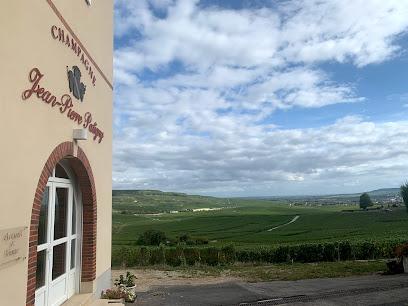
Experience the authentic taste of Champagne at Jean Pierre Patigny in Hautvillers, where family tradition meets Premier Cru vineyards.
Champagne G.Tribaut à Hautvillers
0.6 km
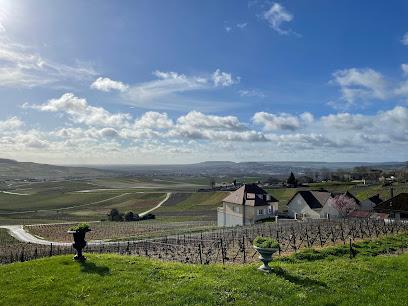
Explore the exquisite Champagne G.Tribaut in Hautvillers, where tradition meets elegance in every bottle of Champagne.
Champagne Philippe Martin
1.8 km
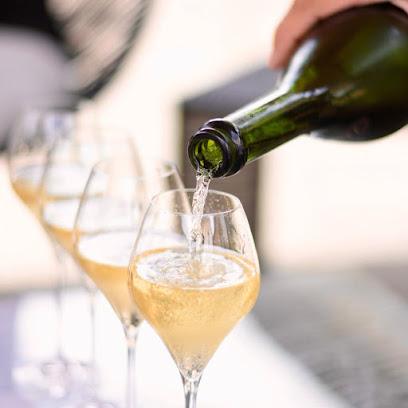
Discover the art of Champagne at Philippe Martin in Cumières: cellar tours, tastings, and a family legacy since 1730.
FootGolf Parc Romery
2.5 km
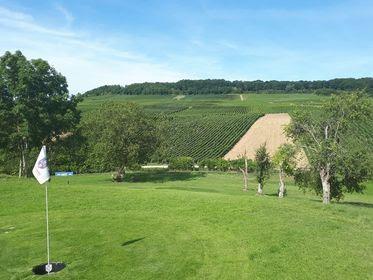
Experience the fun of soccer and golf combined! FootGolf Parc Romery: A unique outdoor adventure in the heart of Champagne, near Reims. Wheelchair accessible!
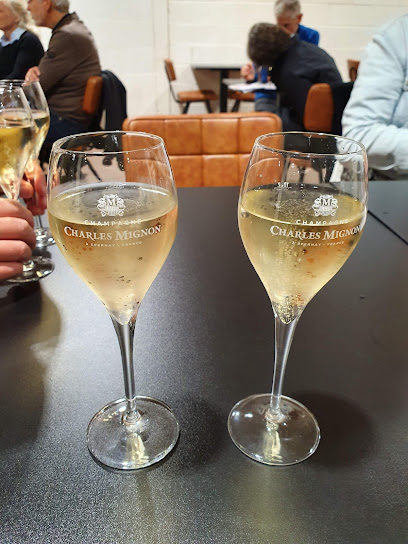
Champagne Charles Mignon
3.7 km
Discover the art of Champagne making at Champagne Charles Mignon in Épernay, where family tradition meets exceptional quality, creating award-winning cuvées.
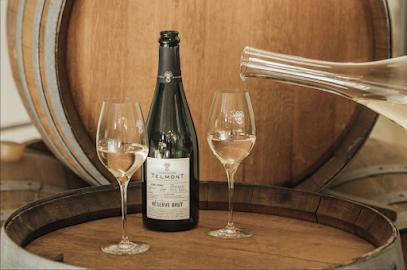
CHAMPAGNE TELMONT
4.2 km
Discover Champagne Telmont in Damery: a historic winery committed to organic practices and crafting exceptional champagnes with a focus on sustainability.
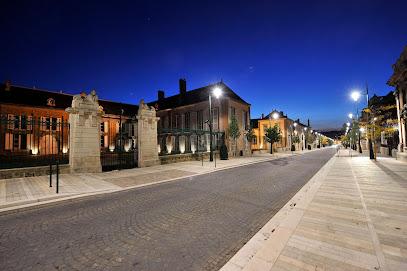
Office de Tourisme d'Epernay en Champagne
4.4 km
Your gateway to exploring Épernay and the Champagne region, offering expert advice, maps, and tour information on the Avenue de Champagne.
Château Perrier
4.6 km
Discover the rich history of Champagne at Château Perrier, a cultural gem in Épernay that offers an immersive museum experience.
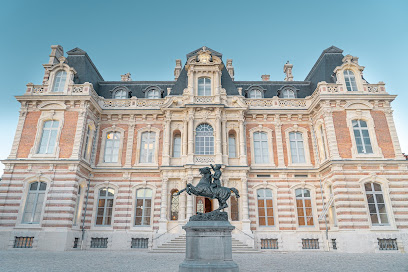
Moët et Chandon
4.6 km
Experience the heritage and elegance of Moët et Chandon, the world's most celebrated Champagne house, in the heart of Épernay.
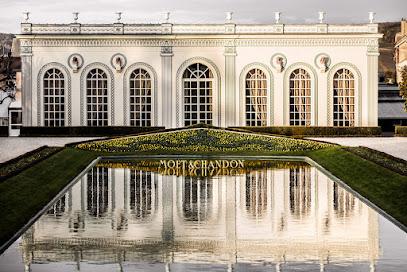
Champagne de Venoge
4.7 km
Discover Champagne de Venoge in Épernay: a historic house renowned for its elegant mansion, exquisite cuvées, and pioneering spirit in crafting exceptional sparkling wines since 1837.
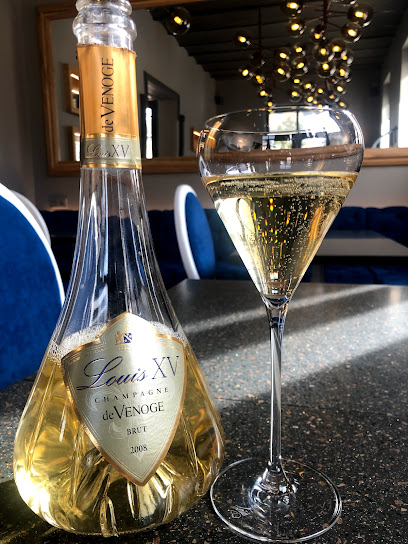
La Cave aux Coquillages
4.8 km
Discover a hidden world beneath the Champagne vineyards at La Cave aux Coquillages, where ancient fossils and sparkling wines create a unique and unforgettable experience in Fleury-la-Rivière.
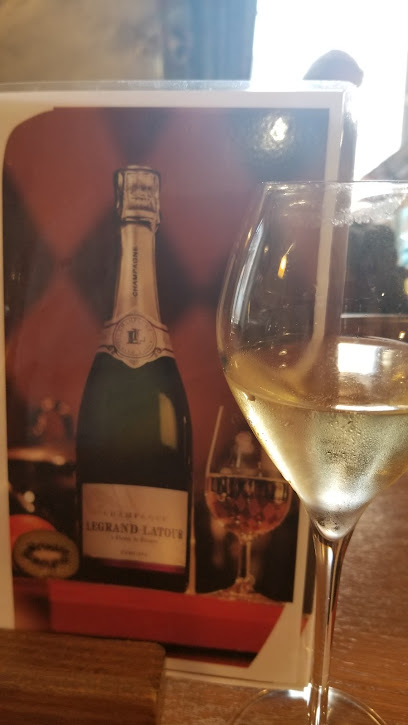
Champagne De Castellane
4.8 km
Discover Champagne De Castellane in Épernay: Explore historic cellars, ascend the iconic tower for panoramic views, and savor exquisite champagnes on the prestigious Avenue de Champagne.
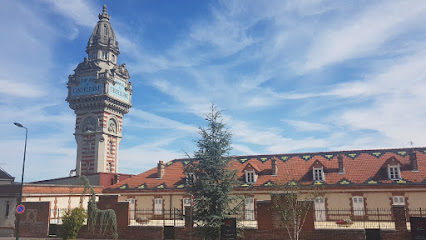
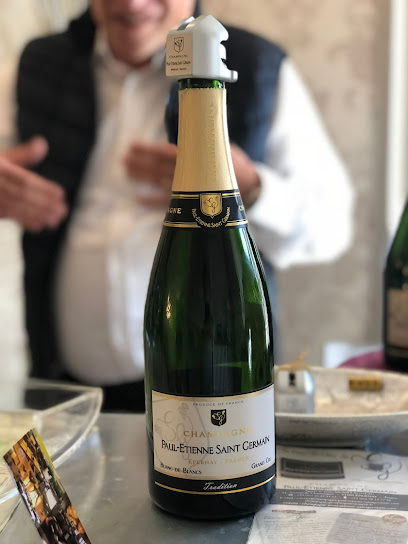
Champagne Paul-Etienne Saint Germain
4.9 km
Discover the elegance of Champagne at Paul-Etienne Saint Germain, a family-owned winery on Épernay's Avenue de Champagne, crafting exquisite champagnes with passion and tradition.
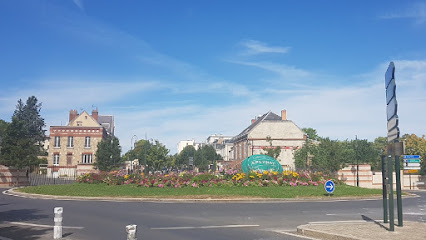
Place de Champagne
5.0 km
Discover the prestigious Avenue de Champagne in Épernay, a UNESCO World Heritage site, and immerse yourself in the history, culture, and exquisite craftsmanship of world-renowned Champagne.
Essential places to dine

Royal Champagne Hotel & Spa
2.8 km
Discover luxury dining and serene spa experiences amidst breathtaking vineyard views at Royal Champagne Hotel & Spa.
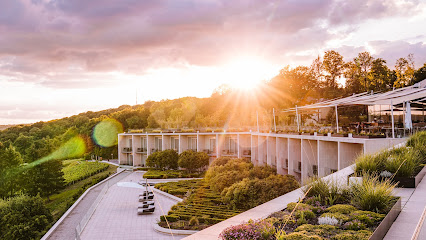
Le Bellevue
2.8 km
Experience authentic French cuisine at Le Bellevue, where culinary artistry meets breathtaking views in Champillon.
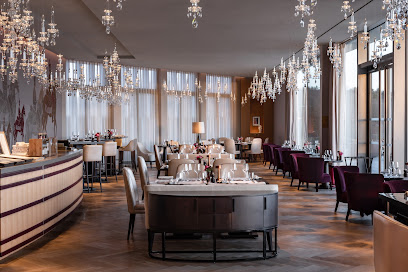
Le Royal
2.8 km
Experience the pinnacle of Haute French cuisine at Le Royal in Champillon, where culinary artistry meets elegance.
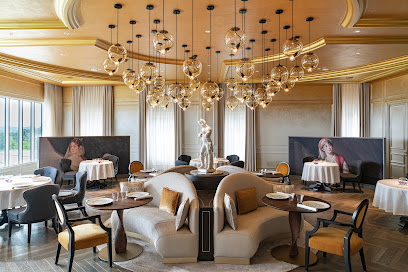
Chez Max
4.2 km
Discover the charm of traditional French cuisine at Chez Max in Magenta – a culinary gem in the heart of Champagne.
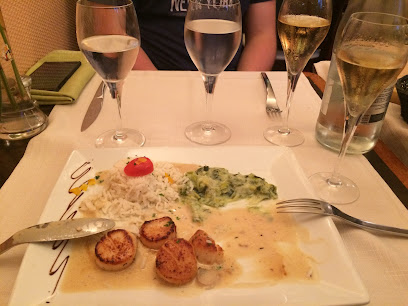
La Table Kobus
4.2 km
Experience the finest of French cuisine at La Table Kobus in Épernay – where tradition meets innovation in every delightful dish.
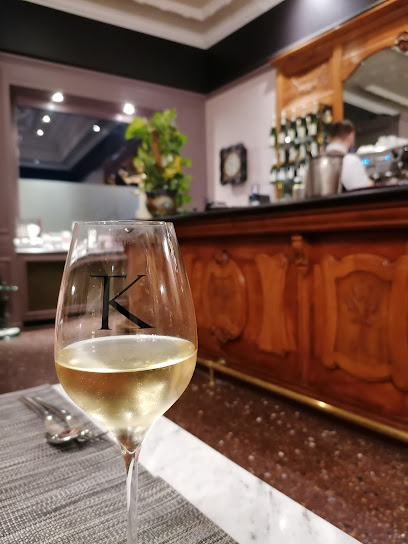
Sacré Bistro
4.3 km
Experience authentic French cuisine and exceptional Champagne at Sacré Bistro in Épernay – a true culinary gem!
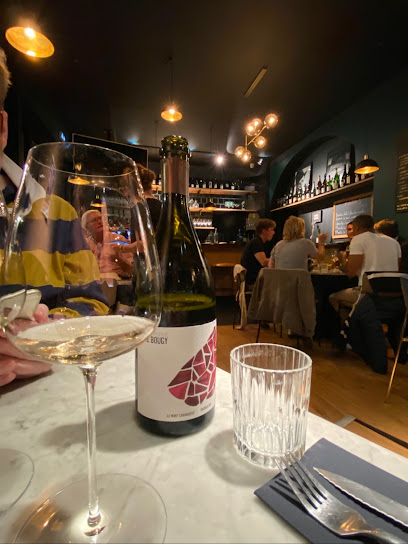
Why Not
4.3 km
Experience the finest French cuisine at Why Not in Épernay - where every dish is paired with exceptional champagne.
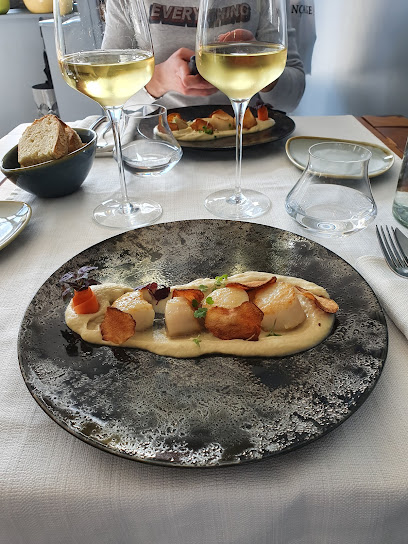
La Cave à Champagne
4.3 km
Discover exquisite French cuisine and exceptional champagne at La Cave à Champagne in Épernay – a true culinary treasure.
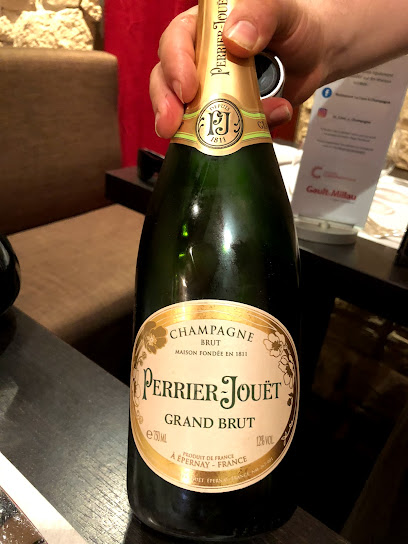
Symbiose Restaurant Epernay
4.3 km
Discover modern French cuisine at Symbiose Restaurant in Épernay—where each dish is crafted with passion and served in an inviting atmosphere.
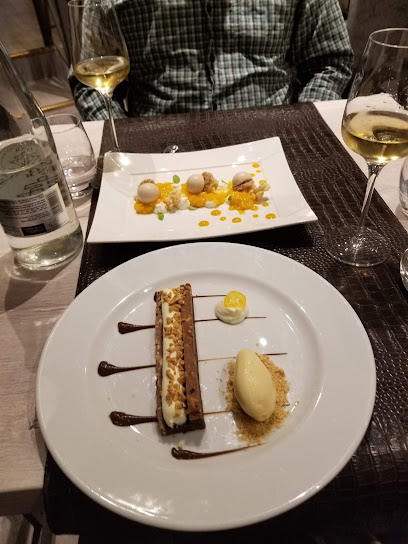
Le P'tit Champenois Restaurant au coeur de nos caveaux typiquement champenois Epernay
4.4 km
Experience exquisite French cuisine and exceptional Champagne at Le P'tit Champenois in Épernay – a must-visit for food lovers.
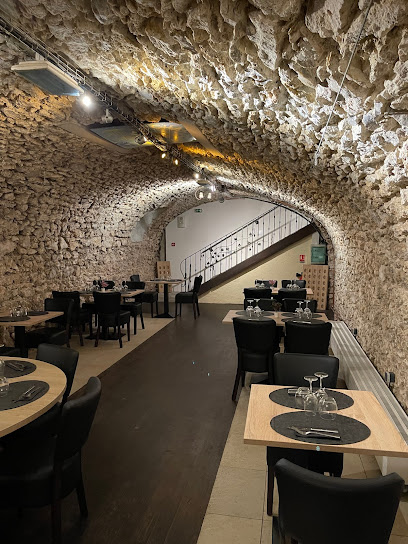
Restaurant Boyer Épernay
4.8 km
Experience exquisite French cuisine at Restaurant Boyer Épernay - where culinary art meets warm hospitality.
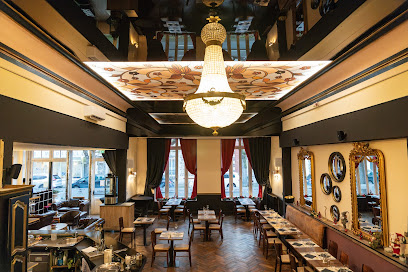
Calsis Restaurant
5.1 km
Discover exquisite French cuisine at Calsis Restaurant in Aÿ-Champagne – where tradition meets innovation.
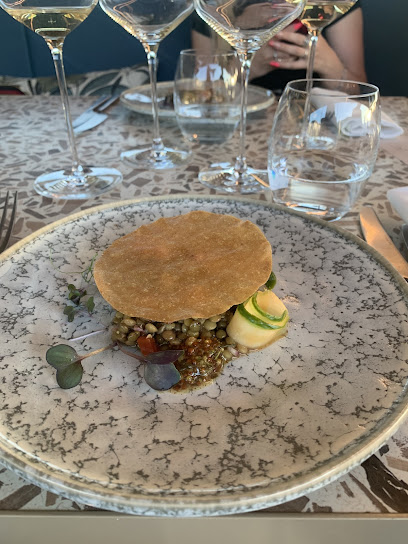
Le Grand Cerf *
10.2 km
Discover exquisite French cuisine at Le Grand Cerf in Villers-Allerand – where every meal is a celebration of taste and elegance.
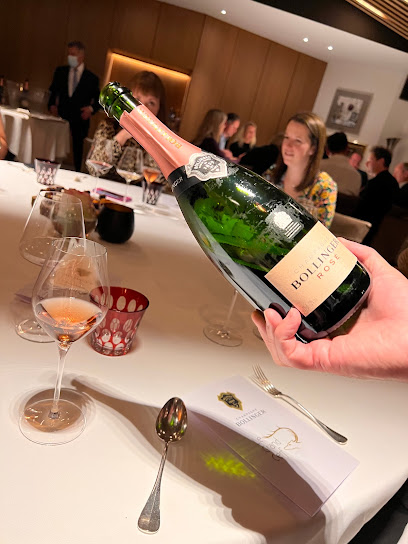
Couvert de Vignes
12.1 km
Experience exquisite French cuisine at Couvert de Vignes in Chigny-les-Roses, where local flavors meet culinary artistry amidst beautiful vineyard views.
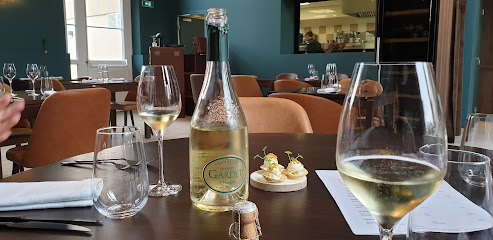
Le Recommandé - Bar à dégustation
13.3 km
Discover Le Recommandé in Avize - where local cuisine meets exquisite wine tasting for an unforgettable culinary journey.
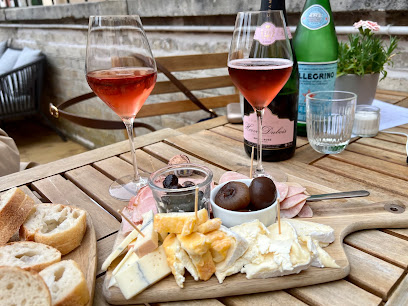
Markets, malls and hidden boutiques

Au 36...
0.3 km
Discover Au 36: A charming bar and restaurant in Hautvillers offering exquisite French cuisine and a superb selection of local wines.
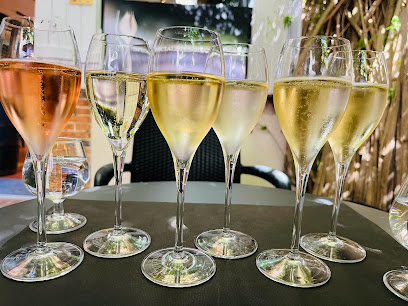
Souvenirs de Champagne
4.3 km
Explore Souvenirs de Champagne in Épernay for unique gifts and authentic local products, celebrating the charm of the Champagne region.
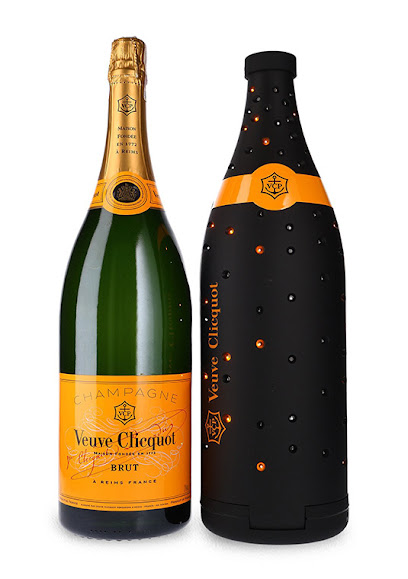
Champagne Perrier-Jouet Boutique
4.6 km
Discover the elegance of Champagne Perrier-Jouet Boutique in Épernay, where fine craftsmanship meets exquisite taste in every bottle.
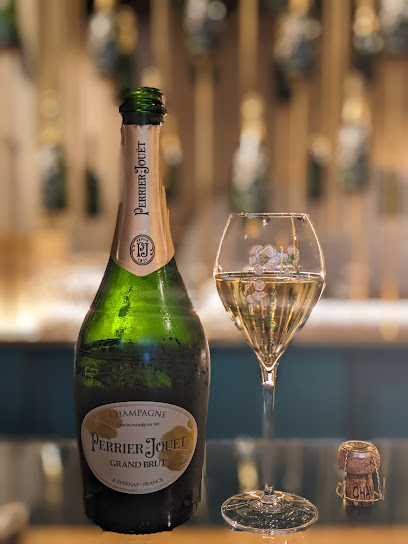
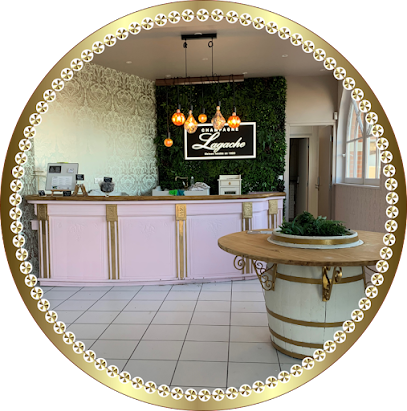
La boutique du Champagne Lagache
6.9 km
Explore the exquisite world of Champagne at La Boutique du Champagne Lagache, where tradition meets taste in the heart of Pierry.
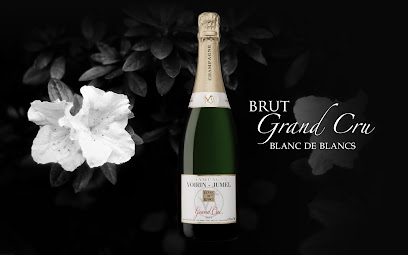
Champagne Voirin Jumel
11.8 km
Discover the elegance of Champagne Voirin Jumel, a premier vineyard in Cramant offering exceptional tastings and a glimpse into the art of champagne-making.
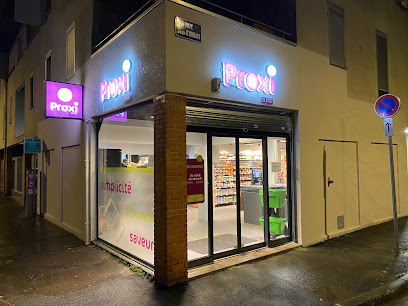
Epicentre - Carrefour Proxi
19.6 km
Discover convenience and local flavors at Epicentre - Carrefour Proxi, your one-stop shop in the heart of Reims, France.
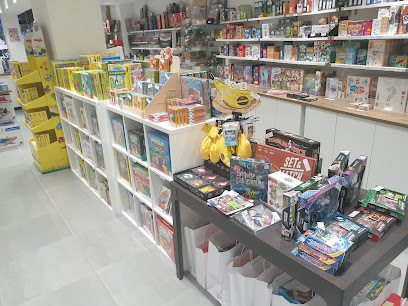
L'Odyssée des Jeux
19.9 km
Explore L'Odyssée des Jeux in Reims: A treasure trove of board games, puzzles, and unique gifts for every traveler.
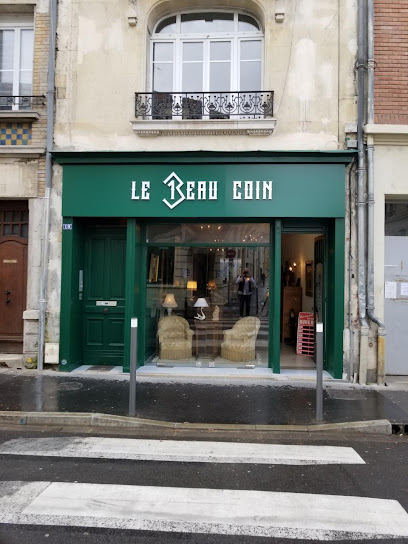
Le Beau Coin
19.9 km
Explore Le Beau Coin, Reims' premier antique store, where vintage treasures and unique finds await every collector and decor enthusiast.
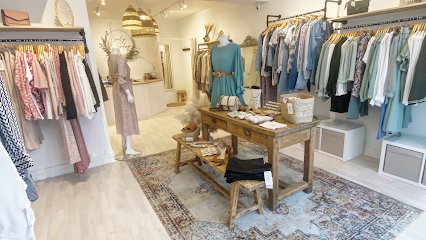
LoulyShop
20.0 km
Explore LoulyShop in Reims for chic women's fashion, where elegance meets contemporary style in a charming boutique setting.
Parano
20.0 km
Explore Parano in Reims for the latest styles and unique fashion finds that capture the essence of French elegance.
Morgan
20.0 km
Explore Morgan in Reims for the latest in chic clothing, where style meets sophistication in a vibrant shopping experience.
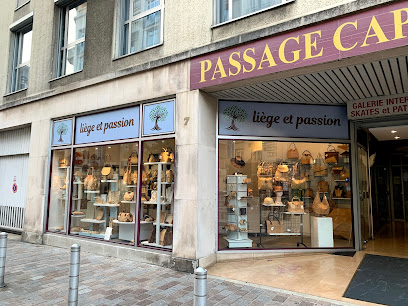
liège et passion
20.0 km
Explore Liège et Passion in Reims for unique gifts and fashion accessories that capture the essence of local craftsmanship.
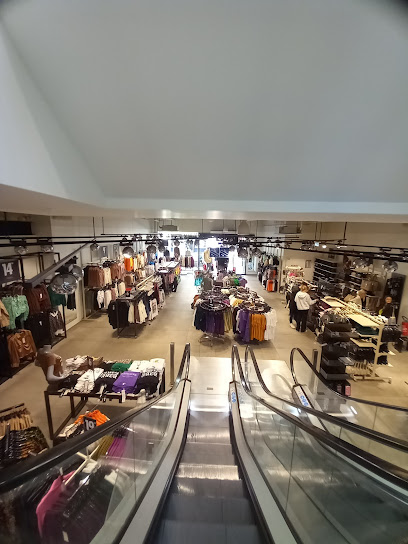
NEW YORKER
20.1 km
Explore NEW YORKER in Reims for trendy clothing and accessories for all ages, perfect for fashion lovers on a budget.
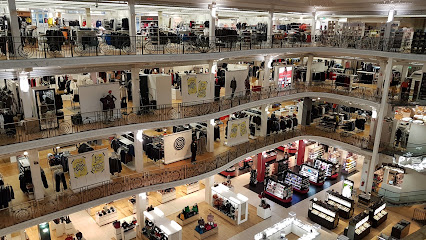
Galeries Lafayette Reims
20.1 km
Discover unparalleled shopping at Galeries Lafayette Reims, where luxury meets local charm in the heart of the Champagne region.
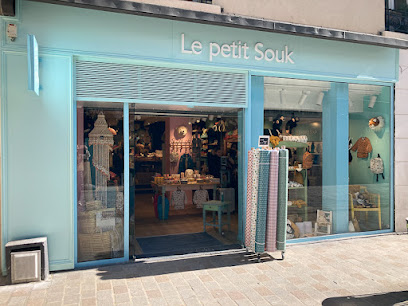
Le petit Souk Reims
20.1 km
Explore the enchanting Le Petit Souk in Reims, a delightful gift shop offering unique toys, home goods, and a warm shopping experience for all ages.
Essential bars & hidden hideouts

Chope ta bière Epernay
3.8 km
Discover the vibrant charm of Chope ta bière in Épernay, where local brews and a friendly atmosphere create an unforgettable experience.
Le P'tit Canon
4.3 km
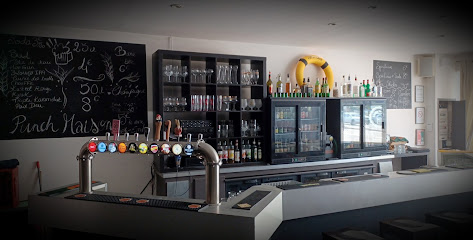
Discover the cozy charm of Le P'tit Canon, a lounge in Épernay offering local wines and a relaxing atmosphere in the heart of Champagne country.
L'Atypique
4.3 km
Discover L'Atypique in Épernay, where exquisite wines, delectable tapas, and a vibrant atmosphere await every visitor.
LE 17 LOUNGE BAR - Bar Épernay
4.3 km
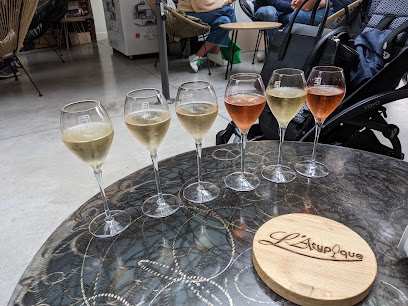
Experience the elegance of LE 17 LOUNGE BAR in Épernay, where exquisite cocktails, fine wines, and delightful tapas create unforgettable moments.
Le Pub
4.4 km
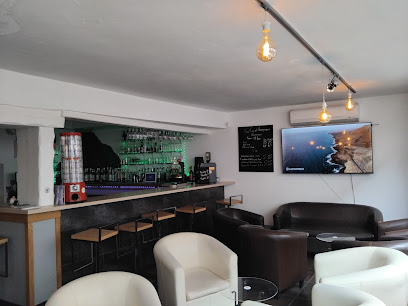
Experience the warmth of Irish hospitality at Le Pub in Épernay, where delicious pub fare meets a vibrant atmosphere in the heart of champagne country.
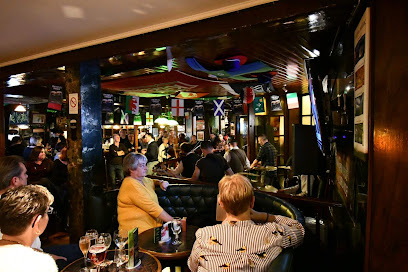
Le Vintage - cocktail Bar
4.5 km
Experience the art of mixology at Le Vintage, Épernay's premier cocktail bar, where every drink is a masterpiece.
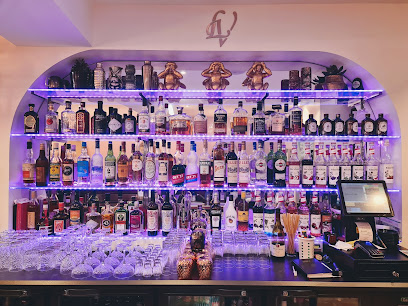
Cellier Belle Epoque - by Perrier-Jouet
4.6 km
Discover the enchanting Cellier Belle Epoque in Épernay, where exquisite wines and a charming atmosphere await every visitor.
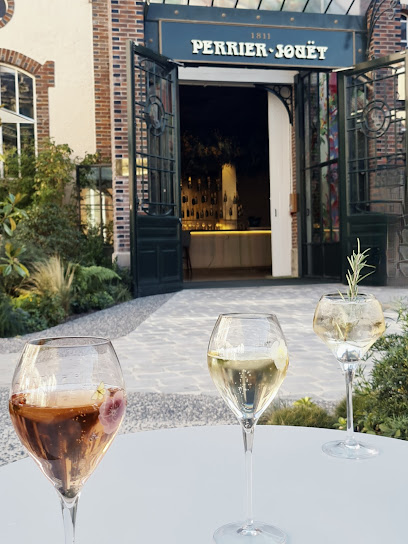
Le 19 avenue de Champagne
4.6 km
Discover the heart of Épernay at Le 19 Avenue de Champagne, an exquisite bar and wine cellar offering the finest local champagnes in a charming setting.
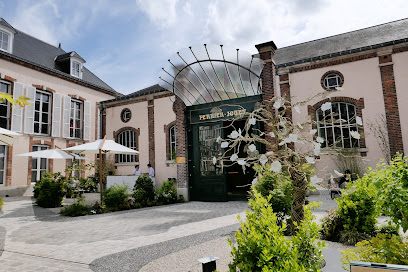
#Brut - Bar Avenue de Champagne
4.7 km
Discover the elegance of #Brut - Bar Avenue de Champagne, where exquisite wines meet a chic atmosphere in the heart of Épernay.
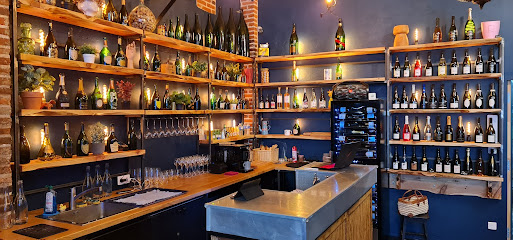
L'Ecurie
4.8 km
Discover the charm of Épernay at L'Ecurie, a delightful wine bar offering the finest selection of Champagne in a picturesque setting.
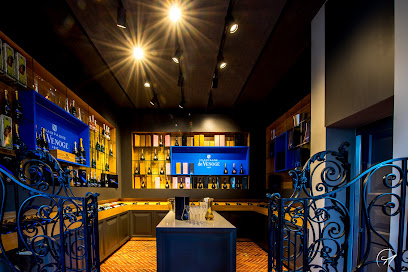
Le C
4.8 km
Experience the essence of Épernay at Le C, where curated Champagne selections meet stunning riverside views.
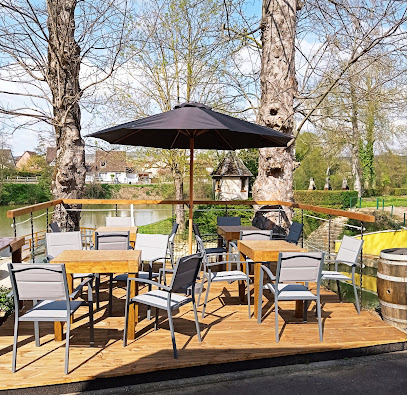
La Frigousse
5.6 km
Discover the essence of Champagne at La Frigousse, a charming wine bar in Aÿ-Champagne, perfect for connoisseurs and casual drinkers alike.
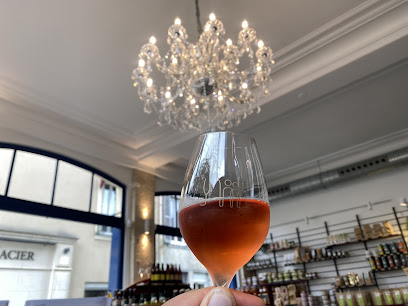
PERCHINGBAR
17.0 km
Discover the charm of Perching Bar, where exquisite wines and a relaxing atmosphere await in the heart of Verzy, Champagne.
Dropkick bar
19.5 km
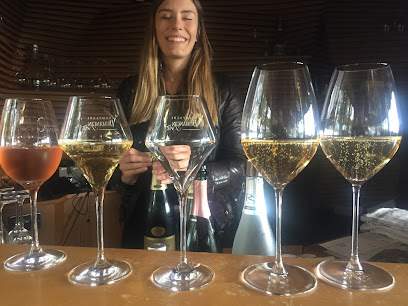
Discover the lively Dropkick Bar in Reims – a premier pub and concert hall offering delicious food, refreshing beers, and vibrant entertainment for every visitor.
Kilberry
19.8 km
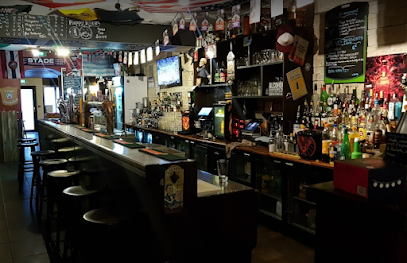
Discover Kilberry, a cozy pub in Reims offering a delightful selection of beverages, light bites, and a vibrant atmosphere for all visitors.
Nightclubs & after hour spots

Le Moont
8.7 km
Discover the pulsating nightlife of Chavot-Courcourt at Le Moont, where music and dance create unforgettable memories.
Le Gavroche, discothèque
9.9 km
Discover the vibrant nightlife of Chavot-Courcourt at Le Gavroche, a popular discothèque known for its energetic atmosphere and eclectic music.
Magnum Club
17.9 km
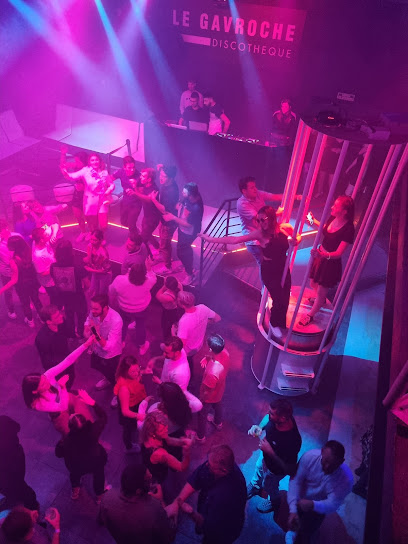
Dive into the vibrant nightlife of Tinqueux at Magnum Club, a top destination for electrifying music and unforgettable dance experiences.
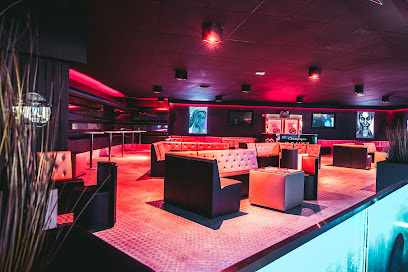
Vogue Club
19.8 km
Experience the vibrant nightlife at Vogue Club in Reims, where live music and an energetic atmosphere await party lovers.
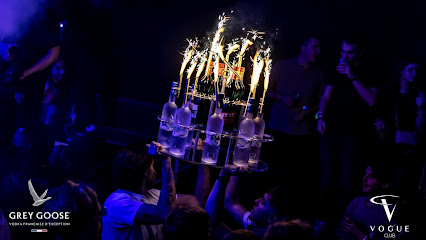
Musikall Bar Karaoké Box
20.1 km
Discover the joy of singing at Musikall Bar Karaoké Box in Reims, where every night is a celebration of music and friendship.
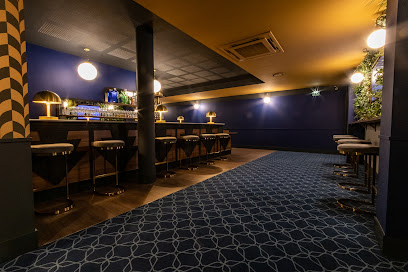
Bôha
20.2 km
Experience the electrifying nightlife at Bôha, Reims' top night club, with vibrant music and an unforgettable atmosphere.
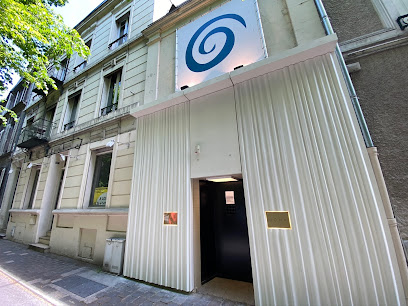
Cristal Club
20.3 km
Dive into the nightlife of Reims at Cristal Club, a premier destination for party lovers seeking vibrant music and an electrifying atmosphere.
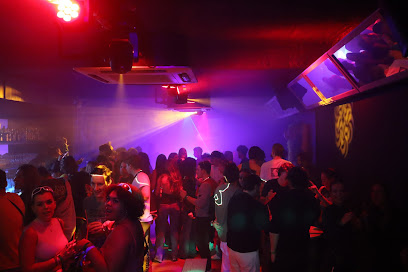
Curt'N
20.4 km
Experience the electrifying nightlife at Curt'N, Reims' premier disco club, where music, dance, and unforgettable memories await.
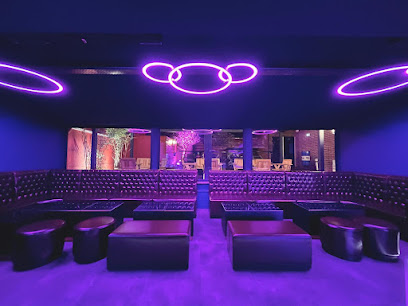
colloc2folie
20.4 km
Discover the electrifying nightlife at colloc2folie, Reims' premier disco club, where dance, music, and unforgettable memories await.
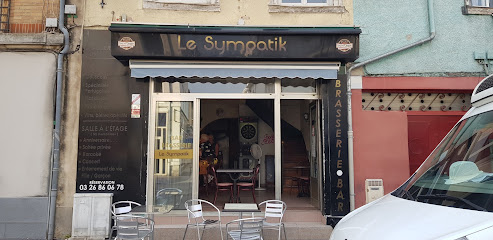
Le Sympatik
21.2 km
Discover the essence of Reims nightlife at Le Sympatik, a vibrant bar offering local drinks and a warm atmosphere for all visitors.
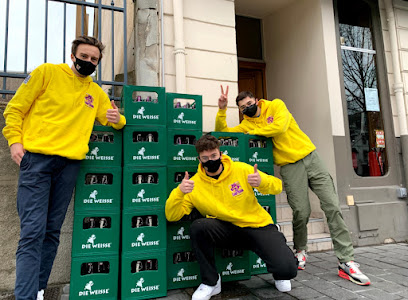
Point de rassemblement spectacle Manège
21.3 km
Discover the nightlife at Point de rassemblement spectacle Manège, a vibrant night club in Reims offering unforgettable music and entertainment experiences.
Luka House’s
21.4 km
Immerse yourself in the vibrant nightlife of Reims at Luka House’s, a stylish night club offering unforgettable experiences and lively entertainment.
Atrium Club & Events
22.2 km
Experience the vibrant nightlife at Atrium Club & Events in Reims, a premier disco club and event venue where unforgettable memories are created.
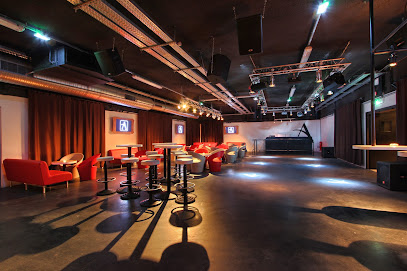
Valentino
24.2 km
Unleash your energy at Valentino, the ultimate night club in Reims, where music and dance create unforgettable nightlife experiences.
Husson Alain HIBISCUS Discothéque
35.4 km
Discover the vibrant nightlife at Husson Alain HIBISCUS Discothéque, where music and fun unite for an unforgettable experience in Saint-Memmie.