

Free Champagne Travel Guide & Mobile App
Explore Champagne with free travel guides. Discover regional history, expert tips, proposed trips, and audio guides on web or mobile app.


Explore Champagne's royal Reims, cellar-lined Épernay, medieval Troyes, vineyard villages and food-rich landscapes across north-eastern France.
Read more about Champagne
When is the best time to visit Champagne?
Best: June–August · 23–25°C| Month | High (°C) | Rainfall (mm) |
|---|---|---|
| January | 6 | 49 |
| February | 7 | 40 |
| March | 12 | 47 |
| April | 15 | 49 |
| May | 19 | 61 |
| June (best) | 23 | 59 |
| July (best) | 25 | 60 |
| August (best) | 24 | 54 |
| September | 21 | 53 |
| October | 16 | 51 |
| November | 10 | 57 |
| December | 7 | 58 |
Getting to and around Champagne
How to get there
Transportation
Destinations in Champagne
Resorts, valleys and scenic spots worth a trip of their own.

Swipe for more destinations
Best attractions in Champagne
Champagne's attractions combine wine tourism with a substantial historical and rural landscape. In Reims, visitors can explore the cathedral, the former Saint-Remi complex and extensive underground cellars operated by established Champagne houses. Épernay centres on the Avenue de Champagne, while the surrounding villages of Hautvillers, Aÿ-Champagne, Verzenay and Verzenay's neighbouring vineyard communities provide access to vineyard viewpoints, grower cellars and small-scale production. Troyes offers medieval and Renaissance streets, richly decorated churches and museums, and makes an effective base for the Aube vineyards. Châlons-en-Champagne adds canals, gardens and boat excursions through the city. Beyond the principal towns, the Montagne de Reims Regional Natural Park protects wooded slopes and vineyard landscapes, while the Côte des Bar is valued for quieter roads, villages and rolling scenery. Walking, cycling, cultural visits and food-led itineraries are often more rewarding here than trying to visit a long sequence of cellars in one day. The region's visitor appeal lies in the contrast between monumental urban heritage, working agricultural villages, subterranean chalk architecture and open chalk uplands.
-
Catholic cathedral
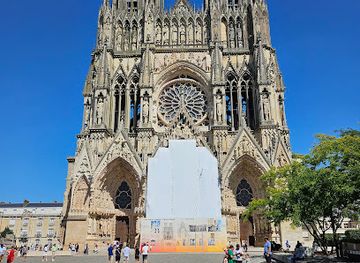
Cathedral of Notre-Dame of Reims
Experience the grandeur of French history at Reims Cathedral, a UNESCO World Heritage site and the coronation church of French kings, showcasing stunning Gothic architecture and timeless artistry.
-
Historical landmark
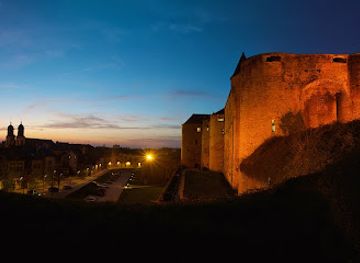
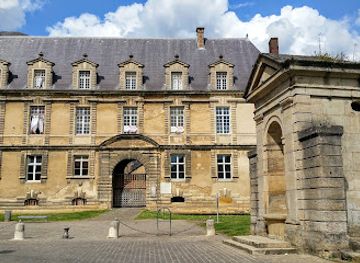
Sedan Castle
Explore the historical grandeur of Sedan Castle, a majestic fortress that showcases the rich heritage and breathtaking views of France's medieval past.
-
Market
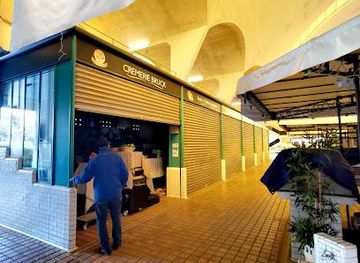
Halles Boulingrin
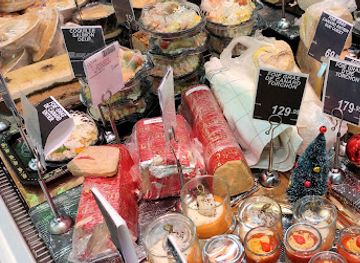
Discover Reims' vibrant heart at Halles Boulingrin: a historic marketplace blending architectural marvel with local flavors, offering a sensory-rich experience for every visitor.
-
Garden
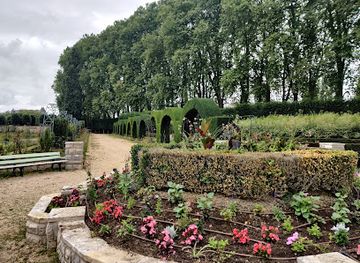
Prés Fichaux Garden
Discover the serene beauty of Prés Fichaux Garden in Bourges, where art deco design meets horticultural artistry, offering a tranquil escape in the heart of the city.
Best landmarks in Champagne
Reims Cathedral is Champagne's most powerful architectural landmark: its thirteenth-century Gothic structure and sculptural façade express the city's historic role in French royal coronations. Beside it, the Palais du Tau recalls the ceremonial world of the monarchy, while the former Abbey of Saint-Remi and its Romanesque church connect the city to its early Christian history. In Épernay, the long Avenue de Champagne is a distinctive urban landscape created by the concentration of major Champagne houses above extensive chalk cellars. Troyes is recognised by the dense timber-framed houses, irregular streets and stained-glass churches of its historic centre, with the cathedral adding a monumental focal point. In the vineyards, the chalk slopes of the Montagne de Reims, the Côte des Blancs and the Côte des Bar are landmarks of a different kind: their orderly vines, wooded horizons and village churches define the visual identity of the wine region. The restored Art Deco buildings of Reims also testify to the city's reconstruction after the First World War.
-
Catholic cathedral
Cathedral of Notre-Dame of Reims
Explore the grandeur of French Gothic architecture at Reims Cathedral, a UNESCO World Heritage site and coronation church of French kings.
-
Historical landmark
Sedan Castle
Discover Europe's largest medieval fortress: Explore the rich history and imposing architecture of Sedan Castle in the heart of the Ardennes.
-
Historical landmark
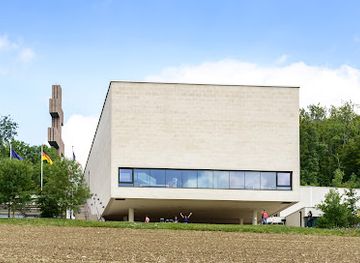
Mémorial Charles De Gaulle
Explore the life and legacy of Charles de Gaulle at this immersive historical memorial in Colombey-les-Deux-Églises, France.
-
Sculpture
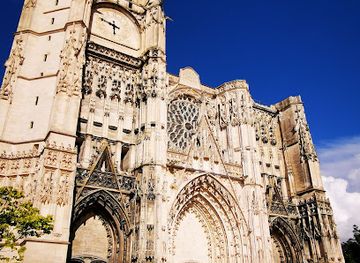
Le Coeur de Troyes
Discover Le Coeur de Troyes, a modern sculpture symbolizing love and unity in the heart of Troyes, France. A must-see landmark!
Explore Champagne on the map
Plan your trip on one map. See where the top cities, national parks and sights are, and book hotels and experiences in a few clicks.
Best hotels in Champagne
Best restaurants in Champagne
Regional dining is closely linked to Champagne's vineyards and agricultural surroundings. Menus may feature local ham from Reims, Chaource cheese from the Aube, lentils grown around the region, seasonal game, freshwater fish and poultry from northern France. The pink-hued biscuit rose de Reims is a familiar sweet speciality, traditionally served with or used in desserts alongside Champagne. Restaurants in Reims and Troyes range from traditional brasseries to contemporary kitchens, while Épernay and the vineyard villages offer cellar-side dining, cafés and rural restaurants suited to tasting itineraries. Markets and specialist food shops are useful for finding cheese, pâtisserie, preserves and regional produce for a picnic. Champagne itself is commonly served with aperitifs, seafood, poultry, soft cheeses and desserts, but local menus also include still wines, beer and non-alcoholic options. In wine villages, opening arrangements can be seasonal, so visitors should not assume that every rural establishment serves food throughout the day.
-
Restaurant
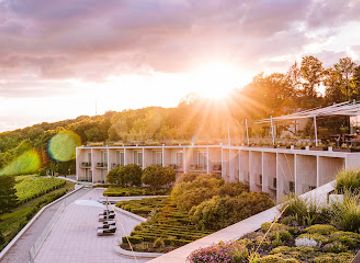
Royal Champagne Hotel & Spa
Discover luxury dining and serene spa experiences amidst breathtaking vineyard views at Royal Champagne Hotel & Spa.
-
Hotel
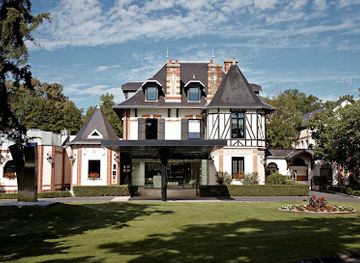
Hôtel L' Assiette Champenoise
Experience unparalleled luxury at Hôtel L' Assiette Champenoise—where exquisite French cuisine meets elegant accommodations in Champagne.
-
Restaurant
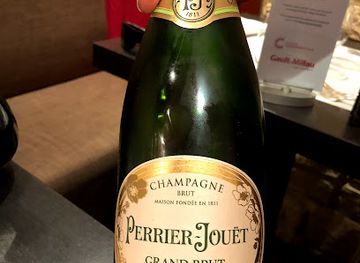
La Cave à Champagne
Discover exquisite French cuisine and exceptional champagne at La Cave à Champagne in Épernay – a true culinary treasure.
-
French
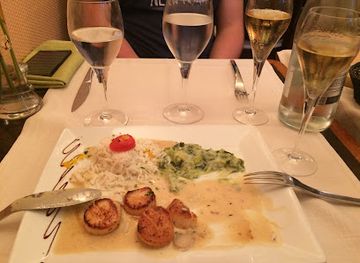
Chez Max
Discover the charm of traditional French cuisine at Chez Max in Magenta – a culinary gem in the heart of Champagne.
Best bars in Champagne
Evening life in Champagne is concentrated in Reims, with its student population, restaurants, wine bars, traditional cafés and live-music venues, rather than spread evenly across the countryside. Épernay has a more compact scene focused on restaurants, hotel bars, wine-led venues and relaxed evenings after cellar visits. Troyes offers cafés, brasseries and bars around its historic centre, with a modest late-night choice compared with larger French cities. In vineyard villages, evenings generally centre on family-run restaurants, hotel lounges and local cafés rather than nightclubs. Champagne houses and specialist bars may offer guided tastings or themed events, but these arrangements change and should be checked in advance. Rural nightlife is often seasonal and quieter, particularly outside summer, so visitors seeking late transport should plan carefully and return to their accommodation before services become limited.
-
Bar
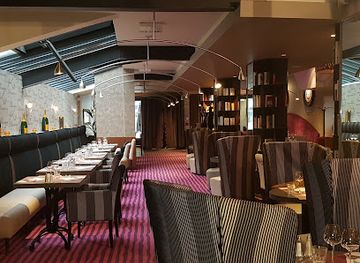
L'Apostrophe
Discover L'Apostrophe in Reims, where traditional French cuisine meets a vibrant atmosphere, perfect for any culinary adventure.
-
Wine bar
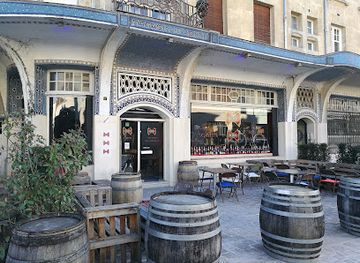
Le Clos
Discover the essence of Champagne at Le Clos, Reims' premier wine bar offering exquisite selections and a cozy atmosphere.
-
Bar
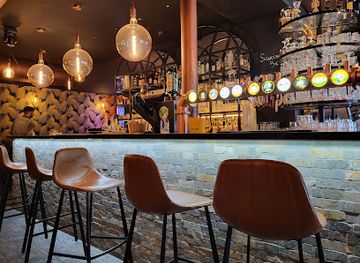
Ernest Hemingway Café
Discover the charm of Ernest Hemingway Café in Reims, where literary inspiration meets delightful beverages and a cozy atmosphere.
-
Bar
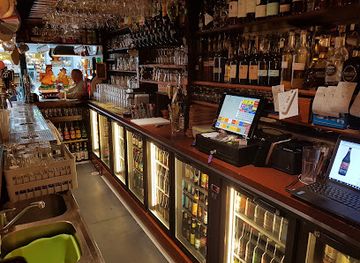
Pub l'Escale
Discover the vibrant atmosphere and local brews at Pub l'Escale, the perfect bar for tourists in Reims.
Best nightclubs in Champagne
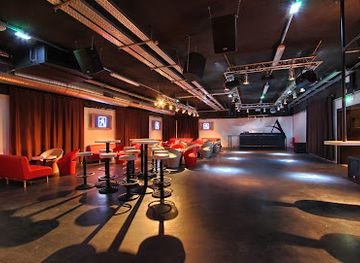
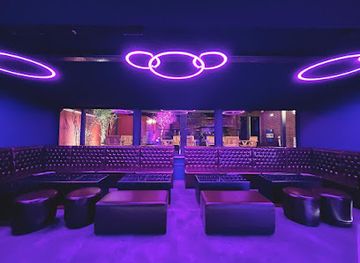
Evening life in Champagne is concentrated in Reims, with its student population, restaurants, wine bars, traditional cafés and live-music venues, rather than spread evenly across the countryside. Épernay has a more compact scene focused on restaurants, hotel bars, wine-led venues and relaxed evenings after cellar visits. Troyes offers cafés, brasseries and bars around its historic centre, with a modest late-night choice compared with larger French cities. In vineyard villages, evenings generally centre on family-run restaurants, hotel lounges and local cafés rather than nightclubs. Champagne houses and specialist bars may offer guided tastings or themed events, but these arrangements change and should be checked in advance. Rural nightlife is often seasonal and quieter, particularly outside summer, so visitors seeking late transport should plan carefully and return to their accommodation before services become limited.
-
Live music bar
La Loge
Experience the electrifying nightlife of Reims at La Loge, the premier live music bar that brings together local and international talent.
-
Disco club
Atrium Club & Events
Experience the vibrant nightlife at Atrium Club & Events in Reims, a premier disco club and event venue where unforgettable memories are created.
-
Disco club
Curt'N
Experience the electrifying nightlife at Curt'N, Reims' premier disco club, where music, dance, and unforgettable memories await.
-
Disco club
L'Alegra
Dive into the heart of Châlons-en-Champagne's nightlife at L'Alegra, where music and dance create unforgettable experiences.

Best shops in Champagne
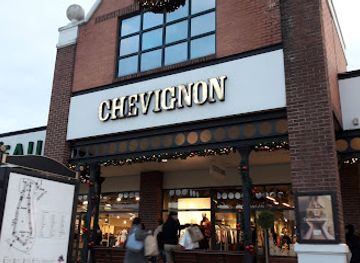
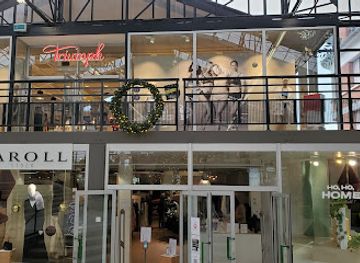
Shopping in Champagne ranges from historic town-centre streets to specialist food and wine purchases. Reims and Troyes have the broadest choice of department stores, independent retailers, cafés and covered or open markets, while Épernay combines everyday shopping with outlets and boutiques associated with the Champagne trade. The most characteristic purchases are bottles from large houses, cooperatives or grower-producers, though visitors should consider transport, heat exposure and airline rules before buying in quantity. Food shops offer biscuits roses de Reims, Chaource, regional preserves, pâtisserie and other products suitable for gifts. Vineyard villages may have small producer shops, but many operate by appointment rather than as conventional retailers. Troyes is also known for outlet shopping on its outskirts, while the historic centre is better suited to antiques, crafts, books and local food. Independent galleries and artisan shops appear in the larger towns, but the region's strongest retail identity remains its wine, food and market culture.
-
Outlet mall
Designer Outlet Troyes
Explore Designer Outlet Troyes for unbeatable deals on designer brands and a delightful culinary experience in the heart of France.
-
Shopping mall
Marques Avenue Troyes
Discover unbeatable deals and a wide selection of stores at Marques Avenue Troyes, the ultimate outlet shopping experience in Saint-Julien-les-Villas, France.
-
Supermarket
Cora
Discover local flavors and vibrant shopping at Cora Supermarket in Vichy, where fresh produce meets unique culinary experiences.
-
Department store
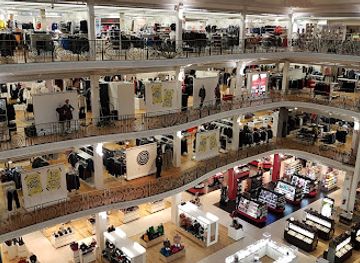
Galeries Lafayette Reims
Explore the elegance of Galeries Lafayette Reims, a premier shopping destination for fashion, beauty, and gourmet delights in the heart of the historic city.
Get your free copy of our complete guide to Champagne, delivered straight to you.
Everything on this page, from attractions and restaurants to essentials and local phrases, in one PDF you can read offline, print or share.
Already have an account? Sign in
Your Champagne guide is ready.
We'll send it to · Not you? Sign out

Getting your guide ready…
We are putting together a fresh copy of the Champagne guide. This can take up to a minute.
This can take a few moments. If your browser asks, choose Allow so the download can start. You'll find the guide in your Downloads folder.
Nothing happened? Download it again
Sorry, the guide is taking longer than usual. Please try again in a minute, or get it by email instead.
Champagne essentials
Currency and Payment
Safety
Emergency Situations
Do's and Don'ts
Local Tips
From Eve
Local phrases worth knowing
You don't need to get them perfect. A few words go a long way, and locals appreciate the effort.
Basics
| English | Local | Say it |
|---|---|---|
| Hello | Bonjour | [bawn-zhoor] |
| Goodbye | Au revoir | [oh ruh-vwahr] |
| Yes | Oui | [wee] |
| No | Non | [noh] |
| Please/You're welcome | S'il vous plaît | [seel voo pleh] |
| Thank you | Merci | [mehr-see] |
| Excuse me/Sorry | Excusez-moi | [ehk-skew-zay mwah] |
| How are you? | Comment ça va? | [koh-mohn sah vah] |
| Fine. And you? | Bien. Et vous? | [byahn. eh voo?] |
| Do you speak English? | Parlez-vous anglais? | [par-lay voo ahn-glay?] |
| I don't understand | Je ne comprends pas | [zhuh nuh kom-prahn pah] |
Eating & Drinking
| English | Local | Say it |
|---|---|---|
| I'd like to see the menu, please | Je voudrais voir le menu, s'il vous plaît | [zhuh voo-dray vwah leuh meh-nu, seel voo pleh] |
| I don't eat meat | Je ne mange pas de viande | [zhuh nuh mahnzh pah duh vyahnd] |
| Cheers! | Santé! | [sahn-tay] |
| I would like to pay, please | Je voudrais payer, s'il vous plaît | [zhuh voo-dray pay-ay, seel voo pleh] |
Emergencies
| English | Local | Say it |
|---|---|---|
| Help! | À l'aide! | [ah led] |
| Go away! | Allez-vous-en! | [ah-lay voo zahn] |
| Call the Police! | Appelez la police! | [ah-peh-lay lah poh-lees] |
| Call a doctor! | Appelez un médecin! | [ah-peh-lay uhn med-sin] |
| I'm lost | Je suis perdu | [zhuh swee pair-du] |
| I'm ill | Je suis malade | [zhuh swee mah-lahd] |
Shopping
| English | Local | Say it |
|---|---|---|
| I'd like to buy... | Je voudrais acheter... | [zhuh voo-dray ah-sheh-tay...] |
| I'm just looking | Je regarde juste | [zhuh ruh-gard zhoost] |
| How much is it? | C'est combien? | [seh kohm-byen?] |
| That's too expensive | C'est trop cher | [seh troh shair] |
| Can you lower the price? | Pouvez-vous baisser le prix? | [poo-vay voo beh-say luh pree?] |
Time & Numbers
| English | Local | Say it |
|---|---|---|
| What time is it? | Quelle heure est-il? | [kel uhr eh-teel?] |
| It's one o'clock | Il est une heure | [eel eh ewn uhr] |
| Half past (10) | Dix heures et demie | [deez uhr eh duh-mee] |
| Morning | Matin | [mah-tan] |
| Afternoon | Après-midi | [ah-pray mee-dee] |
| Evening | Soir | [swahr] |
| Yesterday | Hier | [ee-er] |
| Today | Aujourd'hui | [oh-zhoor dwee] |
| Tomorrow | Demain | [duh-man] |
| 1 | Un | [uhn] |
| 2 | Deux | [duhr] |
| 3 | Trois | [trwah] |
| 4 | Quatre | [katr] |
| 5 | Cinq | [sank] |
| 6 | Six | [sees] |
| 7 | Sept | [set] |
| 8 | Huit | [weet] |
| 9 | Neuf | [nuhf] |
| 10 | Dix | [deez] |
Transport & Directions
| English | Local | Say it |
|---|---|---|
| Where's a/the...? | Où est...? | [oo eh...?] |
| What's the address? | Quelle est l'adresse? | [kel eh luh-dress?] |
| Can you show me (on the map)? | Pouvez-vous me montrer (sur la carte)? | [poo-vay voo muh mohn-tray (sur lah kart)?] |
| When's the next (bus)? | Quand est le prochain (bus)? | [kahn eh luh pro-shen (bus)?] |
| A ticket (to ....) | Un billet (pour ....) | [uhn bee-yay (poor....)] |
History of Champagne
Prehistoric Landscapes and Celtic Settlement
The chalk plains, river valleys and forest margins of Champagne have been occupied since prehistoric times. Archaeological evidence includes settlements, burial grounds and artefacts associated with Bronze Age and Iron Age communities. Before the Roman conquest, the area was inhabited chiefly by Celtic peoples, including the Remi around present-day Reims and the Catalauni near Châlons. Their control of routes across the northern French plain helped make Champagne a region of movement and exchange. Ancient burial sites and excavated settlements remain important reminders that the vineyards and cultivated fields seen today occupy a much older human landscape.
Roman Durocortorum and Imperial Roads
After the Roman conquest, Durocortorum, the settlement that became Reims, developed into a major city and political centre of the province of Belgica. A network of roads connected it with other towns across Gaul, encouraging trade and administrative control. Roman influence also affected farming, settlement patterns and the movement of goods through the Marne and Aisne valleys. Reims retained importance after the end of Roman rule, and the region's later position on routes between Paris, the Rhine and the borders of the kingdom of France was partly inherited from this Roman framework.
Christianity, Clovis and the Medieval Crown
Reims became central to French history through the baptism of Clovis, traditionally dated to around 496 and associated with Bishop Remigius. The city later developed a special relationship with the French monarchy: from the early medieval period, its cathedral became the principal setting for royal coronations. The construction of the present Notre-Dame de Reims began in the thirteenth century, reflecting the city's religious and political importance. Abbeys, churches and pilgrimage connections helped shape settlements across Champagne, while powerful lords and ecclesiastical institutions controlled land, markets and rural production.
Medieval Fairs and the Counts of Champagne
During the twelfth and thirteenth centuries, the Counts of Champagne presided over a territory whose fairs became major commercial events. Markets at towns including Troyes, Provins, Lagny and Bar-sur-Aube attracted merchants from northern Europe and the Mediterranean. Champagne's position between trading zones, together with protections granted to merchants, encouraged the circulation of cloth, spices, metals and financial instruments. Troyes developed as a significant administrative and commercial centre, and the region's later reputation for trade and transport rests partly on this medieval period of international exchange.
The Development of Champagne Wine
Vines were cultivated in Champagne long before sparkling wine became its defining product, with medieval ecclesiastical institutions playing an important role in vineyard management. During the seventeenth and eighteenth centuries, advances in bottle-making, corks and winemaking gradually made it possible to preserve the wine's natural effervescence. The méthode champenoise, involving a second fermentation in the bottle, was refined over time by producers, cellar workers and merchants rather than created by one single figure. From the nineteenth century, established houses, expanding trade networks and improved transport turned Champagne into an international luxury product.
Revolution, Industry and the Canal Network
The French Revolution altered land ownership and reduced the power of many ecclesiastical institutions, contributing to the redistribution of vineyards and estates. In the nineteenth century, railways, canals and improved roads transformed Champagne's economy. Reims and Épernay became increasingly connected to national and international markets, while underground chalk cellars were expanded for the storage and maturation of bottles. Mechanisation and commercial organisation brought prosperity to some producers but also created sharp inequalities between vineyard owners, growers and labourers. The region's modern wine industry emerged from this mixture of technical change, commerce and contested land relationships.
The First World War and Reconstruction
Champagne was heavily affected by the First World War because the front crossed parts of the region and Reims stood near the fighting. The cathedral was damaged by fire and shelling in 1914, becoming an international symbol of wartime destruction. Vineyards, villages, railways and agricultural infrastructure also suffered. Reconstruction during the interwar period restored much of Reims and helped revive Champagne production, while modern conservation and rebuilding preserved the cathedral and other historic sites. Wartime cemeteries, memorials and rebuilt streets remain part of the region's historical landscape.
Appellation Protection and Global Recognition
During the twentieth century, Champagne producers and public authorities established increasingly precise rules governing the protected name, vineyard boundaries, grape varieties and production methods. These regulations helped distinguish Champagne from other sparkling wines and supported the economic importance of the regional appellation. Growers' organisations, cooperatives and large houses all contributed to the modern industry, although their interests have not always been identical. The vineyard areas around Reims, Épernay and the Aube are now recognised internationally for their cultural landscape, while the region continues to balance heritage, agricultural change and environmental pressures.
Champagne in Photos
Browse through our photo collection highlighting the charm and character of the destination.
Neighbouring regions of Champagne
The closest regions to Champagne, if you have time for more than one.
-

-

-

-

-


Swipe for more regions
Explore more

Explore more of France
Explore France: A land of romance, history, and unparalleled beauty, from the iconic streets of Paris to the serene landscapes of Provence and the luxury of the French Riviera.
Explore France