Le Menhir de Saint-Uzec: A Christianized Standing Stone
Discover the intriguing Menhir de Saint-Uzec in Brittany: a Neolithic standing stone Christianized in the 17th century, blending pagan origins with Christian symbolism on the Pink Granite Coast.
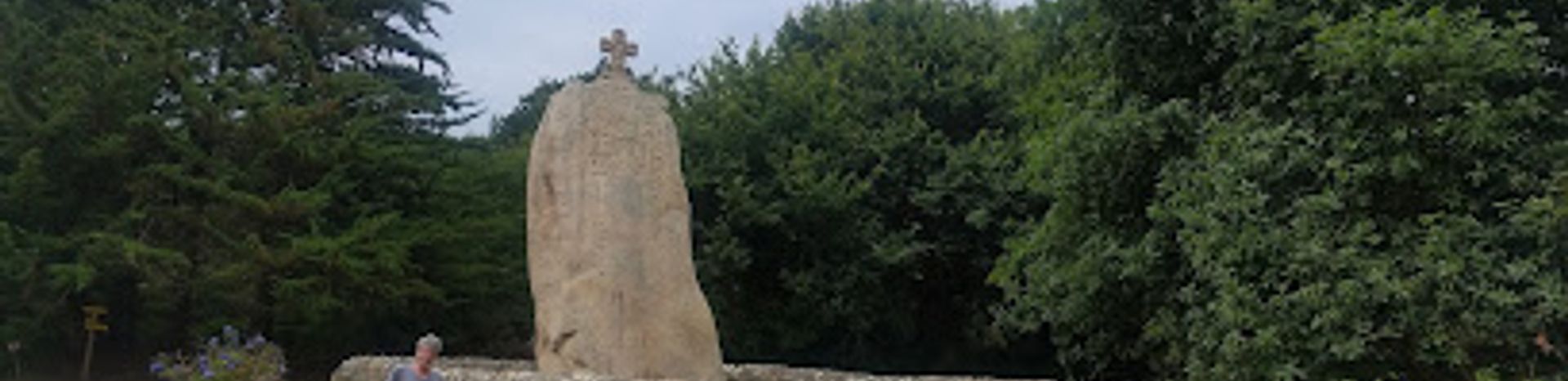
Le Menhir de Saint-Uzec is a fascinating megalithic monument located in Pleumeur-Bodou, Brittany, dating back to 5000-4000 BC. This impressive standing stone, reaching over 7 meters in height and weighing approximately 80 tons, was Christianized in the 17th century. The southern face features carvings depicting the Passion of Christ, a testament to the efforts of the clergy to integrate pagan sites into Christian worship. The menhir's unique silhouette, topped with a cross and adorned with these carvings, makes it a captivating historical and cultural landmark. Visitors can explore the site, appreciate the panoramic views, and reflect on the blend of ancient pagan traditions and Christian influences. The site is easily accessible and offers a glimpse into Brittany's rich megalithic past and religious history, making it a worthwhile stop for those exploring the Pink Granite Coast.
A brief summary to Le menhir de saint Uzec
- Menhir christiannisé de St Uzec, 40 Rte du Menhir, Pleumeur-Bodou, 22560, FR
- Visit website
- Monday 12 am-12 am
- Tuesday 12 am-12 am
- Wednesday 12 am-12 am
- Thursday 12 am-12 am
- Friday 12 am-12 am
- Saturday 12 am-12 am
- Sunday 12 am-12 am
Local tips
- Visit in the early evening for optimal shadow effects on the carvings, enhancing the details of the 'Arma Christi'.
- Explore the northern hiking trails near the menhir for stunning panoramic views of the surrounding landscape.
- Look for the 'Arma Christi' carvings on the south side of the menhir, representing the instruments of the Passion of Christ.
- Combine your visit with a trip to the nearby chapel of Saint-Uzec and the Pink Granite Coast for a comprehensive experience.
- Take time to appreciate the unique blend of pagan and Christian elements, reflecting Brittany's rich cultural history.

Getting There
-
Walking
From the parking area near the Menhir de Saint-Uzec (located at 40 Rte du Menhir, 22560 Pleumeur-Bodou), the monument is a short walk along a well-maintained path. The path leads directly to the menhir, and the walk takes no more than 5 minutes. The path is generally flat and easily accessible. There are no costs associated with walking to the menhir.
-
Public Transport
If arriving by bus from Lannion, take the TILT line D towards Île-Grande. Get off at the 'Penvern' stop, which is the closest stop to the Menhir de Saint-Uzec. From the bus stop, walk along Route du Menhir for approximately 10 minutes (about 800 meters) to reach the site. The single fare for the bus is approximately €2. There are no additional costs associated with this route.
-
Taxi/Ride-Share
From Lannion, a taxi or ride-share to Le Menhir de Saint-Uzec will cost approximately €17-€25 and take about 15-20 minutes, depending on traffic. The drop-off point is typically near the parking area at 40 Rte du Menhir, from where it's a short walk to the monument. There are no tolls or additional fees on this route.
-
Driving
If driving from Pleumeur-Bodou, follow the D788 towards Trégastel and then turn onto Route du Menhir (D84). The Menhir de Saint-Uzec is well-signposted. There is a free parking area directly next to the site at 40 Rte du Menhir. Parking is free. The drive from Pleumeur-Bodou center takes about 5-10 minutes, depending on traffic. There are no tolls on this route.
Discover more about Le menhir de saint Uzec
Iconic landmarks you can’t miss

Plage de Pors Gelen
2.5 km
Discover Plage de Pors Gelen in Brittany: fine sands, turquoise waters, and tranquil beauty on the enchanting Ile Grande peninsula.
Plage de Trégastel
4.9 km
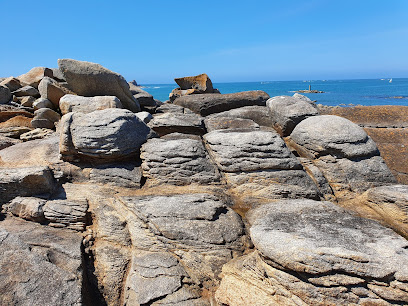
Discover Plage de Trégastel, where pink granite rocks meet sandy shores on Brittany's enchanting Côte de Granit Rose. A visual and sensory delight!
Couronne du Roi Gradlon
5.0 km
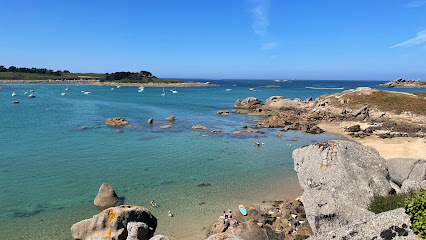
Discover the legendary Couronne du Roi Gradlon in Trégastel: a natural crown offering breathtaking views of Brittany's Pink Granite Coast.
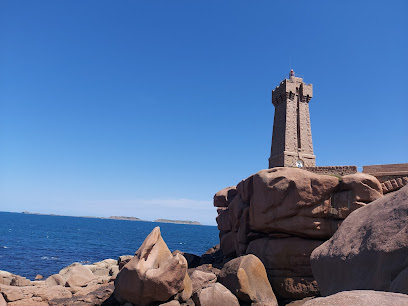
Plage du Coz-Pors
5.4 km
Discover Plage du Coz-Pors in Trégastel: where pink granite rocks meet sandy shores for a unique Brittany beach experience.
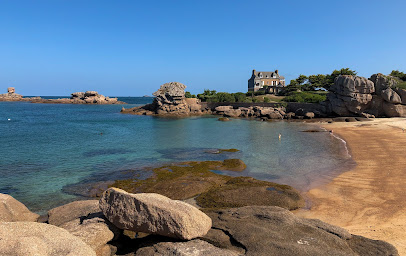
Castel Beau Site
6.4 km
Experience coastal elegance at Castel Beau Site in Perros-Guirec, a historic hotel with stunning views of Brittany's Pink Granite Coast.

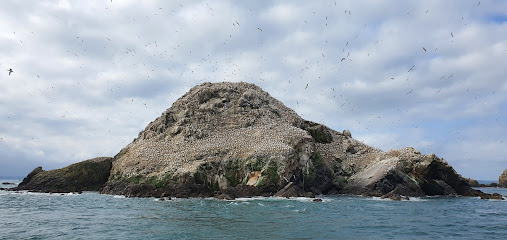
Sortie LPO
7.0 km
Explore Brittany's natural beauty with guided birdwatching and coastal ecology tours from Sortie LPO in Perros-Guirec.
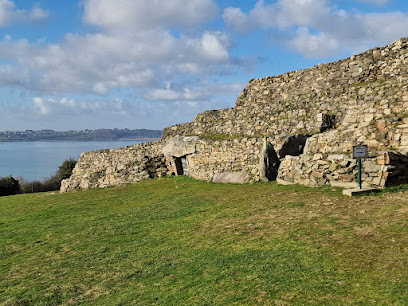
Cairn of Barnenez
26.6 km
Explore the ancient mysteries of the Cairn of Barnenez, one of Europe's largest prehistoric monuments overlooking the stunning Brittany coast.
Portelet Kiosk
96.4 km
Experience the charm of Portelet Kiosk in Guernsey, where delightful café treats meet breathtaking coastal views.
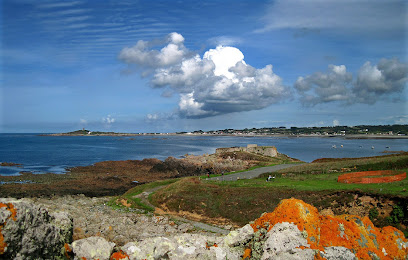
The Imperial Hotel & Restaurant
96.4 km
Experience the charm of Guernsey at The Imperial Hotel & Restaurant, where comfort meets culinary excellence in a breathtaking coastal setting.
War Memorial
96.9 km
Explore the War Memorial in Guernsey, a historical landmark that honors the sacrifices of brave souls, set in a serene landscape perfect for reflection.
Torteval Douzaine
96.9 km
Discover Torteval Douzaine, a picturesque district in Guernsey offering stunning landscapes, rich history, and a vibrant local culture.
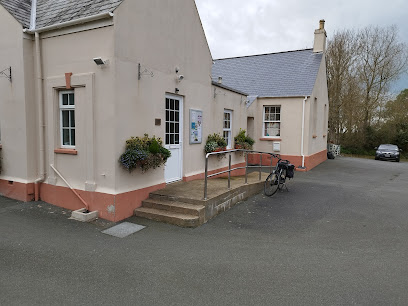
Chateau Des Tielles
96.9 km
Discover the serene beauty of Chateau Des Tielles in Torteval, Guernsey, a tranquil retreat perfect for relaxation and scenic exploration.
Unmissable attractions to see

Planetarium De Bretagne - Parc Du Radôme
1.4 km
Embark on an unforgettable cosmic journey at Planetarium de Bretagne in Pleumeur-Bodou, where immersive shows and expert guidance reveal the universe's wonders for all ages.
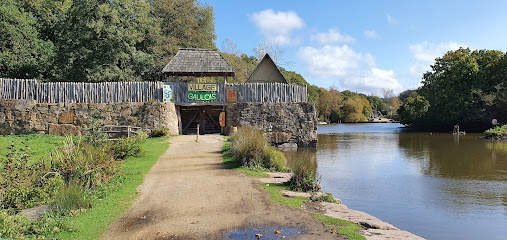
Arbre à gouter
2.0 km
Discover the serene beauty of Arbre à Gouter in Pleumeur-Bodou: a perfect nature escape for picnics, photography, and tranquil moments in the heart of Côtes-d'Armor.
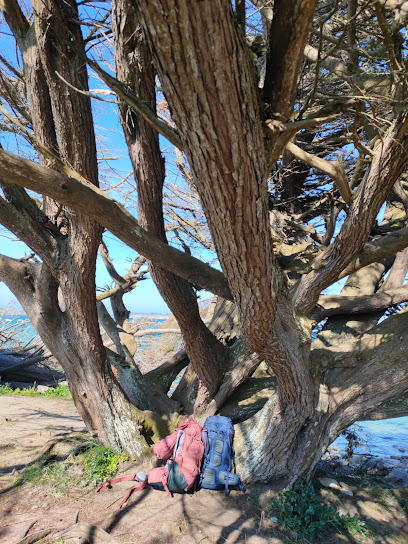
Plage de Toul Gwenn
2.2 km
Discover Plage de Toul Gwenn on Île-Grande, a Breton paradise with white sands, turquoise waters, Arthurian legends, and dramatic tides, offering a tranquil escape for all.
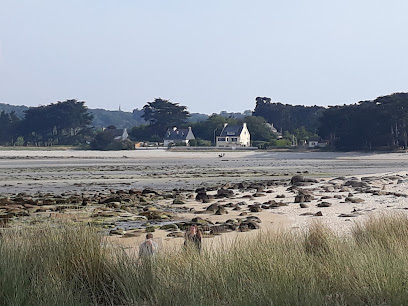
The beach Goas Treiz
2.6 km
Discover the serene beauty of Goas Treiz Beach in Trébeurden, Brittany: golden sands, clear waters, and stunning sunsets await on the Pink Granite Coast, perfect for relaxation and water sports.
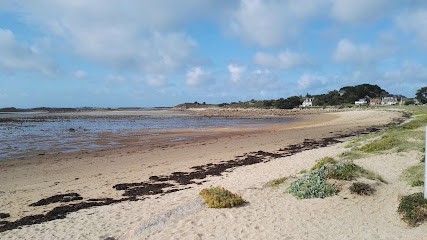
Plage de Porz Gwenn
2.9 km
Discover Plage de Porz Gwenn in Pleumeur-Bodou: a serene sandy beach with clear waters, perfect for relaxation, swimming, and exploring Brittany's stunning Pink Granite Coast.
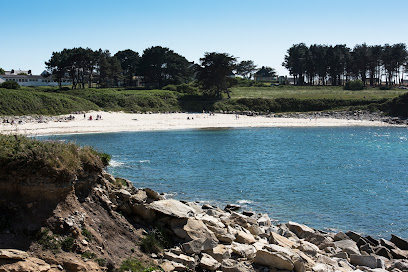
La côte du granit rose
2.9 km
Discover the enchanting Côte de Granit Rose in Brittany: a breathtaking coastline of pink granite rocks, turquoise waters, and charming villages, offering a unique and unforgettable experience.
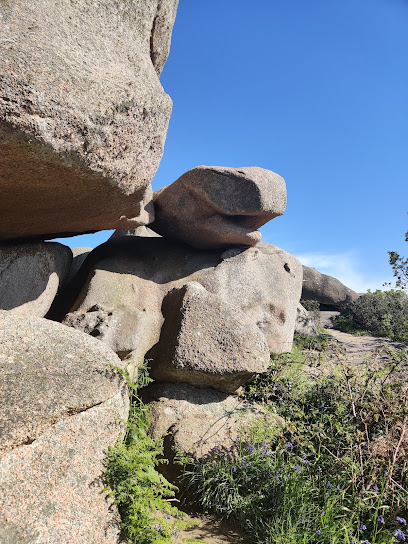
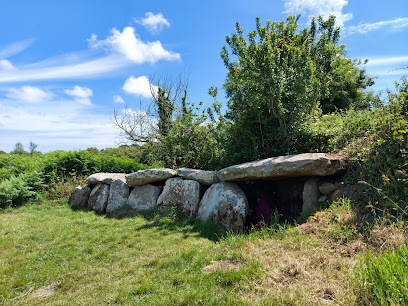
Kergüntuil gallery grave
3.1 km
Explore the mysteries of Brittany's Neolithic past at the Kergüntuil gallery grave, an ancient burial site adorned with intriguing carvings and steeped in history near Trégastel.
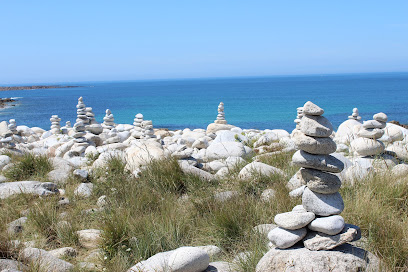
Station LPO Ile Grande
3.3 km
Discover France's largest seabird sanctuary at Station LPO Ile Grande: interactive exhibits, live gannet colony cams, guided nature walks, and wildlife conservation on Brittany's Pink Granite Coast.
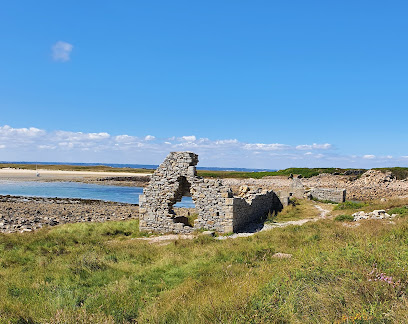
Pointe de Castel Erek
3.6 km
Discover the wild beauty of Pointe de Castel Erek on Brittany's Côte de Granit Rose: panoramic views, granite history, and a haven for seabirds await.
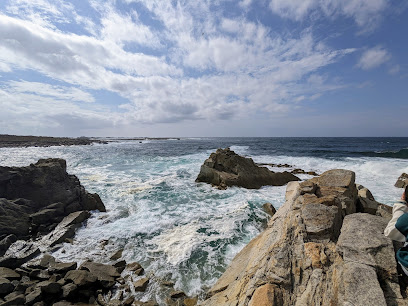
I'lle Grande
3.6 km
Discover Île Grande: A captivating island in Brittany with stunning coastal scenery, rich history, and diverse wildlife, perfect for outdoor adventures and tranquil escapes.
Plage du Grannec
3.8 km
Escape to the tranquil shores of Plage du Grannec in Trégastel, Brittany, and discover a serene coastal paradise amidst the stunning Pink Granite Coast, perfect for relaxation and exploration.
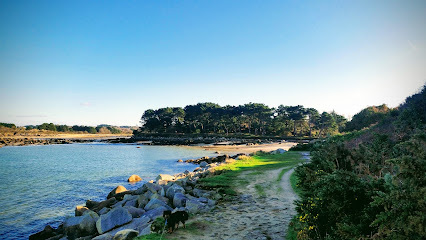
The beach of De Landrellec
3.8 km
Discover the serene beauty of Landrellec Beach in Brittany: a tranquil coastal escape with stunning views, perfect for relaxation and nature exploration on the Pink Granite Coast.
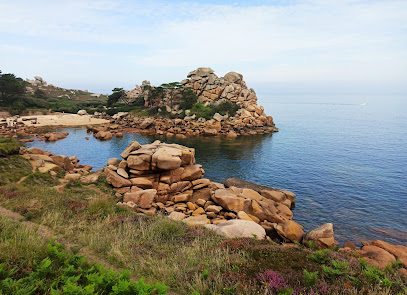
Plage de Tanguy
3.9 km
Discover Plage de Tanguy in Trégastel: a serene beach with golden sands, turquoise waters, and stunning views of Île Tanguy, perfect for relaxation and exploration on Brittany's Pink Granite Coast.
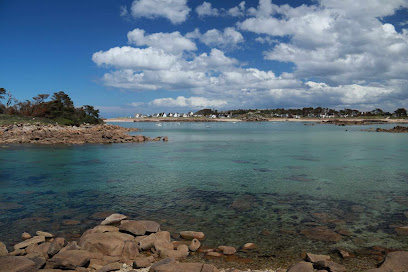
Sousmarin Rock&breizh
4.2 km
Discover the breathtaking coastal beauty of Sousmarin Rock&breizh in Trébeurden, Brittany, offering stunning views, rich marine life, and a unique glimpse into the Pink Granite Coast.
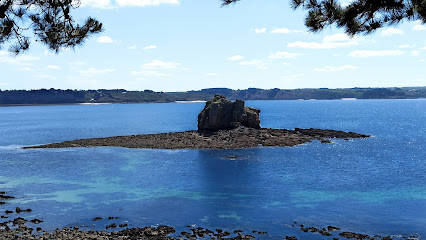
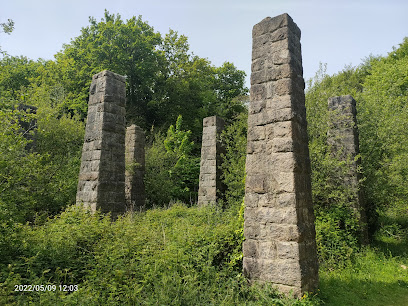
Les Piliers de la Vallée des Traouiero
4.3 km
Discover the enchanting Vallée des Traouiero on Brittany's Pink Granite Coast: a realm of granite formations, lush forests, and Breton legends between Perros-Guirec and Trégastel.
Essential places to dine

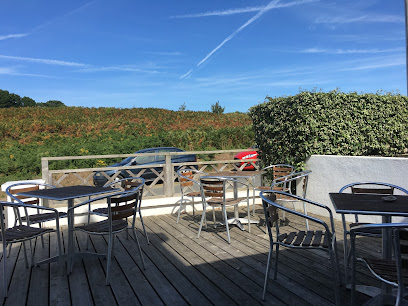
Restaurant Le Macareux
3.0 km
Experience exquisite French cuisine and fresh seafood at Restaurant Le Macareux in scenic Pleumeur-Bodou.
Manoir de Lan Kerellec
3.2 km
Experience exquisite French cuisine and luxurious lodging at Manoir de Lan Kerellec in beautiful Trébeurden.
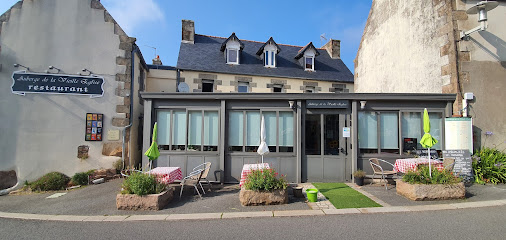
Auberge de la Vieille Eglise
4.0 km
Experience authentic French cuisine at Auberge de la Vieille Eglise in Trégastel – where local flavors meet warm hospitality.
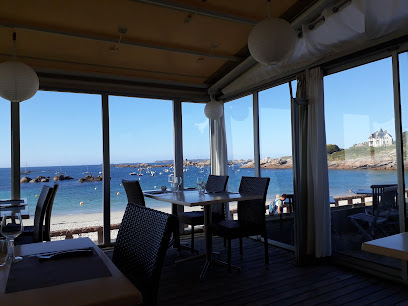
La Grève Blanche BAG II
4.8 km
Discover La Grève Blanche BAG II: A coastal gem offering exquisite French cuisine and vibrant bar experiences in beautiful Trégastel.
Nomad Crêperie Trégastel
4.8 km
Experience authentic Breton cuisine at Nomad Crêperie Trégastel - where tradition meets flavor in every delicious crêpe.
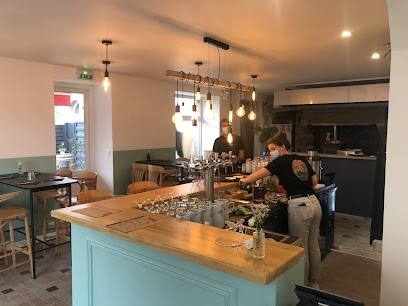
Le Transat Restaurant
5.4 km
Discover authentic French cuisine at Le Transat Restaurant in Trégastel - where fresh seafood meets breathtaking coastal views.
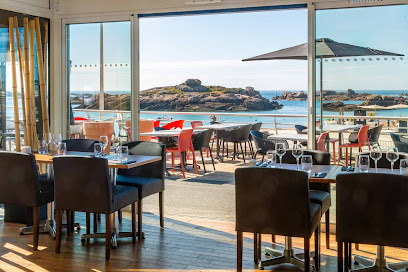
Restaurant L'atelier Perros-guirec
5.7 km
Discover exquisite seafood and seasonal delights at Restaurant L'atelier in beautiful Perros-Guirec.
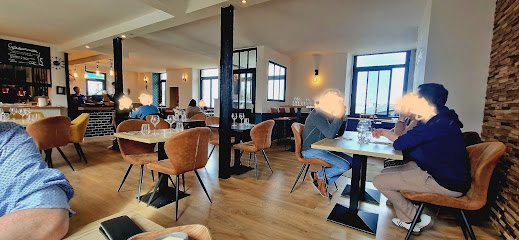
La Bonne Auberge
6.1 km
Discover exquisite French and Mediterranean cuisine at La Bonne Auberge in Perros-Guirec – where fresh ingredients meet delightful flavors.
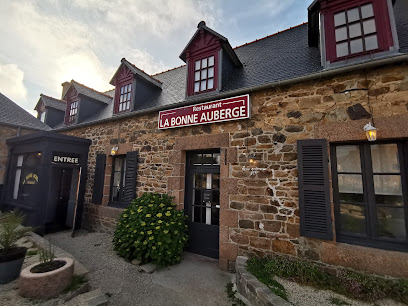
Restaurant des Rochers
6.2 km
Experience exquisite French and seafood cuisine at Restaurant des Rochers in Perros-Guirec - A culinary treasure by the sea.
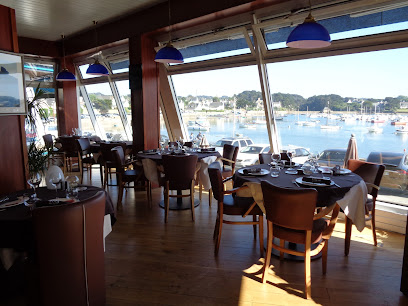
Restaurant Le Duplex
6.2 km
Experience exquisite French cuisine with a focus on fresh seafood and vegetarian delights at Restaurant Le Duplex in Port de Ploumanach.
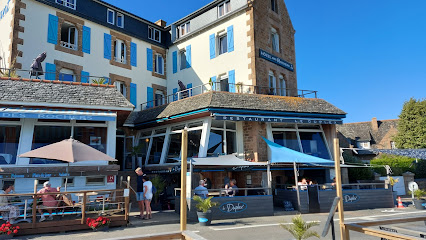
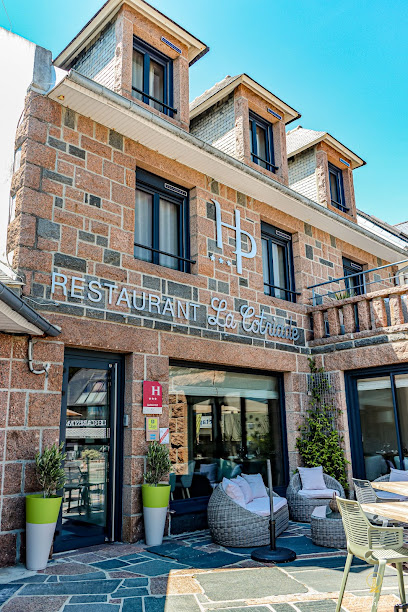
Restaurant La Cotriade
6.5 km
Discover exquisite seafood at Restaurant La Cotriade in Perros-Guirec – a culinary haven showcasing Brittany's finest flavors.
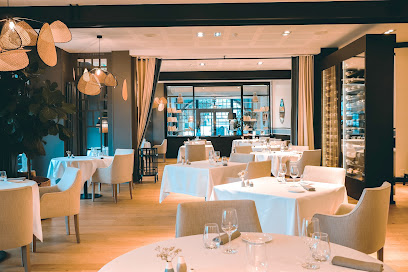
La Table de mon Père (Hôtel Castel Beau Site
6.5 km
Experience exquisite French cuisine with stunning coastal views at La Table de mon Père in beautiful Perros-Guirec.
Au Rest A Terre
6.5 km
Experience authentic French cuisine at Au Rest A Terre in Perros-Guirec - a culinary gem with delightful local flavors.
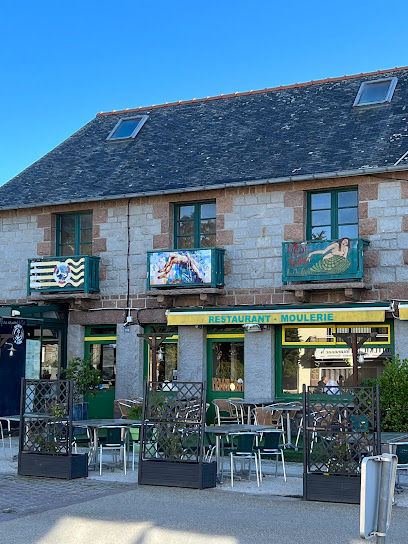
Le Mao
6.5 km
Experience exquisite seafood dishes at Le Mao in Perros-Guirec—where fresh flavors meet stunning coastal views.
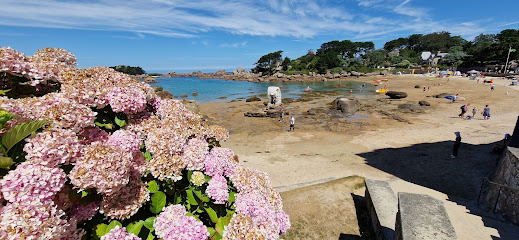
Le Coste Mor
6.5 km
Experience exquisite seafood dining at Le Coste Mor in Perros-Guirec – where fresh ingredients meet stunning coastal views.
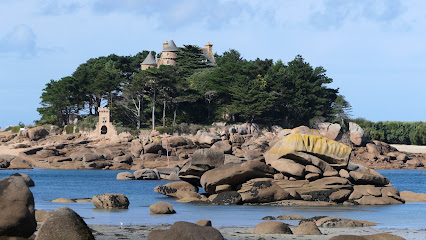
Markets, malls and hidden boutiques

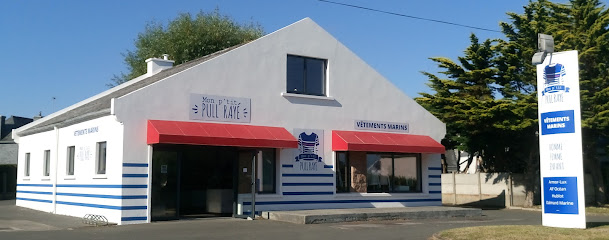
Mon p'tit pull rayé - Vêtements marins
4.8 km
Explore Mon p'tit pull rayé in Trégastel for unique marine-inspired fashion and local artisan souvenirs, capturing the spirit of Brittany.
Kouign Amann Faïence Textile
4.9 km
Experience the sweet flavors and vibrant pottery of Kouign Amann Faïence Textile in Trégastel, where Brittany's culinary and artistic traditions come alive.
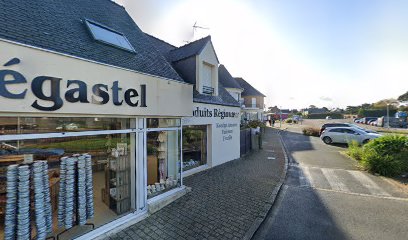
PGC # the Pink Granit Coast
4.9 km
Discover the enchanting PGC - The Pink Granit Coast, where shopping meets exquisite organic dining amidst stunning coastal views.
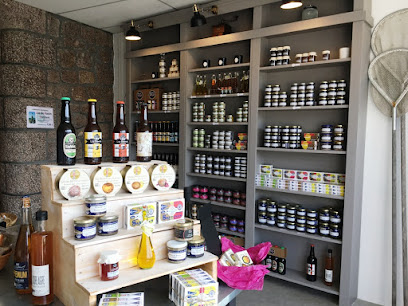
Ker-Iliz La Boutique
4.9 km
Explore Ker-Iliz La Boutique in Trégastel for unique clothing that embodies local style and artistry amidst a stunning coastal backdrop.
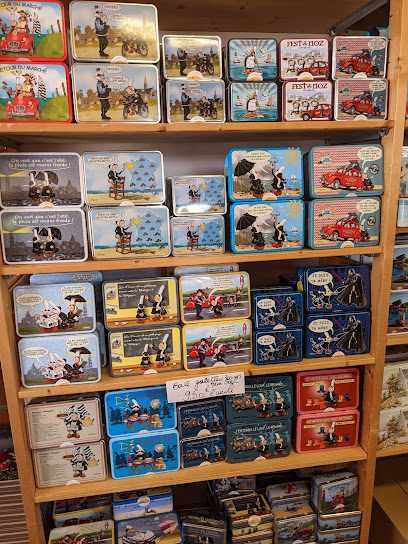
Gaonach Carole
5.1 km
Explore Gaonach Carole in Trégastel for unique gifts and local crafts that capture the spirit of Brittany.
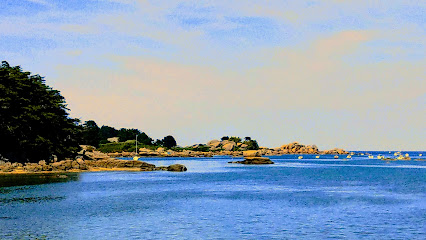
A la Ville D’Ys - Presse Cadeaux Souvenirs
5.4 km
Discover the charm of Brittany at A la Ville D’Ys - Presse Cadeaux Souvenirs, your go-to destination for unique local gifts and souvenirs.
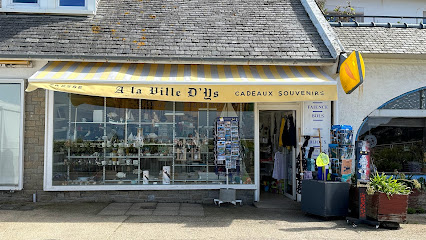
Galeries saint guirec
6.2 km
Discover the stylish offerings at Galeries Saint Guirec, a charming clothing store in Perros-Guirec, perfect for tourists seeking unique fashion.
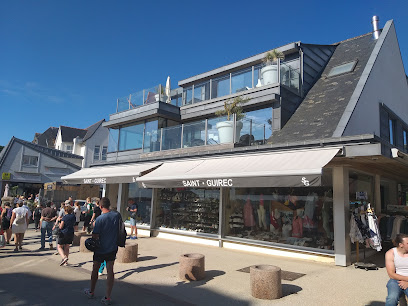
Les Pois sont Roz
6.3 km
Explore Les Pois sont Roz in Perros-Guirec for unique gifts that reflect Brittany's rich culture and artistry.
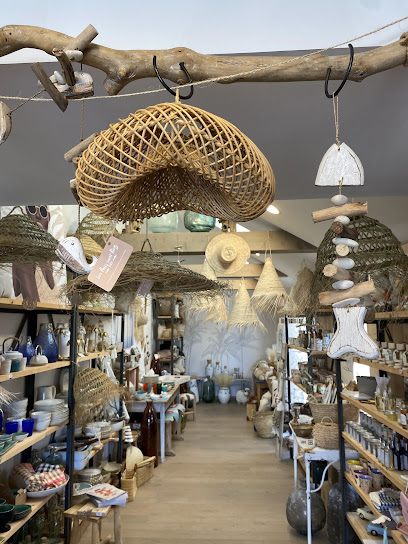
La Petite Fabrique
6.4 km
Explore La Petite Fabrique, a delightful gift shop in Perros-Guirec, offering unique souvenirs and local crafts that embody the charm of Brittany.
Avec des Pierres
6.4 km
Discover the charm of nature and craftsmanship at Avec des Pierres in Perros-Guirec, where unique rocks and exquisite jewelry await.
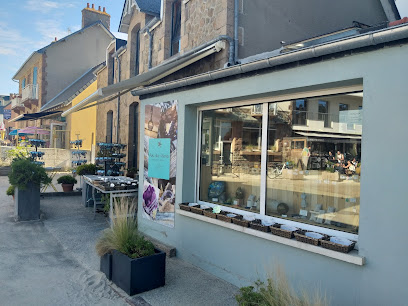
Marino
6.4 km
Explore the stylish selection of Marino in Perros-Guirec, where local fashion meets coastal charm.
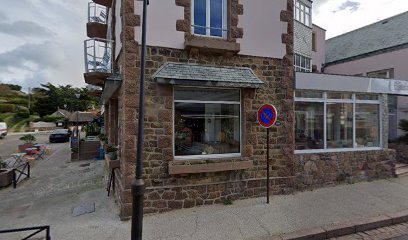
Saint Guerec
6.4 km
Explore the unique fashion offerings at Saint Guerec in Perros-Guirec, where local style meets coastal charm in a delightful shopping experience.
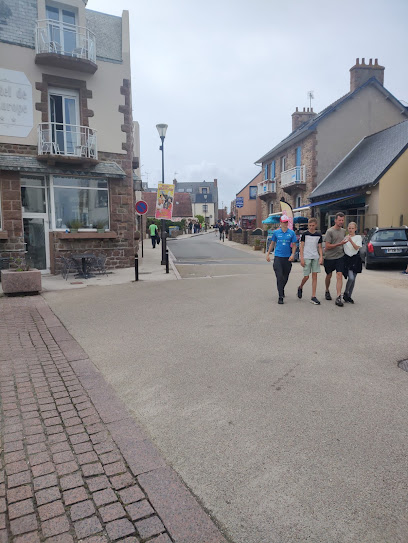
La Goélette
6.4 km
Discover unique fashion finds at La Goélette, a charming clothing store in Perros-Guirec, where coastal style meets local craftsmanship.
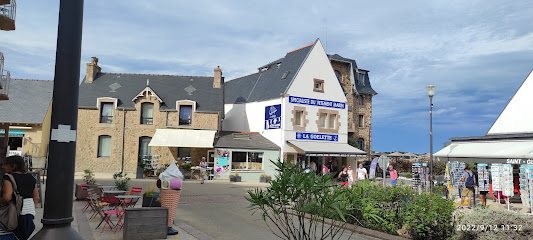
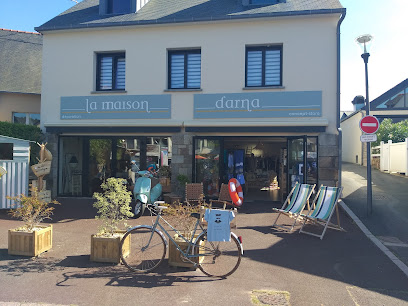
La Maison DARNA concept-store & boutique déco
6.5 km
Explore La Maison DARNA in Perros-Guirec: A unique concept-store offering eclectic gifts, stylish clothing, and exquisite home décor.
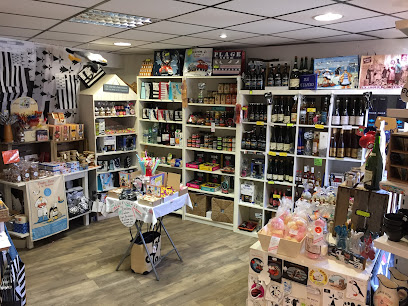
Les 11 Hermines
6.5 km
Experience the sweetness of Brittany at Les 11 Hermines, your go-to destination for gourmet gift baskets and local delicacies.
Essential bars & hidden hideouts

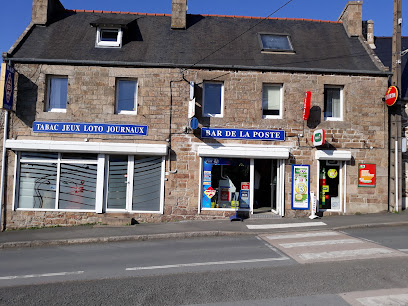
Bar de la Poste
2.6 km
Experience the warm hospitality and delightful drinks at Bar de la Poste, the perfect coastal retreat in Trébeurden.
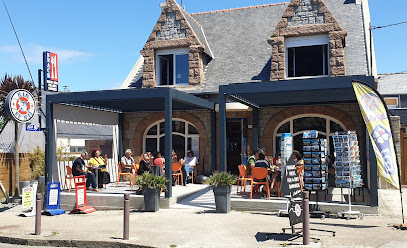
Ty Mai
3.0 km
Discover Ty Mai, the charming bar in Trébeurden that offers a cozy atmosphere, local beverages, and a taste of Brittany's vibrant culture.
La Cabane Bambou's
3.6 km
Experience the vibrant nightlife and live music at La Cabane Bambou in Trébeurden, where every visit promises fun and relaxation.
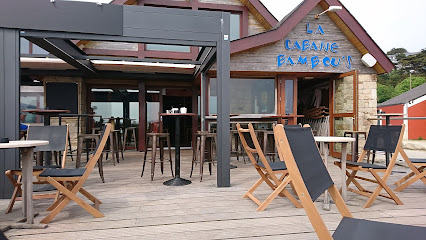
Brasserie des 7 îles
3.9 km
Discover Brasserie des 7 îles in Trégastel, where handcrafted beers and delightful dishes come together in a charming coastal brewpub.
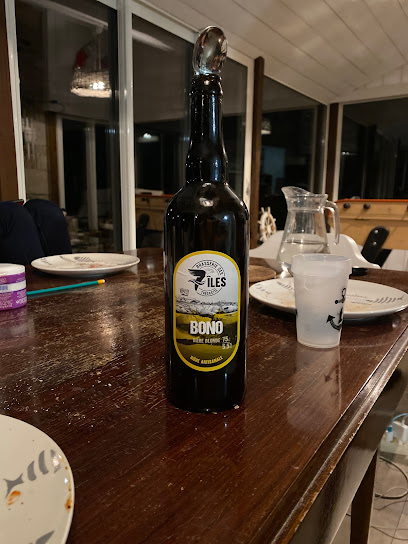
Chez Capitaine
4.9 km
Discover the fun of darts and local flavors at Chez Capitaine, a vibrant dart bar in the heart of Trégastel, perfect for tourists and locals alike.
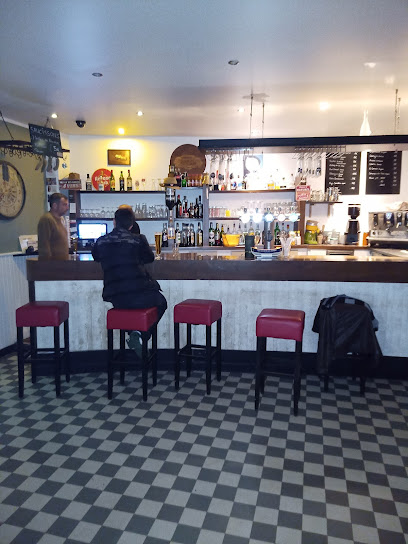
Le Valdo bar
6.2 km
Experience the charm of Le Valdo Bar in Perros-Guirec, where local flavors meet stunning coastal views for an unforgettable evening.
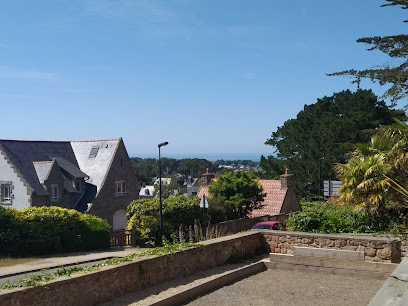
Les Ajoncs d'Or
6.2 km
Discover the charm of Les Ajoncs d'Or, a cozy bar in Perros-Guirec, offering a taste of local culture and delightful beverages.
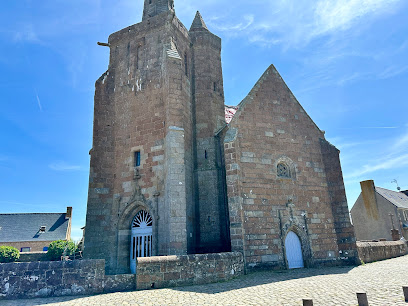
Ty Jobic
6.4 km
Experience the charm of Brittany at Ty Jobic, a cozy bar in Perros-Guirec offering delightful drinks, snacks, and a warm atmosphere.
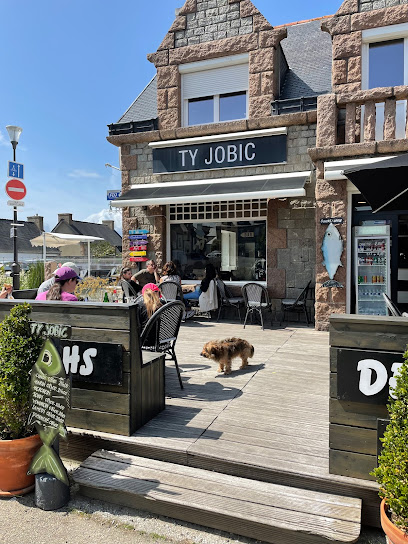
Le Roz' Top
6.9 km
Experience the vibrant atmosphere and stunning views at Le Roz' Top, the perfect bar in Perros-Guirec for relaxation and socializing.
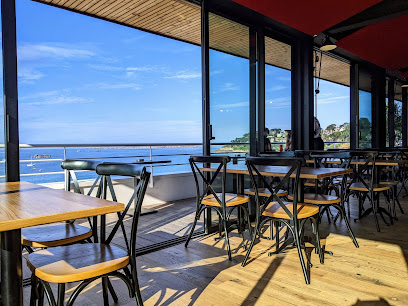
Perroz Sea Side Bar & Concept Store
7.0 km
Experience the charm of Perroz Sea Side Bar & Concept Store, where stunning beach views meet delicious drinks in the heart of Perros-Guirec.
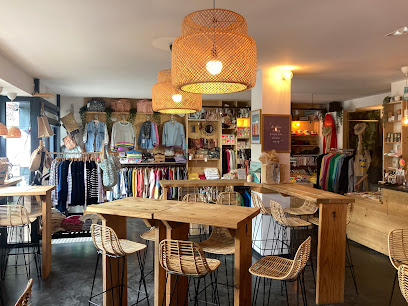
Bar Le Bahia
7.0 km
Experience the perfect blend of local cuisine and breathtaking views at Bar Le Bahia, your go-to bar and restaurant in Perros-Guirec.
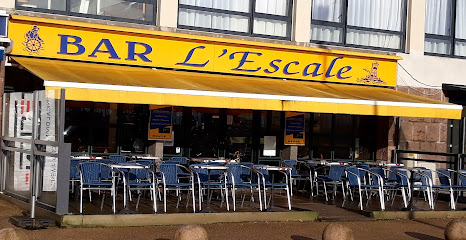
Bar L' Escale
7.6 km
Experience the charm of Bar L' Escale in Perros-Guirec, where cozy ambiance meets delightful drinks in a picturesque coastal setting.
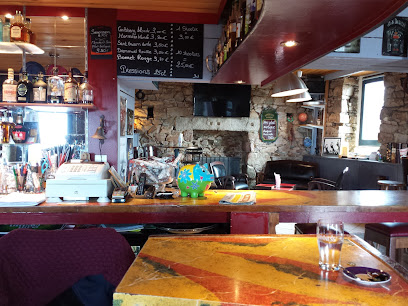
Dockland Pub
7.7 km
Discover the lively Dockland Pub in Louannec, where great drinks, locals' warmth, and vibrant nightlife await you.
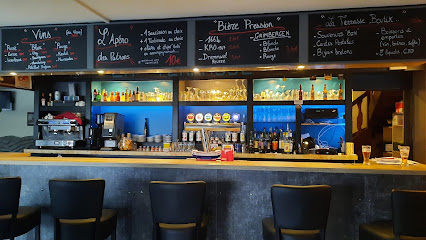
La Terrasse
7.8 km
Experience the perfect blend of local cuisine and coastal charm at La Terrasse in Perros-Guirec, your ideal getaway spot.
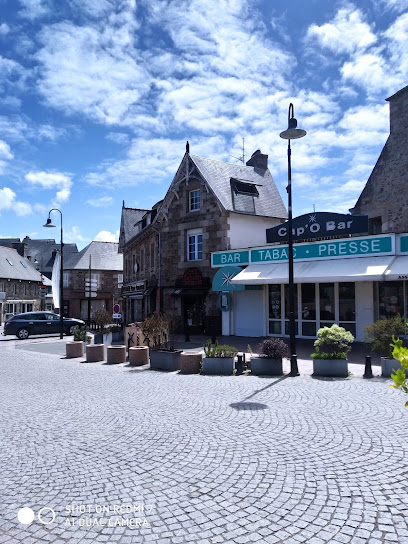
Cap O 'Bar
7.9 km
Discover the charm of Cap O'Bar in Perros-Guirec - a delightful bar tabac offering snacks, drinks, and local culture in a cozy setting.
Nightclubs & after hour spots

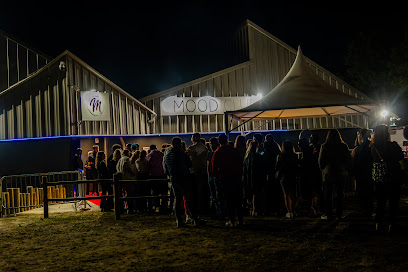
Mood Club
7.0 km
Discover the electrifying nightlife at Mood Club in Saint-Quay-Perros, where unforgettable nights and dancing await you.
La white box
14.7 km
Experience the pulsating nightlife of Locquirec at La White Box, where music and dance create unforgettable memories.
CLUB PACHA MORLAIX
29.7 km
Unleash your night at Club Pacha Morlaix, a vibrant dance hall in Plouigneau with electrifying music and a lively atmosphere.

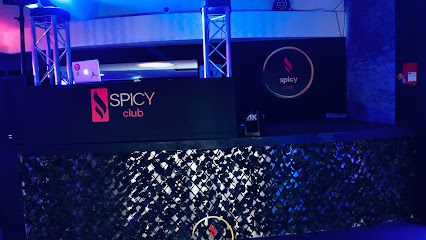
Spicy Club
35.0 km
Dive into the electrifying nightlife of Spicy Club, where music, dance, and vibrant energy create unforgettable nights in Saint-Martin-des-Champs.
L'Horizon Night Club
52.1 km
Discover the electrifying nightlife at L'Horizon Night Club, the heart of Plélo's vibrant social scene, where music and dance create unforgettable memories.

Taly's Club - Yffiniac
73.5 km
Discover the electrifying nightlife at Taly's Club in Yffiniac, where dance and music unite for an unforgettable experience.
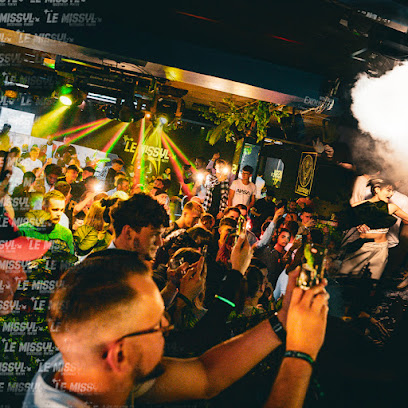
Discothèque Le Missyl
91.6 km
Dive into the electrifying nightlife of Pontivy at Discothèque Le Missyl, where music, dance, and fun come together for an unforgettable experience.
LE MAJESTIC - Quimper
97.7 km
Discover the vibrant nightlife of Quimper at Le Majestic, where music and dance come alive in a lively club atmosphere.

Petit Bot Tearooms
99.7 km
Discover the charm of Petit Bot Tearooms, a hidden gem in Guernsey offering delightful treats and stunning coastal views.